Did you know nearly half of all adults experience noisy nights? While occasional nighttime sounds are common, persistent loud disruptions could signal a serious health issue. Many dismiss it as harmless, but certain patterns may point to a deeper condition requiring attention.
Regular nighttime noise isn’t always just an annoyance. If you wake up gasping or feel exhausted despite a full night’s rest, your body might be struggling for air. Left unchecked, this can lead to severe complications like high blood pressure or even heart disease.
Key Takeaways
- About 50% of adults deal with nighttime noise regularly.
- Frequent gasping or choking could indicate a serious issue.
- Untreated breathing disruptions increase heart disease risk.
- Daytime fatigue and headaches are common warning signs.
- Most cases go undiagnosed, delaying necessary treatment.
What Is Snoring and How Does It Happen?
That rumbling noise at night isn’t just an annoyance—it’s physics in action. When you drift into deep sleep, your throat tissues relax, creating a narrower airway. As air forces through, these relaxed parts vibrate, producing the familiar sound.

The Science Behind Snoring
The Bernoulli effect explains why narrowed airways amplify vibrations. Think of it like a garden hose: pinch it, and water sprays faster. Similarly, constricted airflow speeds up, shaking the soft palate and tongue.
During REM sleep, muscle relaxation peaks. This natural process can turn your airway into a noisy instrument if the tissues are overly loose or bulky.
Common Causes of Snoring
Snoring sleep disruptions stem from two main categories: anatomical traits and lifestyle factors. Here’s how they compare:
| Anatomical Causes | Lifestyle Factors |
|---|---|
| Deviated septum | Obesity (BMI >30 triples risk) |
| Enlarged tonsils | Smoking irritates throat tissues |
| Nasal polyps | Alcohol (40% increased risk) |
| Chronic congestion | Sleeping on your back |
Temporary triggers like seasonal allergies or late-night drinks worsen the issue. Even one cocktail before bed can relax your throat muscles enough to spike nighttime noise.
Understanding Sleep Apnea: A Serious Sleep Disorder
Your body may be starving for air while you sleep. This disorder isn’t just about noise—it’s a life-threatening interruption of breathing. Unlike harmless nighttime sounds, these episodes starve your brain and organs of oxygen.

Two Faces of a Dangerous Condition
Obstructive sleep (OSA) and central sleep apnea (CSA) work differently but share dire consequences. OSA, affecting 84% of cases, happens when throat muscles collapse. CSA occurs when the brain fails to signal breathing muscles.
| Obstructive Sleep Apnea (OSA) | Central Sleep Apnea (CSA) |
|---|---|
| Mechanical airway blockage | Neurological signaling failure |
| Loud gasping or snorting | Quiet pauses in breathing |
| Linked to obesity, anatomy | Common in heart failure patients |
Silent Damage to Your Body
Each pauses breathing event drops blood oxygen levels below 90%. Severe cases suffer 200+ nightly interruptions. One sleep specialist warns:
“Untreated apnea is like suffocating repeatedly. Your heart races, blood pressure spikes, and organs endure stress akin to drowning.”
These oxygen crashes trigger a cascade:
- Hypertension: Nightly strain damages blood vessels.
- Insulin resistance: Hypoxia disrupts metabolism.
- Cognitive decline: Micro-awakenings fragment restorative sleep.
Left unchecked, obstructive sleep apnea quadruples stroke risk. If you wake up gasping, it’s not just fatigue—it’s your body screaming for help.
Key Differences Between Snoring and Sleep Apnea
Not all nighttime sounds are created equal—some signal deeper health concerns. While both involve disrupted breathing, their impact on your quality of life and long-term health varies drastically.

Symptoms That Set Them Apart
Harmless noise follows a steady rhythm. Dangerous pauses, however, create irregular gaps in breathing. Here’s how to spot the contrast:
| Common Snoring | Obstructive Sleep Apnea |
|---|---|
| Consistent, loud vibrations | Silent gaps (≥10 seconds) followed by gasps |
| No oxygen drops | Blood oxygen falls below 90% |
| Rarely wakes you up | Choking or jerking awake |
| Mild daytime fatigue | Extreme exhaustion, morning headaches |
Research shows 38% of loud snorers develop obstructive sleep apnea within four years. Surprisingly, the loudest noises often occur in mild cases.
When Snoring Becomes a Warning Sign
Chronic vibrations can remodel your airway, escalating risk. Watch for these red flags:
- Witnessed breathing gaps: Partners notice silent stretches.
- Nocturnal choking: Waking with a racing heart.
- Uncontrolled hypertension: Combined with snoring, it demands evaluation.
If your quality of rest declines despite sufficient hours in bed, consult a specialist. Early intervention prevents irreversible damage.
Risk Factors: Who’s Most Vulnerable?
Certain health markers can predict nighttime breathing troubles. While some *factors* are genetic, others stem from *habits* or underlying *conditions*. Identifying these early helps prevent severe complications like *high blood* pressure or heart strain.

Lifestyle and Health Conditions Linked to Snoring
Your daily choices amplify throat vibrations. Smoking irritates airways, while alcohol relaxes muscles excessively. Even *weight* plays a role—BMI over 30 triples the odds of noisy nights.
Chronic *conditions* like *hypothyroidism* or nasal polyps worsen the issue. Hormonal shifts in menopause or PCOS also tighten the airway. Here’s how risks compare:
| Lifestyle Triggers | Health Conditions |
|---|---|
| Alcohol use (40% higher risk) | Hypothyroidism (+30% likelihood) |
| Sedentary behavior | Chronic sinus congestion |
| Back sleeping | Enlarged tonsils/adenoids |
Factors That Increase Sleep Apnea Risk
Neck size matters—over 17 inches (men) or 16 inches (women) doubles the danger. Anatomical quirks like a recessed jaw or large tongue (*macroglossia*) are red flags.
Surprisingly, GERD and opioid use disrupt breathing signals. Demographics matter too:
- Men over 50: Hormonal changes weaken throat muscles.
- Postmenopausal women: Lower progesterone reduces airway stability.
- Genetic disorders: Marfan syndrome or acromegaly alter airway structure.
“Neck circumference is the canary in the coal mine. It’s a visible clue to invisible airway threats.”
How to Diagnose Sleep Apnea vs. Ordinary Snoring
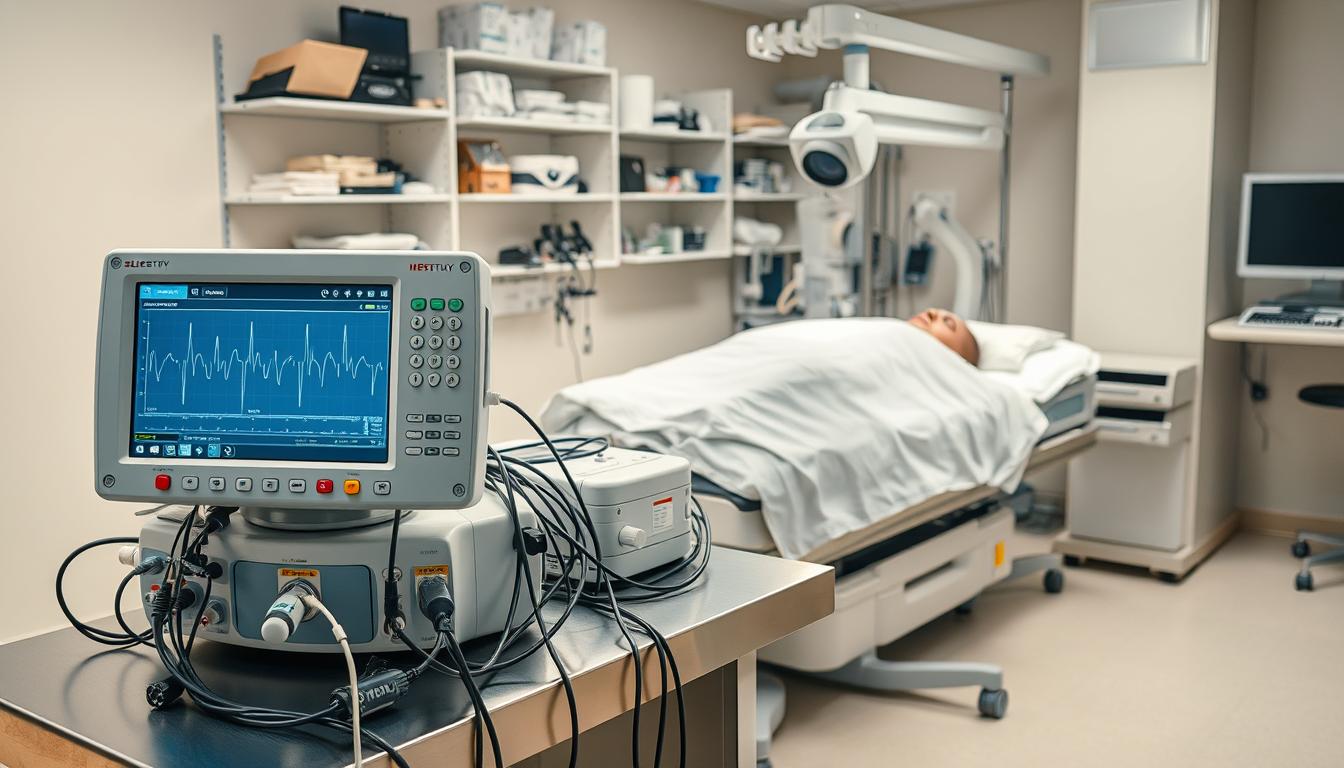
Determining whether your nighttime breathing issues are harmless or hazardous requires professional insight. While loud vibrations might seem similar, diagnosing sleep apnea involves tracking oxygen drops and brain signals. Early detection prevents long-term damage to your heart and cognitive function.
Signs You Should See a Doctor
Persistent exhaustion despite adequate rest is a red flag. If you experience these symptoms, consult a doctor:
- Waking up choking or gasping for air
- Morning headaches that fade by afternoon
- An Epworth Sleepiness Score above 10 (indicating severe daytime drowsiness)
Partners often notice silent breathing gaps before patients do. One study found 73% of cases are initially reported by bedmates.
Sleep Studies and Home Tests
Modern diagnostics fall into two categories:
| Home Sleep Apnea Test (HSAT) | Lab Polysomnography |
|---|---|
| Measures oxygen, airflow, and effort (89% accuracy for moderate-severe cases) | Tracks 16+ metrics including brain waves and limb movements |
| Convenient but may miss mild cases | Gold standard for comprehensive diagnosis |
| Often covered by insurance with symptoms | Required for complex or pediatric cases |
New wearable devices claim to monitor sleep quality, but most lack validation for clinical testing. Medicare typically covers CPAP therapy only after lab-confirmed diagnosis.
Your physician will recommend the best approach based on symptom severity and medical history. Don’t dismiss chronic fatigue—it could signal hundreds of nightly oxygen crashes.
Treatment Options for Snoring and Sleep Apnea
Modern medicine offers multiple pathways to quieter nights and better health. Whether you experience occasional vibrations or dangerous breathing gaps, solutions range from simple habit changes to advanced medical devices. The right approach depends on severity, anatomy, and lifestyle factors.
Lifestyle Changes and Home Remedies
Mild cases often improve with behavioral adjustments. These evidence-based strategies can reduce airway obstruction:
- Positional therapy: Side sleeping prevents tongue collapse (60% effectiveness for positional apnea)
- Myofunctional exercises: Daily tongue and throat workouts strengthen muscles
- Allergy management: Nasal strips and antihistamines improve airflow
Medical Interventions
When lifestyle changes aren’t enough, these clinically proven options help:
| Treatment | Best For | Success Rate |
|---|---|---|
| CPAP (Continuous Positive Air Pressure) | Moderate-severe obstructive sleep apnea | 95% event reduction |
| Mandibular Advancement Device (MAD) | Snoring/mild apnea | 60% improvement |
| UPPP Surgery | Enlarged uvula/tonsils | 40-60% success |
“The ResMed AirSense 10 auto-adjusts pressure throughout the night—it’s like having a smart guardian for your airway.”
Emerging options like hypoglossal nerve stimulators offer hope for CPAP-resistant cases. Costs vary: MAD devices average $1,800 out-of-pocket, while insurance typically covers CPAP after diagnosis.
Conclusion: Taking Action for Better Sleep Health
Ignoring nighttime breathing issues can harm your heart and overall health. Studies show CPAP use cuts cardiovascular risks by 40%, while a 10% weight loss reduces severity by 30%. Early treatment matters—it lowers diabetes risk by 70% and prevents long-term damage.
Watch for key signs like daytime fatigue or morning headaches. A free online STOP-BANG test helps assess your risk. Partners play a vital role—encourage loved ones to track symptoms and support treatment.
Untreated conditions may shorten lifespan by 12 years. Don’t wait—prioritize your oxygen levels and quality of rest. Small changes today make a big difference tomorrow.