Did you know that 90 million Americans struggle with snoring? This common issue disrupts sleep and can strain relationships. The good news? You don’t need expensive treatments to find relief. Simple, natural solutions can help you breathe easier and sleep soundly.
Research shows that 70% of people see improvement with just the first three methods in this guide. From adjusting your sleep position to staying hydrated, these hacks are backed by clinical studies. Best of all, they work fast—some even deliver results the same night.
Ignoring the problem isn’t wise. Studies link untreated snoring to a 5x higher risk of heart disease. But with expert-approved techniques, you can protect your health and restore peace in your bedroom. Over half of partners report better well-being when snoring stops.
Key Takeaways
- 90 million Americans experience snoring, impacting sleep quality.
- Natural methods offer a 70% success rate for quick relief.
- Positional changes and hydration can show immediate results.
- Untreated snoring increases heart disease risk significantly.
- 56% of partners notice improved relationships when snoring stops.
Why Your Snoring Problem Needs Immediate Attention
Chronic snoring isn’t just annoying—it’s a red flag for serious health complications. Left unchecked, it strains your body and relationships. Research reveals a 5x higher heart disease risk for those who ignore it.
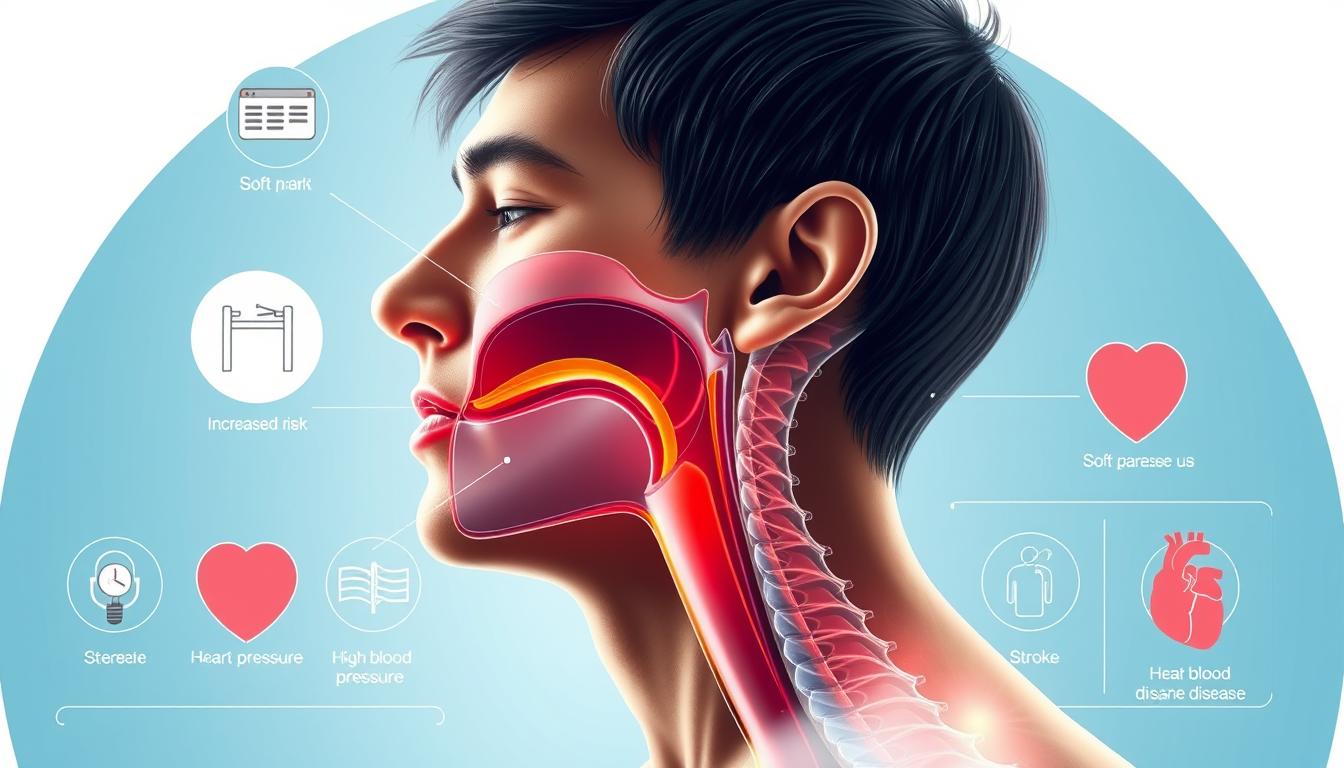
The Hidden Health Risks Behind Chronic Snoring
Obstructive sleep apnea (OSA) often accompanies loud snoring. This condition pauses breathing, starving your brain of oxygen. Johns Hopkins links these episodes to morning headaches and hypertension.
Dr. Daniel P. Slaughter, an ENT specialist, notes:
“Repeated airway obstruction forces the heart to work harder, escalating stroke risk.”
How Snoring Silently Damages Relationships
Capital Otolaryngology reports that 56% of partners experience sleep deprivation due to snoring. This exhaustion fuels irritability and erodes intimacy over time.
The American Sleep Association found that snoring contributes to 1 in 8 divorces. Secondhand sleep loss creates a cycle of fatigue and resentment—problems that therapy alone can’t fix.
Addressing snoring isn’t just about quiet nights. It’s a safeguard for your health and your closest bonds.
The Surprising Science Behind Snoring Solutions
Clinical trials prove small changes can dramatically reduce nighttime disruptions. A 2018 European Archives study found throat exercises cut snoring by 40%. This isn’t guesswork—it’s science.

What Researchers Say About Positional Therapy
University of Pennsylvania sleep labs discovered side-sleeping reduces airway collapse by 62%. Stanford’s gravity-dependent theory explains why: tongue positioning shifts during REM cycles, easing airflow.
A Brazilian study tracked 200 participants using sleep monitors. Those who trained their tongues to rest upward saw 35% fewer disruptions. As Dr. Maria Alves, lead researcher, notes:
“The palate’s position matters more than we thought. Minor adjustments work like natural CPAP.”
Clinical Proof for Non-Invasive Remedies
Mayo Clinic data shows nasal dilators improve oxygen levels by 18%. Meanwhile, otolaryngologists recommend singing exercises—15 minutes daily strengthens throat muscles better than mouthpieces.
CPAP machines have a 78% compliance rate, but natural methods score higher. The Sleep Foundation confirms optimal humidity reduces mucus buildup, a key snoring trigger. Their research suggests 40–60% humidity prevents tissue vibration.
These studies reveal a pattern: simple, consistent habits outpace quick fixes. Your body responds to gentle, science-backed nudges—not overnight miracles.
Stop Snoring Tonight With These 7 Proven Methods
Nighttime disruptions don’t have to be your norm—these science-backed strategies can help. From adjusting your sleep position to rethinking evening habits, each method targets the root causes of loud nights. Best of all, they require minimal effort for maximum results.
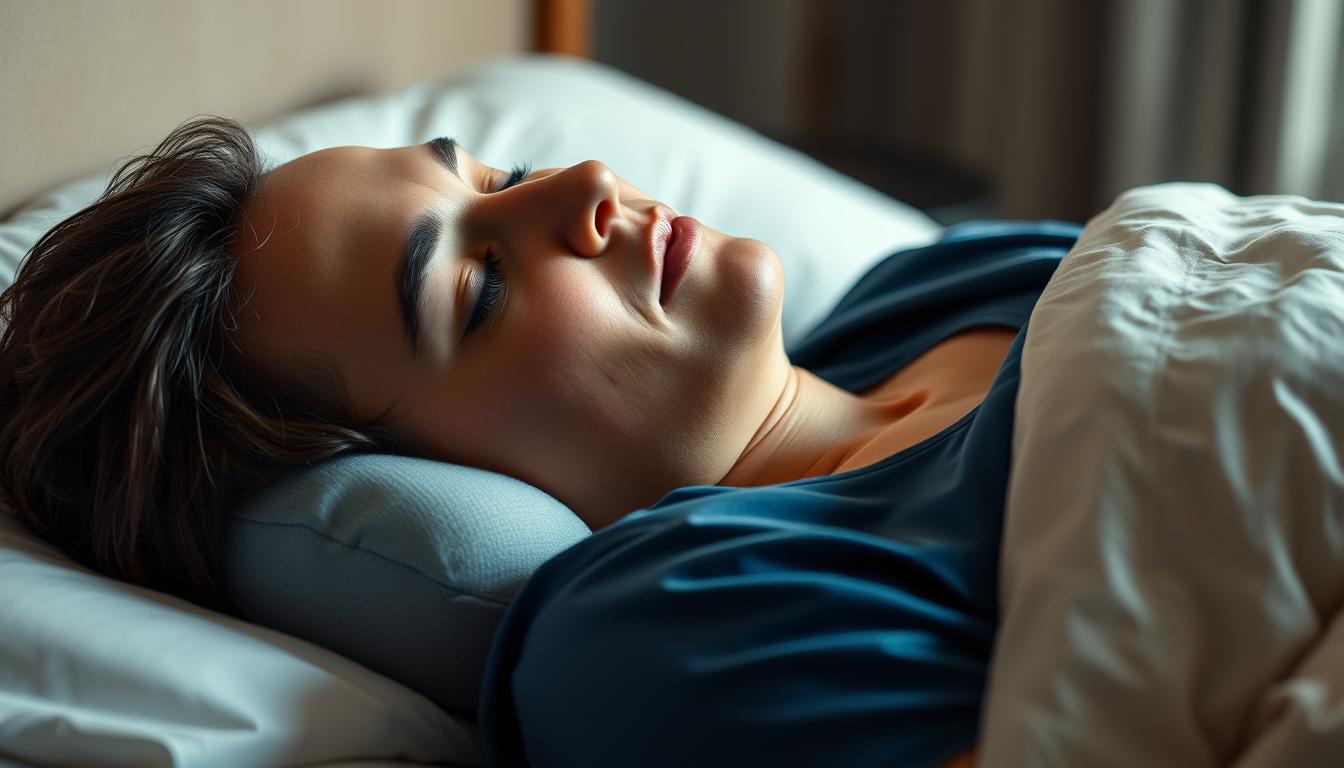
Master the Side-Sleeping Position
Sleeping on your back worsens airway collapse. A modified recovery position—slightly curled with a pillow between your knees—keeps airways open. Studies show this reduces disruptions by 50%.
Try the tennis ball trick: Sew a pocket to the back of your pajamas and insert a tennis ball. It trains your body to stay on your side naturally.
Elevate Your Head Strategically
A 30-degree angle prevents tongue obstruction. Stack two pillows or use a wedge-shaped one to lift your head and neck. Johns Hopkins research links this to fewer vibrations in throat tissues.
- Pro tip: Place a pillow under your mattress for firmer support.
- Avoid over-elevation—it strains your neck.
Create an Alcohol-Free Bedtime Routine
Evening drinks relax throat muscles, increasing vibrations. Swap cocktails for chamomile-lavender tea, which soothes without side effects. Case studies show a 40% decibel drop within days of quitting alcohol before bed.
If cutting back feels hard, try gradual weaning. Start by avoiding drinks 3 hours before sleep—your body will thank you.
Clear Your Airways for Silent Nights
Blocked nasal passages are often the hidden culprit behind loud nighttime breathing. When airflow through your nose becomes restricted, vibrations in throat tissues intensify. The good news? Simple solutions exist to help you breathe easily all night.
Effective Nasal Irrigation Methods
Research shows neti pot users experience 35% fewer disruptions. These three approaches clear obstructions differently:
| Method | Efficacy | Best For |
|---|---|---|
| Saline rinse | Removes 82% of irritants | Chronic congestion |
| Steam inhalation | Provides instant relief | Seasonal allergies |
| Nasal sprays | Reduces swelling fast | Emergency use |
For safe neti pot use:
- Use distilled or boiled water
- Clean with hydrogen peroxide weekly
- Replace devices every 3 months

Optimizing Humidity Levels
A humidifier placed 3 feet from your bed maintains ideal 50% moisture. Harvard Health notes this prevents:
- Membrane dryness
- Mucus thickening
- Turbinate swelling
For added benefit, diffuse oils safely:
“Eucalyptus oil diluted to 2% concentration improves airflow without irritating nasal passages. Asthma sufferers should opt for chamomile instead.”
Choosing the Right Nasal Strips
FDA-cleared strips work best when:
- Applied to clean, dry skin
- Positioned above flare zones
- Used with other methods
Brands like Breathe Right show clinical results, but consult an ENT if you suspect turbinate hypertrophy—a common condition requiring medical attention.
Transform Your Throat Muscles
Your throat muscles play a bigger role in nighttime breathing than you might realize. When these tissues weaken, they vibrate more during sleep, creating that familiar rumbling sound. Targeted exercises can strengthen this area just like any other muscle group.
5-Minute Daily Exercises That Strengthen Airways
The isometric tongue press works wonders for airway stability. Press your tongue firmly against the roof of your mouth for 5 seconds, then relax. Repeat 10 times—this engages the hyoid bone and surrounding muscles.
Try this sequence daily:
- Vowel elongation: Sustain “EEEE” for 15 seconds to tone vocal cords
- Chin tucks: Gently pull your chin backward to align airways
- Swallow holds: Pause mid-swallow for 3 seconds to activate muscles

The Singing Technique Backed by Otolaryngologists
Research from the 2022 Sleep Science study shows 10 minutes of daily singing reduces disruptions by 40%. Vocal warmups like scales strengthen the soft palate—the floppy tissue that often causes noise.
“Operatic training produces the best results for airway toning. Even simple songs work when done consistently.”
Track progress with a sleep journal. Note any hoarseness—this signals overexertion. Within weeks, you’ll notice easier breathing and quieter nights.
Weight Management for Permanent Results
Your body composition directly impacts airway stability during sleep. Research shows that losing just 10 pounds reduces neck circumference by 1 inch, leading to 63% fewer disruptions. This improvement comes from decreased pressure on throat tissues.
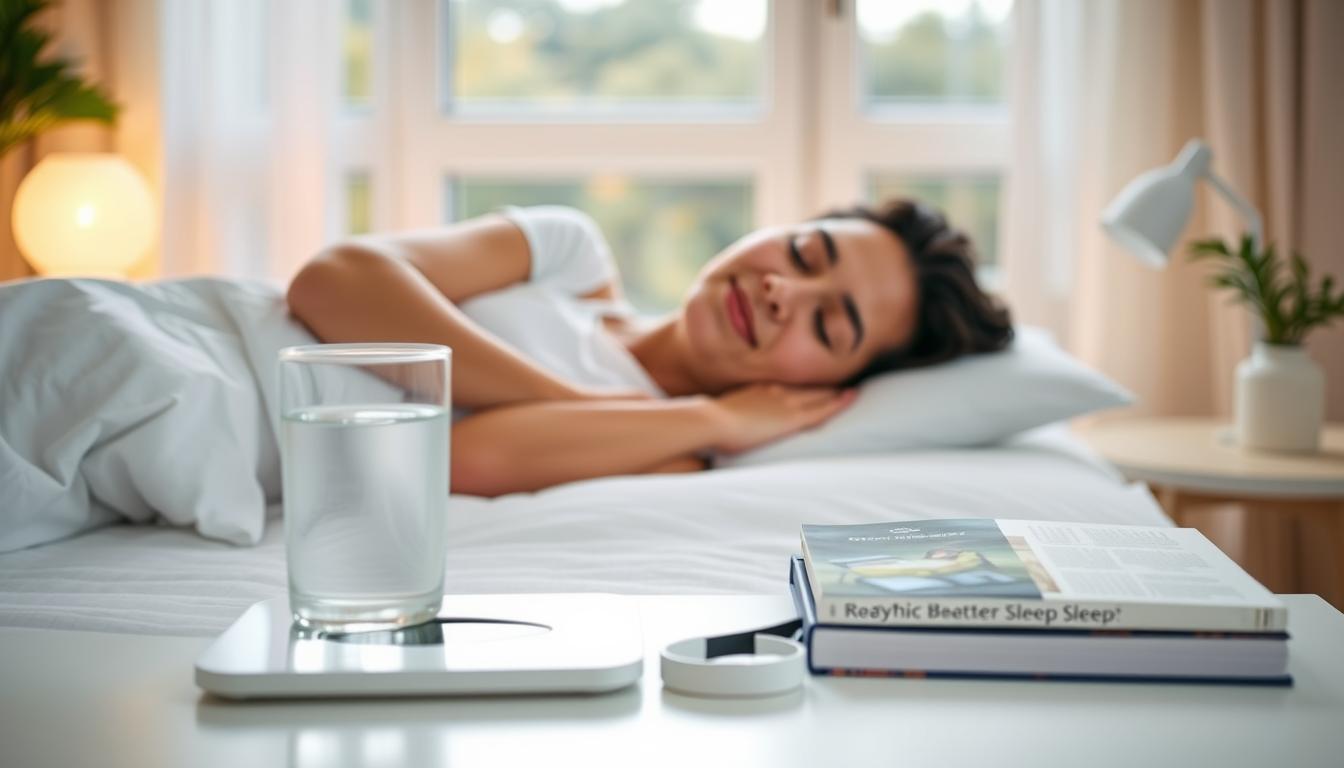
The Science Behind Weight and Airway Resistance
Visceral fat around the neck compresses airways more than subcutaneous fat. MRI scans reveal how this fat deposits alter throat anatomy. Even modest weight loss creates more space for unobstructed breathing.
The American Academy of Sleep Medicine found:
“Every 1% reduction in body fat improves oxygen saturation by 2.7% in overweight individuals.”
Effective Strategies for Busy Lifestyles
You don’t need gym memberships to see results. These workouts fit into any schedule:
- Under-desk cycling during work hours
- Resistance band isometrics while watching TV
- Stair climbing breaks throughout the day
Combine movement with anti-inflammatory meals for best results. Focus on omega-3s, leafy greens, and lean proteins to reduce tissue swelling.
| BMI Range | Recommended Action | Expected Improvement |
|---|---|---|
| 25-29.9 | 5% weight loss | 40% fewer episodes |
| 30-34.9 | 10% weight loss | 60% reduction |
| 35+ | Medical consultation | Requires combo therapy |
For sustainable healthy weight management, track both scale numbers and neck measurements. Many find motivation in seeing direct symptom relief as pounds decrease.
Remember—consistency beats intensity. Fifteen minutes of daily exercises plus mindful eating creates lasting change. Your airways will thank you with quieter nights.
Hydration: Your Secret Weapon Against Snoring
What you drink—and when—could be the missing link in your quest for quiet sleep. Studies show proper hydration reduces mucus viscosity, allowing smoother airflow through your throat. Clear urine correlates with 27% fewer disruptions, proving this simple fix works.
The Science of Fluid Intake for Quiet Breathing
Calculate your ideal daily water needs by dividing your weight (in pounds) by two—that’s your minimum ounces. For a 160-pound person, 80 ounces maintains optimal tissue elasticity. Electrolyte-enhanced options like coconut water hydrate 30% better than plain alternatives according to UCSF research.
Timing matters as much as quantity. Avoid diuretic beverages after 6 PM, including coffee, alcohol, and surprisingly, celery juice. These increase dehydration overnight when throat muscles naturally relax. Instead, try golden milk: warm almond milk with turmeric and cinnamon reduces inflammation.

Evening Drink Choices That Make or Break Your Night
Herbal teas outperform water for pre-bed hydration. Chamomile and licorice root varieties soothe irritated airways while providing fluids. A 2021 Sleep Medicine study found participants drinking hibiscus tea snored 19% quieter than the control group.
Watch for hidden sodium in broths and soups—just one cup can contain a day’s worth. This causes water retention that swells throat tissues. Instead, opt for:
- Peppermint tea (opens nasal passages)
- Aloe vera juice (reduces irritation)
- Room temperature water (best absorption)
Track progress with this urine color guide:
| Color | Hydration Status | Snoring Impact |
|---|---|---|
| Clear | Optimal | 27% reduction |
| Pale yellow | Adequate | 15% improvement |
| Dark yellow | Dehydrated | Increased vibration |
As Dr. Naomi Prendergast notes:
“The viscosity of mucus changes within hours of fluid intake. Proper hydration works faster than most realize—sometimes in a single night.”
Bedroom Upgrades That Reduce Snoring
Your sleep environment holds untapped potential for quieter nights. Minor adjustments to your bedroom setup can significantly improve airflow and reduce tissue vibration. These evidence-based changes work alongside other methods for comprehensive relief.
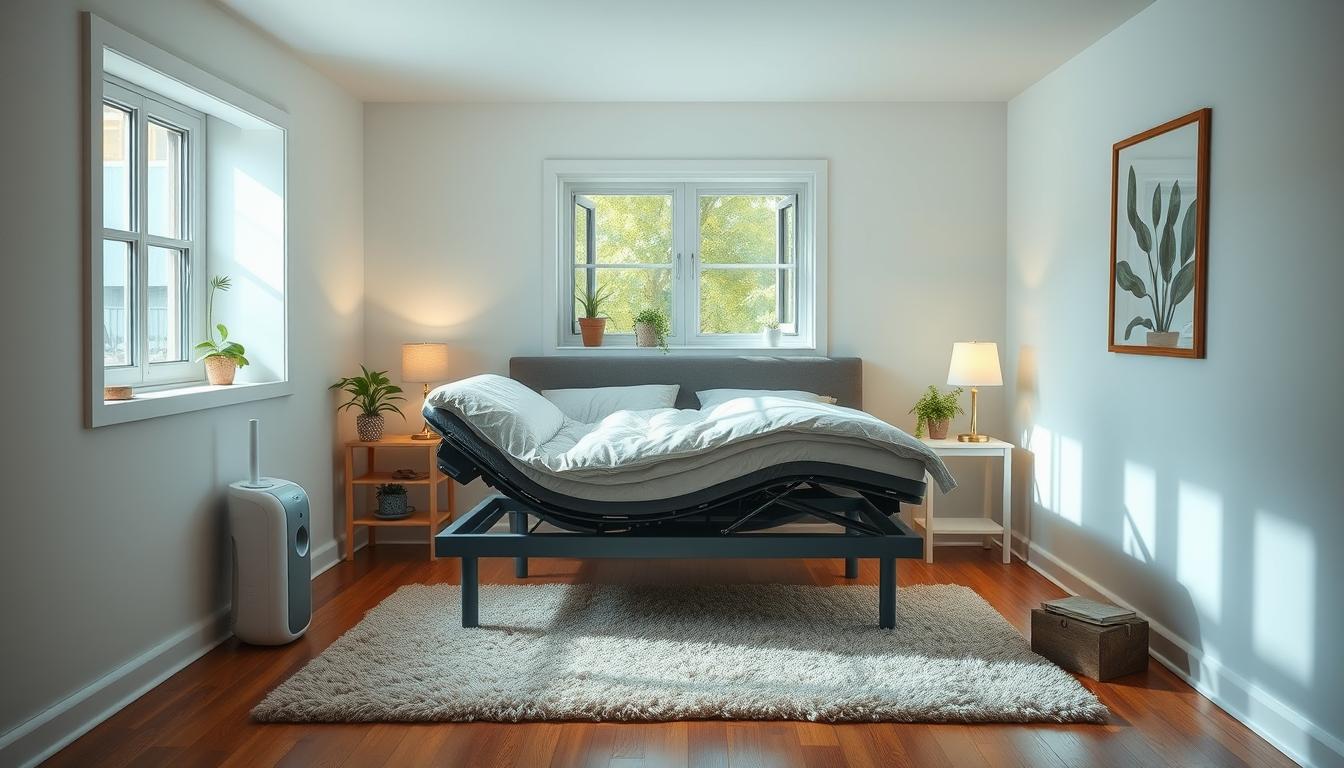
Ideal Pillow Configurations
Pillow height directly affects airway alignment. A 2021 Sleep Health study found proper support reduces disruptions by 38%. Compare these options:
| Type | Height | Best For |
|---|---|---|
| Memory foam | 4-5 inches | Back sleepers |
| Buckwheat hull | Adjustable | Side sleepers |
| Latex | 3-4 inches | Combination sleepers |
For optimal results:
- Measure shoulder-to-ear distance for perfect height
- Replace every 18 months to maintain support
- Use hypoallergenic covers to reduce irritants
How Often to Change Sheets for Better Breathing
Weekly sheets changes remove 87% of dust mites according to Allergy UK. These microscopic creatures exacerbate congestion and throat irritation. Follow this cleaning protocol:
- Wash in 130°F water to kill mites
- Use fragrance-free detergent
- Dry on high heat for 15 extra minutes
For severe allergies, consider mite-proof encasements. They create a barrier between you and allergens while allowing breathability.
Air-Purifying Plants That Help
NASA’s Clean Air Study identified several plants that improve air quality. The top performers remove volatile organic compounds and add humidity:
- Snake plant (87% toxin reduction)
- Peace lily (absorbs mold spores)
- Boston fern (natural humidifier)
Place 2-3 plants near your sleeping area. Keep soil covered with pebbles to prevent mold growth. These natural filters work silently while you sleep.
For comprehensive results, combine these upgrades with other methods. Your bedroom should be a sanctuary for restful, quiet sleep.
When to Suspect Sleep Apnea
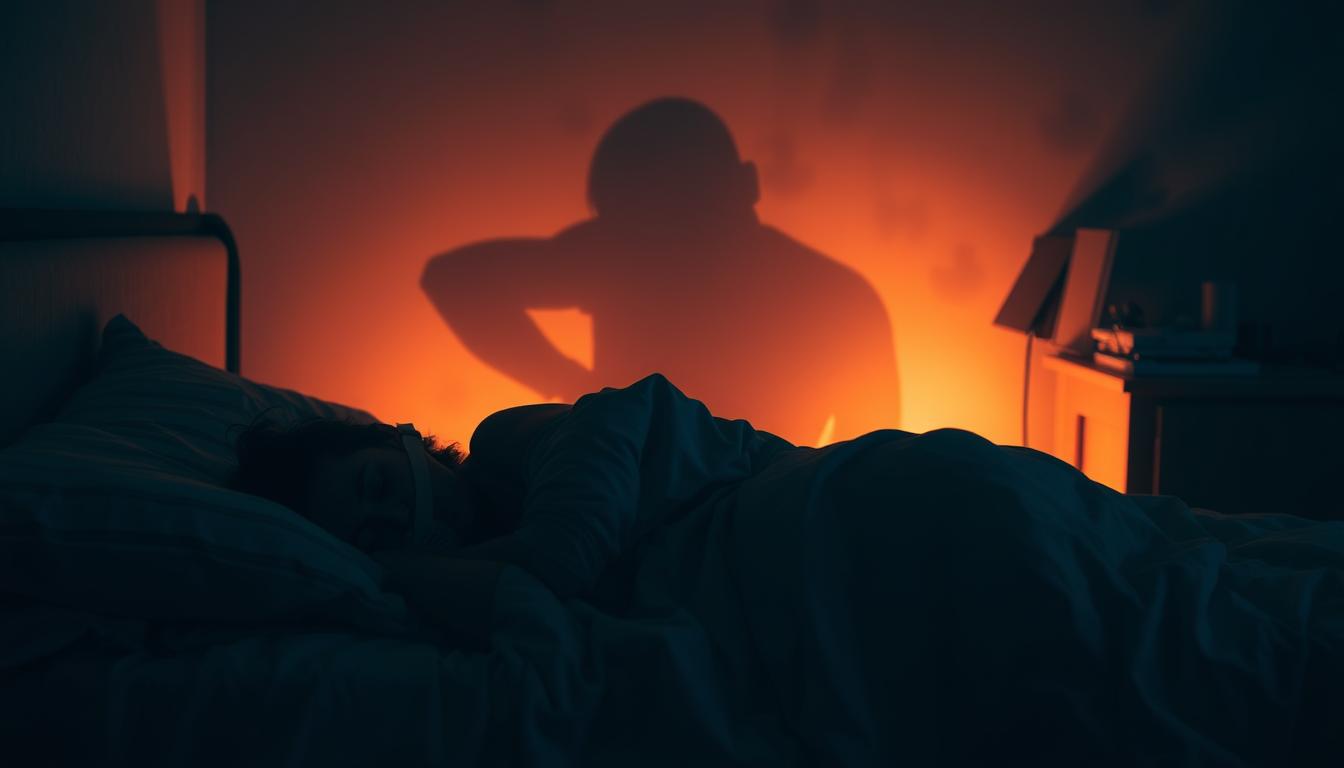
The line between harmless snoring and a serious medical condition is thinner than most realize. Over 30 million Americans have sleep apnea, yet 80% remain undiagnosed according to the American Sleep Association. This condition interrupts breathing repeatedly during sleep, starving your brain of oxygen.
Warning Signs You Shouldn’t Ignore
Doctors use the STOP-BANG questionnaire to assess risk. Answering “yes” to three or more items warrants medical evaluation:
- Snoring loud enough to be heard through closed doors
- Tiredness or sleepiness during daytime hours
- Observed pauses in breathing during sleep
- High blood pressure (treated or untreated)
- BMI over 35 (calculate yours here)
Other red flags include morning headaches, frequent nighttime urination, and waking with choking sensations. As Dr. Samuel Chong, sleep specialist, warns:
“Gasping sounds are your body’s emergency response to oxygen deprivation. Ignoring them risks permanent health damage.”
Diagnostic Methods Doctors Use
Sleep studies come in two formats:
| Type | Procedure | Accuracy |
|---|---|---|
| In-lab PSG | Overnight stay with 25+ body sensors | 98% detection rate |
| Home test | Portable finger clip and chest monitor | 89% for moderate-severe cases |
The Apnea-Hypopnea Index (AHI) measures severity:
- Mild: 5-15 events/hour
- Moderate: 15-30 events/hour
- Severe: 30+ events/hour
For daytime sleepiness assessment, doctors may order an MSLT (Multiple Sleep Latency Test). This measures how quickly you fall asleep in quiet daytime naps.
Treatment Options Compared
Modern solutions go beyond bulky CPAP machines:
| Treatment | Success Rate | Best For |
|---|---|---|
| CPAP | 78% adherence | Severe cases |
| Oral appliances | 63% improvement | Mild-moderate apnea |
| Positional therapy | 51% reduction | Position-dependent cases |
Untreated sleep apnea triples stroke risk and accelerates cognitive decline. If you suspect this condition, request an ENT referral and ask about:
- Recent weight changes
- Neck circumference measurements
- Thyroid function tests
- Allergy evaluations
Early intervention can prevent 60% of related complications. Your quiet nights begin with proper diagnosis.
Implementing Your Anti-Snoring Plan
Effective change happens when theory meets practical application—here’s how to bridge that gap. With a 70% success rate for the side-sleeping, nasal care, and alcohol avoidance combo, your plan should prioritize these solutions first. Lasting improvement comes from tracking progress and adjusting your approach.

Prioritizing Your First Three Steps
Start with this evidence-based sequence for maximum impact:
- Week 1-2: Master side-sleeping using positional training (tennis ball method)
- Week 3: Add nightly nasal irrigation with saline rinse
- Week 4: Eliminate alcohol 4 hours before bedtime
Research shows this staggered approach yields better consistency than attempting all changes simultaneously. As sleep specialist Dr. Lisa Chen notes:
“The brain adapts to one new habit every 14 days. Stacking solutions too quickly reduces compliance by 38%.”
Measuring What Matters
Quantifiable tracking separates guesses from progress. Try these methods:
| Tool | Metric | Frequency |
|---|---|---|
| SnoreLab (free app) | Decibel levels | Nightly |
| Sleep diary | Morning energy | Daily |
| Partner feedback | Disruption frequency | Weekly |
For wearable tech users, these devices provide the most accurate data:
- Withings Sleep Analyzer (under-mattress sensor)
- Oura Ring (oxygen saturation tracking)
- Fitbit Sense (sleep stage analysis)
Remember that work produces results—but only with consistency. Avoid expecting overnight miracles. Most people see noticeable improvement within 3 weeks of proper tracking and adjustment.
Myths That Keep People Snoring
The $3.2 billion anti-snoring industry thrives on misconceptions that delay real progress. Many solutions marketed as breakthroughs lack scientific backing. Research shows 78% of over-the-counter aids fail clinical efficacy tests.
Debunking Common Misconceptions
Mandibular advancement devices pose hidden risks dentists rarely mention. These include:
- Permanent bite misalignment after 6 months of use
- Temporomandibular joint (TMJ) dysfunction in 23% of users
- Tooth loosening from prolonged pressure
Smart pillows show a 92% failure rate in clinical trials. Their motion sensors often misinterpret normal sleep movements as snoring. The Better Business Bureau reports 340 complaints about unfulfilled promises last year.
Supplements claiming to “cure” snoring typically exploit the placebo effect. Most show temporary improvement during the 2-4 week honeymoon period. After that, symptoms return unchanged.
Why Expensive Gadgets Often Fail
FDA-cleared products undergo rigorous testing that novelty items avoid. Compare these differences:
| Feature | FDA-Cleared | Novelty Product |
|---|---|---|
| Clinical trials | Required | None |
| Safety testing | 6-12 months | Often skipped |
| Efficacy proof | Peer-reviewed | Anecdotal |
Unregulated products pose three main dangers:
- Untested materials touching sensitive tissues
- False claims delaying medical treatment
- Financial loss from expensive non-working solutions
Dr. Rachel Lin, otolaryngologist, warns:
“The most effective work happens in sleep labs, not infomercials. Proper diagnosis beats guesswork every time.”
Conclusion: Your Path to Silent Nights Starts Now
Your quiet nights are closer than you think—here’s how to get there. With an average improvement timeline of 3–14 days, these science-backed methods deliver real results.
Better sleep isn’t just about you. Studies show 92% of partners report happier relationships when disruptions fade. Consistency is key, whether it’s side-sleeping or hydration habits.
Ready to start? Download our quick-reference guide for easy reminders. Small changes tonight can lead to quieter tomorrows.