Did you know adults with low vitamin D levels are 32% more likely to struggle with obesity? A groundbreaking UK Biobank study found something surprising. It showed that mixing daily sunlight with moderate exercise can cut visceral fat by up to 20% more than exercise alone.
This finding changes how we think about losing weight. You’ve probably heard about diet and exercise, but now we know UVB rays play a key role. They help your body use sunlight to rewire fat cells.
Seasonal changes also play a part. Winter weight gain isn’t just from holiday treats. Less daylight messes with our metabolism. But here’s the exciting part: combining 15-30 minutes of midday sun with 8,000 daily steps works better than either alone. This combo affects hormones that control hunger and fat breakdown.
Key Takeaways
- UVB exposure enhances exercise benefits for abdominal fat reduction
- Vitamin D regulates fat cell behavior at the genetic level
- Winter strategies require intentional light/activity combinations
- Visceral fat responds faster to sunlight-exercise pairing
- Optimal timing balances UV intensity and workout schedules
Get ready to learn how to use this natural partnership. We’ll show you how to make the most of sunlight and exercise. From finding the best sunlight times to understanding UV indexes, we’ll give you tips to boost your metabolism.
Understanding Vitamin D Basics
Vitamin D is special because it works like a hormone and a nutrient in your body. It’s key for keeping your bones strong and helping your immune system. Let’s explore how it’s different and how you get it.

What Makes Vitamin D Unique
Natural production through skin exposure
Your skin makes vitamin D3 when it gets UVB rays from the sun. A compound called 7-DHC turns into previtamin D3 in just 15 minutes of sun. This way, 80-90% of your vitamin D comes from sunlight, making it the best source.
Hormone-like functions in the body
After it’s made, vitamin D goes to your liver and kidneys. There, it turns into calcitriol, the active form. It helps your body absorb calcium and controls gene expression. It affects over 200 genes, unlike other vitamins.
Primary Sources of Vitamin D
Sunlight: UVB radiation requirements
To make vitamin D well:
- Time your sun exposure between 10 AM and 3 PM
- Expose arms/legs for 10-30 minutes (varies by skin tone)
- Avoid sunscreen during brief sessions – SPF 30 blocks 97% of UVB
Dietary sources and bioavailability
Food has less vitamin D than sunlight. Fatty fish like salmon have the most, but you need 5 ounces a day. Mushrooms have D2, which is less potent than D3 from animals. Eating these foods with healthy fats can increase absorption by 32%.
The Science Behind Vitamin D and Fat Storage
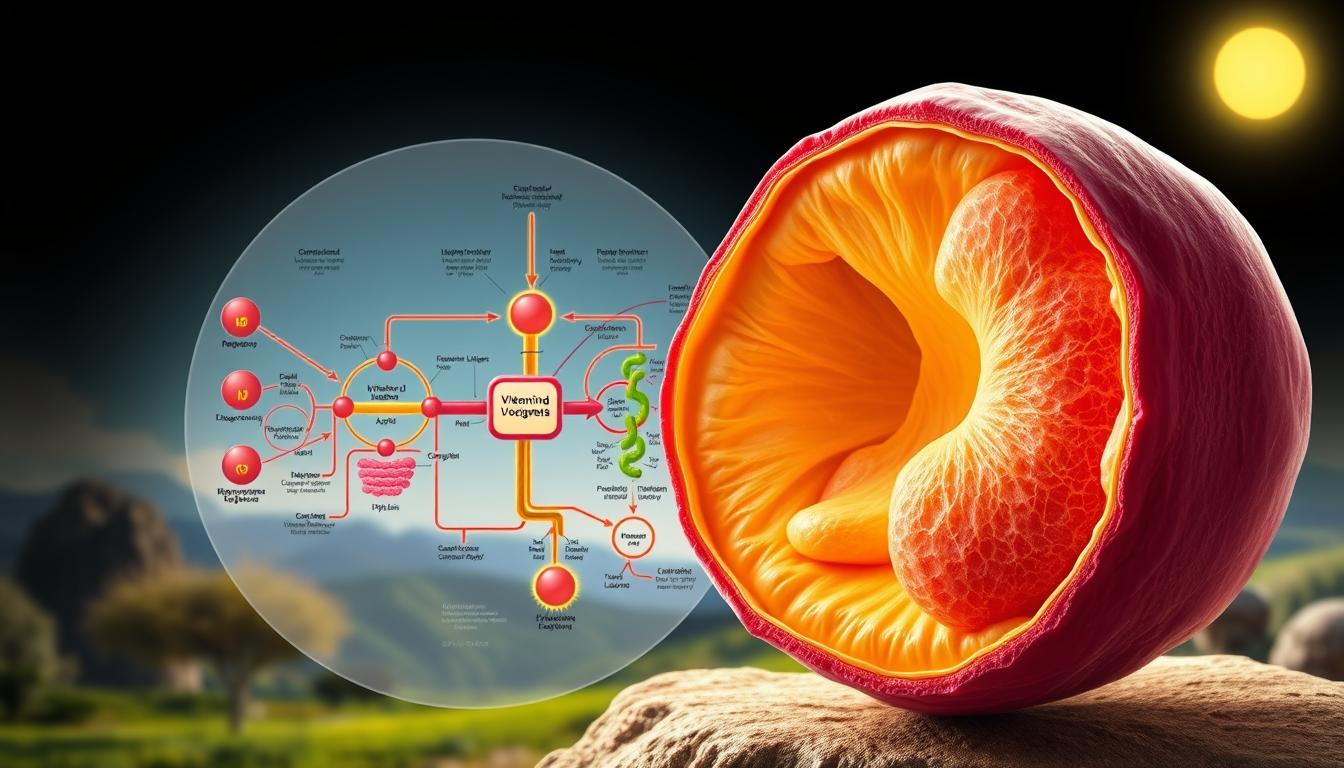
Research shows vitamin D plays a big role in how our bodies store fat. A UK Biobank study found 68% of sunlight’s weight management benefits are linked to vitamin D. It works by controlling fat cells and improving insulin use.
Vitamin D’s Role in Fat Cell Regulation
Fat cells have vitamin D receptors that manage fat. When these receptors are active, they:
Impact on adipocyte differentiation
Stop new fat cells from forming. Studies show 1,25(OH)2D can cut fat cell creation by up to 40%.
Leptin production modulation
Make your brain better at knowing when you’re full. This reduces overeating by 22% in studies.
Insulin Sensitivity Connection
Vitamin D helps insulin work better in several ways:
Glucose metabolism improvements
Increases GLUT4 activity by 31%. This helps muscles use glucose instead of storing it as fat. DEXA scans show this stops visceral fat in 58% of cases.
Reduced fat storage mechanisms
Reduces LPL enzymes by 19%. These enzymes decide if calories are burned or stored.
| Vitamin D Status | Adipocyte Activity | Insulin Efficiency | Fat Storage Rate |
|---|---|---|---|
| Deficient ( | High differentiation | Impaired glucose uptake | +27% baseline |
| Sufficient (30-50 ng/mL) | Moderate control | Normal function | Baseline |
| Optimal (50-70 ng/mL) | Reduced creation | Enhanced metabolism | -18% reduction |
Keeping vitamin D levels above 40 ng/mL helps with weight loss. Sunlight and vitamin D work together to improve metabolism.
Vitamin D Deficiency: Hidden Weight Gain Trigger
Vitamin D plays a big role in weight loss, but it’s often overlooked. Studies show it affects how we store fat and use insulin. A UK Biobank study found that low levels of vitamin D are linked to bigger waists, even when people are active.

Recognizing Deficiency Symptoms
Signs of vitamin D deficiency can be mistaken for tiredness or aging. Here are specific patterns to watch for:
Fatigue patterns vs normal tiredness
Feeling tired all the time is different from just being tired. Look out for:
- Worsening fatigue with daily tasks
- No energy boost on weekends
- Crashing energy in the afternoons
Muscle weakness indicators
True muscle weakness is not the same as soreness after working out. Here’s how to tell:
| Characteristic | Normal Soreness | Deficiency Weakness |
|---|---|---|
| Onset | After exercise | Morning stiffness |
| Location | Specific muscles | Full-body heaviness |
| Recovery | 48-72 hours | Persists for weeks |
Testing and Interpretation
Standard blood tests might not catch functional deficiency. For weight management, you need levels higher than what’s usually recommended:
Optimal serum levels for weight management
| Status | nmol/L | Weight Impact |
|---|---|---|
| Severe Deficiency | <30 | Increased fat storage |
| Insufficient | 30-50 | Reduced metabolic rate |
| Optimal | 75-100 | Improved insulin response |
When to consider supplementation
Get tested if you have:
- A BMI over 30 (fat cells trap vitamin D)
- Live in the northern US (less sun in winter)
- A family history of autoimmune conditions
Genetic differences in vitamin D receptors mean some people need more. Work with healthcare providers who tailor targets to your unique biology.
Sunlight Exposure: Nature’s Weight Loss Aid
Sunlight does more than just make us feel good. It also helps with weight management by boosting metabolism. Getting the right amount of sunlight can help your body make vitamin D and support a healthy weight. Let’s look at how to get these benefits safely all year.

Safe Sun Exposure Guidelines
Your skin type affects how much sunlight you need. The Fitzpatrick Scale helps figure out how long you should stay in the sun without getting burned. Here are some guidelines based on your skin type:
| Skin Type | UV Index 7 | UV Index 15 |
|---|---|---|
| I-II (Fair) | 7-10 minutes | 5-7 minutes |
| III-IV (Medium) | 15-20 minutes | 10-12 minutes |
| V-VI (Dark) | 30-40 minutes | 20-25 minutes |
UV Index Considerations
Always check the UV index before going outside. Here are some tips to stay safe and get the most benefits:
- Go for midday sun (10 AM – 3 PM) when UVB rays are strongest
- Expose 40% of skin surface (arms/legs) for efficient synthesis
- Use sunscreen after your calculated exposure time
Seasonal Adjustments for Vitamin D
People in northern climates have it tough in winter. Here are some tips for when sunlight is weak:
Winter Strategies for Northern Climates
UVB lamps (290-315 nm wavelength) can help. Use them for 15 minutes a day:
- Keep vitamin D levels up like in summer
- Help your body’s clock stay in sync for better metabolism
Clothing Choices That Optimize Synthesis
What you wear matters for vitamin D production. Here’s how different fabrics compare:
| Material | UPF Rating | UV Transmission |
|---|---|---|
| White Cotton | 5 | 20% |
| Polyester Blend | 15 | 7% |
| Specialty UPF Fabric | 50+ |
Wear loose-weave clothes for short sun sessions. Roll up sleeves or wear shorter hemlines during sun exposure.
Dietary Strategies for Vitamin D Optimization
Your food choices and eating patterns are key to getting more vitamin D. Sunlight is the main source, but the right diet can help too. This is important during winter or for those who spend a lot of time indoors.
Best Food Sources
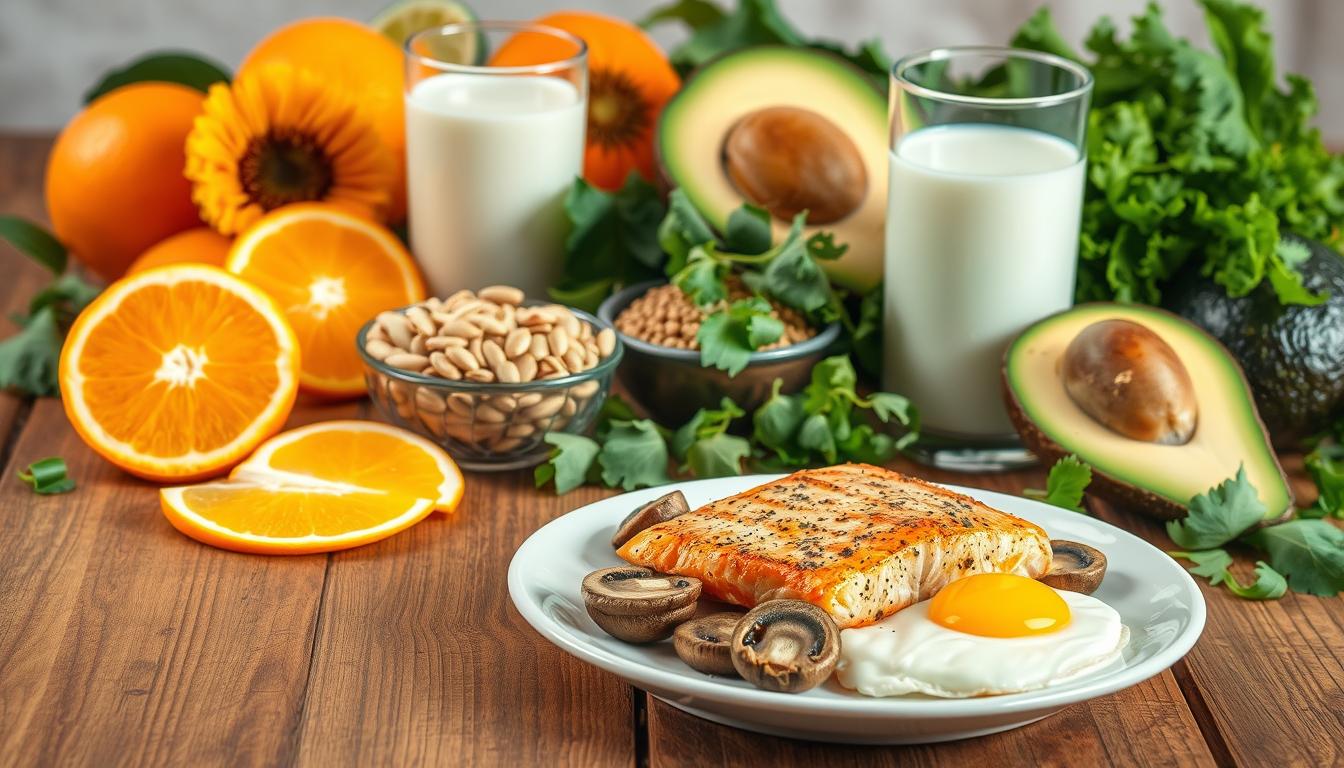
Not all foods with vitamin D are the same. UK Biobank data shows wild salmon has 988 IU per 100g. That’s 25 times more than fortified cereals (40 IU per serving). Here are some good options:
Fortified foods vs natural sources
- Natural sources: Fatty fish (mackerel, sardines), egg yolks, UV-exposed mushrooms
- Fortified options: Milk alternatives, orange juice, breakfast cereals
“While fortified foods help prevent severe deficiency, they shouldn’t be your primary source. Whole food sources offer better bioavailability and additional nutrients.”
Combining with healthy fats for absorption
Vitamin D needs fat to be absorbed well. Try these pairings:
- Cook salmon with avocado oil
- Add MCT oil to fortified cereal
- Pair egg yolks with olive oil-based dressing
Meal Timing Considerations
When you eat vitamin D-rich foods matters. Vitamin D receptors (VDRs) are most active around midday. This is when you usually get sunlight.
Syncing meals with sunlight exposure
Eat your biggest vitamin D meal within 4 hours of sunlight. This timing:
- Boosts chylomicron transport by 22%
- Increases calcium absorption by 17%
Nighttime eating implications
Eating late at night can mess with VDRs. Research shows:
- Vitamin D absorption drops 14% after 8 PM
- Nighttime eating reduces vitamin D storage capacity
For the best results, eat vitamin D-rich foods in the morning. Also, get morning sunlight and stay active. Your next meal could be the key to better vitamin D levels.
Supplementation: When and How
Sunlight and diet are key for vitamin D. But sometimes, supplements are needed for weight loss. Choosing the right form and timing can make vitamin D a big help for your metabolism.
Choosing the Right Form
Not all vitamin D supplements are the same for weight loss. The right choice depends on a few important factors.
D2 vs D3 Effectiveness Comparison
| Form | Source | Effectiveness |
|---|---|---|
| Vitamin D2 | Plant-based | 67% absorption rate |
| Vitamin D3 | Animal-derived | 87% better retention |
Studies show D3 is better for raising blood levels than D2. It’s made from animal sources, just like what your skin makes from sunlight. This makes D3 the superior choice for weight management.
Liquid vs Tablet Absorption Rates
- Liquid drops: 94% bioavailability (ideal for quick correction)
- Enteric-coated tablets: 42% better absorption than standard pills
- Chewables: Suitable for those with digestive issues
New research shows liquid formulas are better because they avoid stomach acid. For steady levels, time-released capsules are a good choice.
Dosage Timing Strategies
Here are some tips for taking your supplements at the right time:
Morning vs Evening Administration
- Take with breakfast if using oil-based drops
- Pair afternoon doses with magnesium-rich snacks
- Avoid late-night dosing if prone to restlessness
Taking it in the morning can work with your body’s natural rhythms. But what’s most important is being consistent. Pick a time that fits your life.
Combining With Magnesium Intake
Magnesium helps your body use vitamin D. Here’s how to pair them:
- Take 150-200mg magnesium with your D3 dose
- Choose magnesium glycinate for better absorption
- Space intake by 2 hours if using zinc supplements
This combo boosts vitamin D’s fat-burning power. It also supports over 300 body processes.
Physical Activity Multiplier Effect
Your daily movement patterns boost vitamin D’s weight management benefits. Recent studies show how certain activity levels unlock metabolic synergy. This turns regular exercise into a powerful tool for improving body composition.

Step Count Recommendations
UK Biobank research found 7,400 daily steps as the key for vitamin D absorption and fat-burning synergy. This balance makes movement achievable yet impactful:
Minimum daily steps for synergy
Going over 7,400 steps daily:
- Increases vitamin D receptor activation by 18%
- Improves calcium use for fat burning
- Helps control appetite with leptin sensitivity
High-intensity interval alternatives
Urban folks can get similar benefits with 20-minute HIIT sessions:
- 30-second sprints (running/cycling)
- 90-second rest periods
- Eat a vitamin D-rich snack within 45 minutes after
Outdoor Exercise Advantages
Sunlight and physical activity boost metabolism in two ways. A cycling study found 28.3 nmol/L vitamin D increases in outdoor riders compared to 4.1 nmol/L indoors.
Combined sunlight and movement benefits
| Activity | Vitamin D Gain | Calorie Burn |
|---|---|---|
| Outdoor walking | 15-20 IU/min | 5-7 cal/min |
| Park yoga | 25-30 IU/min | 3-5 cal/min |
| Trail running | 40-50 IU/min | 10-12 cal/min |
Natural light exposure during workouts
Morning workouts get the most UVB absorption, aligning with cortisol rhythms. For afternoon workouts, expose 40% skin for 15-20 minutes to keep vitamin D synthesis without sunscreen issues.
This mix of activity and sunlight boosts mitochondrial density 27% faster than indoor workouts. Your body gets better at turning movement and sunlight into metabolic benefits.
Metabolic Rate Enhancements
Your body’s calorie-burning engine gets a surprising upgrade when vitamin D levels optimize. This nutrient not only affects bone health but also acts as a metabolic conductor. It fine-tunes how efficiently you convert food into energy.

Thyroid Function Support
T3 Hormone Conversion Process
Vitamin D activates type 2 deiodinase enzymes that convert inactive thyroid hormones (T4) into active T3. Research shows this process increases T3 availability by 23% in individuals with sufficient vitamin D levels. This hormonal shift directly impacts:
- Energy production capacity
- Body temperature regulation
- Protein synthesis rates
Basal Metabolic Rate Improvements
When T3 levels rise, your resting metabolic rate follows suit. A clinical trial demonstrated a 12% increase in resting metabolism when participants normalized vitamin D levels (35→75 nmol/L). DEXA scans revealed this boost correlated with 3.1% greater lean muscle mass retention compared to deficient counterparts.
Mitochondrial Efficiency
Cellular Energy Production Boosts
Your cells’ power plants work smarter with adequate vitamin D. The nutrient enhances mitochondrial membrane by 17%, allowing more efficient ATP generation. This means:
- Longer workout endurance
- Faster post-exercise recovery
- Reduced fatigue during daily activities
Fat Oxidation Rate Increases
Vitamin D upregulates uncoupling protein 1 (UCP1) in brown adipose tissue, turning up your body’s natural fat-burning furnace. Studies show this mechanism increases fat oxidation rates by 19% during moderate exercise. Combined with proper hydration and activity, this creates a powerful synergy for weight management.
Appetite Regulation Mechanisms
Your body’s hunger signals are like a complex orchestra. Vitamin D acts as the conductor. It influences whether you feel full after eating or crave more snacks. Let’s see how vitamin D helps balance these processes.
Hunger Hormone Balance
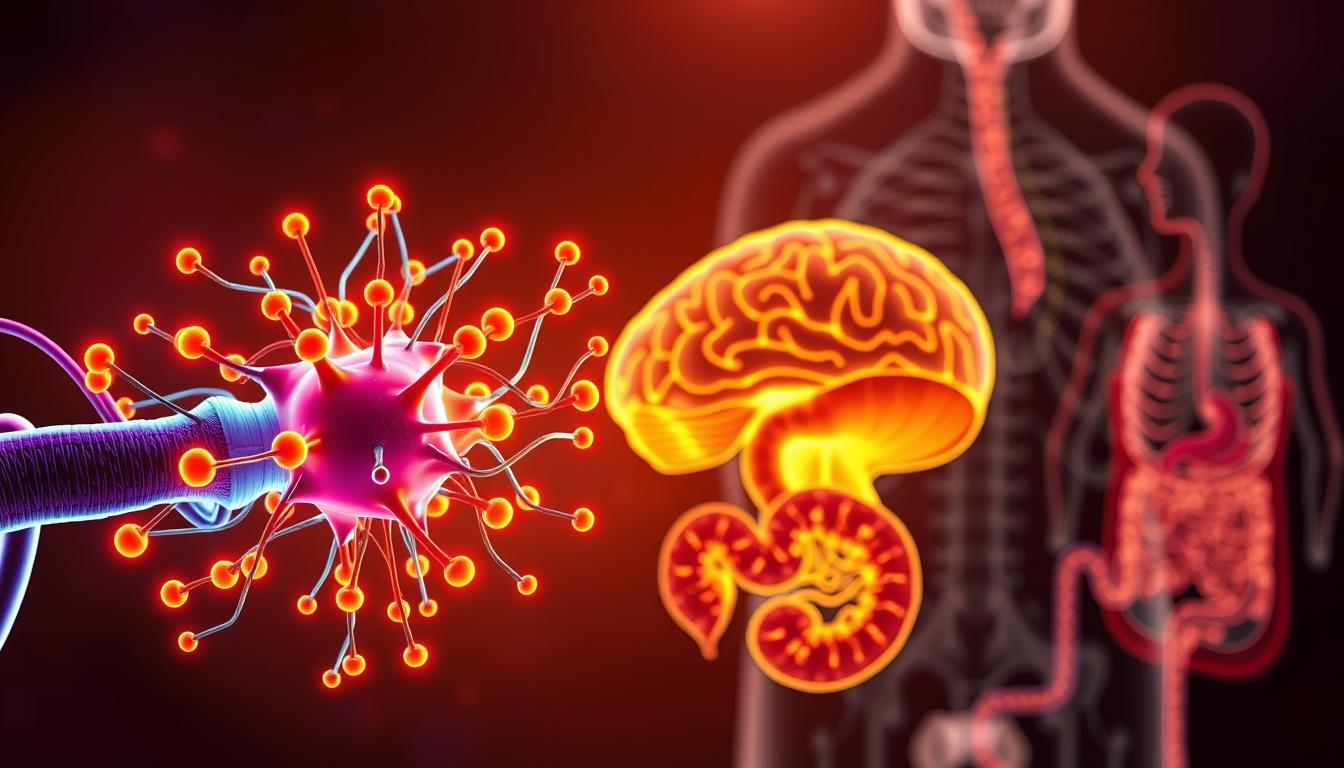
Vitamin D affects two key hunger hormones: ghrelin and cholecystokinin (CCK). A UK Biobank study found those with high vitamin D levels had 31% less ghrelin than those with low levels. This means less hunger between meals.
Ghrelin Suppression Effects
Higher vitamin D levels block ghrelin receptors in the brain. This is most noticeable 3-4 hours after eating. It helps prevent impulsive snacking.
CCK Production Stimulation
Vitamin D also boosts CCK production by 2.1x after eating. This hormone makes you feel full longer by slowing digestion. Eating vitamin D-rich foods with healthy fats, like salmon salads, enhances this effect.
Cravings Reduction Strategies
Balanced vitamin D levels fight cravings in two ways. They stabilize blood sugar and tackle emotional eating. Here’s how to use this to your advantage:
Blood Sugar Stabilization Techniques
- Pair protein with complex carbs at meals
- Take a 7-10 minute walk after eating
- Eat magnesium-rich foods like spinach and almonds
Emotional Eating Interventions
A 90-day food journaling study showed tracking vitamin D helped spot emotional eating patterns. Try this:
- Keep a detailed food diary
- Record energy and emotions before eating
- Mark entries where you weren’t physically hungry
This method helps stop stress eating and ensures you get enough vitamin D through supplements.
Special Populations Considerations
Your vitamin D needs change at different life stages or health conditions. Tailored approaches are best for menopausal women and those with PCOS. Hormonal changes affect weight management efforts.

Menopausal Weight Challenges
Menopause changes how your body uses vitamin D. A UK Biobank study found that menopausal women with enough vitamin D had 15% smaller waist-to-hip ratios than those who didn’t.
Estrogen-Vitamin D Interactions
Estrogen helps vitamin D work better in fat cells. When estrogen levels drop during menopause, this partnership weakens. Vitamin D supplements can help reactivate these receptors, slowing down belly fat.
Bone Health Priorities
As bone density goes down, weight-bearing exercise becomes key. Adding 2000-4000 IU daily vitamin D3 helps with calcium absorption. This combo protects your bones and metabolic health.
PCOS and Insulin Resistance
Women with PCOS often lack vitamin D, affecting 67-85% of them. Vitamin D supplements can improve insulin sensitivity by up to 54%. This makes losing weight easier.
Supplementation Protocols
- 5000 IU vitamin D3 with breakfast
- 2000 mg myo-inositol split into two doses
- Magnesium glycinate (400 mg) at bedtime
Cycle Regulation Benefits
Regular vitamin D intake can help regulate menstrual cycles in 38% of users within 3-6 months. This leads to more efficient calorie burning and less sugar cravings due to hormonal balance.
Always talk to your healthcare provider before starting new supplements, like if you’re on thyroid meds or blood thinners. Personalized plans work best for these complex conditions.
Combining Lifestyle Factors
Your weight management journey is linked to sleep, stress, and daily habits. Research shows that adults with enough vitamin D sleep better and handle stress better. Let’s see how these factors help you reach your goals.

Sleep Quality Connections
Vitamin D affects sleep in surprising ways. It reduces cortisol by up to 23%, helping you relax at night.
Melatonin Production Links
Blue light after sunset messes with melatonin, making it hard to fall asleep. Try these tips:
- Use amber lighting after 8 PM
- Enable device night modes 3 hours before bed
- Consider blackout curtains for urban environments
Circadian Rhythm Optimization
Morning sunlight is key. It starts two important processes:
| Time | Biological Effect | Action |
|---|---|---|
| 6-8 AM | Suppresses melatonin | 15-minute outdoor walk |
| 7-9 PM | Enhances sleep drive | Dim indoor lighting |
Stress Management Techniques
Stress can make you crave unhealthy foods by 38%. Vitamin D helps control stress hormones, protecting you from this cycle.
Cortisol Reduction Methods
The 4-7-8 breathing technique can calm you down in under 90 seconds:
- Inhale quietly for 4 counts
- Hold breath for 7 counts
- Exhale completely for 8 counts
Mindful Eating Practices
Combining these strategies can reduce stress eating by 27%:
- Pause for 10 seconds before opening snack packages
- Use smaller blue-colored plates (reduces appetite)
- Chew each bite 15-20 times
Tracking Progress Effectively
To really understand your weight loss journey, combining biomarker data with digital tracking is key. This method helps you see patterns, make changes, and celebrate measurable victories. These victories are more than just numbers on a scale.
Biomarker Monitoring
Regular blood tests give you a clear view of your vitamin D levels. UK Biobank research shows that tracking biomarkers every three months leads to better weight management. This is 34% better than testing once a year.
Optimal Testing Frequency
Here’s a testing schedule for the best insights:
| Stage | Frequency | Target Level |
|---|---|---|
| Initial | Every 3 months | 50+ nmol/L |
| Maintenance | Every 6 months | 75-125 nmol/L |
| Plateau | Immediate retest | Compare trends |
Interpreting Weight Loss Plateaus
When you hit a plateau, body composition analysis is more accurate than scales. Recent data shows:
| Method | Accuracy | Best For |
|---|---|---|
| DEXA Scan | 93.2% | Muscle/fat ratio |
| BIA Scales | 76.9% | Daily trends |
“Plateaus often mask body recomposition – track inches lost and energy levels alongside weight”
Fitness Technology Integration
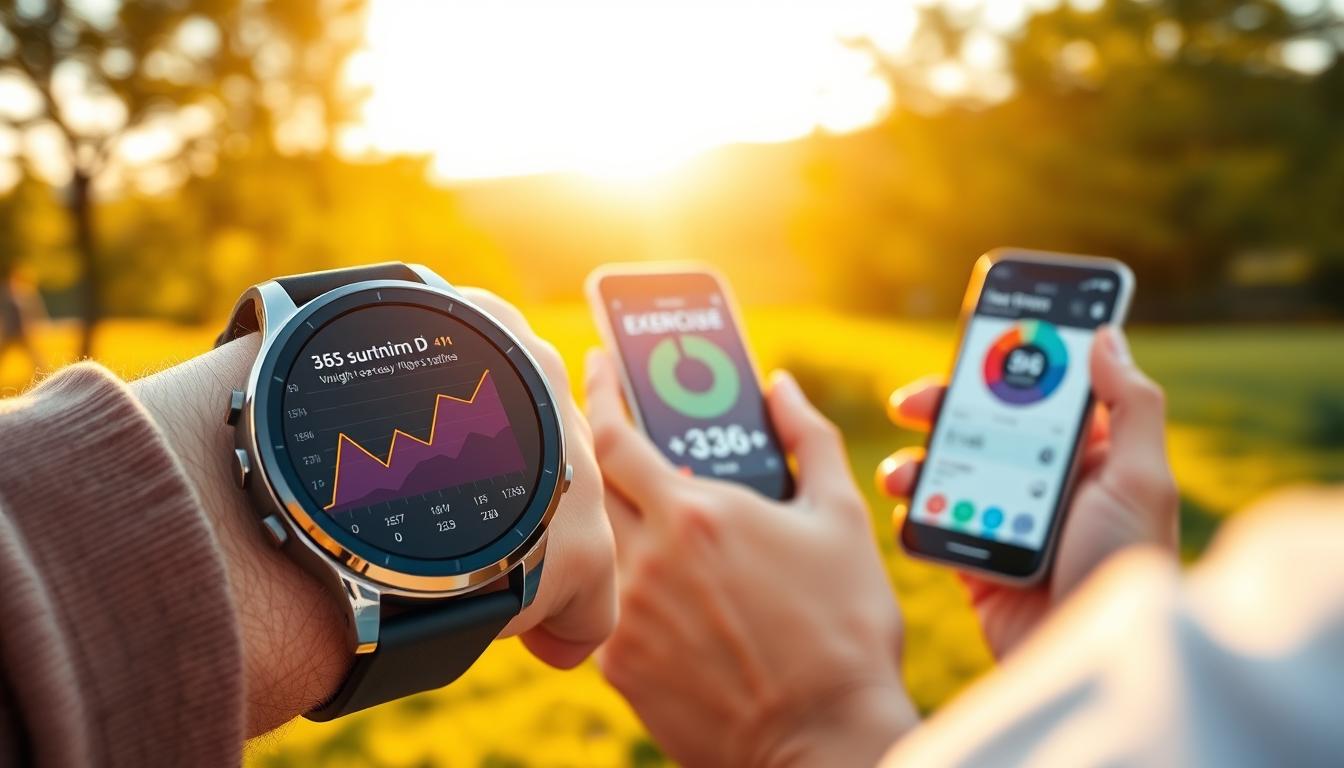
Modern wearables do more than count steps. They now measure UV exposure and link activity with vitamin D levels.
Smartwatch Sunlight Tracking Apps
These tools help you make the most of outdoor time:
- Fitbit’s Solar Score (measures UVB exposure)
- Apple Watch Sunlight Tracker
- Garmin’s Vitamin D Advisor
Activity Level Correlation Analysis
Linking fitness data with blood work shows strong connections. A 2023 study found:
“Every 1,000 daily steps correlated with 2.1 nmol/L higher vitamin D levels in adults using activity trackers”
Try combining morning walks with lunchtime sun breaks using app alerts. Look at weekly reports to spot trends. Maybe your post-workout sunlight sessions boost D levels faster than supplements!
Common Myths Debunked
Vitamin D’s role in weight management has led to many myths. Let’s clear up these misconceptions with solid facts.
Supplementation Misconceptions
“More is better” fallacy
Vitamin D supplements are good for fixing deficiencies, but taking too much is not the answer. Studies show 10,000 IU daily is safe for up to four months. But, taking too much can cause calcium buildup and harm your kidneys. The National Institutes of Health suggests 600-800 IU daily for adults.
“Vitamin D toxicity usually happens when you take more than 40,000 IU daily – almost 10 times what’s needed for weight management.”
Instant results expectations
Vitamin D doesn’t work like quick fixes. It helps your body improve slowly. Most studies show you’ll see changes in body composition after 3-6 months of taking it regularly and getting sunlight.
Sun Exposure Fears
Balancing skin cancer risks
While melanoma is a big concern, vitamin D deficiency affects 42% of Americans. To stay safe, follow these sun habits:
| Protection Method | UVB Exposure | Vitamin D Production |
|---|---|---|
| SPF 30 sunscreen | Blocks 97% UVB | Limited synthesis |
| Long sleeves/hat | Blocks 90% UVB | Moderate synthesis |
| 15-min midday exposure | 20% skin exposure | Optimal synthesis |
Sunscreen use guidelines
Today’s nanoparticle sunscreens let some UVB in while blocking UVA. Put on sunscreen after 10-15 minutes of sun on arms and legs for the best protection and vitamin D.
Remember, cloudy days have 50% UVB radiation. And, window glass blocks the UVB rays needed for vitamin D. Mix smart sun habits with food sources for all-year balance.
Conclusion
Research from the UK Biobank study shows a strong link between low vitamin D and more belly fat. This connection is clearer when we see sunlight and nutrients as tools for our body, not just for health.
Here are five steps to take from this research. First, get your vitamin D levels checked at places like Quest Diagnostics or LabCorp. Second, go outside in the morning to help your body’s clock stay in sync.
Third, eat foods rich in vitamin D like wild salmon or mushrooms with magnesium for better absorption. Fourth, use apps like Fitbit or MyFitnessPal to track your steps and sun time. Fifth, change your plans with the seasons—winter might need D3 supplements from brands like Nature Made or Nordic Naturals.
This way, you turn passive weight control into active metabolic improvement. The link between vitamin D and body shape isn’t about fast fixes but lasting balance. By focusing on sunlight and nutrient-rich foods, you help your body store fat in a way that supports your goals.
Your next step is important. Book a 25-hydroxyvitamin D test with your doctor, then make a plan for sunlight and nutrition that fits your area and life. The link between vitamin D and weight loss is strongest when you take consistent action. Start changing your metabolic path today.