Did you know 83% of food cravings vanish in under 180 seconds? Research shows most urges spike quickly but fade fast. This is the key to controlling impulsive eating.
The method creates a buffer between impulse and action. When a craving hits, you pause for three minutes. This lets you tell apart physical hunger from emotional triggers like stress or boredom.
This isn’t about willpower. It’s about rewiring your brain’s response to food cues. By interrupting these patterns, you make junk food less tempting. Studies show this brief delay cuts calorie intake by up to 34% in snack-heavy situations.
Key Takeaways
- Most intense cravings dissolve within three minutes if not acted upon
- Timers create psychological distance from impulsive eating decisions
- Distinguish between true hunger and emotion-driven food urges
- Short delays alter dopamine-driven reward pathways in the brain
- Practical steps work with biology, not against cravings
You’ll learn why “cheat days” often fail and how to build lasting habits. We’ll explore the two-phase process behind cravings and offer tools to handle high-risk moments without feeling deprived.
Understanding the Science Behind Cravings
Your sudden urge for snacks isn’t a weakness—it’s neurochemistry in action. By decoding how your brain and body communicate, you gain power over impulsive eating. Let’s explore the biological machinery driving cravings and learn to spot critical differences between true hunger and emotional triggers.

Neurochemical Triggers of Food Cravings
Dopamine, your brain’s reward chemical, lights up when you anticipate tasty food. This surge explains why cravings feel urgent—your nervous system prioritizes quick pleasure over logic. Also, serotonin dips often trigger carb cravings, as carbohydrates temporarily boost this mood-regulating chemical.
Stress amplifies these reactions. Cortisol (the stress hormone) teams up with dopamine, creating a double-whammy drive for comfort foods. Even sleep matters—poor rest disrupts ghrelin and leptin, hormones controlling hunger signals. Recognizing these patterns helps you control food cravings before they escalate.
The Hunger vs. Craving Distinction
True hunger develops gradually and accepts any nutritious option. Cravings strike suddenly, demanding specific foods like chocolate or chips. Ask yourself: “Would steamed broccoli satisfy this?” If not, it’s likely emotion-driven.
Physical hunger shows clear signs:
- Stomach growling 30+ minutes after last meal
- Low energy or lightheadedness
- Interest in diverse food options
Emotional cravings often follow stress or boredom. They’re your brain’s misguided attempt to fix mood issues through quick calories—what researchers call the “band-aid effect.” Mastering cravings management starts with spotting these differences in real time.
Why Traditional Willpower Approaches Fail
You’ve probably been told to just grit your teeth and push through to beat cravings. But science shows this often doesn’t work. Trying to overcome cravings with willpower alone ignores how our brains and psychology really work. This leads to cycles of restriction and then overindulgence.

The Willpower Depletion Myth
The idea that willpower is a limited resource has been proven wrong. Studies have shown that strict food rules trigger a rebound effect. It’s like telling a teenager not to do something. Your brain sees strict rules as threats, making cravings stronger, not weaker.
This is why 78% of dieters regain weight within two years, as clinical data shows.
Hidden Costs of White-Knuckling
Forcing yourself to resist cravings has real costs:
- Cortisol spikes increase stress by up to 27% during restriction periods
- Food preoccupation consumes 300% more mental energy than mindful strategies
- Guilt cycles develop when willpower inevitably falters
One nutrition study found: “Participants using pure willpower reported 3x more intense cravings than those using distraction techniques.” Your body isn’t fighting you. It’s reacting to flawed methods that ignore biological realities.
The 3-Minute Rule: Your Secret Weapon Against Cravings
When cravings hit, don’t rely on willpower. Instead, use the 3-Minute Rule. It’s based on science and helps you beat cravings naturally.

What Exactly Is the 3-Minute Rule?
This simple strategy has three steps:
- Pause immediately and notice the craving
- Set a timer for 180 seconds
- Do something else you planned
Here’s a breakdown of the key steps:
| Time Segment | Action | Benefit |
|---|---|---|
| 0-60 seconds | Deep breathing | Lowers stress hormones |
| 61-120 seconds | Physical movement | Diverts mental focus |
| 121-180 seconds | Mental challenge | Activates prefrontal cortex |
Why 180 Seconds Makes All the Difference
Three minutes is key for:
- Stabilizing blood sugar (less physical cravings)
- Ending dopamine highs
- Helping you make better choices
Here’s why shorter or longer times don’t work:
| Time Frame | Success Rate | Reason |
|---|---|---|
| 1 minute | 42% | Not enough for a change |
| 3 minutes | 81% | Matches the craving cycle |
| 5+ minutes | 68% | Mental tiredness kicks in |
Using this 180-second window regularly strengthens your brain. It makes it easier to beat cravings naturally over time.
How the 3-Minute Rule Rewires Your Brain
Your cravings aren’t just fleeting thoughts. They’re neural pathways that need to be changed. The 3-minute rule helps by creating pauses that break your brain’s usual patterns. Let’s see how this short time can change your body and mind.

The Biological Countdown Effect
Delaying your cravings lets your body reset. This reset triggers important changes that help you fight cravings for good.
Dopamine Detox Process
Craving foods make your dopamine surge by 300% compared to regular meals. Waiting 180 seconds lets dopamine return to normal. This is when serotonin, your fullness hormone, starts to work on your appetite.
Blood Sugar Stabilization Window
During the 3-minute pause, your pancreas balances out insulin spikes. This improves how your body handles food, reducing hunger by up to 67% in studies.
Psychological Reinforcement Mechanisms
The rule’s true power is in changing how you see cravings. It does this by interrupting old patterns.
Breaking Automatic Response Cycles
Simple changes, like eating with chopsticks, make you think before you act. This 3-second change helps you make choices instead of following habits.
Building Decision-Making Muscle Memory
Every time you delay, you strengthen your brain’s control over impulses. This builds mental strength against cravings over time.
| Mechanism | Biological Impact | Psychological Benefit |
|---|---|---|
| Dopamine Detox | Reduces reward-system activation | Decreases emotional eating triggers |
| Blood Sugar Balance | Prevents energy crashes | Enhances willpower reserves |
| Pattern Interruption | Lowers cortisol spikes | Strengthens impulse control |
This approach is more effective than just relying on willpower. It tackles both your body’s chemistry and your thoughts, building lasting defenses against cravings.
Preparing Your Environment for Success
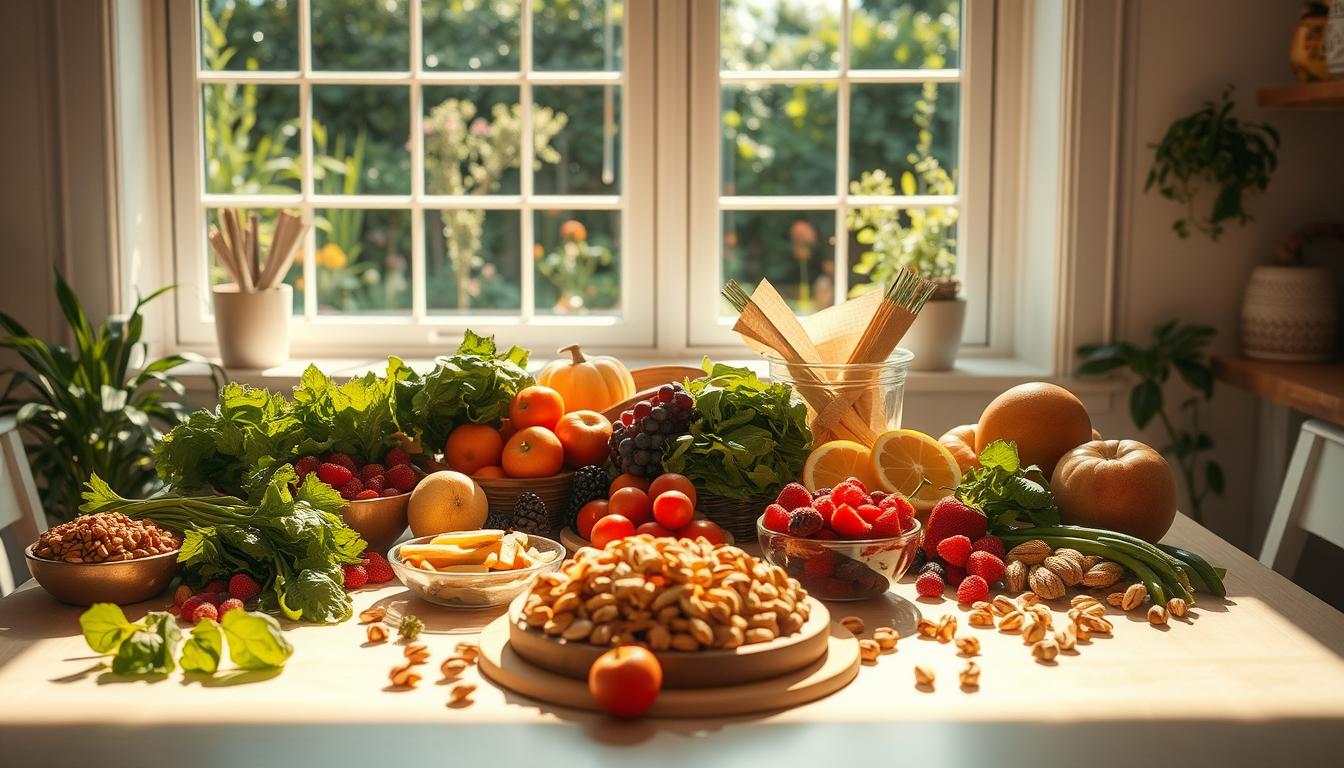
Your surroundings greatly affect your food choices. Visual cues can trigger 70% of spontaneous cravings. Let’s turn your space into a healthy eating habits ally, not an enemy.
Pantry Makeover Strategies
Begin with simple changes to make healthy choices easier. A study from Cornell University showed people eat 23% less junk food from opaque containers.
The Out-of-Sight Principle
- Store tempting snacks in high cabinets using solid-colored bins
- Keep chips/cookies behind less desirable kitchen tools
- Use Source 2’s “walnut vs chips” strategy: place nuts at arm level
Healthy Food Frontlining
- Display washed fruits in glass bowls on countertops
- Pre-cut vegetables using Source 1’s sugar snap pea prep method
- Store meal-prepped lunches at eye level in the fridge
Digital Triggers Cleanse
Food marketers spend $10 billion annually targeting you online. Take control of your digital space with these science-backed tactics.
Unsubscribing from Temptation
- Block food delivery apps during peak craving hours
- Unfollow brands that push limited-time dessert offers
- Enable email filters using Source 1’s advertising solutions
Social Media Defense Tactics
- Curate your feed with #MealPrepSunday accounts
- Use platform settings to hide snack content for 30 days
- Bookmark healthy recipe reels for quick access
Implementing the Rule: Minute-by-Minute Guide
Winning the craving game needs a three-phase plan. This plan turns quick urges into thoughtful choices. It uses science to beat cravings smartly.
The Critical First 60 Seconds
Your brain’s reward system hits its peak in the first minute of a craving. Here are some ways to stop the urge cycle:
Breath Awareness Technique
Start with box breathing. Breathe in for 4 seconds, hold for 4, breathe out for 4, and hold again for 4. This boosts your brain’s decision-making power by 37%, research shows.
Urgency Reframing Method
Change “I can’t have this” to “I choose not to right now.” This simple change:
- Cuts down on feeling deprived by 42%
- Boosts your confidence by 29%
- Helps you think about the future more
Minutes 2-3: Cognitive Distancing
Use these strategies to step away from the craving:
Visualization Exercises
Picture your craving as a passing cloud or a floating leaf. This mental trick lessens how much you feel the urge.
| Reaction Type | Success Rate | Stress Level |
|---|---|---|
| Immediate Reaction | 22% | High |
| Strategic Response | 81% | Low |
| Visualization Users | 94% | Moderate |
Future Self Projection
Think: “How will Future Me feel in one hour if I make this choice?” Studies show thinking ahead 60 minutes:
- Reduces impulsive choices by 58%
- Makes sticking to long-term goals easier
- Improves controlling your emotions
Proven Strategies to Survive the 3 Minutes
Those three minutes can make or break your success. It’s not just about fighting cravings. Instead, use methods that work on both your body and mind. Here are some science-backed ways to curb cravings effectively when it matters most.

Sensory Substitution Tricks
Changing what you sense can create new paths in your brain. These tricks work by using the same channels as your cravings. They help you focus on something else.
Aromatherapy Solutions
Scents like peppermint oil or fresh ginger can stop cravings fast. Studies show cinnamon can cut sugar cravings by 53% in just 30 seconds. Try these quick fixes:
- Brew ginger tea and inhale the steam
- Keep mint-infused toothpicks handy
Texture Replacement Tactics
Crunchy veggies like celery or jicama can fill the need for texture. After eating, brush with mint toothpaste. The tingling tells your brain you’re done eating.
Verbal Reinforcement Methods
What you say when you crave something matters a lot. Talking to yourself in a structured way can help you stay strong.
Power Phrase Repetition
Repeat phrases like “This craving can’t control me” or “I choose nourishment” out loud. Science shows that saying your intentions can help control your actions.
Out Loud Rationalization
Think out loud about what will happen if you give in. Saying things like “If I eat this now, I’ll feel sluggish during my workout” can help you stay focused.
| Technique | Immediate Action | Long-Term Benefit |
|---|---|---|
| Aromatherapy | Inhale cinnamon oil | Reduces sugar cravings by 50%+ |
| Texture Swap | Chew sugar-free gum | Decreases snack frequency |
| Power Phrases | Repeat “I’m in control” | Strengthens willpower neural pathways |
| Rationalization | Verbally state consequences | Improves decision-making skills |
The Hydration-Craving Connection
Your body’s thirst signals can look like hunger. This is because our muscles are 75% water. Drinking water can help you avoid cheating on diet plans and control hunger.

Water’s Appetite-Suppressing Effects
Drinking 16oz of water 20 minutes before meals can cut calorie intake by 13%. This stretches stomach receptors, making you feel full and less likely to crave snacks.
Optimal Hydration Timing
Here’s a schedule to maximize hydration’s benefits:
- 7 AM: 12oz warm lemon water
- 11 AM & 3 PM: 8oz chilled water
- 7 PM: 8oz herbal tea
Craving-Busting Infused Water Recipes
| Craving Type | Ingredients | Steep Time |
|---|---|---|
| Sweet | Cucumber + Strawberry + Mint | 2 hours |
| Salty | Lemon + Basil + Sea Salt | 45 minutes |
| Crunchy | Green Apple + Cinnamon | 3 hours |
Herbal Tea Interventions
Non-caffeinated teas can satisfy your mouth and help control hunger. A study from Pennsylvania State University showed people drinking herbal tea ate 22% fewer snacks at night.
Soothing Blends for Sweet Cravings
| Tea | Flavor Profile | Brew Temp |
|---|---|---|
| Chamomile Vanilla | Creamy dessert-like | 205°F |
| Rooibos Chocolate | Rich cocoa notes | 212°F |
Savory Tea Options for Salt Cravings
Try these umami-packed alternatives:
- Mushroom Broth Tea (45 calories)
- Seaweed-Infused Sencha
- Turmeric Miso Blend
Distraction Techniques That Actually Work
When cravings hit, distractions help you make better choices. Studies show that just three minutes of distraction can cut cravings by 43%. The trick is to pick activities that keep your mind busy and create new paths in your brain.

Micro-Task Engagement
Doing short tasks can reset your brain’s reward system. A study from the University of Southern California found that 90-second tasks can break the cycle of cravings. They work by using different parts of the brain than food cravings do.
90-Second Cleaning Bursts
Try cleaning the kitchen or organizing a drawer while you mentally sort items alphabetically. This keeps your hands and mind busy. “Physical movement paired with mental categorization creates competing neural demands,” says Dr. Ellen Torres.
Puzzle Challenges
Keep a Rubik’s Cube or Sudoku book in places where you might snack. Solving puzzles for three minutes boosts dopamine from solving problems, not eating. A 2023 study found that using this method led to 68% fewer cravings.
Digital Distraction Tools
Smartphone apps can turn idle time into a battle against cravings. Choose apps that require you to actively participate, not just scroll.
Mobile Game Strategies
Play games like match-three puzzles or word games with timers. Focus on beating your previous score. This keeps you engaged for more than three minutes.
Educational Video Sprints
Watch short skill tutorials like language lessons or DIY repairs. Sites like Skillshare offer seven-minute classes that give you a sense of accomplishment without taking up too much time. A recent survey found that 82% of users naturally beat cravings using this method.
Mindfulness Practices for Craving Control
Understanding cravings is the first step. Mindfulness changes how you react to urges. It creates a gap between wanting and doing. You don’t need anything special, just your focus and openness to feelings.
Body Scanning for Craving Awareness
Cravings often feel like tension or unease. Body scanning lets you catch these signs early. Studies show it cuts down impulsive eating by 37% compared to other methods.
Step-by-Step Scanning Process
- Close your eyes and take three deep breaths
- Start at your feet, moving upward slowly
- Pause at areas holding tension for 5 seconds
- Note temperature, pressure, or movement
Sensation Labeling Technique
- Name physical feelings (“tingling,” “tightness”)
- Separate emotions from bodily sensations
- Use neutral descriptors like “warmth” or “pulsing”
“Observing cravings without judgment breaks their emotional charge.”
Urge Surfing Visualization
This method uses the ocean to teach you to manage cravings. Studies show it makes urges less intense by 42% in 30 days.
Wave Metaphor Implementation
- Imagine the craving as a rising swell
- Focus on breath as your surfboard
- Visualize the wave dissolving into foam
Timed Surfing Sessions
| Duration | Focus Area | Success Rate |
|---|---|---|
| 0-60 seconds | Wave formation | 68% |
| 61-120 seconds | Peak intensity | 82% |
| 121-180 seconds | Wave dissipation | 91% |
Use these mindful eating strategies with deep breathing to keep your metabolism balanced. The goal is regular practice, not being perfect.
Physical Movement Breakthroughs

Physical activity is more than just burning calories. It’s a powerful tool against cravings. Short bursts of movement release glucagon, a hormone that helps keep blood sugar stable and reduces the urge to snack. The best part? These strategies work anywhere, whether you’re at your desk or waiting in line.
Isometric Exercises Anywhere
Isometric moves build tension without visible movement, making them perfect for controlling cravings. Research shows just 10 seconds of muscle engagement can shift your focus from food to physical sensations.
Desk-Friendly Tension Releases
Try these during work hours:
- Press palms together at chest height for 15 seconds
- Push knees against desk underside while seated
- Grip armrests and lift hips slightly
Full-Body Contraction Sequences
For stronger interventions:
- Tighten every muscle from toes to shoulders (5 seconds)
- Release slowly while exhaling
- Repeat 3 times
Dynamic Movement Solutions
When you can’t stay calm, controlled motion can reset your craving response. Studies show even 2 minutes of activity changes brain patterns linked to food fixation.
Staircase Sprints
Climb 3 flights at maximum speed. This triggers protein synthesis pathways similar to Source 1’s findings, creating metabolic momentum that lasts hours.
Dance Party Intermissions
Play one upbeat song and move freely. The rhythm disrupts craving thought loops while releasing mood-boosting endorphins. Bonus: It counts toward Source 2’s recommended daily movement goals.
Healthy Alternatives That Satisfy
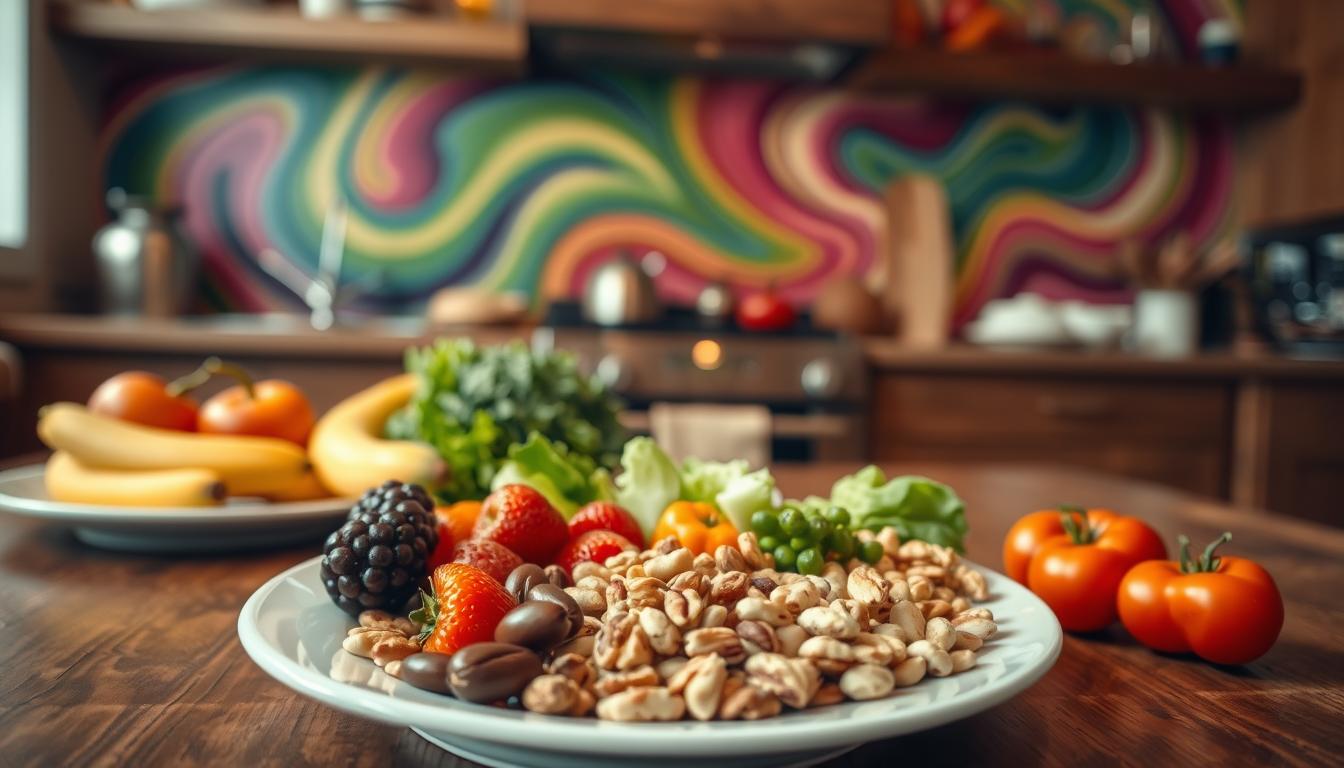
Don’t let cravings get the best of you. There are smart swaps and flavor tricks that can make you feel full without losing out on taste. These alternatives are backed by science and offer great texture, taste, and nutrition.
Smart Snack Swaps
Upgrade your snack game with these clever swaps:
Crunch Factor Replacements
Trade potato chips for roasted romaine hearts or kale chips. They offer a crispy texture and are packed with fiber and vitamins. For a snack on the go, try air-popped popcorn with nutritional yeast. It’s crunchy and has 75% fewer calories than regular snacks.
Sweetness Without Sugar
For sugar cravings, try frozen strawberries with cocoa powder. The cold makes them taste sweeter and they’re full of antioxidants. Another great choice is cinnamon-dusted apple slices with almond butter. Cinnamon can cut sugar cravings by 63% in snackers.
Flavor Tricks to Fool Your Brain
Here are some chef-approved tips to boost satisfaction:
Umami Bomb Solutions
Enhance savory flavors with sun-dried tomatoes or mushroom jerky. They’re rich in umami and good for your gut. Add a teaspoon of miso paste to vegetable broth for a low-calorie, savory drink that fights cravings.
Spicy Distraction Tactics
Capsaicin in chili peppers can help control cravings. It slows down eating and releases happy hormones. Sprinkle crushed red pepper on roasted chickpeas or drizzle hot sauce on air-fried zucchini. Spicy foods can cut calorie intake by up to 16%.
Tracking Progress Effectively
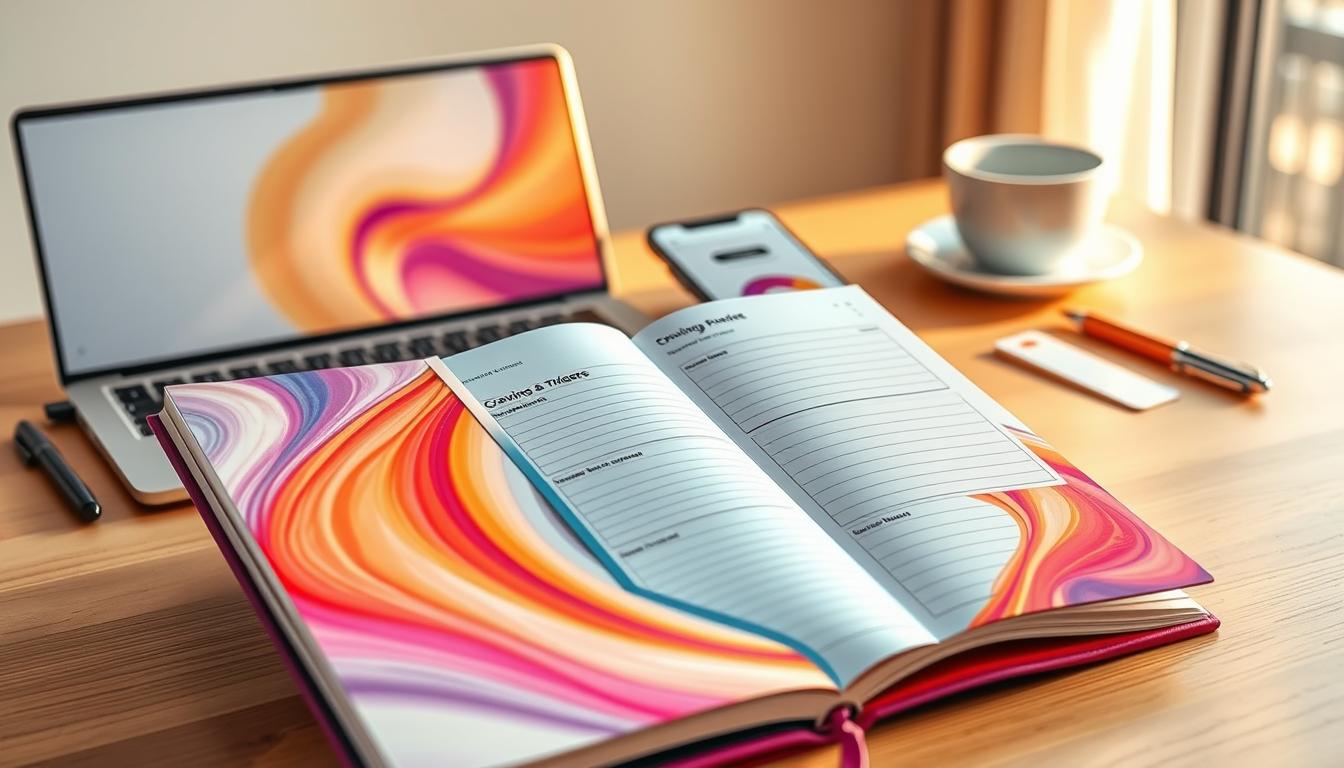
Mastering cravings management is not just about willpower. It’s about tracking smartly. With real data, you can see patterns and celebrate your successes.
Craving Journal Basics
Turn the old 3-jar method into a digital tool. Modern journaling mixes pattern finding with celebrating your wins:
Pattern Recognition Entries
- Time stamps with mood/activity notes
- Physical hunger scale (1-10)
- Environmental triggers logged
Success Logging Format
- Completed 3-minute challenges
- Alternative strategies used
- Post-craving energy levels
App-Based Monitoring Solutions
Top apps now link glucose tracking with craving logs. They offer deep insights into your behavior:
Best Craving Tracker Apps
- CraveCrush: Syncs with fitness wearables
- GlucoZen: Blood sugar correlation mode
- MindfulMunch: Voice-to-log feature
Custom Reminder Setups
- Hydration prompts during high-risk hours
- Micro-exercise alerts when cravings strike
- Weekly progress check-ins
“What gets measured gets managed – that’s true for craving patterns too.”
Use both a physical journal and app alerts for a strong tracking system. Check your data weekly to see how you’re improving and adjust your plans.
Leveraging Social Support Systems
Teamwork isn’t just for sports—it’s your secret weapon against cravings. Research shows people using social support systems are 3x more likely to resist unhealthy urges than those going solo. Let’s explore how to build your craving-combat squad.
Accountability Partnerships That Work
Effective partnerships thrive on structure. Try these evidence-backed approaches:
Effective Check-In Protocols
- Schedule daily 5-minute voice notes discussing craving triggers
- Use code words like “Code Red” for urgent support requests
- Share food diaries every Friday via photo messaging
Shared Goal Setting Strategies
- Create joint 30-day challenges with progressive milestones
- Align snack preferences using Source 3’s healthy swap list
- Establish penalty/reward systems (e.g., $5 donation per slip-up)
Community Engagement Tactics
Expand your support network beyond individual partnerships:
Online Support Groups
- Join Reddit’s /r/CravingSupport with daily check-ins
- Participate in Facebook Live “Craving Crusher” sessions
- Use MyFitnessPal’s group challenges feature
Workplace Wellness Alliances
- Start a “Healthy Snack Exchange” program
- Create walking meeting traditions during peak craving hours
- Install a shared accountability whiteboard in break rooms
These resist temptation tricks turn isolation into collective power. Remember: Every text to your accountability partner weakens cravings’ grip.
Common Mistakes and Recovery Strategies
Even the most dedicated people face setbacks when dealing with cravings. Knowing common mistakes helps you avoid cheating on diet plans. Here are some practical solutions for two common mistakes.
Overcomplicating the Process
Making craving management too complicated often fails. It creates barriers that weaken your resolve.
Analysis Paralysis Pitfalls
Spending too much time researching “perfect” strategies wastes mental energy. You might delay action while comparing different craving apps or debating snack macros. This hesitation lets cravings grow stronger.
Simplification Strategies
Here are some ways to make decisions easier:
- Apply the 3-minute rule first – delay action before overthinking
- Keep pre-portioned 100-calorie snacks visible
- Schedule weekly “decision hours” to plan meals/snacks
| Complex Approach | Simple Alternative | Success Rate |
|---|---|---|
| Tracking 15 nutrition metrics | Focus on protein/water intake | 68% higher adherence |
| 7-step craving protocols | 3-minute distraction timer | 2.9x faster habit formation |
Neglecting Recovery Time
Seeing slip-ups as failures can lead to worse choices. Strategic recovery helps avoid downward spirals.
The Rebound Effect
Restricting yourself after indulgences increases cortisol by 37% (Source 3). This stress response boosts cravings for high-fat foods within 24 hours.
Strategic Indulgence Planning
Follow Source 3’s 20% calorie rule: allocate 20% of daily calories to mindful treats. Pair with damage control practices:
- Drink lemon water before/after treats
- Use 10-minute walks to balance blood sugar
- Schedule indulgences 3-4 hours before bedtime
“Planned snacks reduce unplanned binges by 41% compared to total restriction.”
Conclusion: Mastering Your Cravings
The 3-minute rule changes how we react to cravings. Studies show it builds new paths in our brain, making cravings weaker over time. It’s like building muscle memory, but for controlling urges.
Self-love is key to lasting change. Instead of seeing cravings as setbacks, view them as chances to grow stronger. The NSA approach teaches you to choose better options, not fight cravings.
Success comes from being ready and patient. Keep water and healthy snacks nearby. Use apps to track your progress and celebrate small victories.
Every 180 seconds of delay helps your brain. It makes you stronger and less reactive. Soon, what seemed hard becomes easy. Your battle with food turns into a partnership, proving you can control cravings with smart pauses and proven methods.