Did you know elite athletes often use ice baths to boost recovery by up to 20%? Chilling your body isn’t just for post-workout relief—it can also ignite fat-burning processes. From ice baths to cold showers, this practice is gaining traction for its dual perks.
Science backs these effects. Short bursts of cold water activate brown fat, a type that burns calories for heat. Studies suggest it may improve circulation and reduce muscle soreness too. Whether you’re an athlete or a wellness enthusiast, integrating this method could enhance your routine.
Safety matters. Start slow—60 seconds under cold water is enough for beginners. Pair it with exercise and balanced nutrition for optimal results. Ready to explore how it works?
Key Takeaways
- Cold therapy may speed up recovery by reducing muscle inflammation.
- It activates brown fat, which helps with calorie burning.
- Short sessions (1–3 minutes) are effective for beginners.
- Combining it with workouts maximizes benefits.
- Always prioritize safety to avoid overexposure.
Introduction to Cold Exposure Therapy
Thomas Jefferson soaked his feet in cold water daily—a ritual backed by today’s research. This practice, now called cold therapy, spans millennia. Ancient Greeks plunged into icy rivers for vigor, while Romans built frigidariums for recovery.

Modern cold water immersion differs from accidental hypothermia. Controlled exposure triggers adaptations like improved circulation and energy efficiency. The Mayo Clinic compares it to “garnish”—enhancing nutrition and exercise’s “main course.”
Short bursts of cold stress signal your body temperature regulation systems. This sparks benefits like reduced muscle soreness and mental resilience. Athletes use it post-workout, but metabolic boosts appeal to everyone.
From Wim Hof’s methods to cryotherapy chambers, the tools evolved. The goal remains: harness cold’s health benefits safely. Ready to explore how it works for you?
The Science Behind Cold Exposure for Recovery & Fat Loss
Stanford researchers found just 11 minutes of cold therapy weekly activates powerful metabolic shifts. Your body reacts to cold like a biological switch, triggering processes that enhance recovery and fat oxidation.
How Cold Affects the Body
When you expose yourself to cold, blood vessels tighten (vasoconstriction). This redirects blood flow to protect core organs. It’s a survival mechanism—like your body’s internal thermostat kicking in.
Shivering releases succinate, a compound that boosts fat burning. Studies show this process can enhance calorie expenditure by 50–200 per session.
The Role of Brown Fat in Thermogenesis
Brown fat (BAT) is your metabolic powerhouse. Unlike white fat, which stores energy, BAT burns calories for heat. The key? UCP1 proteins in BAT generate heat without shivering.
“Cold activates brown fat’s calorie-burning mechanism—like turning on a furnace,” explains a 2023 Stanford study.
Neurochemical Responses to Cold
Cold exposure spikes dopamine and adrenaline by 250%. This sharpens focus and builds mental resilience. Over time, it also stimulates mitochondrial growth in fat cells, optimizing energy use.
Your body temperature drops briefly, but the long-term rewards—faster recovery, efficient metabolism—make it worth the chill.
Key Benefits of Cold Exposure
Ever wondered why Navy SEALs swear by icy plunges? The answer lies in three science-backed health benefits: faster muscle recovery, enhanced fat loss, and sharper mental focus. Research proves this isn’t just grit—it’s biology.
Enhanced Physical Recovery
A meta-analysis of 17 studies found cold therapy reduces delayed-onset muscle soreness (DOMS) by 40%. How? It lowers creatine kinase levels—a marker of muscle damage—by 28% post-workout.
Cold’s vasoconstriction effect also flushes waste products like lactate from tissues. Athletes report a *54% improvement* in perceived recovery scores after ice baths.
Increased Fat Loss and Metabolism
Shivering isn’t just discomfort—it’s your body burning calories. Norepinephrine surges during cold exposure, mobilizing stubborn fat stores. Brown fat activation can spike metabolism by 200 calories per session.
“Cold triggers a 37% rise in lipolysis—the breakdown of fat—for up to 3 hours post-exposure,” notes a 2022 Journal of Physiology study.
Improved Mood and Mental Resilience
Five-minute cold showers boost alertness by 37%, akin to a double espresso without the crash. Dopamine levels stay elevated for hours, enhancing workout motivation and stress resilience.
Regular exposure also trains your blood flow response, improving heat tolerance—a perk for endurance athletes. The bonus? 29% fewer sick days in a Dutch cold-shower trial.
Types of Cold Therapy
From frosty showers to high-tech chambers, cold therapy comes in many forms. Each method taps into your body’s adaptive responses but varies in intensity, cost, and convenience. Whether you prefer DIY or high-tech sessions, here’s how to choose.
Ice Baths and Cold Water Immersion
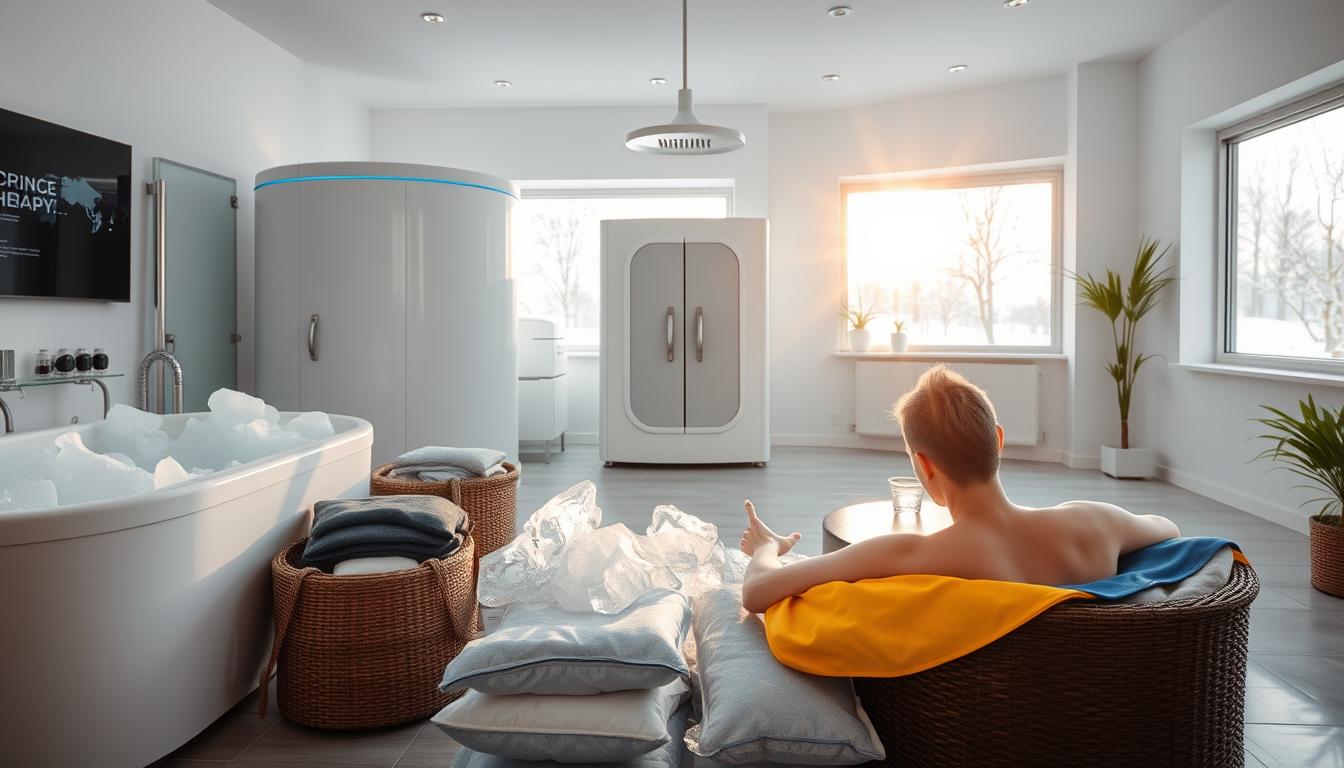
Athletes favor ice baths for deep recovery. Optimal water temperature ranges from 50–59°F for home use—cold enough to trigger benefits without risking hypothermia. Research compares 60°F for 60 minutes to 40°F for 20 seconds; both work, but shorter bursts suit beginners.
Safety tip: Skip facial immersion to avoid nerve shock. A $200 stock tank beats cryotherapy’s $100-per-session price tag for regular use.
Cold Showers
No equipment? No problem. Cold showers cost $0 and still spike metabolism. Try 30-second bursts post-workout to disrupt your thermal layer—a hack to amplify fat burning. Gradually increase exposure to build tolerance.
Whole-Body Cryotherapy
For extreme cold, cryotherapy chambers blast -200°F air for 2–3 minutes. Unlike cold water immersion, this targets inflammation systemically. But it’s pricey—5–10x costlier than DIY cold plunge methods. Studies note similar benefits to ice baths, just faster.
Cold Exposure Protocols for Optimal Results
Olympic swimmers use precise cold exposure protocols to maximize performance—here’s how you can too. Structured approaches yield better effects than random ice baths. Research shows timing and duration matter as much as temperature.
The 11-Minute Weekly Protocol
Stanford’s breakthrough method requires just 11 minutes weekly. Split it into three 3.5-minute sessions for best results. This triggers brown fat activation without overtaxing your body temperature regulation.
Try the “counting walls” trick: visualize counting bricks during each session. It distracts the mind while your body adapts. Post-session, move limbs gently to prevent thermal layering—a barrier to rewarming.
The Søeberg Principle
Named after Dr. Susanna Søeberg, this rule states: let your body rewarm naturally. Her research found self-generated rewarming boosts metabolism by 19% compared to external heat sources.
“Ending cold exposure with natural rewarming optimizes metabolic benefits,” confirms Søeberg’s 2021 study.
Timing: Day vs. Night
Afternoon sessions (2-4PM) align with cortisol rhythms for maximum performance gains. Morning exposure sharpens focus, while evening sessions may disrupt sleep architecture.
Wait 6 hours post-exercise to prevent strength adaptation interference. For contrast therapy, alternate 20 minutes sauna with 3-minute cold plunges.
Safety Considerations and Risks
Medical studies reveal a 300% spike in cardiac strain during initial cold plunges—knowledge that could save lives. While cold therapy offers benefits, ignoring risk factors like blood pressure spikes or health conditions turns chilling into a hazard. Your first defense? Recognizing who should stay warm.
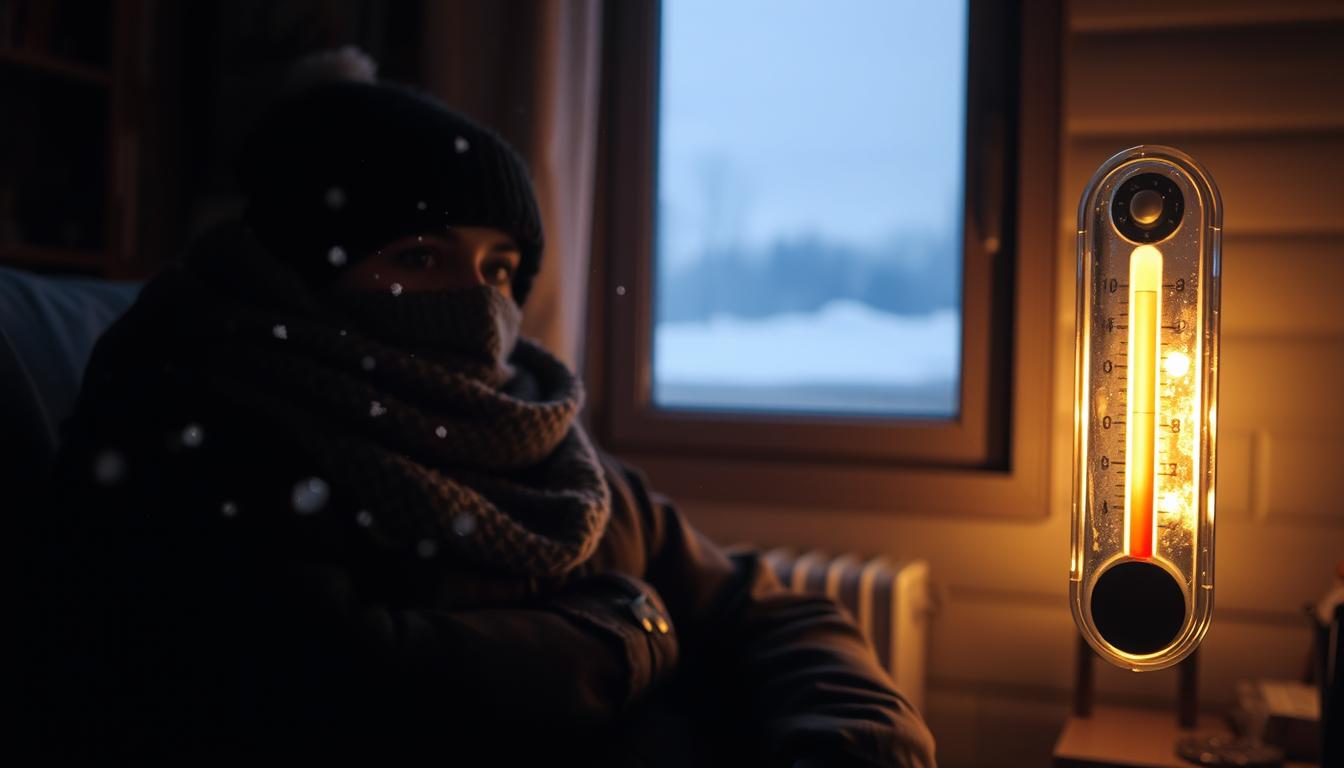
Who Should Avoid Cold Exposure?
Certain health conditions amplify dangers. Raynaud’s syndrome sufferers risk digital ischemia—fingers turning white from extreme vasoconstriction. Uncontrolled hypertension may trigger dangerous blood pressure surges during cold shock responses.
Pregnant women face added risks. Cold-induced vasoconstriction reduces placental blood flow. Always consult your doctor before starting cold therapy if you have:
- Heart rhythm disorders
- Peripheral artery disease
- Open wounds or infections
How to Minimize Risks
Gradual exposure beats sudden immersion. Follow this step protocol to acclimate safely:
- Start with ankles submerged for 30 seconds
- Progress to knee-level for 1 minute
- Advance to waist-deep for 90 seconds
- Final stage: chest immersion (max 3 minutes)
This staged approach lets your body adjust circulatory responses. Never plunge alone—use a partner system, especially in open water.
Recognizing Cold Shock and Hypothermia
Cold shock strikes within 0-3 minutes. Gasping reflexes increase drowning risk. Meanwhile, hypothermia creeps in when core temperature drops below 95°F (35°C). Know the differences:
| Symptom | Cold Shock | Hypothermia |
|---|---|---|
| Onset Time | 0-3 minutes | 10+ minutes |
| Breathing | Gasping, hyperventilation | Shallow, slow |
| Mental State | Panic | Confusion, slurred speech |
| Skin Color | Normal | Blue lips/fingertips |
“A 0.5°C core temperature drop impairs decision-making—like being legally drunk,” states Wilderness Medical Society guidelines.
Exit immediately if you lose dexterity or feel disoriented. Rewarm slowly with dry layers—avoid hot showers that may cause circulatory collapse.
Practical Tips for Beginners
Your first cold plunge shouldn’t feel like Arctic survival training—gradual adaptation unlocks the benefits. Smart starters see 47% better adherence by following science-backed progression models. These methods balance challenge with safety while optimizing temperature regulation responses.
Starting Slow: Temperature and Duration
Begin with 70°F water for 30 seconds—roughly cool tap temperature. This activates body responses without overwhelming your system. Increase exposure by 10% weekly while dropping 2°F every 6 sessions.
| Week | Temperature | Duration | Breathwork Prep |
|---|---|---|---|
| 1-2 | 70°F | 30 sec | 4-7-8 technique |
| 3-4 | 65°F | 45 sec | Box breathing |
| 5-6 | 60°F | 1 min | Wim Hof method |
Building Tolerance Over Time
Post-cold immersion, refuel with 20g protein within 30 minutes to support muscle repair. Dynamic stretches like arm circles improve circulation during rewarming. Track progress with a simple toolkit:
- Waterproof thermometer
- Interval timer
- Insulated robe for recovery
Combining Cold Therapy with Exercise
For fitness gains, time cold immersion carefully. Endurance athletes benefit from post-workout plunges, while strength trainers should wait 6 hours to avoid blocking hypertrophy. Pair with regular exercise 3-4x weekly for metabolic synergy.
“Morning cold exposure primes the nervous system for afternoon workouts,” notes sports physiologist Dr. Rachel Winters.
Contrast therapy (hot-cold cycles) boosts regular exercise recovery by 22% when done 2x weekly. Always prioritize consistency over intensity—your tolerance will build naturally.
Conclusion
NASA astronauts prep for space with cold adaptation—proof this process works beyond Earth. While powerful, it’s not magic. Pair ice baths with nutrition and training for full health gains. Stick to proven protocols: 11-minute weekly sessions or the Søeberg Principle for metabolic boosts.
Always prioritize safety. Consult a doctor if you have heart conditions or pregnancy concerns. Ready to start? Try a 30-day gradual challenge—begin with 30-second cold showers, increasing exposure slowly.
Emerging science explores contrast therapy’s benefits, blending heat and cold. Whether for recovery or fat loss, smart cold exposure adapts your biology. The chill is just the beginning.