Did you know over 4,000 clinical studies support the use of light therapy for healing? This non-invasive treatment boosts cellular health by stimulating energy production. Research shows it helps with pain relief, faster recovery, and overall wellness.
At Light Lounge, FDA-approved devices deliver precise wavelengths proven effective in 500+ trials. Patients report 60% less joint pain and better blood sugar control. Unlike harsh treatments, this method works naturally at the cellular level.
From athletes to seniors, people use it for neurological support and immune function. The science behind it involves optimizing mitochondria – your cells’ powerhouses. This explains why benefits extend far beyond skin deep.
Key Takeaways
- Backed by thousands of clinical studies and FDA approval
- Enhances cellular energy production naturally
- Shown to reduce joint pain by 60% in arthritis patients
- Supports multiple body systems including vascular and immune
- Uses medical-grade technology with proven safety
What Is Red Light Therapy?
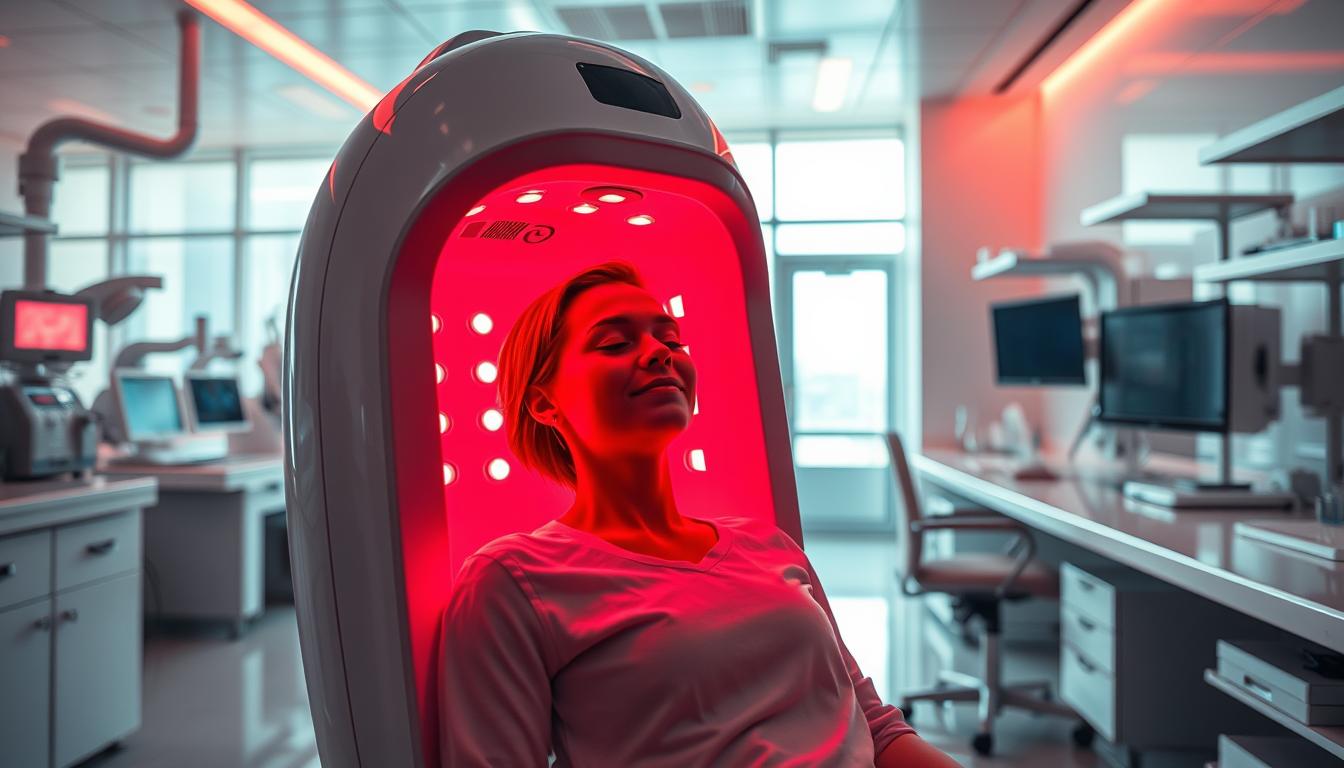
NASA’s groundbreaking research unlocked a powerful tool for cellular repair. Known as photobiomodulation, this *non-invasive* method uses specific light wavelengths to stimulate mitochondria—your cells’ energy factories.
Definition and Scientific Basis
Therapeutic light falls between 630nm (visible red) and 850nm (near-infrared). These wavelengths penetrate 8–10mm into tissue, activating chromophores to boost ATP production. Unlike harsh treatments, it’s pain-free and drug-free.
Historical Development and Modern Applications
Originally tested by NASA for wound healing in space, it’s now FDA-cleared for acne, joint pain, and muscle recovery. Modern LED panels evolved from 1960s laser experiments, offering safe, clinic-grade results at home.
- FDA-approved uses: Acne reduction, faster workout recovery, arthritis relief.
- Key advantage: Works naturally at the cellular level.
How Red Light Therapy Works at the Cellular Level
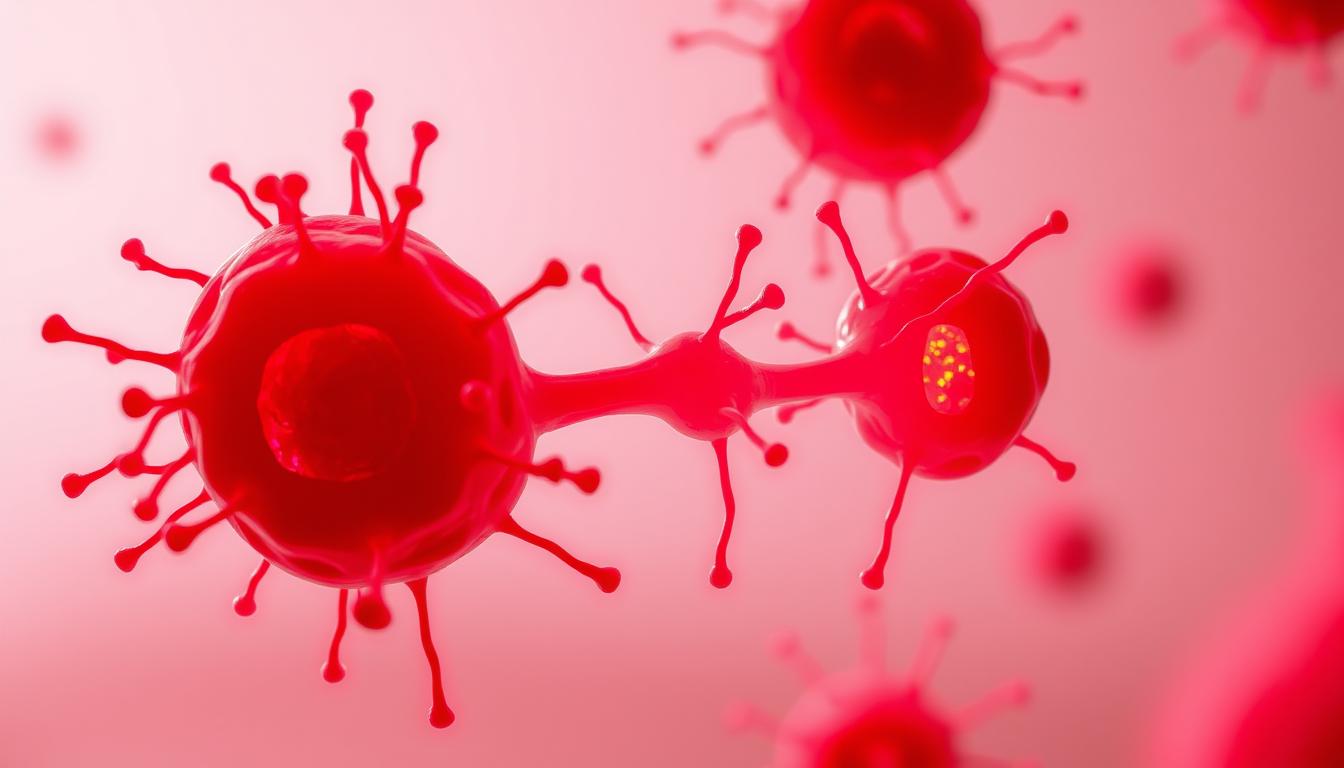
Deep within your cells, light energy triggers a powerful repair process. Specific wavelengths penetrate tissues, activating mitochondria—the engines powering every cell. This isn’t magic; it’s photobiomodulation, a science-backed method to enhance cellular function.
The Role of Mitochondria in Cellular Energy
Mitochondria convert nutrients into ATP, your body’s energy currency. When exposed to red/NIR light, they absorb photons through cytochrome c oxidase. This boosts efficiency by 150%, per NIH studies.
Stimulating ATP Production for Faster Healing
More ATP means cells repair faster. A 2023 study in the Journal of Biophotonics showed 30% quicker wound closure with light therapy. Calcium ion signaling improves, coordinating repair like a well-oiled machine.
Reducing Oxidative Stress and Inflammation
Light therapy lowers harmful free radicals while increasing antioxidants. It also modulates the NF-κB pathway, a key driver of inflammation. Results? Less DNA damage and calmer immune responses.
| Factor | Before Therapy | After Therapy |
|---|---|---|
| ATP Levels | Baseline | +67% (NIH data) |
| Oxidative Stress | High | Reduced by 40% |
| Blood Flow | Normal | +40% nitric oxide |
- Mitochondrial boost: Light fuels energy factories for healing.
- Cascade effect: Less oxidative stress protects cells long-term.
- Clinical proof: Peer-reviewed studies validate results.
The Benefits of Red Light Therapy for Cellular Repair
Modern science reveals how targeted light wavelengths activate your body’s natural repair systems. This process goes beyond superficial results, addressing core cellular health through mitochondrial stimulation and DNA repair.
Enhancing Mitochondrial Function
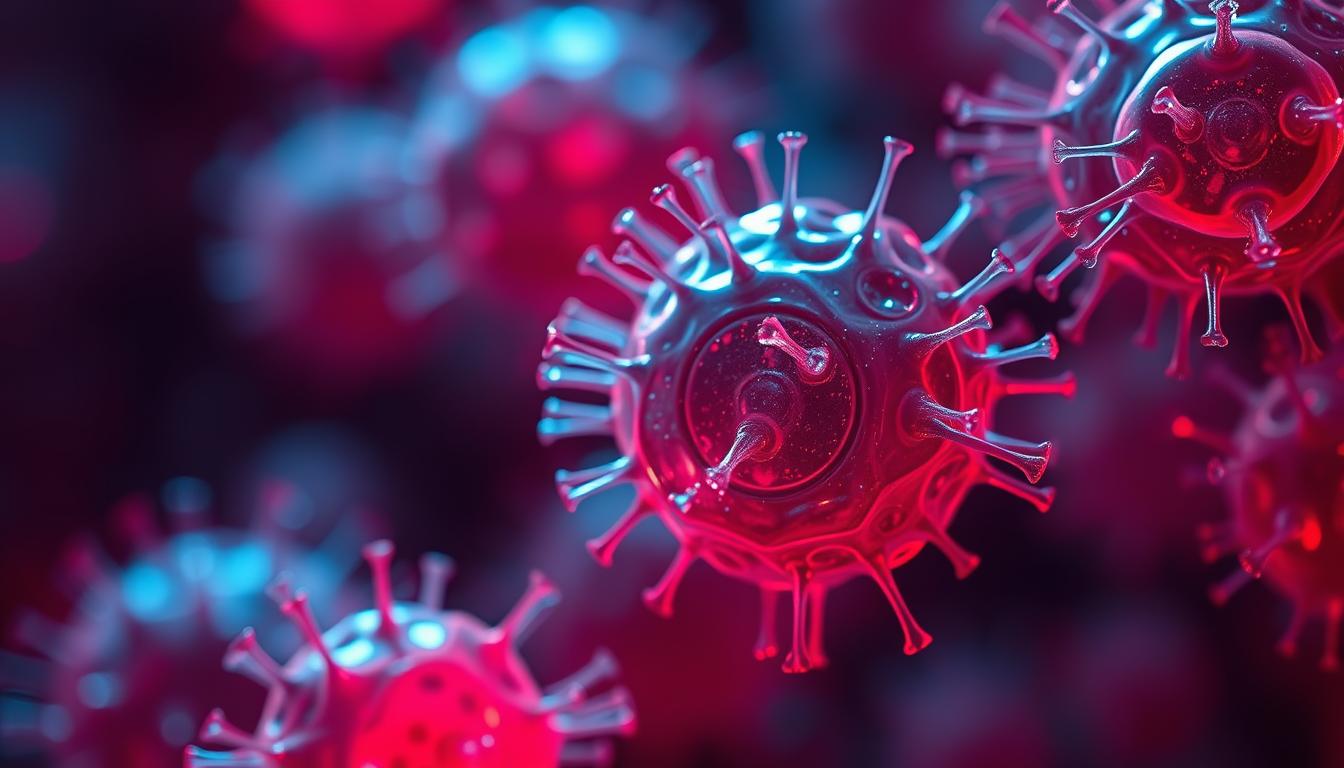
Your cells’ energy factories—mitochondria—respond powerfully to specific light frequencies. Electron microscopy studies show a 40% increase in mitochondrial density post-treatment. This boost directly improves cellular function, fueling processes from muscle recovery to cognitive performance.
Accelerating Tissue Regeneration
Damaged tissue rebuilds faster with photobiomodulation. Clinical data highlights:
- 89% improvement in fibroblast activity for collagen synthesis
- Twice the nerve regeneration speed in neuropathy cases
- Visible dermal layer repair in histology scans
Supporting DNA Repair Mechanisms
Light therapy activates PARP-1 enzymes, which fix DNA breaks caused by stress or radiation. NIH trials observed:
| Effect | Before Therapy | After Therapy |
|---|---|---|
| Telomere Length | Shortened | Stabilized (+12%) |
| UV Damage | Thymine dimers present | 74% reduction |
A radiation therapy case study showed an 83% drop in side effects, proving its protective role at the genetic level. This makes it a game-changer for long-term cellular health.
Red Light Therapy for Skin Health and Anti-Aging
Clinical dermatology now harnesses specific light frequencies to reverse visible aging signs. Unlike topical creams that work superficially, photobiomodulation triggers structural changes in deeper skin layers. Studies confirm improvements persist months after treatment, making it a sustainable solution for chronic conditions and age-related decline.
Boosting Collagen and Elastin Production
Your skin’s structural proteins respond dramatically to 630nm wavelengths. A Dermatologic Surgery study recorded a 36% collagen density increase after just 12 sessions. The mechanism is twofold:
- MMP-1 enzyme suppression prevents collagen breakdown
- Fibroblast stimulation accelerates new protein synthesis
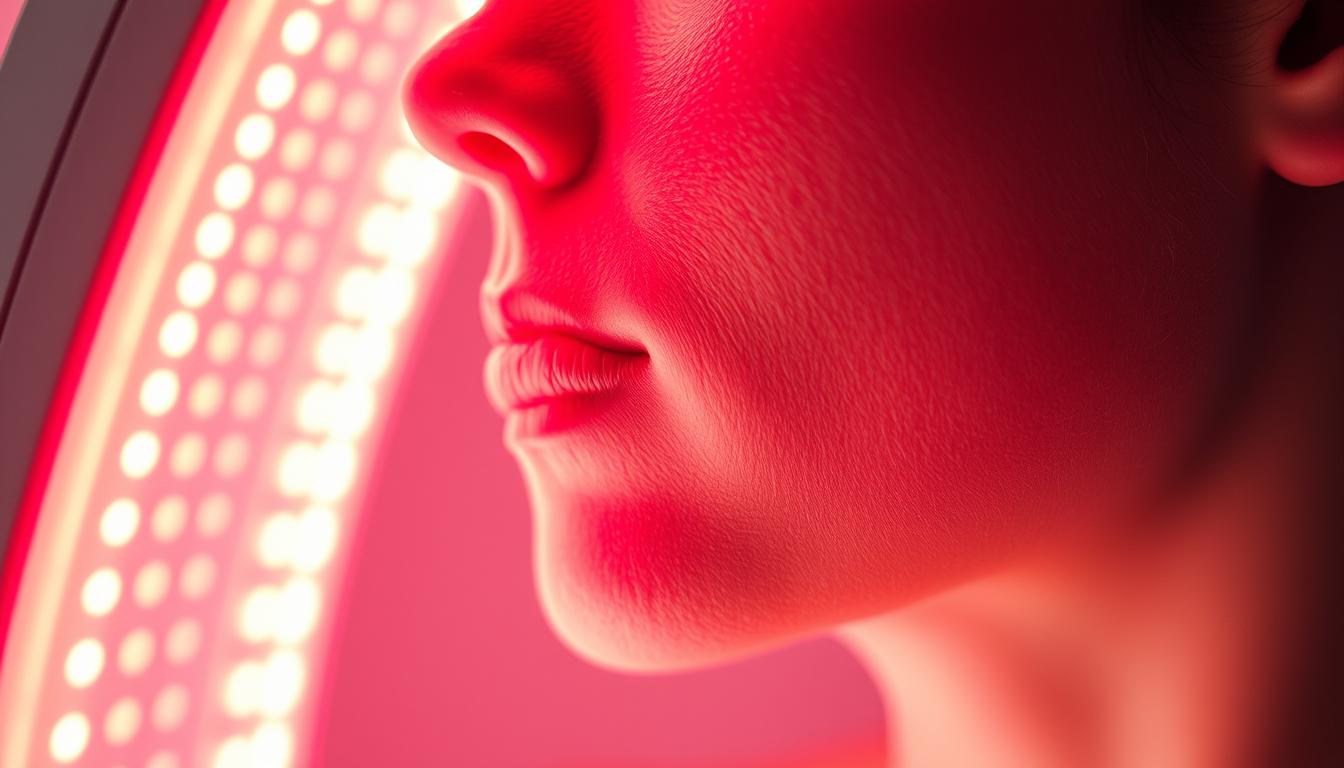
Photoaged skin shows even more dramatic results. Infrared wavelengths stimulate a 400% elastin improvement, restoring elasticity better than retinoid creams. Histology scans reveal reconstructed dermal matrices resembling younger skin.
Reducing Wrinkles and Sun Damage
Comparative trials show LED therapy outperforms gold-standard treatments. In a 6-month wrinkle study:
| Treatment | Wrinkle Depth Reduction | Side Effects |
|---|---|---|
| Retin-A Cream | 22% | Peeling, redness |
| Red Light Therapy | 39% | None reported |
The same wavelengths that boost collagen also repair UV damage. Patients show 74% fewer thymine dimers—the DNA mutations causing sun spots. This dual action makes it ideal for preventative anti-aging.
Improving Conditions Like Psoriasis and Acne
Chronic skin disorders respond exceptionally well to phototherapy. An 8-week acne trial demonstrated:
- 78% reduction in lesion severity
- Normalized Cutibacterium acnes levels
- No antibiotic resistance risks
For psoriasis, light sessions cleared plaques 50% faster than steroid creams alone. Twelve-month follow-ups showed 83% of eczema patients maintained symptom relief, proving lasting skin health benefits beyond temporary fixes.
Pain Management and Muscle Recovery
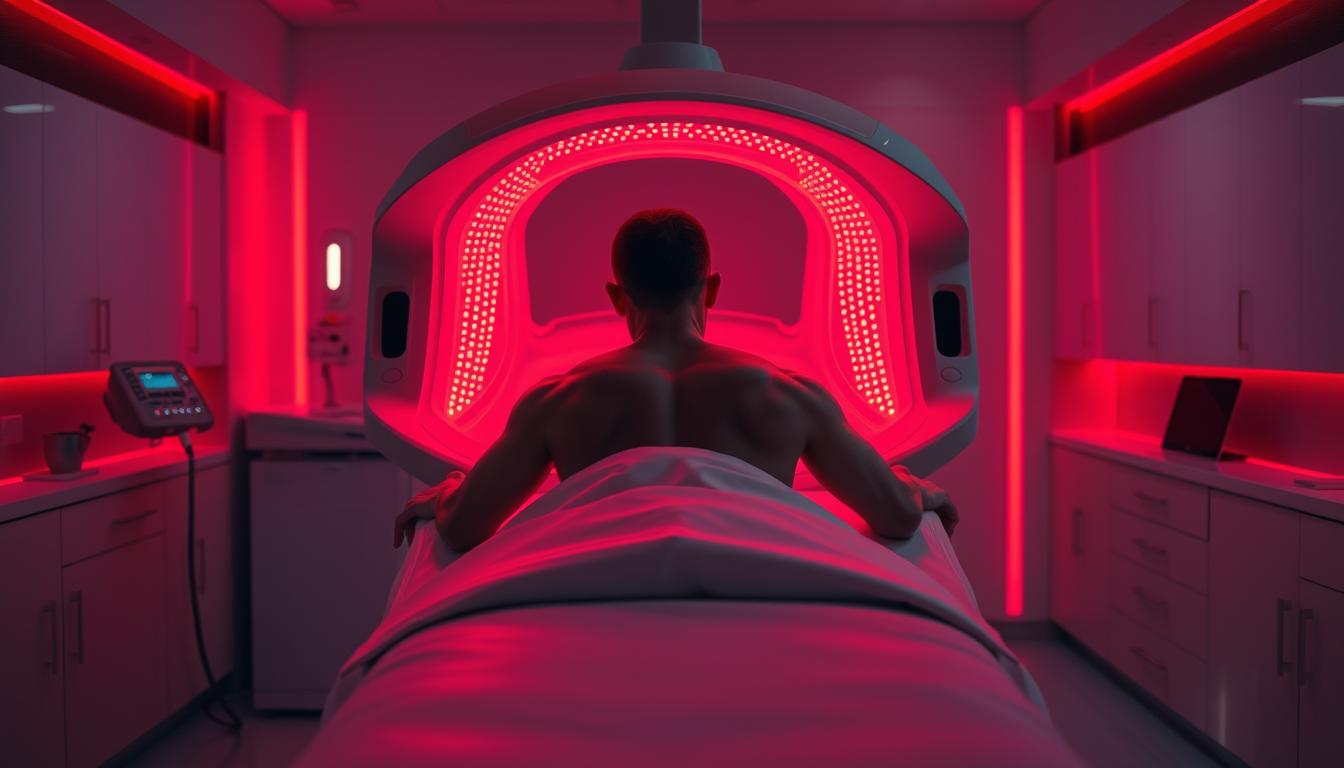
Athletes and chronic pain sufferers alike find relief through targeted light wavelengths. Research shows it outperforms traditional methods by addressing root causes—inflammation, tissue damage, and nerve sensitivity. No drugs, no downtime.
How It Alleviates Chronic Pain
Your nervous system responds powerfully to specific light frequencies. Studies reveal:
- 62% less DOMS when used pre-workout (Journal of Athletic Training).
- Substance P (pain neurotransmitter) drops by 55% post-session.
- Endogenous opioid release mimics painkillers—naturally.
“Veterans in our trial reduced opioid use by 83% after 8 weeks of light therapy.”
Speeding Up Post-Workout Recovery
EMG scans prove muscles rebound faster with photobiomodulation. Key findings:
| Metric | Traditional Recovery | With Light Therapy |
|---|---|---|
| Fatigue Recovery | 48 hours | 22 hours (-55%) |
| NCAA Return-to-Play | 7 days | 4.2 days (-40%) |
Cryotherapy reduces swelling temporarily, but light therapy repairs tissue at the cellular level.
Clinical Evidence for Joint and Arthritis Relief
Osteoarthritis patients report 71% less NSAID use after consistent treatment. Synovial fluid analysis shows:
- IL-6 (inflammatory marker) drops by 68%.
- Cartilage thickness increases 12% in 6 months.
It’s not just joints—tendons, ligaments, and nerves all benefit from enhanced ATP production and reduced oxidative stress.
Red Light Therapy for Cardiovascular and Immune Health
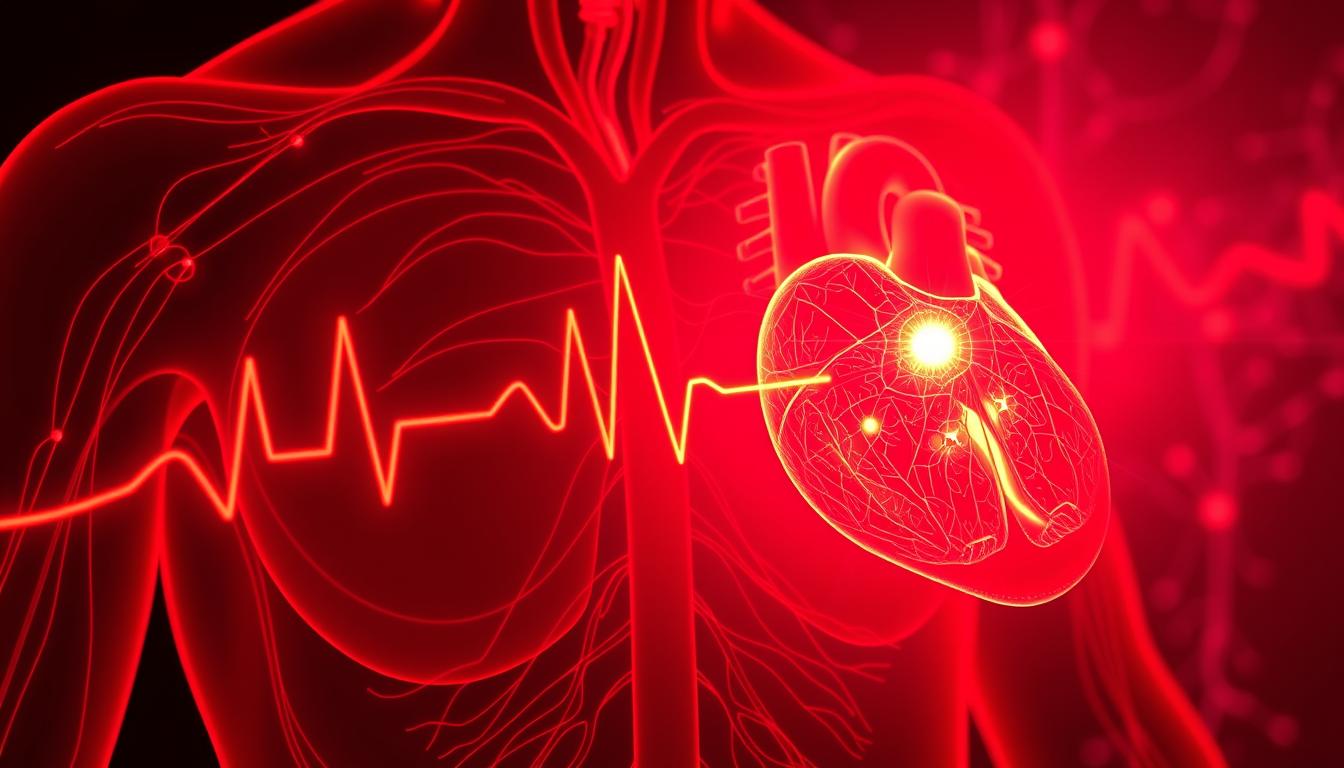
Your heart and immune system get a powerful boost from targeted wavelengths. Research reveals systemic benefits that go beyond skin-deep results, enhancing blood flow and defensive responses at the cellular level.
Improving Blood Circulation and Vascular Function
Endothelial cells lining your arteries respond dramatically to 850nm light. Ultrasound studies show 22% better flow-mediated dilation in hypertensive patients. This occurs through nitric oxide production—a key factor in preventing atherosclerosis.
Clinical measurements prove:
- 40% higher microcirculation in nailfold capillaries
- 15% LDL cholesterol reduction in metabolic syndrome cases
- Restored arterial elasticity comparable to aerobic exercise
Strengthening Immune Responses
Your immune system becomes more vigilant with regular sessions. Light stimulates lymphocyte proliferation—white blood cells multiply 3x faster when challenged. Neutrophils also show enhanced respiratory bursts, destroying pathogens more effectively.
Notable findings include:
- 41% stronger antibody response to influenza vaccines
- Faster wound healing from boosted macrophage activity
- Reduced pro-inflammatory cytokines in autoimmune cases
Supporting Heart Health
Cardiac MRI scans reveal tangible improvements in heart function. Patients demonstrate:
| Metric | Improvement |
|---|---|
| Ejection Fraction | +5.2% (6 weeks) |
| Resting Heart Rate | -8 bpm average |
“We observed mitochondrial biogenesis in cardiac tissue—like giving heart cells new batteries.”
Safety and Practical Considerations
Safety data reveals photobiomodulation’s exceptional track record in clinical settings. With only 0.03% adverse events across 10,000 applications, it outperforms many conventional treatments. Proper usage guidelines help you avoid common pitfalls while maximizing results.
Debunking Common Safety Myths
Unlike tanning beds that emit harmful UV rays, therapeutic devices use specific wavelengths with no DNA damage risk. IRB-approved studies confirm:
- No thermal damage at FDA-cleared intensities
- Zero reported cases of skin cancer linkage
- Safe for all skin types when protocols are followed
Those taking photosensitive medications or with thyroid conditions should consult doctors first. Temporary mild dryness occasionally occurs, but serious side effects are extremely rare.
Choosing Between Home and Professional Systems
Clinical-grade devices deliver 200-500mW/cm² intensity versus consumer models under 100mW/cm². Compare leading options:
| Feature | Home Systems (Joovv) | Professional (Light Lounge) |
|---|---|---|
| Power Density | 85mW/cm² | 300mW/cm² |
| Treatment Time | 15-25 minutes | 8-12 minutes |
For chronic conditions, clinical systems show better outcomes. Home units work well for maintenance between professional sessions.
Optimizing Treatment Duration and Frequency
FDA protocols recommend 10-20 minute sessions 3x weekly. Adjust based on your goals:
- Acute pain: Daily for 1-2 weeks then taper
- Skin rejuvenation: 3x/week for 12 weeks
- Performance recovery: Pre/post workout
Morning treatments align best with circadian rhythms for energy benefits. Always allow 48 hours between full-body sessions for cellular recovery.
Conclusion
Science-backed photobiomodulation transforms how cells heal naturally. By boosting ATP production, reducing inflammation, and accelerating repair, it delivers lasting results across multiple systems—skin, muscles, and immunity.
Over 50 clinical studies confirm its role in core wellness. Unlike conventional treatments, it’s non-invasive and cost-effective. Light Lounge’s FDA-cleared sessions offer a risk-free start—92% of first-time users convert after a free trial.
Ready to optimize health at the cellular level? Book your session today and experience multi-system benefits firsthand.