Did you know over 60% of processed foods contain chemically refined seed oils? These oils, like soybean and canola, dominate supermarket shelves but may contribute to chronic inflammation. Many health experts argue their high omega-6 content disrupts your body’s natural balance.
While not all claims about toxicity are proven, research from institutions like the Mayo Clinic suggests moderation matters. Highly processed versions lack nutrients found in whole-food fats like avocado or olive oil. Brands like Serenity Kids already avoid them, prioritizing cleaner ingredients.
Your diet doesn’t need extreme overhauls—small swaps can make a difference. Focus on minimally processed alternatives that support long-term wellness without sacrificing flavor.
Key Takeaways
- Many processed foods rely on refined seed oils linked to inflammation.
- Balance is key—extreme claims lack full scientific consensus.
- Omega-6 overload may harm your body’s natural equilibrium.
- Brands like Serenity Kids use avocado oil for healthier options.
- Simple swaps can reduce intake while keeping meals enjoyable.
What Are Seed Oils?
You’ve likely consumed seed oils today without realizing it—they’re everywhere. Derived from crops like soybeans, corn, and rapeseed, these fats dominate modern diets due to their low cost and long shelf life. But what exactly makes them different from traditional fats?
Definition and Common Types
Seed oils are extracted from the seeds of plants, often through industrial methods. Common varieties include:
- Soybean oil: The most widely used, found in everything from margarine to frozen pizzas.
- Canola oil: Marketed as heart-healthy but heavily processed.
- Sunflower oil: Popular in snacks and fried foods.
Unlike olive or coconut oil, these are typically refined at high temperatures, stripping nutrients.
How Seed Oils Are Made
Most seed oils undergo chemical extraction using solvents like hexane. The process involves:
- Crushing seeds to release oils.
- Heating and treating with chemicals to remove impurities.
- Bleaching and deodorizing to mask rancidity.
This intensive processing creates oils prone to oxidation, which may harm health over time.
Where Seed Oils Are Found
These oils sneak into 60% of processed foods, including:
- Packaged breads and baked goods.
- Salad dressings and condiments.
- “Healthy” snacks like protein bars.
Even restaurants rely on them for frying and sauces. Apps like Seed Oil Scout can help you spot hidden sources.
Why Seed Oils Are Harmful to Your Health
Many everyday foods contain oils that might silently affect your well-being. Research shows certain fats in these oils could disrupt your body’s natural balance over time. Let’s explore the key reasons behind these concerns.

High Omega-6 Fatty Acid Content
Your body needs both omega-6 and omega-3 fats, but modern diets often skew this ratio. Seed oils like soybean and corn oil contain 10-50 times more omega-6 than healthier alternatives. This imbalance may trigger inflammation linked to chronic conditions.
Chemical Processing and Additives
Most commercial varieties undergo harsh treatments. Hexane solvents and high heat strip away nutrients while creating harmful byproducts. Some brands even add synthetic antioxidants to mask rancidity.
Link to Chronic Inflammation
Repeated consumption of processed oils may keep your immune system on high alert. Studies associate this low-grade inflammation with:
- Joint discomfort
- Digestive issues
- Skin conditions
Oxidative Stress and Free Radicals
When these oils oxidize, they generate unstable molecules called free radicals. These can damage cells and contribute to serious conditions:
| Health Concern | Connection to Oxidized Oils |
|---|---|
| Liver disease | Free radicals overwhelm detox pathways |
| Alzheimer’s | Oxidative stress damages brain cells |
| Cancer risk | DNA mutations from cellular damage |
Restaurants often reuse frying oils, creating even more oxidative stress. Stable fats like coconut oil resist this breakdown, making them safer for cooking.
The Role of Seed Oils in Modern Diets
Decades ago, seed oils were rare—now they’re unavoidable. Their rise transformed how we eat, prioritizing convenience over tradition. Today, 70% of supermarket items contain these fats, thanks to low cost and long shelf life.
Historical Rise of Seed Oils
Post-WWII, food manufacturers needed cheap, stable fats. Seed oils like soybean and cottonseed fit the bill. By the 1970s, they replaced butter and lard in many homes. Critics argue this shift disrupted ancestral eating patterns.
Industrial processing made them ideal for mass production. High-heat refining and chemical extraction removed flavors that spoiled quickly. This gave foods months of stability on shelves.
Seed Oils in Processed Foods
These oils dominate *ultra-processed* items. They’re in crackers, cookies, and even “health” bars. Their neutral taste and texture make them a food engineer’s dream.
A 45-study review tied processed foods to cardiometabolic disorders. Seed oils may contribute by:
- Extending freshness in baked goods (but adding empty calories).
- Promoting overeating due to low satiety.
- Disrupting metabolism when consumed excessively.
While not the sole culprit, their ubiquity in modern diets warrants scrutiny. Swapping even a few packaged items for whole-food alternatives can reduce exposure.
Health Risks Associated with Seed Oils
Medical research now connects common kitchen ingredients to systemic inflammation. Beyond temporary discomfort, these oils may contribute to serious long-term conditions. Their chemical structure and processing methods play key roles.

Cardiovascular Disease
Oxidized fats in seed oils may damage blood vessels over time. A 2023 Journal of Nutrition study found they increase LDL cholesterol oxidation—a key atherosclerosis trigger. This doubles heart disease risk for frequent consumers.
Reheated oils, common in restaurants, produce harmful aldehydes. These compounds promote arterial stiffness and high blood pressure. Stable alternatives like ghee or avocado oil don’t share this effect.
Metabolic Dysfunction and Diabetes
Regular consumption disrupts insulin sensitivity. The omega-6 fatty acid linoleic acid accumulates in fat cells, interfering with glucose metabolism. This may explain rising type 2 diabetes rates alongside processed food consumption.
Animal studies show soybean oil causes 31% more weight gain than coconut oil, even with equal calories. It alters gut bacteria linked to metabolic health.
Autoimmune and Neurological Disorders
Oxidized omega-6 fats cross the blood-brain barrier, potentially worsening conditions like Alzheimer’s. Arachidonic acid from these oils fuels neuroinflammation pathways.
Multiple sclerosis patients often see fewer flare-ups when eliminating seed oils. The National MS Society notes diet changes may complement medical treatments.
How to Identify Seed Oils in Your Diet
Your pantry might hide more processed fats than you realize. These oils sneak into everyday items, from snacks to condiments. Learning to spot them helps you make healthier choices without drastic changes.
Reading Food Labels Like a Pro
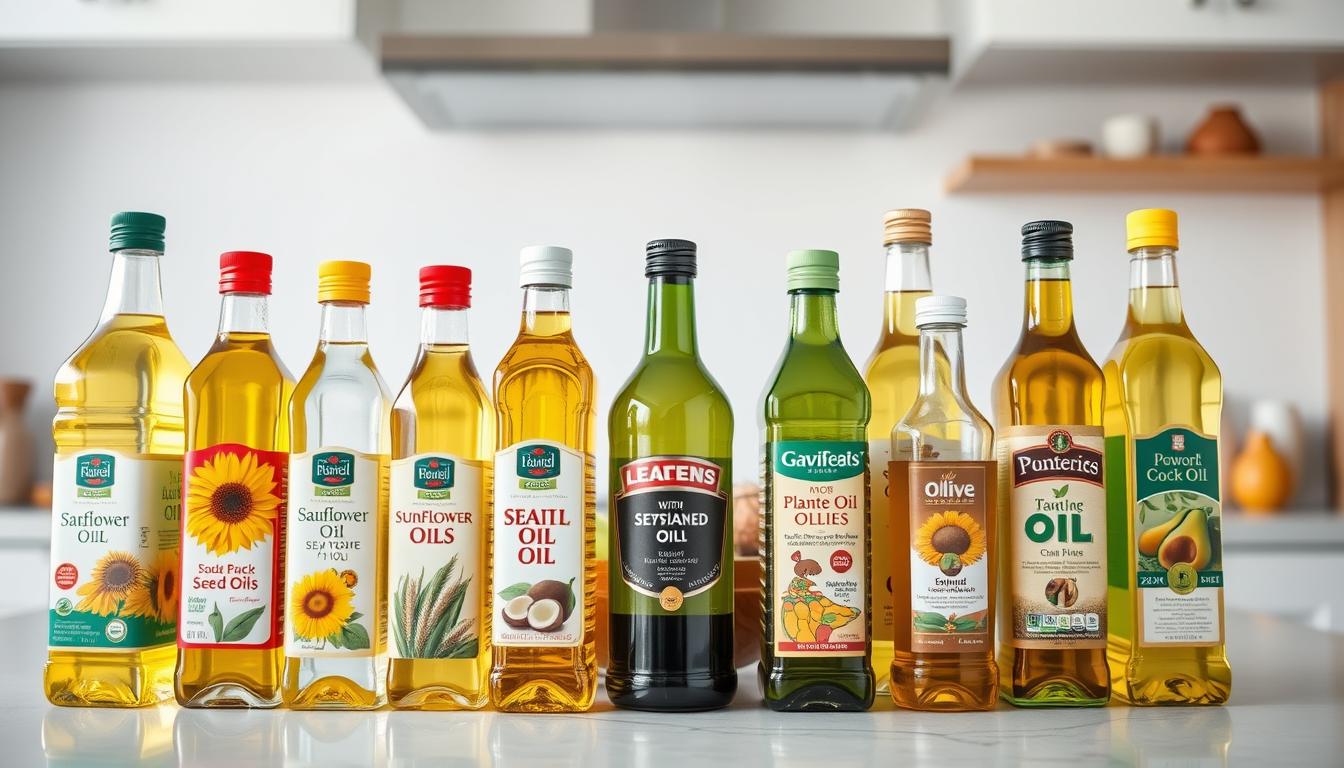
Manufacturers often disguise seed oils under vague terms. Look for:
- “Vegetable oil”: Usually soybean or canola oil.
- “Hydrogenated fats”: Sign of heavy processing.
- “Omega-6 rich”: Marketing spin for high linoleic acid content.
“Ingredients are listed by weight. If an oil is in the top five, reconsider the product.”
Common Hidden Sources
These foods often contain seed oils despite seeming healthy:
| Food Category | Surprising Examples |
|---|---|
| Dairy Alternatives | Non-dairy creamers, vegan cheeses |
| Snacks | Granola bars, protein powders |
| Condiments | Mayonnaise, salad dressings |
Restaurants pose another risk. Fryers often reuse oil for fried foods, increasing oxidation. Ask if they use separate fryers for different dishes.
Healthier Alternatives to Seed Oils
Switching from processed fats to healthier options doesn’t mean sacrificing flavor or convenience. Nutrient-dense oils and animal fats can elevate your cooking while supporting long-term wellness. Focus on minimally processed choices that align with how your body thrives.
Best Oils for High-Heat Cooking
Not all fats handle heat well. Avocado oil (smoke point 520°F) and coconut oil (450°F) resist oxidation, making them ideal for frying or roasting. Unlike seed oils, these retain nutrients even at high temperatures.
Refined coconut oil has a neutral taste, while unrefined adds a subtle sweetness. For deep frying, avocado oil’s stability prevents harmful compound formation.
Best Oils for Dressings and Low-Heat Use
Cold-pressed olive oil shines in dressings or drizzling. Rich in monounsaturated fatty acids, it supports heart health and absorbs vitamins from veggies. Flaxseed oil (never heated) offers omega-3s but requires refrigeration.
For baking below 350°F, try almond or macadamia nut oils. Their delicate flavors enhance muffins or pancakes without overpowering.
Animal Fats and Their Benefits
Grass-fed tallow and lard are making a comeback. Pasture-raised versions contain CLA and vitamin K2—linked to better bone and cardiovascular health. Conventional options lack these nutrients due to grain-fed diets.
Rendering your own tallow is simple:
- Trim fat from grass-fed beef.
- Simmer on low heat until liquid.
- Strain and store in jars for cooking.
Use lard for flaky pie crusts or tallow for crispy fries. These traditional fats add depth while avoiding industrial processing.
Practical Tips for Avoiding Seed Oils
Navigating grocery aisles without seed oils requires smart strategies. While they dominate processed foods, simple swaps and label literacy can help you sidestep them. Focus on whole-food alternatives that prioritize health without sacrificing convenience.

Cooking at Home
Your kitchen is the easiest place to control ingredients. Replace seed oils with stable fats like avocado or coconut oil for high-heat cooking. Serenity Kids snacks use avocado oil, proving healthier options exist.
When baking, opt for butter or ghee. These traditional fats enhance flavor while avoiding industrial processing. For dressings, cold-pressed olive oil retains nutrients lost in refined alternatives.
Dining Out Strategies
Restaurants often rely on seed oils for frying and sauces. Ask servers:
- Do you use separate fryers for different dishes?
- Can my meal be prepared with olive oil instead?
Brands like Siete Foods avoid these oils entirely—look for their tortillas or chips when eating out.
Choosing Processed Foods Wisely
Packaged items with long shelf life often contain seed oils. Check labels for:
- Expeller-pressed: Mechanically extracted (less chemical exposure).
- Cold-pressed: No heat used (preserves nutrients).
The Clean Oil Crew coalition (including Primal Kitchen and Fatworks) guarantees seed-oil-free products. Prioritize their items to simplify shopping.
Debunking Myths About Seed Oils
Conflicting advice about vegetable oils can leave you questioning what’s truly healthy. While some labels boast “heart-smart” benefits, newer studies challenge these claims. Let’s separate fact from marketing spin.
Are All Seed Oils Bad?
Blanket statements rarely apply to nutrition. Cold-pressed versions like sunflower or sesame oil retain more nutrients than chemically refined ones. The issue lies in processing—not necessarily the seeds themselves.
Moderation matters. Small amounts of unrefined varieties may fit a balanced diet, but heavily processed types dominate grocery shelves. Opt for oils labeled “expeller-pressed” or “cold-pressed” to avoid hexane residues.
The Truth About “Heart-Healthy” Claims
In the 1960s, the American Heart Association endorsed seed oils to lower cholesterol—without long-term safety data. Flawed studies ignored oxidation risks and heart disease correlations. Recent research reveals:
- Oxidized LDL (from reheated oils) harms arteries more than saturated fats.
- 2020 dietary guidelines now prioritize olive oil over soybean or corn oil.
“The demonization of butter was premature. We’re correcting decades of oversimplification.”
Brands like California Olive Ranch highlight this shift, using minimally processed fats backed by updated science.
Conclusion
Small changes in your kitchen can make a big difference for your health. Reducing seed oils may lower inflammation markers within weeks, according to recent studies.
Start by checking labels on pantry staples. Replace one item at a time with cleaner alternatives like olive or avocado oil. This gradual shift prevents overwhelm while improving your diet.
Brands avoiding seed oils simplify the transition. For personalized guidance, consider consulting nutrition experts who understand modern health challenges.
Your body thrives on quality fats. With mindful choices, you’ll enjoy meals while supporting long-term wellness.