Did you know 78% of packaged foods labeled “low-fat” contain additives that spike insulin levels more than table sugar? A 2023 study in the Journal of Clinical Nutrition found these hidden ingredients make you store fat, even in foods called “diet-friendly.”
It might shock you to find out that your morning yogurt or protein bar could be working against you. Many “healthy” foods, like sugar-free snacks or flavored oatmeal, have metabolic disruptors doctors don’t often talk about. Harvard Health research shows that artificial sweeteners and emulsifiers in these foods change your gut bacteria, affecting how you absorb calories.
But the biggest culprits aren’t just junk food. Things like granola, fruit smoothies, and gluten-free baked goods often have hidden sugars and inflammatory oils. A 2022 Yale study found these additives reduce fat-burning efficiency by 34% in adults trying to lose weight.
Moreover, your body reacts differently to processed “diet” foods than it does to whole foods. The issue is that most doctors focus on calorie counts, not the chemical additives that mess with your hunger signals. This leads to a frustrating cycle where you eat “right” but still can’t lose weight.
Key Takeaways
- Common diet foods often contain insulin-spiking additives
- Low-fat labels frequently hide metabolic disruptors
- Doctors rarely address processed food traps
- Whole foods outperform “diet” versions for fat loss
- Marketing claims can mask weight loss sabotage
That’s why knowing about these hidden diet pitfalls is crucial. Your favorite “healthy” foods might be slowing your metabolism and keeping you hungry. Let’s uncover the everyday foods secretly sabotaging your weight loss goals—and find out what to eat instead.
Why Your Weight Loss Efforts Aren’t Working
Struggling to lose weight? Hidden biological traps might be the reason. You track calories and exercise, but hormonal imbalances and metabolic confusion often go unnoticed. Let’s explore why your body might be working against you.
The Hidden Science of Metabolic Confusion
Your metabolism isn’t broken – it’s adapting. Eating too much sugar, even from “diet” products, makes your body store fat better. This survival mechanism is now a weight management curse.
How Insulin Resistance Creeps Up Unnoticed
That daily diet soda habit? It may increase glucose intolerance by 20-30%. Your cells stop responding to insulin, leading to:
- Your pancreas working overtime
- Fat cells becoming “sticky” for calories
- Energy crashes leading to more cravings
“Liquid calories and artificial sweeteners trick the metabolism into preparing for sugar that never arrives, creating metabolic confusion.”

Your appetite isn’t just willpower – it’s a hormonal battle. Leptin and ghrelin control your cravings, but modern diets upset their balance:
| Hormone | Role | Saboteurs |
|---|---|---|
| Leptin | Signals fullness | Sleep deprivation, processed foods |
| Ghrelin | Triggers hunger | Stress, irregular meals |
Late-night cravings? Blame cortisol spikes that boost ghrelin by up to 45%. This is why willpower often fails after sunset – your body craves quick energy.
The Foods That Are Sabotaging Your Weight Loss
Your kitchen might be hiding foods that look healthy but aren’t. These foods have labels that make them seem good for you. But, they can actually stop you from losing weight. Let’s look at two types of unhealthy foods for weight loss that can slow you down.
#1: Sugar-Free Products With Hidden Dangers
“Sugar-free” products often use chemicals instead of sugar. These chemicals can mess with your body’s metabolism. A study found that artificial sweeteners like sucralose can make your body think it’s getting real sugar. This can lead to storing fat instead of burning it.
Artificial Sweeteners That Spike Insulin
A 2023 study showed that aspartame can raise insulin levels by 20% in some people. Your brain also gets a signal to be hungry when it tastes something sweet. This can make you want to eat more sugary foods. So, diet soda can actually be a weight loss roadblock.
Maltodextrin: The Worst Sugar Substitute
Maltodextrin is found in protein shakes and “low-carb” snacks. It has a high glycemic index, even higher than table sugar. Just one serving of sugar-free pudding mix has 4g of maltodextrin. This can mess up ketosis in people on low-carb diets.
#2: “Healthy” Processed Snacks
When you look at the “health” aisle in the grocery store, you’ll find foods that aren’t as healthy as they seem:
Protein Bars With More Sugar Than Candy
Many protein bars have 12-15g of sugar, which is as much as a Snickers. Here are some comparisons:
| Product | Sugar (g) | Protein (g) |
|---|---|---|
| Quest Bar | 1 | 21 |
| RXBAR | 13 | 12 |
| Snickers | 20 | 4 |
Veggie Chips Nutritional Reality Check
Most veggie chips don’t have much real vegetable in them. A standard serving has:
- Same calories as regular potato chips (150 per ounce)
- 3x less fiber than raw carrots
- Added starches for crunch
Fresh bell pepper slices are a better choice. They have more nutrients and fewer calories, helping you avoid weight loss roadblocks.
Low-Fat Foods Making You Fat
You’ve been told low-fat foods are better for you, but your waistline says otherwise. It turns out, these foods might actually be working against your weight loss. Let’s look at two common culprits that are hiding in plain sight.
The Great Low-Fat Dairy Deception
How They Replace Fat With Sugar
When fat is removed from yogurt or milk, sugar is often added to make it taste better. A single cup of flavored low-fat yogurt can have 19g of added sugar. That’s almost half of what you should have in a day. Full-fat plain yogurt, on the other hand, has only 5g of milk sugars.
| Yogurt Type | Total Fat | Added Sugars | Protein |
|---|---|---|---|
| Low-Fat Strawberry | 2g | 19g | 5g |
| Full-Fat Plain | 8g | 5g | 9g |
Why Full-Fat Keeps You Fuller Longer
Fat helps slow down digestion, making you feel full for longer. Research shows that eating full-fat dairy:
- Reduces calorie intake by 300 daily
- Lowers obesity rates
- Prevents sugar crashes
Salad Dressings That Undo Your Progress
Bottled “Light” Dressings Analyzed
That fat-free ranch might save 50 calories, but look at what’s in it. Many contain:
- High-fructose corn syrup
- Artificial thickeners
- Processed soybean oil
Healthy Oil vs Processed Oil Showdown
Real olive oil dressings have monounsaturated fats that boost metabolism. But light dressings have processed oils that are bad for you. Make your own dressing with:
- 3 parts extra virgin olive oil
- 1 part vinegar
- Pinch of sea salt
Your “healthy” choices might be hiding a lot of sugar. Always check the labels – not just the calorie count – to avoid foods that hinder weight loss.
“Healthy” Foods That Are Actually Sabotaging You
You might think you’re making smart choices, but some trendy “health” foods pack more sugar and calories than a dessert menu. Let’s uncover the worst offenders hiding in plain sight.
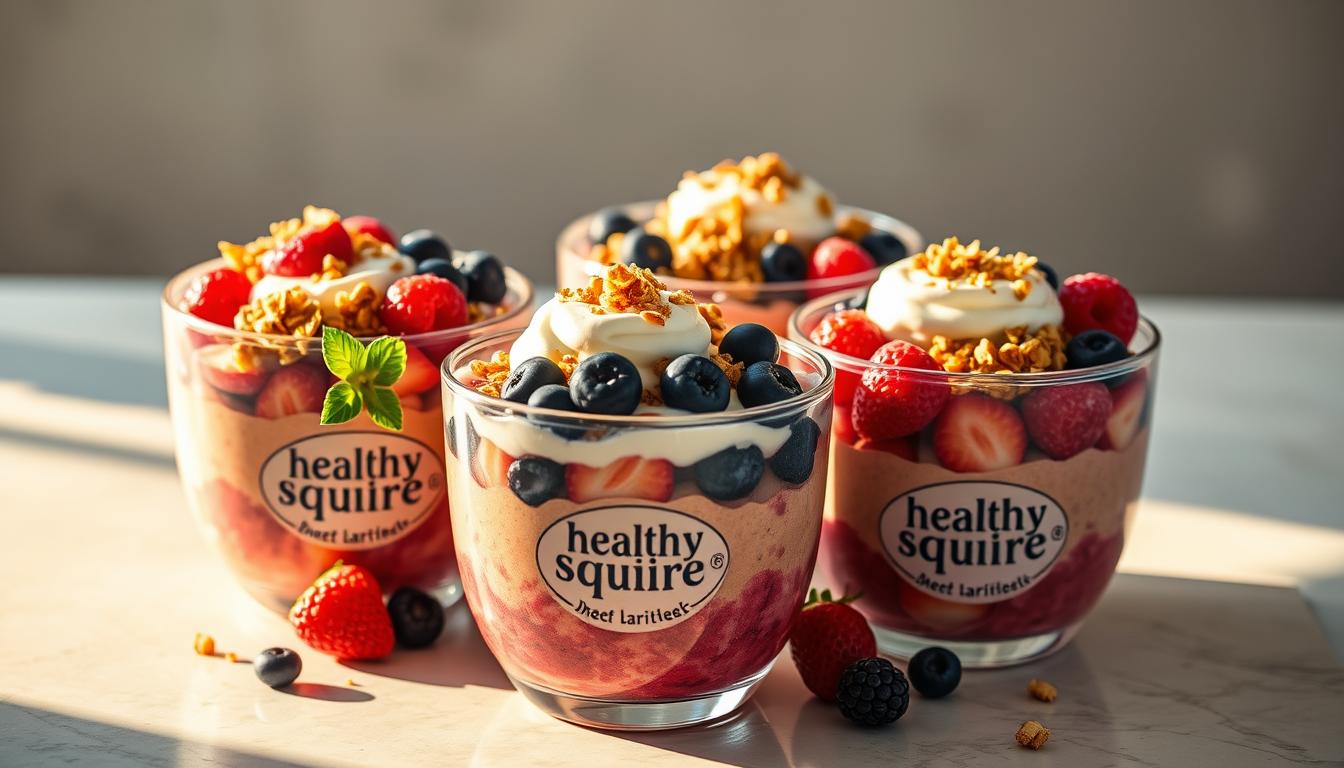
Smoothie Bowl Calorie Bombs
These Instagram-worthy bowls often contain 50–70 grams of sugar – more than two cans of soda. The acai base alone can hide 25g of sugar, while toppings like granola and honey drizzle add another layer of sweet trouble.
Acai Bowl Sugar Content Revealed
A typical 16oz acai bowl contains:
- Base blend: 25g sugar (from juice and frozen fruit)
- Granola topping: 12g sugar
- Honey drizzle: 14g sugar
Better Breakfast Alternatives
Swap sugar bombs for these balanced options:
| Option | Protein | Fiber | Sugar |
|---|---|---|---|
| Chia pudding | 6g | 10g | 3g |
| 2 eggs + avocado | 12g | 4g | 1g |
| Greek yogurt bowl | 20g | 3g | 5g |
Granola: Nature’s Candy
That “heart-healthy” granola might be 20% sugar by weight. Store-bought versions often use three types of sweeteners: brown sugar, honey, and maple syrup.
Store-Bought vs Homemade Comparison
| Type | Sugar/Serving | Fat/Serving | Calories |
|---|---|---|---|
| Popular brand | 14g | 10g | 240 |
| Homemade | 5g | 6g | 180 |
Portion Control Landmines
Granola expands in milk, tricking you into eating 2–3 servings. Use these visual cues:
- 1/4 cup = golf ball size
- Mix with unsweetened coconut flakes
- Pre-portion into snack bags
Beverages Blocking Fat Loss
What you drink can hurt your weight loss more than you think. Food choices get all the attention, but drinks often sneak up on us. Let’s look at two big culprits and their effects on metabolism.
Alcohol’s Triple Threat to Metabolism
Your evening wine does more than add calories. It makes your body burn fat slower, up to 73% slower, for hours after drinking. This slows down fat burning and makes you snack more at night.
Why Your Wine Habit Matters
One 5-ounce glass of red wine has 125 calories. But alcohol weakens your willpower. Studies show drinkers eat 300+ extra calories from snacks when drinking. This can stop your weight loss progress.
Low-Calorie Mixer Traps
Diet sodas in drinks seem like a good choice, but they’re not. Artificial sweeteners raise insulin levels, making your body store fat. So, your vodka soda might not be as healthy as you think.
Fruit Juice vs Whole Fruit
That morning orange juice might not be as healthy as you think. It lacks the fiber of whole fruit, turning it into liquid sugar. This can raise your blood sugar levels like a candy bar.
| Fiber Content | Glycemic Impact | |
|---|---|---|
| 8oz Orange Juice | 0.5g | High |
| Whole Orange | 3.1g | Low |
Fiber Removal Consequences
Juicing removes 90% of fruit’s fiber. This fiber slows down sugar absorption. Without it, your liver turns excess sugar into fat.
Blood Sugar Spike Comparison
One study found drinking apple juice raised blood sugar by 30% more than eating whole apples. This ups and downs in blood sugar lead to cravings and energy crashes, making it hard to control calories.
Switching to water, herbal teas, or citrus-infused water can help with fat loss. Remember, what you drink is as important as what you eat.
Diet Products That Backfire
You might have tried meal replacement shakes or 100-calorie snack packs thinking they’d make losing weight easier. But these “shortcuts” often lead to diet pitfalls that slow down your progress. Let’s look at two common culprits that are easy to overlook.
Meal Replacement Shakes Exposed
Many shakes claim to offer balanced nutrition but often include synthetic vitamins that are hard for your body to use. Research shows that artificial nutrients like lab-made vitamin E are 50% less effective than vitamins found in whole foods. This means you might not get the nutrients you need, even if you’re eating “complete” meals.
Artificial Nutrients Absorption Issues
Your body isn’t made to digest isolated compounds. For example:
- Iron from spinach is absorbed 3x faster than iron supplements in shakes
- Synthetic vitamin C lacks the flavonoids that enhance its effectiveness
Liquid Calories Satiety Problem
Shakes skip the chewing process that tells your brain you’re full. A 2023 UCLA study found that liquid meals make people 27% hungrier two hours later than solid foods with the same calories.
| Factor | Meal Shake | Whole Food Meal |
|---|---|---|
| Chewing Time | 0 seconds | 8-10 minutes |
| Protein Absorption | 68% | 92% |
| 3-Hour Satiety Score | 4.1/10 | 7.8/10 |
100-Calorie Pack Psychology
These small snacks play on a mental trick. Foods with “health halos” make people eat 35% more calories in the next meal, Cornell research shows.
Why Portion Control Fails
Pre-portioned packs lead to three big mistakes:
- “I’ve saved calories, so I can eat more later”
- “This is diet-approved, so seconds are safe”
- “Small packaging means unlimited frequency”
Mindless Eating Triggers
The sound of opening multiple packs can make you snack mindlessly. Nutritionists call this the “chipmunk effect” – it tricks your brain into thinking you’re not full.
| Snack Format | Average Consumption | Calorie Intake |
|---|---|---|
| 100-Calorie Packs | 2.7 packs/session | 270 calories |
| Standard Bag | 28g portion | 150 calories |
| Bulk Container | 17g portion | 85 calories |
To avoid these weight loss roadblocks, it’s important to understand how engineered foods affect your body and habits. Instead of shakes, eat real meals. Use single-serve containers that you fill yourself.
Restaurant Foods That Undermine Progress
Dining out is a treat, but hidden ingredients can ruin your fitness goals. Menus often hide calorie bombs in healthy-looking dishes. This makes it easy to eat weight loss saboteurs without knowing it. Let’s look at two common culprits that might surprise you.
Soup & Salad Combo Deception
That cozy bowl of soup and crisp greens might seem harmless. But restaurants often turn this duo into a fat-storage trap. Here’s how:
Cream-Based Soup Pitfalls
Broth-based soups get swapped for creamy versions with 400+ calories per cup. A New England clam chowder can have more saturated fat than a cheeseburger. Always ask about preparation methods – words like “bisque” or “chowder” usually signal heavy cream.
Crouton and Dressing Disasters
Restaurant salads become calorie minefields through:
- Sugar-laden dressings (some contain 20g sugar per serving)
- Fried croutons adding empty carbs
- Oversized portions that triple calorie counts
Request dressings on the side and substitute croutons with nuts or seeds for crunch.
Sushi Roll Sugar Content
Don’t let the seaweed wrapper fool you – many sushi rolls contain more sugar than a candy bar. Here’s what to watch for:
Sticky Rice Glucose Load
Sushi rice often gets drenched in a sweet vinegar mixture. A single roll can have 3 teaspoons of added sugar just in the rice. Opt for sashimi or request lightly seasoned rice to avoid this hidden spike.
Tempura Deception in “Healthy” Rolls
Menus promote “crunchy shrimp” rolls without mentioning the fried tempura batter. One tempura piece adds 80+ calories of refined carbs. Always ask about preparation methods – terms like “crispy” often mean fried.
Smart swaps let you enjoy restaurant meals without guilt. Choose clear soups over creamy ones, and prioritize protein-heavy sushi options. With these tweaks, you’ll sidestep the worst unhealthy restaurant foods and keep your progress on track.
Condiments That Add Inches
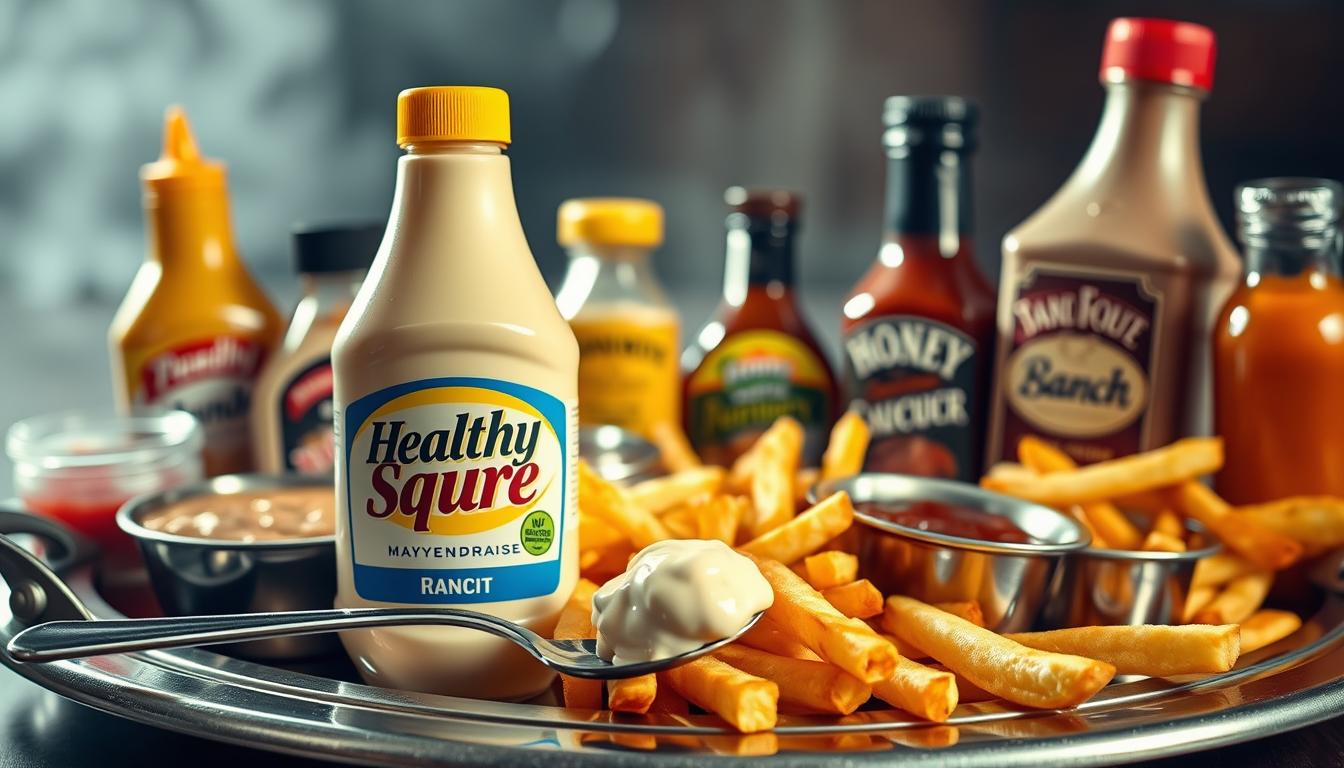
You might track every calorie in your meals, but what about the squeeze of ketchup or drizzle of BBQ sauce? These everyday toppings often hide more sugar than a candy bar – and they’re quietly undermining your weight loss goals.
Ketchup: Liquid Candy
That bright red bottle contains 4 grams of sugar per tablespoon – mostly from high fructose corn syrup. Drenching your fries in three tablespoons adds 12 grams of sugar, equivalent to swallowing a packet of Skittles.
High fructose corn syrup content
HFCS tricks your metabolism by spiking insulin faster than regular sugar. Studies show it increases belly fat storage by 25% compared to natural sweeteners.
Healthy dip alternatives
- Fresh salsa (1g sugar per 2 tbsp)
- Greek yogurt + lemon zest (0g added sugar)
- Mashed avocado with chili flakes
BBQ Sauce Sugar Load
Your grilled chicken becomes a dessert when slathered with BBQ sauce. Most brands pack 6-8 grams of sugar per tablespoon – molasses and brown sugar are the main culprits.
Per tablespoon breakdown
| Brand | Sugar (g) | Equivalent |
|---|---|---|
| Sweet Baby Ray’s | 7 | 1.5 Hershey’s Kisses |
| Stubbs | 4 | 1 tsp honey |
Smoky flavor alternatives
Try these bold substitutes that won’t derail your progress:
- Mustard + smoked paprika + apple cider vinegar
- Low-sodium soy sauce + liquid smoke
- Chimichurri sauce (herbs + olive oil)
Gluten-Free Doesn’t Mean Lean
Switching to gluten-free foods might seem like a health win. But, many products quietly work against your weight goals. Let’s uncover why “free from gluten” doesn’t equal “free from consequences” for your waistline.
Processed GF Products Analysis
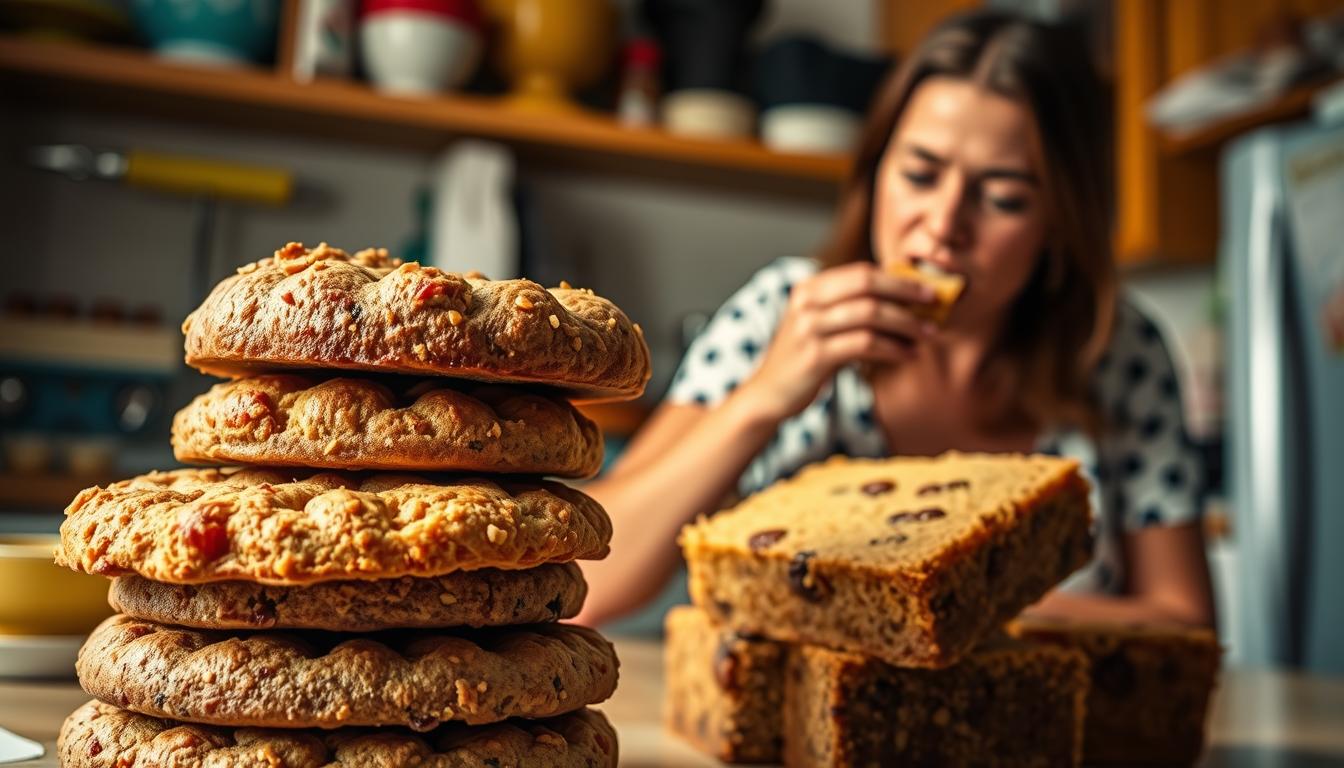
Gluten-free snacks often replace wheat with calorie-dense ingredients like rice flour and tapioca starch. These swaps create three hidden problems:
Higher Fat Content Revealed
To mimic the texture of gluten-containing foods, manufacturers add extra fats. A single GF cookie can contain 40% more saturated fat than its traditional counterpart. This stealthy calorie boost turns “healthy” snacks into diet saboteurs.
Blood Sugar Impact Studies
Research shows GF breads cause faster blood sugar spikes than whole-grain wheat versions. The lack of fiber in rice-based flours allows rapid glucose absorption, triggering hunger cycles that derail portion control.
Rice-Based Product Pitfalls
Many gluten-free alternatives rely heavily on white rice flour. Here’s why that matters:
Glycemic Index Comparison
| Food | Glycemic Index | Fiber Content |
|---|---|---|
| White Rice Flour | 72 | 1g |
| Quinoa Flour | 53 | 5g |
| Cauliflower Rice | 10 | 3g |
Nutrient Absorption Blockers
Rice-based products contain phytic acid, which reduces your body’s ability to absorb iron and zinc. This creates a double whammy – empty calories and hidden nutrient deficiencies that slow metabolism.
Smart swaps make all the difference. Try almond flour crackers or lentil-based pasta to avoid these gluten-free traps while keeping meals satisfying and nutrient-rich.
Late Night Snacking Traps
Your after-dark cravings might seem harmless, but they can be a sneaky weight loss roadblock. When it’s dark, your body and food choices work against your goals. Here’s how to fight back.
Midnight Carb Cravings
Cortisol levels peak at night, making you crave quick energy. This stress hormone doesn’t just keep you awake. It also makes you want foods like potato chips and cookies.
Cortisol Connection Explained
Research shows cortisol increases glucose production. This makes your body want carbs to balance blood sugar. A 2022 study found people ate 34% more carbs on stressful evenings than calm ones.
Circadian Rhythm Eating Windows
Your metabolism slows by 15% after sunset. Eating late disrupts sleep and fat-burning cycles. Try this schedule:
- Finish dinner 3 hours before bed
- Drink herbal tea if hungry later
- Close the kitchen after 8 PM
Healthy-Sounding Nighttime Snacks
Many “light” options have hidden calories that undo your daytime discipline. Let’s look at two common traps:
Greek Yogurt Additives
Flavored Greek yogurts have up to 24g sugar per cup – that’s 6 teaspoons. Some brands have as much sugar as a glazed doughnut! Choose plain Greek yogurt and add fresh berries for sweetness.
Nut Butter Portion Dangers
Two tablespoons of almond butter = 190 calories. Most people use 4+ tablespoons on apples at night. Use measuring spoons or try this hack:
“Pre-portion single servings in shot glasses – it limits overeating while satisfying cravings.”
Nighttime eating doesn’t have to stop your progress. Recognize these traps, and you’ll wake up lighter – literally and figuratively.
Emotional Eating Triggers
Your cravings might not be about hunger but hidden psychological patterns. Emotional eating turns food into a coping mechanism, derailing weight loss. Modern environments make this struggle worse.
When Stress Hijacks Your Plate
Daily pressures raise cortisol levels, creating a biological tug-of-war. This stress hormone increases cravings for sugary, salty foods by 37%, studies show. Your brain looks for quick energy fixes, making vending machine runs seem automatic.
The Cortisol vs Willpower Battle
Office snack culture makes this worse. Shared birthday cakes and candy bowls are traps for those trying to eat mindfully. Researchers found employees eat 28% more calories when treats are out at desks.
Redesigning Your Food Environment
- Keep pre-portioned almonds or roasted chickpeas in your desk drawer
- Use a dedicated “snack cup” to avoid mindless handfuls from large bags
- Schedule walking meetings to bypass break room temptations
Boredom’s Empty Calories
Evening screen time often leads to unconscious nibbling. A 2023 study showed people eat 44% more calories when distracted by devices. Your hands reach for food when they’re idle.
Breaking the Mindless Munch Cycle
Try these environment shifts to curb boredom eating:
- Store snacks in opaque containers instead of clear jars
- Keep cut vegetables at eye level in the fridge
- Use small plates for nighttime portions
The Power of Replacement Habits
When the urge to snack strikes, delay for 10 minutes with a non-food activity. Try folding laundry, organizing a drawer, or a quick stretching routine. This gap helps you tell true hunger from emotional triggers.
Recognizing these patterns is your first defense against weight loss saboteurs. By creating physical barriers to impulsive eating and mental strategies to handle emotions, you regain control over food choices.
Exercise Compensation Myths
Many people struggle with weight loss because of exercise myths. Even if you work out a lot, wrong habits after exercise can undo your efforts. Let’s look at two big mistakes that can ruin your hard work.
Post-Workout Overeating
After a tough workout, you might think you deserve a treat. But, the truth is, most people overestimate calories burned by 30-50%. For example, a 45-minute jog might burn 300 calories, but a smoothie bowl can have 500+ calories.
Calorie Burn Misconceptions
Fitness trackers often show too high numbers, making you feel like you’ve burned more calories. Studies show people eat 2-3 times more calories than they actually burn, based on these trackers.
“People treat workouts like calorie credit cards—it’s a dangerous oversimplification.”
“I Earned This” Mentality Dangers
Thinking food is a reward after exercise can be harmful. Instead of a big burger, try:
- Protein-rich snacks like Greek yogurt
- Hydration-focused recovery (water + electrolytes)
- Mindful portion control
Sports Drink Dehydration
That bright sports drink might not be good for you during moderate workouts. It has 20-34g of sugar per bottle, which is like 6-8 teaspoons.
Electrolyte Imbalance Risks
Electrolytes are important for intense workouts, but most gym-goers don’t need special drinks. Too much sodium without enough water can dehydrate you. Watch for:
- Muscle cramps despite hydration
- Unusual fatigue post-workout
- Dark yellow urine
Natural Hydration Alternatives
Instead of artificial drinks, try these:
| Option | Benefits | Sugar Content |
|---|---|---|
| Coconut water | Natural potassium | 6g per cup |
| Lemon-infused water | Digestive support | 0g |
| Herbal tea (chilled) | Antioxidants | 0g |
Medical Blind Spots
When you’re doing everything right but still struggling with weight, hidden medical factors could be your silent saboteurs. Many doctors focus on calorie counts and exercise plans. They overlook critical health conditions and prescription side effects that lock your metabolism in survival mode.

Thyroid Issues Often Overlooked
Your thyroid acts like a metabolic thermostat. But standard testing often misses subtle imbalances. Nearly 60% of subclinical hypothyroidism cases go undiagnosed because providers rely solely on basic TSH screenings.
TSH Test Limitations Explained
The TSH test measures thyroid-stimulating hormone from your pituitary gland, not actual thyroid hormones. It’s like judging a car’s speed by how hard someone presses the gas pedal. Stress, nutrient deficiencies, and autoimmune conditions can distort results while your metabolism suffers.
Optimal vs Normal Ranges
Lab “normal” TSH ranges (0.4-4.0 mIU/L) include millions of people with sluggish thyroids. Functional medicine experts recommend:
- Ideal TSH: 1.0-2.0 mIU/L
- Free T3 levels above 3.2 pg/mL
- Reverse T3 ratio under 15:1
Ask for full thyroid panels including T3, T4, and thyroid antibodies to get the full picture.
Medication Weight Gain Factors
Common prescriptions can add pounds through multiple mechanisms – increased appetite, slowed metabolism, or fluid retention. A Johns Hopkins study found 25% of weight struggles link to medications doctors rarely discuss.
Common Prescriptions Analyzed
| Medication | Common Use | Weight Impact | Alternatives |
|---|---|---|---|
| SSRIs (Lexapro) | Depression | +5-15 lbs in 6 months | Wellbutrin, CBT therapy |
| Beta-blockers | Blood pressure | Slows metabolism 8-12% | ACE inhibitors |
| Steroids | Inflammation | Fluid retention + appetite | Low-dose NSAIDs |
Doctor Communication Strategies
Prepare for appointments with:
- 3-month weight trend chart
- Medication start dates vs weight changes
- Research on weight-neutral alternatives
Say: “I want to optimize both my health conditions and metabolic function. What options might work better for my goals?” This collaborative approach gets better results than demanding medication changes.
Real Solutions That Work
Breaking through weight loss plateaus means moving beyond quick fixes to science-backed strategies that work. We’ll focus on methods that tackle issues like insulin resistance and improve metabolic flexibility.
Blood Sugar Stabilizing Foods
Managing glucose spikes is key to reducing fat storage. These two methods work together to keep your energy levels stable:
Chromium-Rich Options List
- Broccoli (1 cup provides 22% DV)
- Cinnamon (½ tsp daily improves insulin sensitivity)
- Pasture-raised eggs (contains chromium and healthy fats)
- Green beans (steamed retains nutrients best)
Fiber Pairing Techniques
Pair soluble fiber with protein or healthy fats to slow digestion. Try these:
- Apple slices + almond butter
- Chia seeds in Greek yogurt
- Roasted Brussels sprouts + olive oil
Metabolic Reset Strategies
Rebooting your body’s fat-burning mechanisms needs strategic triggers. These methods work best together:
Intermittent Fasting Protocols
The 14:10 method balances results with sustainability:
- Finish dinner by 7 PM
- Delay breakfast until 9 AM
- Hydrate with lemon water during fasting hours
Cold Exposure Benefits
Activate brown fat through these practical methods:
- 60-second cold showers (build tolerance gradually)
- Ice pack on upper back for 20 minutes
- Outdoor walks in 55°F weather without heavy coats
These weight loss solutions offer compounding benefits with consistent use. Pair chromium-rich foods with timed eating windows. Cold therapy enhances results. This multi-angle approach drives real metabolic reset without extreme measures.
Reclaim Your Progress With Science-Backed Strategies
Your journey to weight loss success starts with spotting hidden obstacles. Products without sugar but with artificial sweeteners like aspartame can fool your metabolism. Also, “low-fat” labels often hide added sugars in foods like flavored yogurts. These tricks can lead you astray by making you think they’re healthy.
Changing your diet for the long term is more effective than quick fixes. Try replacing processed gluten-free snacks with roasted chickpeas. Swap sugary condiments for lemon-infused olive oil, and pick whole fruits over juice. Apps like MyFitnessPal help track hidden sugars, and registered dietitians offer personalized plans to reset your metabolism.
Focus on keeping your blood sugar stable with protein-rich breakfasts and fiber-rich meals. Studies show that combining this with stress management can reduce emotional eating. Make sure to check in with healthcare providers to tackle overlooked issues like thyroid function or medication side effects.
Real success comes from listening to your body and avoiding quick fixes. Keep a record of your food, sleep, and energy levels to find your personal triggers. Making small, consistent changes leads to lasting habits that support your health goals without extreme restrictions.