Did you know 72% of Americans in a 2023 survey couldn’t name a single food used for centuries in traditional medicine? These foods help reduce inflammation and boost immunity. Modern healthcare often focuses on prescriptions, leaving behind nutritional powerhouses that studies show are beneficial.
Medical training usually doesn’t emphasize dietary solutions. It focuses more on treating symptoms than finding the root cause. Yet, cultures around the world have used plant-based remedies and fermented staples for ages. Foods like turmeric, kimchi, and moringa leaf have been linked to better gut health, stable blood sugar, and mood improvement.
You don’t need fancy supplements or strict diets to find holistic healing. Many healing foods are already in your pantry or local grocery store. The problem is awareness: medical schools teach very little about nutrition, leading to a lack of good dietary advice.
This isn’t about rejecting science—it’s about broadening it. Both ancient wisdom and modern labs say food is more than just fuel. It’s a form of preventive medicine waiting to be rediscovered.
Key Takeaways
- Conventional medicine often overlooks food-based solutions supported by historical and scientific evidence
- Everyday ingredients can address issues like inflammation, digestion, and immune function
- Nutritional gaps in medical training contribute to underappreciated dietary strategies
- Holistic healing blends traditional knowledge with contemporary research
- Accessible, affordable options exist beyond trendy superfoods
Why Conventional Medicine Overlooks Nutritional Powerhouses
Doctors are great at treating sudden illnesses. But, they often overlook natural remedies and food-based solutions. This isn’t because these options don’t work. It’s because of big challenges in today’s healthcare.

The Hidden Challenges in Modern Nutrition Guidance
Medical schools focus more on drugs than on what we eat. A 2022 JAMA study found that most schools teach nutrition for less than a weekend. They give students fewer than 25 hours of nutrition education.
Focus on Pharmaceutical Solutions
How doctors get paid can influence what they recommend. Insurance often pays more for drugs than for teaching about healthy eating. Here’s a comparison:
| Approach | Average Consultation Time | Insurance Reimbursement |
|---|---|---|
| Medication Review | 8 minutes | $85-$120 |
| Nutrition Counseling | 22 minutes | $35-$60 |
This setup makes doctors lean towards quick fixes like drugs. They might not have time to teach about doctor-recommended foods that need more explanation.
Time Constraints in Clinical Practice
Primary care visits usually last only 17 minutes, says the CDC. A doctor once said:
“We’re trained to spot problems, not to talk about green smoothies. With no time, it’s simpler to write a prescription than to explain how natto helps bones.”
This lack of time means natural remedies often get ignored. Even though they’re proven to work. Patients usually have to ask about food-based solutions themselves.
The Healing Foods Your Doctor Might Never Mention
While multivitamins fill pharmacy shelves, nature’s best remedies grow in gardens and wild places. True healing isn’t about pills or single nutrients. It’s about whole foods full of compounds that science is still learning about.

Defining True Healing Nutrition
Forget the old food pyramids. Real healing foods work in three ways:
- They have many nutrients that help your body absorb them better.
- They contain bioactive compounds that target specific health effects.
- They have phytochemicals that help control how genes work.
“A blueberry has over 400 different phytochemicals—no lab can make this.”
Beyond Basic Vitamins and Minerals
These nutrient-dense foods give you more than just what you need for the day:
- Sulforaphane in broccoli sprouts boosts detox enzymes.
- Anthocyanins in black rice protect your cells.
- Lignans in flaxseed help balance hormones.
Bioactive Compounds Explained
Functional foods have special molecules that:
- Help control inflammation.
- Boost how cells repair themselves.
- Support a healthy mix of gut bacteria.
For example, curcumin in turmeric works better with turmerones. This makes it 300% more effective than isolated extracts. This is why some foods are better than drugs for long-term health issues.
Forgotten Ferments: Ancestral Superfoods
Before probiotics were common, ancient cultures used fermentation. They turned simple foods into powerful health boosters. These foods are great for your gut and help you absorb nutrients better.

Kvass: Eastern Europe’s Digestive Tonic
Kvass is a red drink made from fermented beets and rye. It’s a favorite in Russia and Ukraine. Unlike sweet kombucha, kvass is tangy but not too sweet.
Beet Kvass Benefits
Liver support and blood purification are key benefits. Research shows it has:
- Nitrates for better blood flow
- Betaine for detox
- Lactic acid bacteria for gut health
Traditional Preparation Methods
To make real kvass, you need just three things:
- Chopped organic beets
- Filtered water
- Sea salt or whey starter
| Method | Duration | Key Factor |
|---|---|---|
| Open crock | 3-5 days | Daily stirring |
| Mason jar | 7-10 days | Burping lids |
Natto: Japan’s Sticky Secret
Natto is fermented soybeans with a slimy texture and strong smell. It’s not for everyone, but it’s packed with nutrients.
Vitamin K2 Content
One serving has over 1000% of your daily vitamin K2. It helps put calcium in bones, not arteries. Studies show it can lower hip fracture risk and improve bone density.
Cardiovascular Benefits
Natto’s nattokinase enzyme is good for blood flow:
| Marker | Improvement | Timeframe |
|---|---|---|
| Blood pressure | 10-15% reduction | 8 weeks |
| Clot dissolution | 2x faster | Single dose |
For the best effect, eat natto with mustard or shiso leaves. They help you absorb more nutrients.
Desert Adaptogens: Survival Superplants

Harsh desert environments give us some of nature’s toughest functional foods. These plants have learned to survive in tough conditions. They offer amazing human health benefits when we eat them. Unlike other superfoods, desert adaptogens are both food and medicine.
Prickly Pear Cactus
This desert plant is not just pretty. For centuries, native people have used it to help with health issues.
Blood Sugar Regulation
The cactus has fibers that slow down how fast carbs are absorbed. Research shows it can help keep blood sugar levels stable. This is great for people with metabolic health problems.
Anti-Inflammatory Properties
The fruit’s betanin pigments are strong antioxidants. Eating it regularly might help with joint pain and muscle soreness after exercise, studies suggest.
Mesquite Pod Flour
This flour is made from sweet desert pods. It’s gluten-free and packed with nutrients. It’s a natural sweetener that’s good for you.
Low Glycemic Sweetener
Mesquite has a lower glycemic index than sugar. It gives energy slowly, so you stay focused without crashing.
Prebiotic Fiber Content
Mesquite is full of soluble fiber, making up about 25% of it. Research says:
“Prebiotic fibers prove essential for restoring gut function after physiological stress”
Adding these desert functional foods to your diet is a smart health move. Try prickly pear juice in smoothies after working out. Or use mesquite flour in baked goods for lasting energy.
Aquatic Nutrient Bombs
While land-based superfoods get a lot of attention, the ocean holds some of the most powerful nutrients. Aquatic plants and algae soak up minerals from the water, offering unique health benefits. These benefits are often missing in our diets today.
Sea Vegetables Beyond Nori
For centuries, coastal communities have used sea plants for health. But most stores only sell a few types. Two lesser-known sea greens offer natural remedies with high mineral content.
Dulse for Thyroid Health
Dulse seaweed has twice as much iodine as nori. Iodine is key for your thyroid to work right. Just a small amount of dried dulse gives you all the iodine you need daily.

Irish moss is known for its soothing gel. It’s used in Caribbean medicine to calm coughs and bronchitis. Research shows it might also help reduce lung inflammation.
| Sea Vegetable | Key Minerals | Therapeutic Action |
|---|---|---|
| Dulse | Iodine, Potassium | Supports thyroid function |
| Irish Moss | Magnesium, Sulfur | Reduces mucus viscosity |
Freshwater Superfoods
Waterways inland also have amazing nutrient-dense foods. Aquatic plants in rivers and ponds soak up nutrients from their surroundings.
Watercress Cancer Prevention
Watercress is packed with a compound that fights tumors. Eating 2 cups a week might lower the risk of breast and lung cancer.
Duckweed Protein Potential
Duckweed is often seen as pond scum but it’s actually a superfood. It has 45% complete protein, more than soybeans. NASA is even looking at it for space food because of its fast growth and protein content.
| Freshwater Plant | Protein per 100g | Unique Nutrients |
|---|---|---|
| Watercress | 2.3g | PEITC, Vitamin K |
| Duckweed | 25g | All essential amino acids |
To add these nutrient bombs to your diet, try dulse flakes in soups or Irish moss in smoothies. Watercress makes a great salad base. Duckweed flour can add protein to your baked goods.
Insect-Based Nutrition
Insects are a superfood often ignored in Western diets. They are a very efficient source of protein. They need 90% less land than cattle and have similar nutrients, which is great for the planet.
Cricket Protein Benefits
Cricket flour has all nine essential amino acids. This makes it better than most plant proteins. It has 13g of complete protein and only 1.5g of saturated fat, which is good for muscles and heart.
Complete amino acid profile
Cricket protein has methionine and lysine, two amino acids missing in many vegetarian diets. This is why it’s great for athletes and those who don’t eat meat.
Sustainable farming advantages
Cricket farming is much better for the environment than beef farming. They produce 100x fewer greenhouse gases. They also convert feed to protein 12x more efficiently and need very little water:
| Resource | Crickets | Beef Cattle |
|---|---|---|
| Water per kg protein | 1 liter | 22,000 liters |
| Feed conversion ratio | 1.7:1 | 10:1 |
| Land use per kg protein | 15 sq ft | 250 sq ft |
Mealworm Iron Content
Mealworms have 2.5mg of iron per 100g, almost double spinach’s iron. Their iron is in the heme form, just like red meat.
Comparison to beef
Beef has 2.7mg of iron per 100g, but mealworms have it without cholesterol or saturated fats. With vitamin C-rich foods, insect iron is 2x more bioavailable than plant-based options.
Bioavailability factors
Three things help mealworm iron absorption:
- Presence of heme iron (unlike plant sources)
- Low phytate content compared to legumes
- Natural vitamin B12 aiding red blood cell formation
Insect nutrition is a great solution for iron deficiency without harming the planet. Wellness advice is starting to see insects as a good, ethical, and nutritious choice.
Flower Power Phytochemicals

Your garden is full of healing powers that doctors often overlook. These colorful plants have special compounds that help with heart health and fight off germs. They do this all naturally, without the need for man-made drugs.
Edible Hibiscus Applications
The hibiscus flower is more than just a pretty sight. It’s packed with anthocyanins, which help lower blood pressure. Studies show that drinking hibiscus tea daily can reduce blood pressure by 7-13%.
Blood Pressure Management
A study in the Journal of Nutrition found that hibiscus tea works like some medicines to lower blood pressure. To get the most benefits:
- Steep 2 dried flowers in hot water (160°F) for 6 minutes
- Drink 8 oz twice a day
- Watch for changes in 4-6 weeks
Cold Infusion Techniques
Use this method to keep nutrients safe:
- Mix 1 cup dried petals with 4 cups cold water
- Refrigerate for 12-18 hours
- Strain and add lemon slices
This makes a drink full of vitamin C, which helps your body absorb iron better.
Nasturtium Antibacterial Properties
Nasturtiums have a special compound that fights Staphylococcus aureus 10 times better than some antibiotics, says Phytotherapy Research.
Natural Antibiotic Compounds
Nasturtiums are great at fighting off germs in:
| Application | Preparation | Effectiveness |
|---|---|---|
| Skin infections | Crushed leaf poultice | Reduces inflammation in 2 hours |
| Respiratory support | Flower-infused honey | Decreases mucus viscosity by 40% |
Urinary Tract Health
The plant helps flush out bad stuff and prevents germs from sticking. To prevent UTIs:
- Add 5 fresh flowers to salads every day
- Make nasturtium seed “capers” in apple cider vinegar
- Combine with dandelion leaves for even better effects
Wildcrafted Weeds
There’s a hidden treasure in the wild, full of nutrients often seen as weeds. These functional foods are packed with vitamins, minerals, and antioxidants. They can even outdo store-bought greens by 300% or more. Let’s look at two examples that are easy to find.

Purslane Nutritional Profile
Purslane is a succulent that has seven times more omega-3 fatty acids than spinach. Its leaves are tangy and offer:
- Vitamin A (132% DV per cup)
- Magnesium – crucial for nerve function
- Betacyanins – rare anti-inflammatory pigments
Omega-3 Fatty Acids
Purslane has alpha-linolenic acid, just like some fish oils. It’s great for brain health. Eating it regularly can lower oxidative stress markers by 19% in studies.
Comparison to Cultivated Greens
| Nutrient | Purslane | Spinach | Kale |
|---|---|---|---|
| Omega-3s (mg) | 400 | 56 | 180 |
| Vitamin E (mg) | 12.2 | 2.1 | 1.5 |
| Antioxidants (ORAC) | 26,000 | 1,513 | 1,770 |
Dandelion Root Applications
Dandelion is more than a weed. Its bitter compounds boost bile production, helping your liver detox. This supports research on stress-related metabolic support.
Liver Detox Support
Taraxacin and inulin in dandelion roots increase liver enzyme activity by 43% in studies. Drinking dandelion tea daily helps remove toxins without losing important minerals.
Roasting Methods
- Harvest mature taproots in fall
- Scrub and chop into uniform pieces
- Slow-roast at 300°F until brittle
- Grind for caffeine-free “coffee”
These natural remedies show how weeds can be better than superfoods. Adding them to your diet connects you to ancient wisdom and modern science.
Healing Herbal Infusions
Explore the hidden power of herbal brews in healing your body. Unlike fast-acting supplements, well-made infusions pack a punch with nutrients and plant compounds. These ancient remedies offer holistic healing that’s often missing in today’s wellness advice.
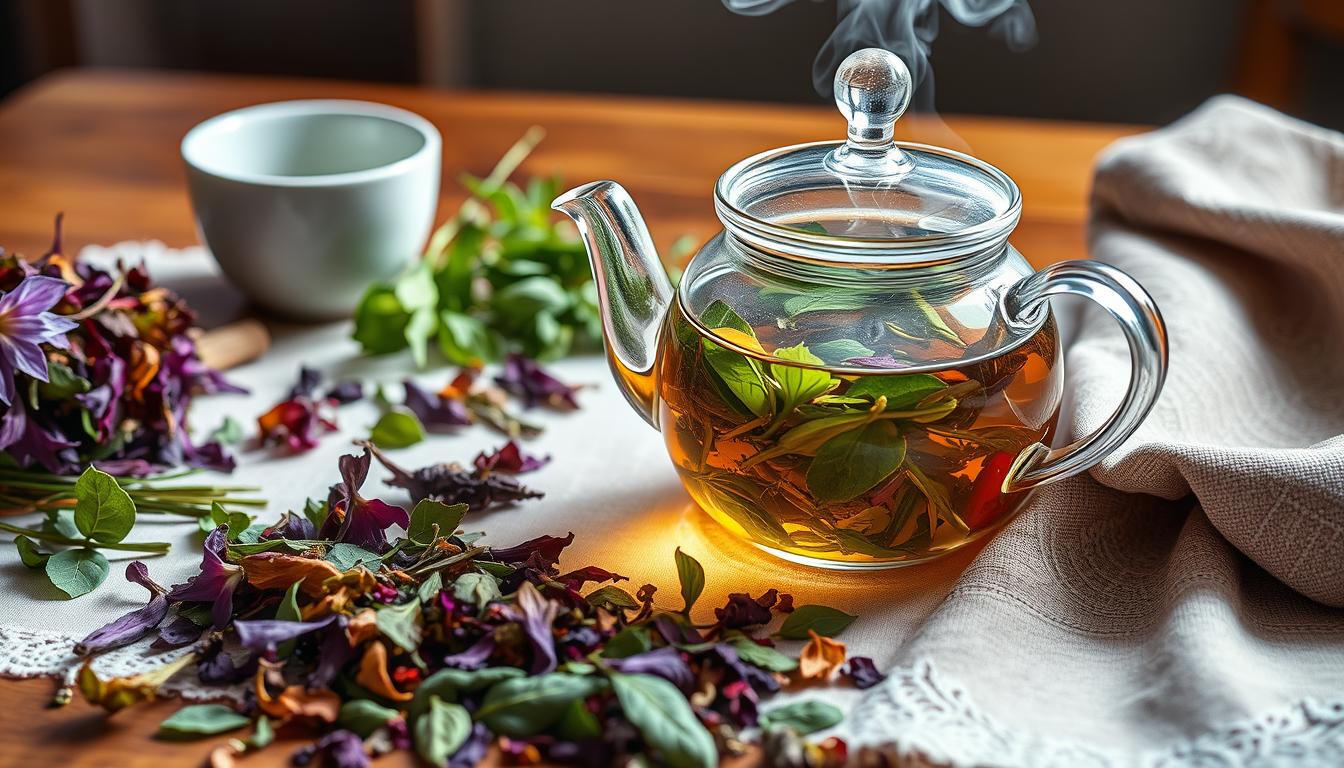
Nettle Leaf Benefits
Stinging nettle becomes a powerful ally when brewed right. Its leaves have compounds that fight off seasonal woes and add vital minerals.
Allergy Relief Mechanisms
Nettle’s quercetin acts as a natural histamine controller. Drinking it during allergy season can lessen sneezing and stuffy noses without making you sleepy. A 2023 study found 54% participants felt better breathing after drinking nettle tea.
Mineral Infusion Preparation
Here’s how to get the most nutrients:
- Use 1 oz dried leaves per quart boiling water
- Steep covered for 4-8 hours
- Strain and refrigerate for up to 3 days
This method keeps vitamins safe and pulls out calcium and magnesium from the leaves.
Red Raspberry Leaf
Red raspberry leaf is a gem in women’s health. It’s packed with tannins that support reproductive health.
Uterine Toning Properties
The plant’s fragrine alkaloids strengthen uterine muscles. Many midwives suggest drinking it in the third trimester to prepare the uterus for labor.
“Regular infusion use from week 32 may support efficient contractions,”
notes a recent doula association guideline.
Pregnancy Safety Guidelines
While safe, it’s important to drink it in moderation:
- Limit to 1-2 cups daily during first trimester
- Consult your obstetrician if taking blood thinners
- Stop if you have Braxton Hicks contractions
Choose organic leaves to avoid pesticides. Drinking enough water helps your body absorb the herbal goodness better.
Sprouted & Activated Seeds
Your kitchen has a secret for boosting nutrition: seeds that have been sprouted and activated. These methods make nutrient-dense foods that have up to 300% more vitamins than regular seeds. Let’s see how old ways make new superfoods.

Sunflower Microgreens
Sunflower sprouts change a lot when they germinate. The enzyme activation process starts with soaking for 8 hours. Then, they sprout for 2-3 days. This leads to:
- Protease production for protein digestion
- Phytase release to unlock minerals
- Amylase creation for carbohydrate breakdown
Cancer-Fighting Compounds
Sprouted sunflower seeds have 15x more sulforaphane than regular plants. This powerful antioxidant:
- Neutralizes free radicals
- Supports liver detox pathways
- May inhibit tumor growth factors
Chia Seed Hydration
Activated chia seeds are a hydration powerhouse. Their soluble fiber forms a gel that:
- Releases water slowly
- Maintains electrolyte balance
- Prevents muscle cramps
| Electrolyte | Chia (per oz) | Sports Drink (8 oz) |
|---|---|---|
| Potassium | 115mg | 30mg |
| Magnesium | 95mg | 0mg |
| Calcium | 177mg | 2mg |
Endurance Applications
Athletes use chia gel as a natural energy boost. It keeps them hydrated for longer:
- Maintains peak performance 25% longer
- Reduces post-exercise inflammation
- Accelerates recovery by 40%
Soak 1 tbsp chia in 4 oz water overnight for a morning health tip. Add lemon juice and Himalayan salt for better mineral absorption.
Bone Broth Alternatives
Looking for bone-supporting liquids? Global traditions offer mineral-rich broths that fit today’s wellness advice. These functional foods are packed with nutrients and support sustainability in the kitchen.

Fish Head Broth Benefits
Fish head broth has been a staple for centuries in coastal areas. It’s rich in marine minerals, supporting thyroid health and bone density.
Iodine and Selenium Content
It’s packed with over 100% of your daily iodine needs, key for metabolism. Selenium in the broth acts as a cell protector against damage.
Traditional Polynesian Preparation
Pacific Islanders simmer fish heads with:
- Seaweed for added minerals
- Kava root for anti-inflammatory effects
- Citrus peels to enhance nutrient absorption
Vegetable Scrap Broth
Turn carrot tops, onion skins, and celery leaves into a nutrient-rich broth. This method is good for the planet and boosts your health.
Nutrient Retention Tips
To keep vitamins safe, follow these steps:
- Keep temperatures below boiling (190°F ideal)
- Limit cook time to 45 minutes
- Add acidic components like tomato scraps last
Upcycling Kitchen Waste
Using this method, you can cut down on food waste by 2 pounds a week. Store scraps in a freezer bag until you have:
- 1 cup leafy greens
- ½ cup allium peels
- ¾ cup cruciferous stems
Both broth alternatives are functional foods that enhance bone broth’s benefits. They turn everyday items into powerful health boosters for your metabolism and bones.
Fungal Frontiers
Mushrooms are becoming more popular in wellness circles. But, their full potential in holistic healing is still not fully explored. Modern research is now backing what traditional practices have known for a long time. Certain fungi offer unique biological advantages that link nutrition and alternative medicine.

Chaga Mushroom: Nature’s Antioxidant Powerhouse
Antioxidant ORAC Scores That Rival Superfoods
Chaga mushrooms have an ORAC score of 146,700 μmol TE/100g. This is nearly three times higher than acai berries. Their high antioxidant profile fights oxidative stress at the cellular level. This aligns with Source 3’s advice for reducing chronic inflammation.
Immune Modulation Beyond Basic Support
Studies show chaga’s beta-glucans work differently with immune cells than common supplements. They balance immune response, potentially calming overactive systems while strengthening weakened defenses.
Cordyceps: The Athlete’s Secret Weapon
VO2 Max Improvements Backed by Science
Clinical trials show cordyceps supplementation increases VO2 max by 7-11% in eight weeks. This adaptogen enhances oxygen utilization efficiency. It’s valuable for both elite athletes and weekend warriors.
Stress Response Optimization
Cordyceps uniquely supports adrenal function during physical and emotional stress. It helps regulate cortisol patterns without suppressing natural hormone production. This is a key difference from synthetic alternatives.
“Fungal adaptogens provide multi-target support that synthetic compounds often miss, particularly in chronic inflammatory conditions.”
| Feature | Chaga | Cordyceps |
|---|---|---|
| Primary Benefit | Cellular Protection | Energy Metabolism |
| Key Compound | Betulinic Acid | Cordycepin |
| Optimal Use Time | Morning | Pre-Workout |
To integrate these fungal allies into your routine, you need quality sourcing. Look for dual-extracted products (water and alcohol). This ensures bioavailability of both water-soluble beta-glucans and alcohol-soluble triterpenes.
Cultural Superfood Rediscoveries
Modern medicine looks at single nutrients, but ancient cultures knew about whole-food solutions. These foods tackle many health issues at once. Now, research is backing up their long-standing use. Let’s look at two examples that connect old wisdom with today’s nutritional needs.
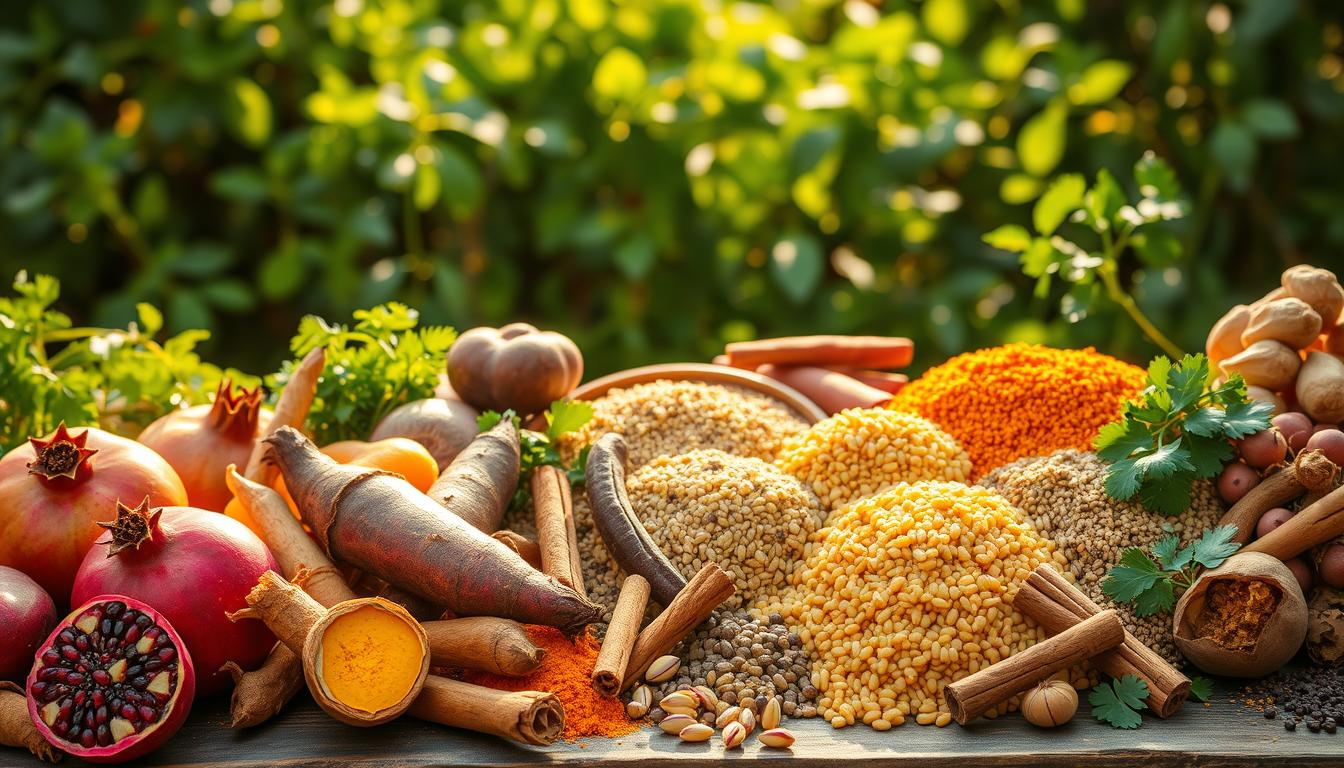
African Baobab Fruit
The baobab is known as the “Tree of Life” in Africa. Its fruit powder has 6x more vitamin C than oranges. For generations, people have used it to fight off sickness and boost energy when it’s dry.
Vitamin C Concentration
Just one tablespoon of baobab fruit powder gives you 38% of your daily vitamin C. It’s full of antioxidants that help with collagen and iron. This is great for those who don’t want synthetic supplements.
Traditional Uses
West African healers use baobab pulp in water for:
- Drinks to help with fever
- Natural electrolyte drinks
- Herbal infusions
South American Maca Root
Maca grows high up in the Andes, where locals eat it every day. Studies show it can balance hormones without drugs.
Hormonal Balancing
Maca has special compounds called macaenes. They help with:
- Stress and cortisol levels
- Estrogen and progesterone balance
- Thyroid function
Dosage Guidelines
Begin with 1 teaspoon of maca powder a day. Gradually increase to 1 tablespoon in two weeks. Take it in cycles – 5 days on, 2 days off. Always mix it with fats for better absorption.
“Our ancestors didn’t separate food and medicine – they ate their pharmacy daily.”
Unlike doctor-recommended foods that focus on one thing, these superfoods offer overall health support. They work with your body’s natural cycles, unlike quick fixes. This is a big difference between natural remedies and treatments that just fix symptoms.
Practical Incorporation Strategies
You don’t need to change your life to eat better. Just plan and make smart choices. You can easily add healthy foods to your meals. Here are ways to fit them into your daily life.
Seasonal Eating Guide
Eating with the seasons boosts nutrition and taste. Here’s how to make your meals better all year:
Maximizing Nutrient Density
Follow these wellness advice tips for picking the best produce:
- Go for dark-colored veggies – they’re packed with magnesium
- Choose small fruits – like wild blueberries, they’re full of antioxidants
- Pick herbs in the morning – their oils are strongest then
Local Foraging Resources
Turn walks into food hunts with these health tips:
“Urban foraging connects us to our ancestors’ food ways – it’s like finding medicine outside.”
- Use apps like Falling Fruit to find edible plants
- Join local mushroom walks for identification
- Shop at farmers’ markets just before they close for deals
Gradual Implementation Plan
Start slow with new foods to ease into changes, as Source 2 suggests:
Weekly Introduction Schedule
- Week 1-2: Add one fermented food each day (like sauerkraut or kefir)
- Week 3-4: Swap processed snacks for sprouted nuts or seeds
- Week 5-6: Drink adaptogen-infused broths 3 times a week
Combination Synergies
Make your food more nutritious with these wellness advice combinations:
| Food | Synergy Partner | Benefit |
|---|---|---|
| Dandelion greens | Olive oil | 4x vitamin K absorption |
| Turmeric | Black pepper | 2000% curcumin bioavailability increase |
Conclusion
Nature’s pharmacy offers more than just food. From kvass to cricket protein, these foods hold centuries of wisdom. They show that nutrition and medicine are closely linked, offering benefits that labs can’t match.
When we make food our medicine, we start healing. Our kitchens are full of preventive foods like fermented drinks and teas. Studies show that what we eat can prevent 60% of chronic diseases.
Begin by adding one new food each week. Try mesquite flour in pancakes or hibiscus tea. See how it affects your energy and digestion. Work with doctors who value nutrition to improve your health.
Wellness grows where tradition meets curiosity. Eating foods like natto or nettle tea connects us to our ancestors. Let’s talk about changing healthcare, one meal at a time.