Did you know 1 in 3 people worldwide lacks access to safe drinking water? Shockingly, 673 million still rely on unsafe sources for basic needs. Even in developed nations like the U.S., contaminated supplies sicken 19 million annually.
This crisis spans two fronts: global scarcity and household contamination. While some regions struggle to find any water, others face invisible threats in their taps. Organizations like Healing Waters work tirelessly to provide this basic human right.
Daily usage reveals stark contrasts—200 liters per person in wealthy nations versus under 10 liters where resources are scarce. Modern purification systems offer hope, bridging gaps between availability and safety.
Key Takeaways
- Global water scarcity affects billions, with 26% lacking managed services
- Contamination risks exist even in developed countries
- Daily consumption varies drastically by region
- Innovative solutions can transform unsafe sources
- Reliable access remains a fundamental human right
Why Clean Water Is Essential for Your Health
Your health depends on what flows from your tap. Contaminated supplies expose you to invisible dangers, while safe drinking water delivers vital nutrients. Globally, 88% of diarrhea deaths stem from poor sanitation—proof that purity matters.

How Contaminated Water Affects the Body
Fecal pollution spreads cholera and polio, targeting vulnerable communities. Dehydration from waterborne disease risks kidney failure or hypovolemic shock. Every year, 800,000 children die from preventable causes linked to dirty sources.
Even clear-looking liquid may harbor heavy metals or bacteria. Long-term exposure weakens immunity and damages organs. Boiling or filtering reduces risk, but infrastructure gaps leave millions unprotected.
Key Minerals Found in Safe Drinking Water
Natural sources provide calcium and magnesium, which support bone strength and heart function. Potassium in drinking water aids nerve signaling, while low mineral intake contributes to child stunting.
Bottled options often lack these nutrients due to over-processing. Filtered systems retain beneficial minerals while removing toxins. For people in arid regions, fortified supplies combat malnutrition effectively.
The Global Water Crisis: Shocking Facts You Should Know
Across continents, millions wake up each day facing an invisible battle for survival. Over 703 million people lack basic water services, with women in drought-prone regions walking six kilometers daily—the length of 60 football fields—just to collect murky liquid that may sicken their families.
Regions Most Affected by Water Scarcity
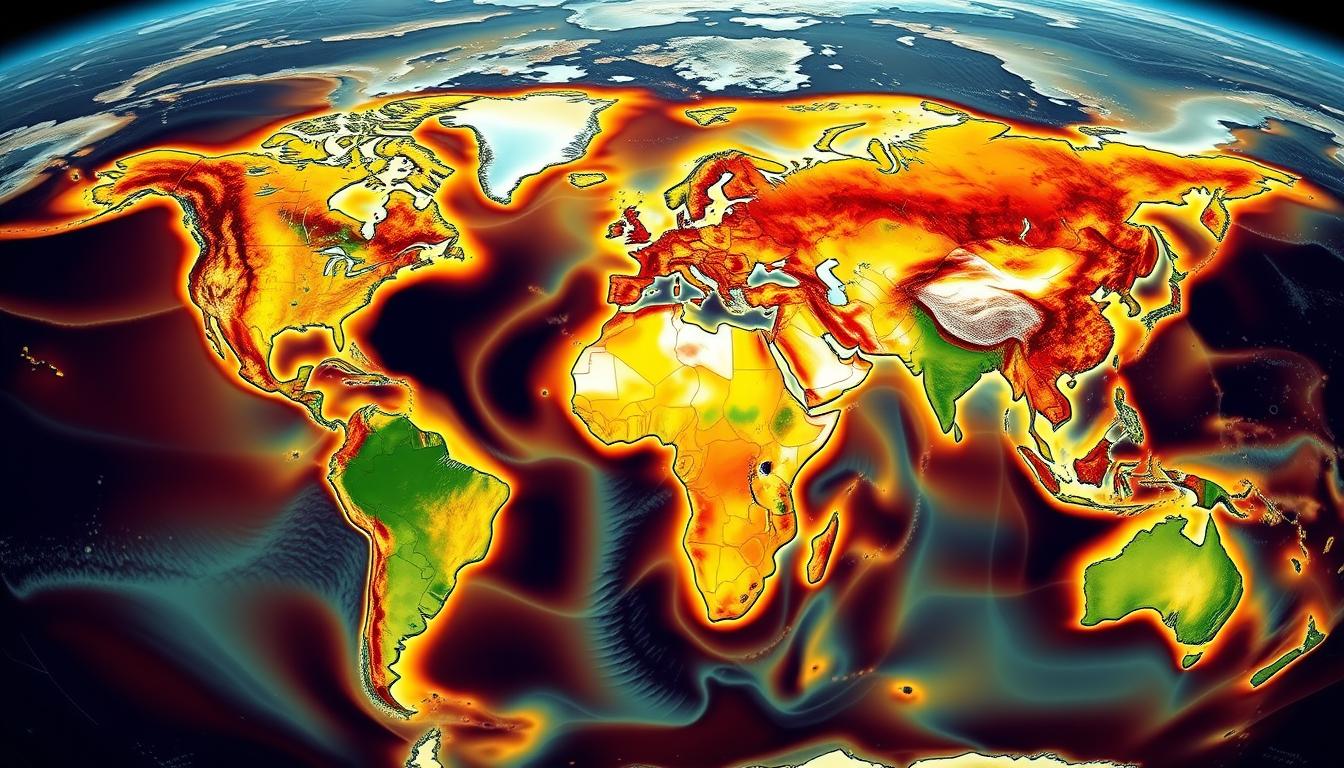
Sub-Saharan Africa and South Asia bear the heaviest burden. In Chad and Niger, contaminated sources cause child mortality rates 15 times higher than in Europe. Mozambique families survive on just 10 liters daily—less than a single toilet flush in American homes.
Underground reserves are vanishing too. India’s Punjab aquifer drops 1.6 meters yearly, while Pakistan’s may dry up by 2025. These areas show how overuse and poor management intensify the crisis.
The Role of Climate Change in Water Shortages
Shifting weather patterns disrupt ancient water cycles. Monsoon rains now arrive weeks late in Bangladesh, while Cape Town’s “Day Zero” drought proved urban global water systems can collapse. Scientists confirm: every 1°C temperature rise reduces renewable resources by 20% in vulnerable areas.
From disappearing glaciers to salinized deltas, climate change multiplies risks for 2.3 million people already facing extreme scarcity. Yet solutions exist—Israel’s drip irrigation and Singapore’s recycled NEWater show adaptation is possible.
What Classifies as Clean Water? (And How to Test It)
Not all water that looks clear meets safety standards—what defines truly safe drinking water? Agencies like the WHO and EPA set rigorous benchmarks, but contamination can lurk in even the clearest tap water. Understanding these guidelines helps you protect your health.
WHO and EPA Standards for Safe Water
The World Health Organization mandates safe drinking water contain 0 E.coli bacteria per 100ml, a standard Healing Waters International uses in global projects. Meanwhile, the EPA regulates 90+ contaminants in U.S. supplies, from lead (limited to 15 parts per billion) to chlorine.
| Contaminant | WHO Standard | EPA Standard |
|---|---|---|
| Chlorine | 2–4 mg/L | 4 mg/L |
| Lead | 10 µg/L | 15 ppb |
| E.coli | 0/100ml | 0/100ml |

At-Home Water Testing Kits
Five Star’s 6-in-1 test strips check pH, hardness, and chlorine levels instantly. For deeper analysis, lab services like Tap Score or WaterCheck detect heavy metals and pesticides. Pro tip: P&G Purifier sachets, used by World Vision, turn murky water clear in 30 minutes.
Color charts in API test kits simplify interpreting results. If your water exceeds standards, consider filtration. Globally, 1 in 4 people lack access safely managed water—testing bridges this gap.
Common Contaminants in Household Water Supplies
Millions of U.S. households unknowingly consume contaminated water yearly. From lead pipes to agricultural runoff, threats vary by region. Testing reveals 19 million Americans fall ill annually from pathogens in their taps.
Chemical Pollutants Like Lead and Chlorine
Flint’s crisis showed lead levels at 27ppb—far above the EPA’s 15ppb limit. Trihalomethanes, byproducts of chlorine disinfection, link to cancer risks. Nitrates from farms seep into wells, causing “blue baby syndrome” in infants.

Biological Threats: Bacteria and Parasites
Legionella thrives in 10% of U.S. plumbing, per CDC data. Bacteria like E.coli and parasites (Giardia) survive filtration without proper treatment. Cincinnati’s 2022 cryptosporidium outbreak sickened hundreds.
| Contaminant | Flint Levels (2015) | EPA Safe Limit |
|---|---|---|
| Lead | 27 ppb | 15 ppb |
| Trihalomethanes | 80 µg/L | 80 µg/L* |
*EPA allows 80µg/L but recommends lower levels.
- Giardia: Spreads via unfiltered water; causes severe diarrhea.
- P&G Purifier: Removes 99.99% bacteria (World Vision data).
- Agricultural nitrates: Over 10ppm risks infant health.
Top Methods to Ensure Your Water Is Pure
Modern technology offers multiple pathways to transform questionable water into a safe resource. Whether you’re upgrading home infrastructure or preparing for outdoor adventures, effective solutions adapt to diverse needs and contamination risks.

Water Filtration Systems: Which One Fits Your Needs?
NSF-certified filters tackle different threats. Activated carbon removes chlorine and improves taste, while ceramic filters block bacteria like E.coli. For whole-house protection, systems like Aquasana Rhino combine multiple technologies.
Five Star’s reverse osmosis units eliminate 98% of contaminants, including heavy metals. Consider these factors when choosing:
- Flow rate: 0.5 GPM suits most households
- Maintenance: Ceramic filters last 6-12 months
- Capacity: LifeStraw’s 4,000-liter limit works for extended use
Boiling vs. UV Purification: Pros and Cons
Traditional boiling kills pathogens but wastes fuel—a family in Kenya spends 20% of income on firewood for purification. It also fails to remove lead or pesticides, per Five Star research.
UV options like SteriPEN Adventurer Opti neutralize 99.9% of viruses (WHO-verified) in 90 seconds. Compare methods:
| Method | Effectiveness | Limitations |
|---|---|---|
| Boiling | Kills bacteria/viruses | No heavy metal removal |
| UV Purification | Destroys microorganisms | Requires clear water |
| Filtration Systems | Removes particles/chemicals | Regular filter changes |
For comprehensive protection, many households layer filtration systems with occasional UV treatment. Remember: No single method addresses all risks—tailor your approach to local water quality reports.
How Communities Are Fighting for Clean Water Access
Behind every drop of safe water lies a network of dedicated organizations and communities working together. While global statistics show daunting challenges, local innovations and international partnerships are creating tangible change. These efforts prove that sustainable solutions exist when knowledge meets action.
Nonprofits Leading the Charge
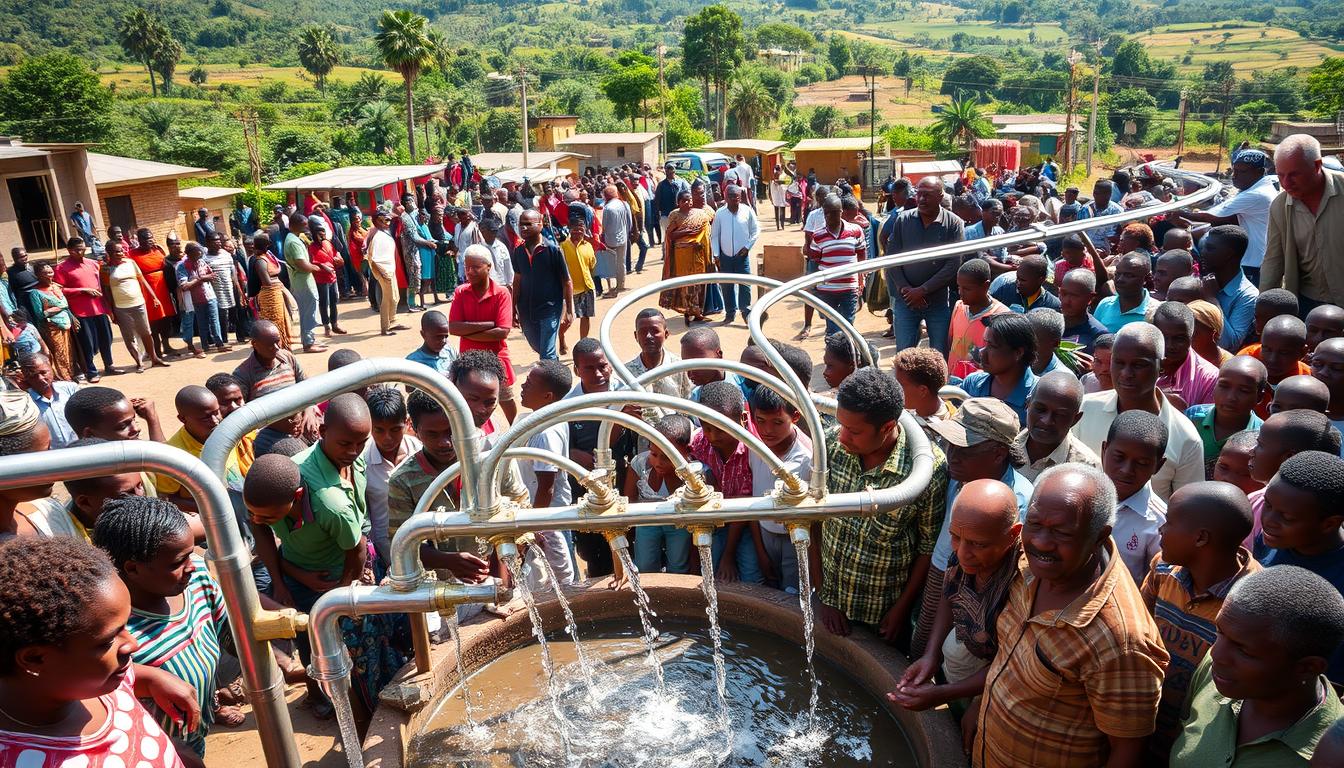
Healing Waters International operates in 50+ countries, installing solar-powered pumps that provide access clean water for entire villages. Their systems combine filtration with hygiene education, creating lasting impact. “We’ve seen child diarrhea rates drop 80% in project areas,” reports their field team.
World Vision equipped 14,000 schools with water stations in 2023 alone. Their 2025 goal? Reach 30 million people through sustainable projects costing just $50 per person. These organizations demonstrate how strategic investment saves lives.
Grassroots Innovations Changing Lives
India’s Jal Jeevan Mission brought piped water to 50 million rural homes since 2019. Local communities maintain the systems, ensuring long-term success. In Zambia, sand dam projects store seasonal rains, providing year-round access clean water for drought-prone villages.
Not all attempts succeed—the PlayPump initiative showed how well-intentioned projects can fail without community input. Its merry-go-round pumps broke down frequently, teaching valuable lessons about local engagement. Today’s projects prioritize durability and cultural fit.
The Link Between Clean Water and Child Development
443 million school days vanish yearly due to waterborne illnesses, UNICEF reports. For children, contaminated sources don’t just cause temporary sickness—they create lifelong barriers to child development. World Vision data shows water projects reduce stunting by 54%, proving hydration quality shapes futures.

When Illness Blocks Education
Hookworm infections from dirty water cause anemia, slowing cognitive growth by 12% in affected children. Ethiopia saw 22% better school attendance after installing wells, per WaterAid. Chronic diarrhea from E.coli steals nutrients needed for brain development during critical growth phases.
Lasting Scars From Early Exposure
Five Star research confirms lead-contaminated water lowers IQ by 7 points. Fluoride neurotoxicity studies link excessive levels to reduced memory function. In Bangladesh’s arsenicosis clusters, teens show 30% slower motor skills after childhood exposure.
| Risk Factor | Impact | Solution |
|---|---|---|
| Waterborne parasites | 40% cognitive delay | P&G Purifier packets |
| Malnutrition | 54% stunting | Mineral-fortified wells |
| Lead exposure | 7-point IQ drop | NSF-53 certified filters |
Cambodia’s floating communities prove change is possible. World Vision’s rainwater systems there cut malnutrition rates by half in two years. Clean water access lets children focus on learning, not survival—the foundation of proper child development.
Government Policies and the Safe Drinking Water Act
Federal laws create invisible shields protecting your drinking supply. The 1974 Safe Drinking Water Act safeguards 90% of Americans through rigorous standards. Yet millions remain vulnerable where legislation doesn’t reach.

How Protection Systems Operate
EPA’s 4-Tier monitoring requires 100+ contaminant tests yearly. Tier 1 threats like E.coli trigger immediate alerts, while Tier 4 covers emerging risks. “This system prevented 250 outbreaks last year,” notes a Five Star water analyst.
Flint’s crisis exposed cracks in enforcement. Despite SDWA mandates, lead levels stayed dangerous for 18 months. Recent HR 1727 proposals would strengthen accountability and fund pipe replacements in low-income areas.
Where Safety Nets Fail
13 million private wells fall outside EPA oversight. Testing shows 23% contain coliform bacteria. Unlike municipal systems, owners bear full responsibility for maintenance and testing.
The bottled water industry faces weaker standards than tap supplies. Nestlé’s compliance records show 15 violations last year, while Fiji ships 5,000 miles—generating 150,000 tons of carbon emissions annually.
| Water Source | Regulatory Coverage | Common Gaps |
|---|---|---|
| Municipal Systems | Full SDWA compliance | PFAS “advisory levels” not enforced |
| Private Wells | No federal requirements | 23% bacterial contamination |
| Bottled Water | FDA standards (looser than EPA) | Microplastics not monitored |
PFAS chemicals illustrate regulatory shortfalls. Though linked to cancer, EPA only issues non-binding health advisories. Until laws catch up with science, millions drink water meeting legal standards but not safety ideals.
Simple Daily Habits to Conserve and Protect Water
Small changes in daily routines can significantly impact water conservation efforts. The U.S. discards 50 billion plastic bottles yearly—enough to circle the globe 150 times. Meanwhile, EPA data shows just one gallon of oil can pollute a million gallons of water.
Reducing Plastic Waste from Bottled Water
Switching from disposable bottles saves money and resources. A SodaStream system pays for itself in three months compared to buying Dasani daily. Consider these comparisons:
| Option | Annual Cost | Plastic Waste |
|---|---|---|
| Disposable Bottles | $1,460 | 730 bottles |
| Filter Pitcher | $100 | 1 filter |
| Tap Water | $0.50 | None |
Five Star research confirms reusable bottles prevent 167 plastic containers per person annually. Tucson’s 40% conservation success came partly from such initiatives.
Household Tips to Minimize Water Pollution
Your home routines affect local waterways more than you realize. World Vision’s 6,000 toilet installations demonstrate how proper sanitation prevents contamination.
- Detergent choice: Phosphate-free options reduce algal blooms
- Stormwater: EPA’s SWMM model shows rain gardens capture runoff
- DIY solutions: A $15 rain barrel collects 650 gallons yearly
Remember, 1 gallon of motor oil improperly disposed contaminates a million gallons. Simple habits create ripple effects for generations.
Conclusion: Your Role in Securing a Clean Water Future
Every action counts in the fight for safe hydration. Organizations like Healing Waters prove $50 can transform lives by providing access clean water for one person. Meanwhile, Five Star’s emergency services respond to contamination crises 24/7.
Your role matters—whether supporting SDG 6 partnerships or adopting simple conservation habits. Faith from Mozambique regained health after her village installed a purification system. Stories like hers show collective impact.
Consider these steps:
• Advocate for policy changes
• Donate to proven nonprofits
• Educate others about testing options
Healing Waters blends practical solutions with spiritual purpose, addressing both physical and community needs. Together, we can secure a healthier future—one drop at a time.