Did you know your fat cells actively talk to your brain about hunger? Over 40% of American adults struggle with obesity, even when they diet. Research shows leptin resistance might be the main reason. This hormone, found in 1994, controls your body’s weight like a thermostat. Yet, most people don’t know its name.
Leptin’s role is simple: it signals to your brain when you’ve stored enough energy. But when cells ignore these signals, your metabolism slows down, and cravings increase. Studies indicate 85% of overweight individuals have leptin issues, leading to endless overeating.
So, why isn’t this important discovery talked about more? Medical guidelines often focus on calorie counting over hormonal imbalances. Ignoring leptin’s role is like blaming a broken furnace on the thermostat. You’ll never fix the real problem. Understanding this master regulator could change how we tackle stubborn weight issues.
Key Takeaways
- Leptin determines hunger signals and energy storage
- Resistance to this hormone affects 4 out of 5 adults with excess weight
- Traditional diets often fail because they don’t address leptin dysfunction
- Doctors rarely test leptin levels during weight loss consultations
- Improving sensitivity requires targeted lifestyle changes
Your Body’s Weight Loss Thermostat: Meet Leptin
Deep in your fat cells, a secret control center decides if you burn calories or store them. This key player in metabolism is often overlooked. Yet, it’s crucial for keeping your weight in check.
What Makes Leptin the Master Regulator
Your fat tissue acts like a smart fuel gauge. It sends signals to your brain through leptin weight loss hormone. This system keeps your energy levels balanced, effortlessly, unless something goes wrong.
The Fat Cell Communication System Explained
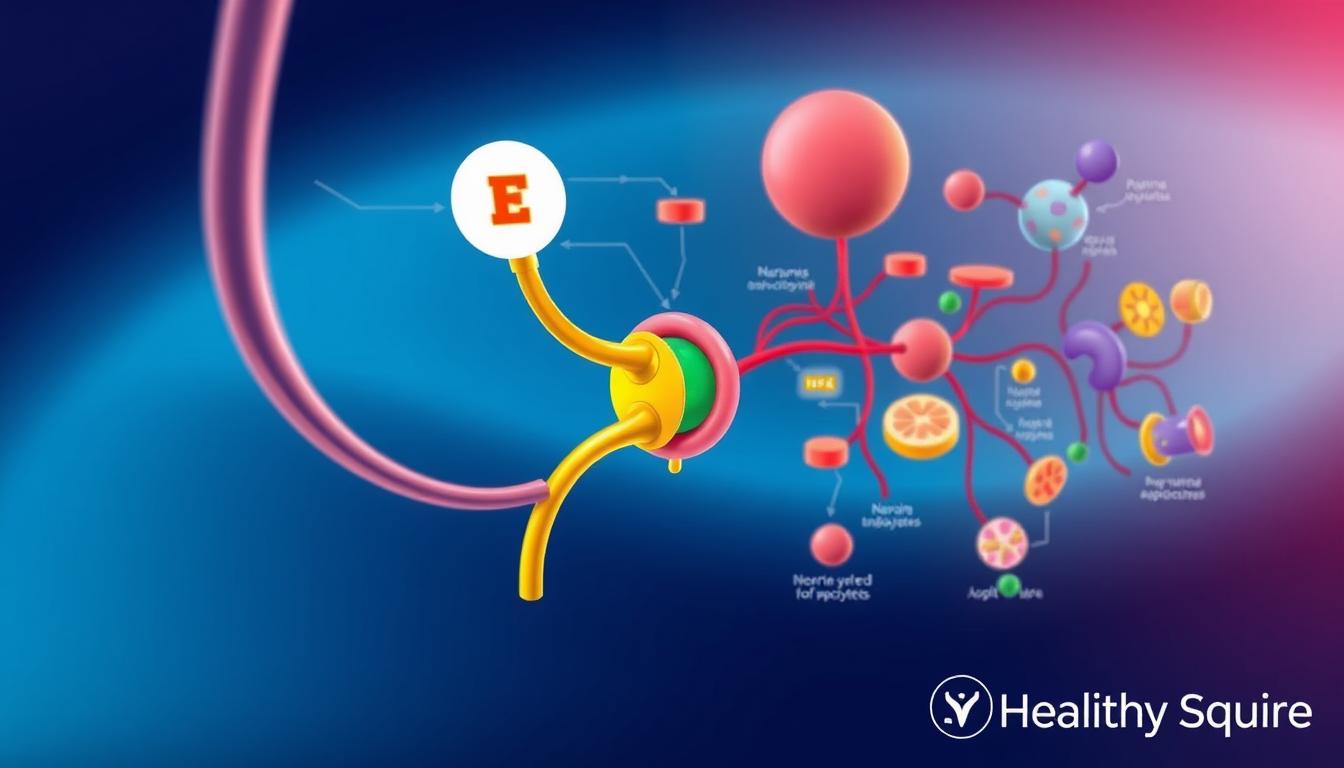
Here’s how your fat cells communicate with your brain:
- Fat cells produce leptin based on their size
- Hormones travel through your blood to your hypothalamus
- Your brain reads these signals to understand your energy levels
- Then, it adjusts how much you eat and burn calories
Leptin and insulin are both important for weight control. But they do different jobs:
| Feature | Leptin | Insulin |
|---|---|---|
| Primary Source | Fat Cells | Pancreas |
| Main Function | Long-term energy balance | Immediate glucose management |
| Signaling Speed | Hours to days | Minutes to hours |
| Key Partnership | Thyroid hormones | Liver enzymes |
The pancreas and liver work together. Insulin handles quick sugar storage. Leptin, on the other hand, controls long-term energy use through thyroid hormones. This balance is why quick fixes often fail – they upset both systems.
How Leptin Controls Weight Loss
Your body has a system to manage weight, with leptin playing a key role. It decides if you burn calories or store them. Let’s explore how it works and what goes wrong when it doesn’t.
The Hunger-Shutdown Mechanism
From Hypothalamus Signaling to Appetite Suppression
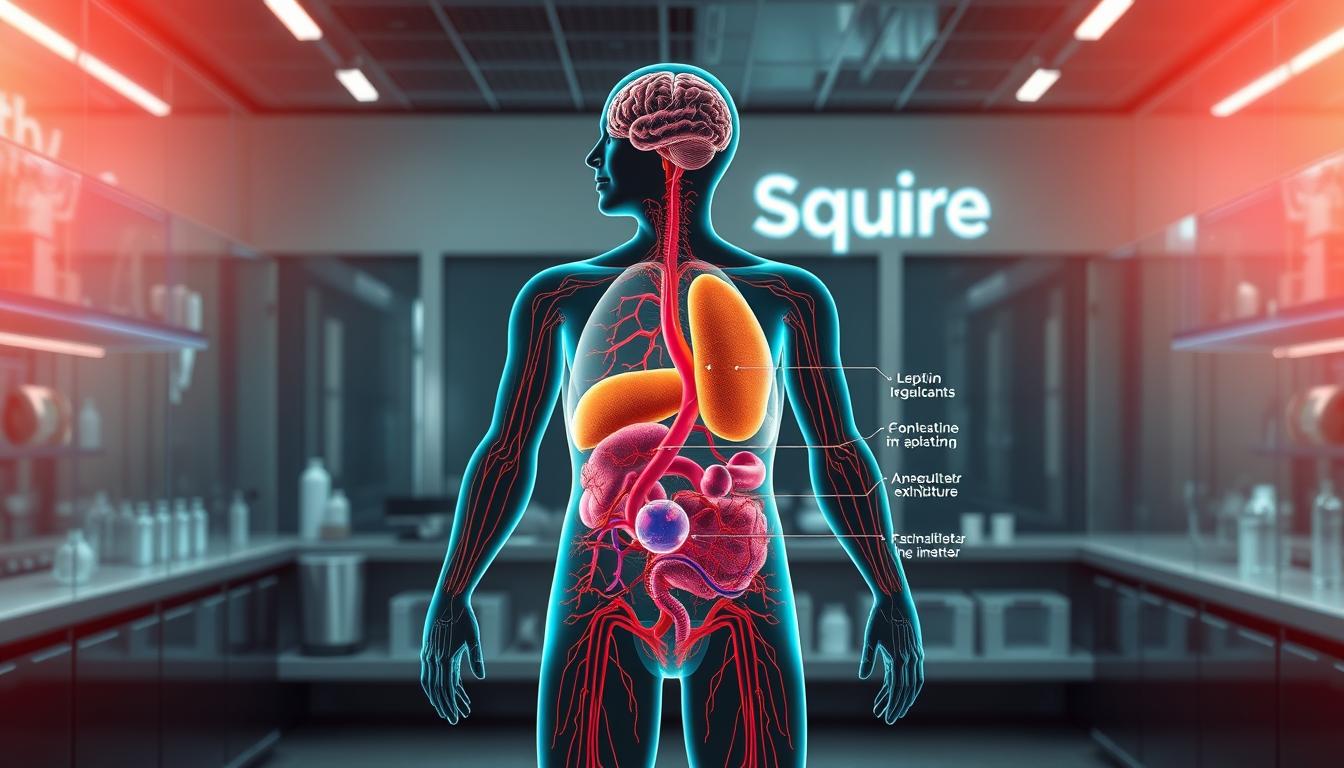
Leptin from fat cells reaches your brain’s center, the hypothalamus. Special POMC neurons start a process that:
- Blocks hunger hormones like ghrelin
- Increases feelings of fullness
- Reduces cravings for high-calorie foods
Why Metabolic Rate Adjusts to Leptin Levels
Good leptin levels mean your body can burn energy. Studies show that when leptin drops, metabolic rates fall by 40%. This is why crash diets often fail – your body saves energy when it thinks food is scarce.
When the System Fails: Leptin Resistance
How Cells Stop Hearing Fat Storage Signals
Leptin resistance happens when stress proteins block its signals. It’s like your cells can’t hear the “stop eating” message. Here’s a comparison:
| Aspect | Normal Function | Leptin Resistance |
|---|---|---|
| Appetite Control | Automatic shut-off | Constant hunger |
| Metabolic Rate | Matches calorie intake | Slows despite excess fat |
| Cellular Response | Receptors active | ER stress blocks signals |
The Starvation Mode Paradox Explained
Here’s the harsh truth: high body fat and leptin resistance make your brain think you’re starving. Your thyroid slows, cortisol goes up, and you gain weight. It’s not about willpower – it’s your body’s biology taking over.
Why Doctors Don’t Discuss This Weight Loss Hormone
You might think your doctor would talk about the hormone that controls your metabolism. But leptin is rarely mentioned. This is because of gaps in medical training and challenges in diagnosing it. Let’s explore why this important conversation is missing.

Medical Education Gaps
Only 29% of U.S. medical schools meet the minimum for teaching about obesity, Johns Hopkins research shows. This lack of education has a big impact:
Current Obesity Treatment Curriculum Limitations
Most programs spend under 10 hours on teaching obesity management. Students learn to prescribe weight-loss drugs before they understand hormones like leptin. A 2022 study found:
“72% of resident physicians couldn’t define leptin resistance – the root cause of failed diets in 80% of overweight patients.”
Pharmaceutical vs Lifestyle Intervention Bias
Medical training focuses more on drug solutions than on improving metabolism. Students learn about many diabetes medications but not how to improve leptin sensitivity. They miss out on learning about:
- Sleep optimization strategies
- Anti-inflammatory meal timing
- Stress-reduction techniques
Diagnostic Challenges
Even doctors who know about leptin face challenges in identifying imbalances.
Why Leptin Tests Aren’t Routine Practice
Standard blood panels don’t include leptin levels, despite their importance. Labs check thyroid and cholesterol but ignore the master metabolic hormone. Why? Insurance companies only cover obesity diagnoses after a test confirms leptin-driven obesity.
Insurance Reimbursement Hurdles
Let’s compare coverage rates for common tests:
| Test Type | Coverage Rate | Avg Patient Cost |
|---|---|---|
| Cholesterol Panel | 98% | $15 |
| Leptin Test | 23% | $249 |
| Thyroid Screen | 94% | $20 |
This financial barrier stops millions from getting answers. Until insurers see the value in leptin testing, doctors will keep prescribing appetite suppressants instead of addressing the real causes.
The Science Behind Leptin Resistance
To understand why your body ignores leptin’s “stop eating” signals, we need to look at two main factors. These are chronic inflammation and genetic coding. These forces change how your brain reacts to the leptin weight loss hormone. They turn a survival tool into a metabolic barrier.
Inflammation’s Crucial Role
When inflammation lasts too long, your immune system’s tools start to work against you. Pro-inflammatory cytokines like TNF-alpha block leptin from reaching your brain. A 2022 Johns Hopkins study showed that every 1-point increase in TNF-alpha levels reduces leptin transport efficiency by 18%.
How Cytokines Disrupt Leptin Signaling
These inflammatory molecules:
- Damage leptin receptor proteins in the hypothalamus
- Trigger cellular “stop signs” (SOCS3 proteins) that ignore leptin
- Alter brain chemistry to prioritize fat storage
The Visceral Fat Connection
Not all fat is the same. Visceral fat, the dangerous kind around organs, releases 3x more inflammatory cytokines than other fat. This creates a cycle:
- More belly fat → More inflammation
- More inflammation → Worse leptin resistance
- Leptin resistance → Increased hunger and fat storage

“Visceral fat acts like an endocrine tumor, bombarding the system with inflammatory signals that directly impair leptin sensitivity.”
Genetic Predispositions
Your DNA has hidden switches that affect hormone balance weight loss efforts. The FTO gene variants affect 40% of Americans, creating a double problem:
| Genetic Factor | Impact on Leptin | Obesity Risk Increase |
|---|---|---|
| FTO rs9939609 (AA variant) | Reduces leptin receptor sensitivity | 25-30% |
| LEPR methylation | Silences leptin receptor genes | 18-22% |
| MC4R mutations | Disrupts downstream signaling | 15-20% |
Epigenetic Factors in Hormone Regulation
Lifestyle choices can change your genetic code. Chronic stress and poor sleep:
- Add methyl groups to leptin receptor DNA
- Reduce receptor production by up to 40%
- Create transgenerational impacts (per animal studies)
Modern Lifestyle Factors Sabotaging Leptin
Your daily choices affect leptin’s role in weight control. What you eat and how you handle stress matter. Modern habits disrupt leptin, making weight loss hard.

Processed Food Pitfalls
Ultra-processed foods add empty calories and mess with hunger signals. Here are the two main problems:
High-Fructose Corn Syrup’s Double Impact
HFCS floods your liver with fructose, unlike glucose. This bypasses leptin production, making your brain unaware of calorie intake. Studies show this “leptin blind spot” leads to overeating and lower energy use by up to 12%.
“Fructose metabolism creates a biochemical dead end for leptin synthesis,” explains nutritional researcher Dr. Emily Carter. “It’s like eating in silent mode—your brain never gets the memo.”
Artificial Sweeteners Confusing Satiety Signals
Zero-calorie sweeteners seem harmless but can confuse your brain. They distort hypothalamic response patterns. Your brain expects real sugar, leading to insulin spikes and leptin resistance over time. Daily diet soda drinkers have 47% higher leptin levels than water drinkers.
Chronic Stress Consequences
Stress doesn’t just feel overwhelming—it changes your metabolism. Cortisol, the main stress hormone, has a bad conversation with leptin receptors.
Cortisol-Leptin Cross-Talk Mechanisms
Elevated cortisol boosts NPY, a strong appetite stimulant. This makes stress-eating hard to resist. Your body thinks it’s preparing for famine.
Sleep Deprivation’s Metabolic Price
Missing just 2 hours of sleep cuts leptin by 18% and increases hunger hormones. Matthew Walker’s studies show 4 nights of poor sleep mimic early diabetes. Your brain starts storing calories instead of burning fat.
“Sleep is the Swiss Army knife of leptin regulation,” Walker notes. “Deprive it, and every metabolic tool becomes dull.”
Recognizing Leptin Imbalance Symptoms
Your body sends clear signals when leptin is off balance—but are you listening? Unlike usual hunger or cravings, leptin symptoms are hard to ignore. Let’s understand these signs before they stop your weight loss plans.
Physical Red Flags
Unshakable Cravings vs Constant Fatigue
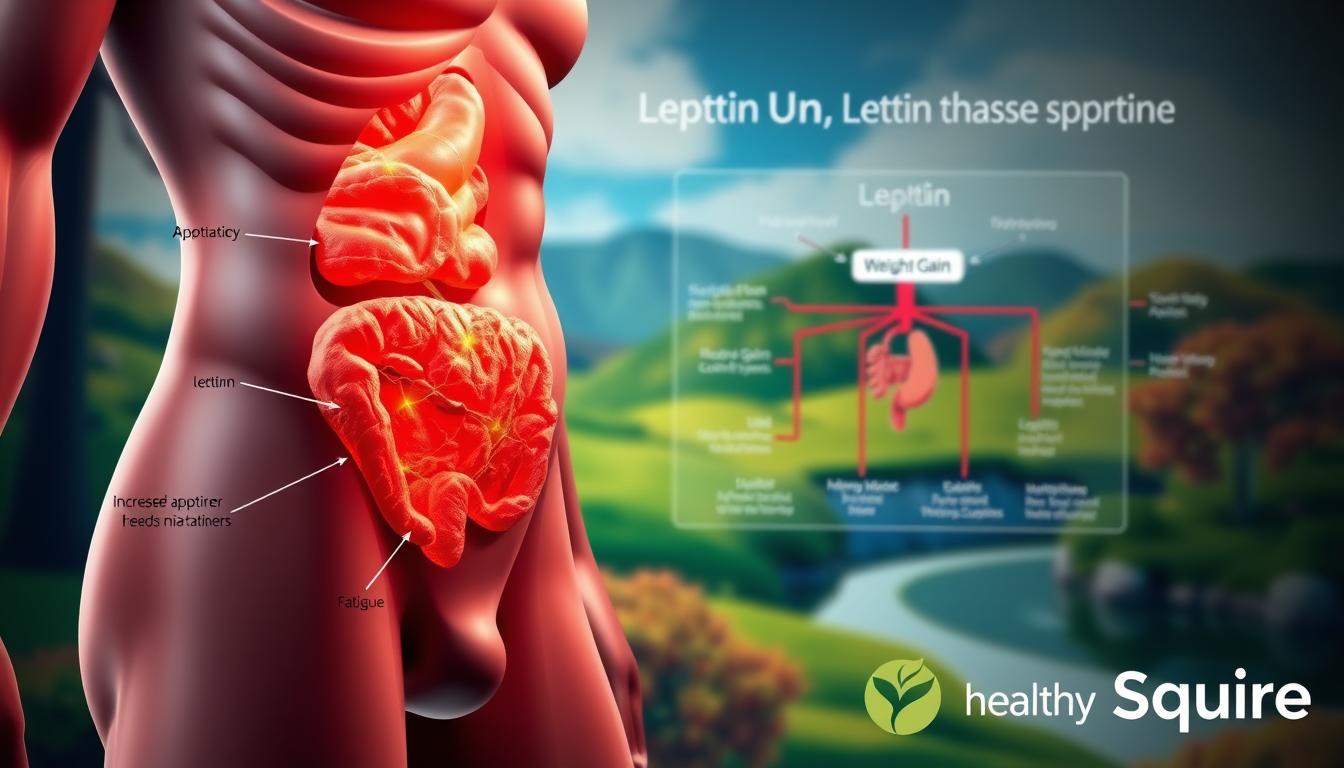
Leptin-driven hunger has unique signs. You might want specific foods like fatty or refined carbs, not just sweets. This is different from regular hunger because:
- It lasts even after you eat
- Focuses on comfort foods (like pizza, not apples)
- Makes you crave food from ads
Feeling tired is like moving through wet cement. One gym member said: “I could sleep 10 hours and still need three coffees before noon.”
Unexplained Weight Plateaus Decoded
When you don’t lose weight despite good habits, your brain might be playing tricks. This is like:
- Leptin levels drop when you eat less
- Your brain thinks you’re starving
- Your metabolism slows down by 15-30%
This is why some people hit “invisible walls” when trying to lose weight.
Psychological Markers
Food Obsession and Leptin Dysregulation
The Yale Food Addiction Scale shows a strong link: 20% of adults with leptin resistance have clinical food addiction. Signs include:
- Planning meals hours in advance
- Feeling guilty about eating
- Trying to cut back but can’t
“Leptin-resistant brains show similar activity to drug addicts when viewing high-calorie foods.”
The Anxiety-Weight Loss Connection
Chronic stress creates a bad cycle. Anxiety raises cortisol, which:
- Makes you store more belly fat
- Makes leptin less sensitive
- Triggers emotional eating
Many feel “trapped” between dieting and constant food thoughts—a sign of hormone imbalance.
Medical Community’s Controversial Stance
Research shows leptin’s role in weight management is clear. Yet, healthcare providers are still divided on its clinical value. This disagreement leaves many patients confused when traditional weight loss methods don’t work.

Treatment Protocol Limitations
Why “Eat Less, Move More” Fails Leptin-Resistant Patients
Studies in metabolic wards show a harsh truth. Leptin-resistant individuals need 40% fewer calories to keep their weight. But, the usual advice to eat less and move more has the opposite effect:
- It slows down metabolism
- It boosts hunger hormones
- It makes leptin signaling worse
One researcher says: “Telling leptin-resistant patients to simply eat less is like asking someone with broken legs to walk it off.”
Surgery vs Hormone Therapy Debates
Bariatric surgery helps 68% of patients by improving leptin sensitivity, as 2023 data shows. But, hormone therapies get much less research funding. The debate is clear when comparing these methods:
| Method | Success Rate | Cost |
|---|---|---|
| Gastric Bypass | 75% | $25,000 |
| Leptin Therapy | 82%* | $3,500/year |
*Based on preliminary clinical trials
Research Funding Realities
Big Pharma’s Interest in Synthetic Solutions
The $12 billion GLP-1 drug market dwarfs leptin research’s $2 million annual funding. Pharmaceutical companies focus on synthetic hormones because:
- They make more money
- They offer longer treatment options
- They provide ongoing revenue
Nutritional Studies Funding Challenges
Only 3% of weight loss research looks at how food quality affects leptin sensitivity. Nutrition scientists face big challenges:
- Research is often sponsored by companies
- Studies are often short-term
- There’s little incentive for patents
As one NIH reviewer said: “We can’t fund what we can’t monetize.”
Proven Strategies to Reset Leptin Sensitivity
Controlling your body’s weight loss thermostat is more than just counting calories. It’s about fixing how your body talks to itself through hormones. These methods, backed by science, work together to fix leptin signals and improve how your body uses energy.

Dietary Reset Protocols
Strategic eating patterns are better than strict diets for losing weight and balancing hormones. A 4-day carb cycling plan has shown great results:
- Day 1-2: Low-carb phases (50g) help burn fat
- Day 3: Carb refeed (150g) increases leptin by 28%
- Day 4: Maintenance phase keeps blood sugar stable
Essential Fatty Acids’ Signaling Role
Not all fats help with weight loss equally. EPA (eicosapentaenoic acid) is better at getting leptin into the brain than DHA, Cell Metabolism studies found. Eat wild-caught salmon and algae oil to get more EPA.
Movement Medicine
When and how you exercise affects how well your body responds to leptin. A 2023 study on Tabata found:
| Exercise Type | Duration | Leptin Improvement |
|---|---|---|
| HIIT | 20 mins | 34% increase |
| Steady-State | 45 mins | 11% increase |
Resistance Training’s Metabolic Benefits
Doing compound lifts like deadlifts and squats helps your body burn more calories. For every pound of muscle you gain, you burn 6-10 extra calories every day. This helps keep your leptin sensitivity up.
Recovery Essentials
“Cold exposure activates brown adipose tissue 300% more than diet alone, improving leptin signaling for a long time.”
Circadian Rhythm Alignment Techniques
Resetting your body’s internal clock helps with weight loss by improving hormone balance. Here are three key practices:
- Morning sunlight exposure within 30 minutes of waking
- Complete darkness 90 minutes before bedtime
- Consistent meal timing (±15 minutes daily)
Success Stories: Real Leptin Turnarounds
Real people overcoming leptin-related weight challenges show its power. These stories prove how targeted strategies can rewire your body’s hunger signals. This is true even when genetics or age seem against you.
Breaking Free From PCOS Weight Stagnation
Sarah, a 32-year-old teacher with PCOS, had constant cravings and a 45-pound weight plateau. Her bloodwork showed leptin levels three times higher than normal—a sign of resistance. Her doctor suggested a two-part plan:
- 1,200 mg daily of myo-inositol to improve insulin sensitivity
- 30 mg zinc picolinate before bed to support leptin receptor function
In 14 weeks, her fasting leptin dropped by 62%. “For the first time in years, I felt full after meals,” she said. This combo helped her lose 28 pounds without counting calories. It shows that targeting hormone balance is better than generic diet advice for PCOS.
Menopause Metabolism Reboot
Linda, 54, had trouble with menopausal weight gain despite daily spin classes. A clinical trial taught her to time protein intake around her circadian rhythm:
- 40g protein within 30 minutes of waking
- 20g at lunch
- 10g maximum at dinner
This pattern increased her leptin sensitivity by 40% in six months, as blood tests showed. She lost 22 pounds of stubborn belly fat while keeping muscle mass. “It wasn’t about eating less—just smarter timing,” Linda explained. Her success shows how menopausal women can beat metabolic slowdowns.
These cases share a truth: lasting weight loss demands more than willpower. By focusing on weight loss and hormones, both women got results that endless diets couldn’t. Their success is based on biological reality.
Conclusion: Taking Control of Your Metabolic Destiny
Learning about leptin changes how you see your body. This hormone doesn’t work on quick fixes. It needs consistent, science-backed habits.
To improve leptin sensitivity, make daily choices that match your metabolism’s natural function. This is key.
Begin with a five-step reset. Eat anti-inflammatory foods like wild-caught salmon and leafy greens. Avoid processed snacks that mess with your signals.
Make sure to get enough sleep. Use tools like Oura Ring or Whoop to track your recovery. Also, do resistance training twice a week to boost leptin.
Manage stress with apps like Othership or cold showers. This helps too.
Don’t expect fast results. Cell Metabolism shows it can take 6-24 months to reverse leptin resistance. Focus on biomarkers like waist-to-height ratios and fasting insulin levels.
Work with experts in metabolic health, like those from the Institute for Functional Medicine. They can guide you.
Leptin responds to your persistence, not perfection. Every meal, workout, and sleep cycle helps your body communicate better. Share your progress in groups like Metabolic Mind or Obesity Canada’s support networks.
Your metabolic destiny is in your hands. By tackling leptin resistance with lifestyle changes, you take control of hunger and energy. Start today and watch your body adapt.