Did you know your body contains over 18 square feet of connective tissue? This intricate web, called fascia, wraps every muscle, bone, and organ, acting like a biological support system. When healthy, it glides smoothly, letting you move freely. But when tight or damaged, it can trigger stiffness and discomfort.
Research from Northeastern University shows fascial networks impact everything from posture to shoulder rotation. Poor care of this tissue may limit your range of motion or even cause chronic aches. Physical therapists now prioritize treatments targeting these structures for lasting relief.
This guide explores how fascia functions, why it matters for daily activities, and practical ways to maintain its flexibility. You’ll learn to identify issues, apply effective remedies, and prevent future problems.
Key Takeaways
- Fascia is a 3D connective tissue network affecting movement and comfort.
- Healthy fascia ensures smooth motion, while dysfunction restricts mobility.
- Modern therapies increasingly focus on fascial health for pain management.
- Self-care techniques can improve flexibility and reduce stiffness.
- Understanding fascial care helps prevent long-term movement issues.
What Is Fascia? The Body’s Hidden Support System
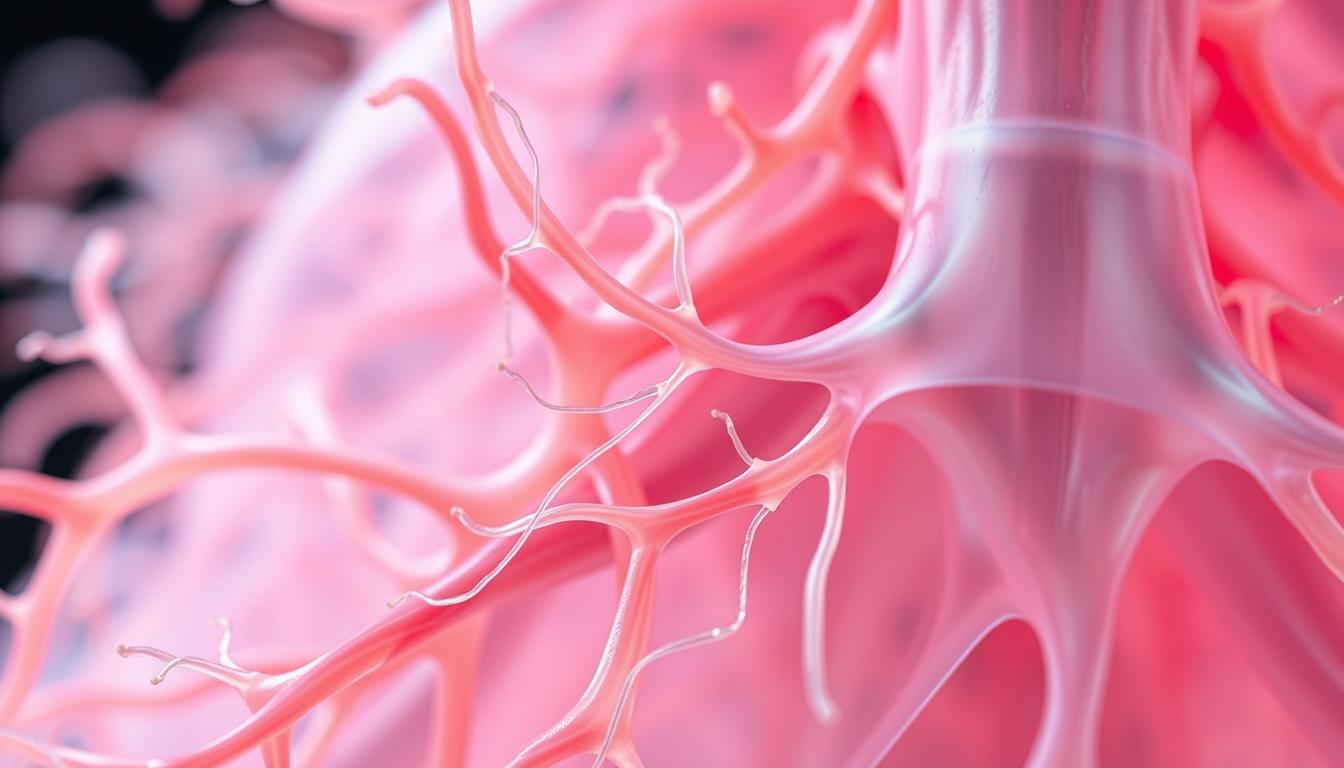
Hidden beneath your skin lies a dynamic web supporting every movement. This connective tissue, called fascia, forms a 3D matrix wrapping muscles, bones, and organs. Its collagen layers glide smoothly when healthy but stiffen with stress or inactivity.

Definition and Structure of Fascia
Fascia consists of 3–5 collagen layers lubricated by hyaluronic acid. This design allows flexibility while maintaining structural integrity. Researchers note it houses 6x more sensory nerves than muscles, explaining its pain sensitivity.
“Fascia is a sheath, a sheet, or any dissectible aggregations of connective tissue that permeates the human body.”
Types of Fascia: Superficial, Deep, and Visceral
Three primary types serve unique roles:
| Type | Location | Function |
|---|---|---|
| Superficial | Beneath skin | Stores fat, insulates |
| Deep | Around muscles | Separates tissues, transmits force |
| Visceral | Encases organs | Supports heart/lungs in thoracic cavity |
Ultrasound studies show unhealthy fascia appears thicker and less pliable. This restricts motion and triggers discomfort. Keeping it supple is key to pain-free movement.
How Fascia Influences Mobility and Pain Relief
Athletes and desk workers share one overlooked mobility factor. This connective network stores energy during sprints but stiffens after hours of sitting. Research shows 104°F heat boosts its elasticity, while inactivity reduces lubricating hyaluronan by 50%.
The Connection Between Fascia and Movement
During athletic actions, fascia acts like a spring. It stores kinetic energy, then releases it to propel jumps or throws. Dehydration thickens this tissue, creating adhesions that limit shoulder rotation by 30-40%.
Compare two lifestyles:
| Group | Fascial State | Impact |
|---|---|---|
| Office Workers | Stiff, dehydrated | Restricted neck/hip motion |
| Athletes | Elastic, hydrated | Optimal force transmission |
Why Tight Fascia Causes Pain
When restricted, fascia sprouts new nerve endings. These amplify discomfort signals, turning minor stiffness into chronic pain. A Northeastern University study found compensatory patterns—hip tightness triggering knee stress.
Hydrogen ions accumulate in contracted muscles, further irritating nearby tissue. Case studies show frozen shoulder often starts with fascial immobility, not muscle damage.
“Fascial restrictions alter biomechanics, creating domino-effect pain.”
Common Fascia-Related Disorders and Conditions
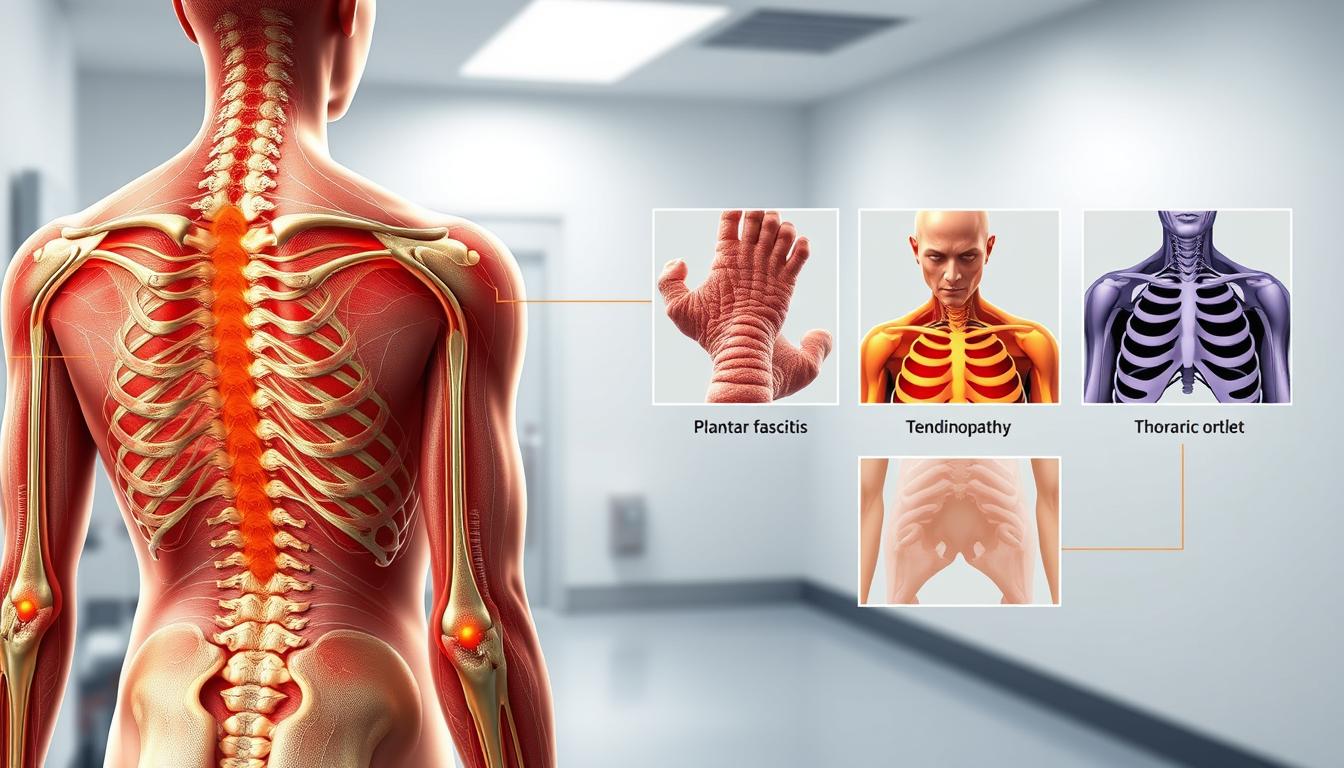
Millions experience discomfort without realizing its source lies in their connective tissues. When these networks malfunction, they trigger conditions ranging from foot agony to finger deformities. Recognizing these issues helps tailor effective treatments.
Plantar Fasciitis and Myofascial Pain Syndrome
Every step can feel like walking on needles for the 2 million Americans with plantar fasciitis. This occurs when the foot’s weight-bearing tissue inflames from overuse or poor footwear. Morning stiffness is a hallmark symptom.
Myofascial pain syndrome differs with localized trigger points. These knots refer discomfort to distant areas—a tight shoulder causing headaches. Dry needling or pressure therapy often brings relief.
Frozen Shoulder and Dupuytren’s Contracture
Adhesive capsulitis, or frozen shoulder, starts with fascial thickening. Movement becomes severely restricted, sometimes lasting years. Physical therapy and joint injections can restore mobility.
Dupuytren’s contracture affects 5% of people over 50. Rope-like cords form in hand tissues, pulling fingers toward the palm. Early laser treatment may slow progression.
“Fascial disorders often mimic muscle or joint problems, delaying accurate diagnosis.”
Genetic Conditions Like Ehlers-Danlos Syndrome
EDS patients face extreme joint laxity due to defective collagen. Their overly stretchy tissues dislocate easily, causing chronic instability. Custom braces and proprioceptive training help manage symptoms.
Compare acute versus chronic conditions:
| Condition | Onset | Solution |
|---|---|---|
| Plantar Fasciitis | Sudden | Orthotics, rest |
| Dupuytren’s | Gradual | Enzyme injections |
Compartment syndrome demands immediate care—swollen tissues cut off blood flow. Conversely, hernias develop slowly where tissues weaken, allowing organ protrusion.
The Science Behind Fascial Adhesions and Restrictions
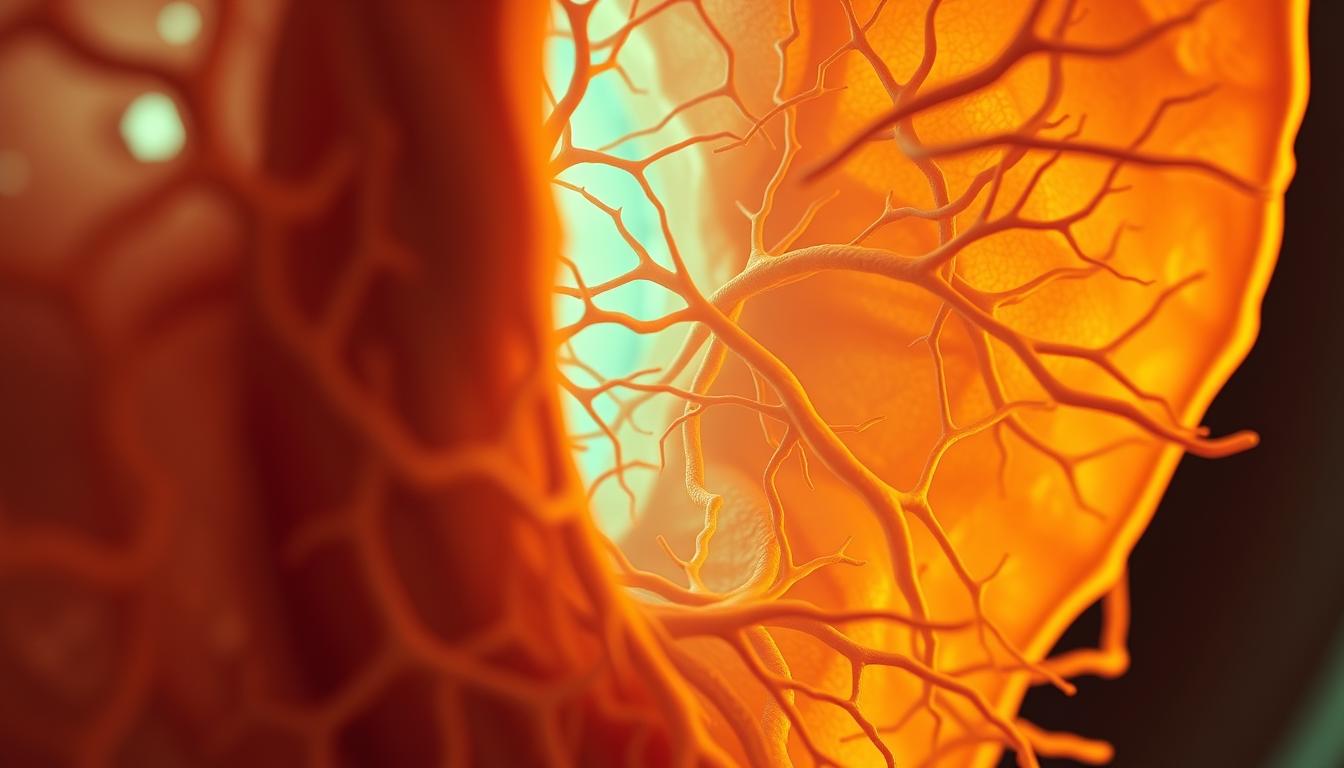
Ever wonder why stiffness lingers despite stretching? Adhesions—sticky bands in your connective tissue—often lurk beneath the surface. These form after injuries, poor posture, or inactivity, binding layers that should glide smoothly. Research shows just 3–5 minutes of targeted pressure can begin releasing these restrictions.
How Lack of Movement Affects Fascia
When you sit for hours, your fascial network dehydrates. Collagen fibers stick together, creating stiffness in key areas like hips and shoulders. This tissue houses 4x more proprioceptors than muscles, meaning it senses—and resists—limited movement fiercely.
Compare fresh versus mature adhesions:
| Type | Timeline | Treatment |
|---|---|---|
| Fresh | 0–6 weeks | Responds quickly to massage |
| Mature | 6+ months | Requires sustained therapy |
The Role of Nerves in Fascial Pain
Restricted areas sprout new nociceptors—pain-sensing nerves. These amplify discomfort, turning minor tightness into chronic issues. A 2021 study found mechanoreceptors in fascia trigger neurogenic inflammation when overstimulated.
“Fascial adhesions alter force transmission, creating compensatory pain patterns.”
Scar tissue remodels slowly, often taking 6–24 months. Therapists use sustained pressure (30+ seconds) to reset nerve responses and restore function.
How to Tell If Your Pain Is Fascia or Muscle-Related
Sharp discomfort lingers even after rest—could your connective tissue be the culprit? Research shows 72% of chronic pain cases involve fascial dysfunction. Yet, symptoms often mimic muscle strain. Learning the differences helps target relief.
Key Symptoms of Fascial Dysfunction
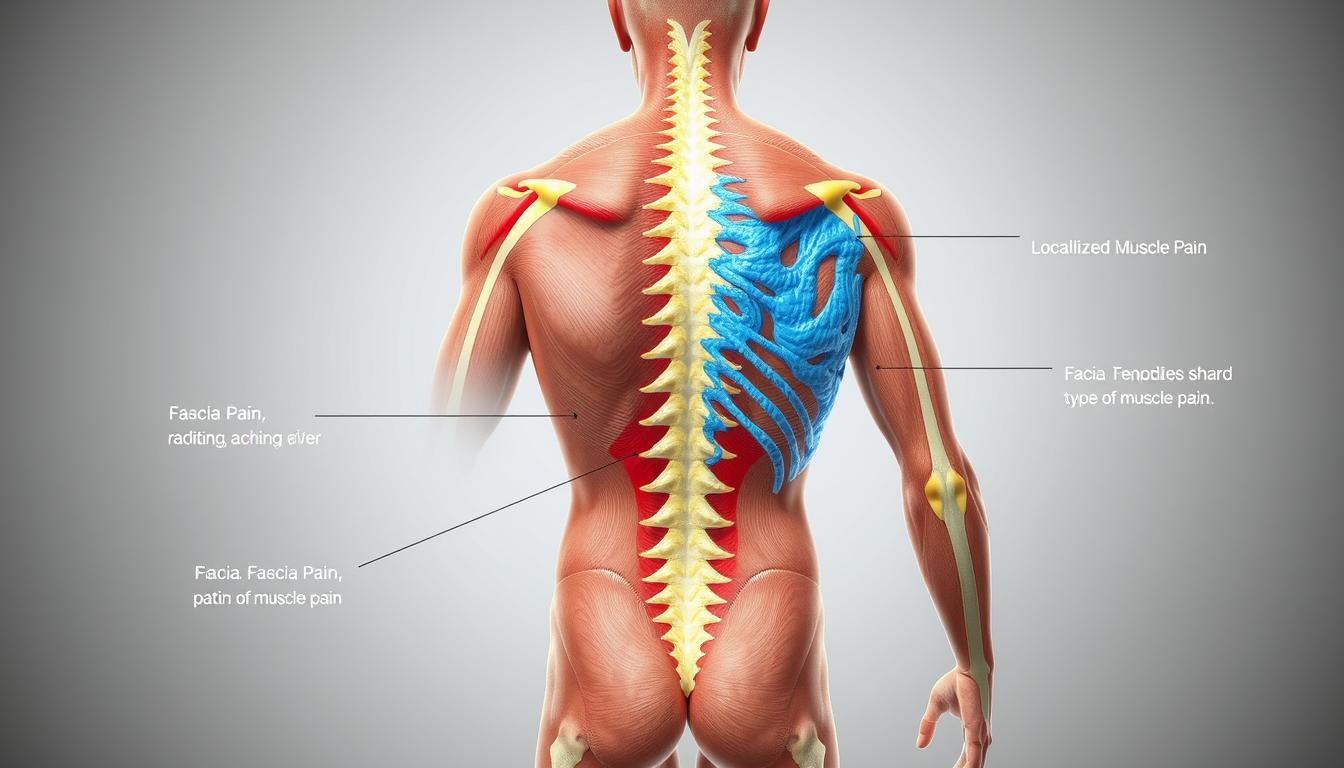
Referred pain is a hallmark. A stiff hip might trigger knee aches, while shoulder tightness radiates to the neck. Muscles usually hurt locally. Try the skin-rolling test:
- Pinch and lift skin over the painful area.
- Fascial restriction causes resistance or intense tenderness.
- Healthy tissue glides smoothly.
EMG studies reveal another clue. Muscles show electrical activity during spasms, while fascia doesn’t. Chronic cases often involve co-contraction—opposing muscles firing simultaneously due to fascial tightness.
Why Muscles and Fascia Are Often Both Involved
A failed rotator cuff treatment illustrates this. One patient’s shoulder pain persisted despite muscle therapy. Ultrasound imaging revealed thickened fascia compressing nerves. Addressing both tissues finally brought relief.
“Fascial adhesions alter biomechanics, forcing muscles to overwork.”
Red flags needing medical evaluation:
| Symptom | Possible Issue |
|---|---|
| Night sweats with pain | Infection or tumor |
| Sudden weakness | Nerve damage |
Self-assessment checklist:
- Does heat improve stiffness more than ice?
- Is pain migratory rather than fixed?
- Do massages provide temporary relief?
Answering “yes” suggests fascial involvement. For persistent issues, consult a myofascial specialist.
Myofascial Release: Professional Treatments That Work
Stubborn aches might signal hidden fascial restrictions needing expert care. Clinicians use specialized myofascial release techniques to restore tissue glide and improve range motion. Studies show 90% of patients achieve relief within 6-8 sessions.

What to Expect During Myofascial Therapy
Your first session begins with movement assessment. Therapists identify restricted areas through palpation and functional tests. They then apply sustained pressure (30-90 seconds) to release adhesions.
Two leading therapy approaches:
- Graston Technique: Uses stainless steel tools to break up scar tissue
- Active Release: Combines patient movement with targeted pressure
“Proper myofascial release resets nerve responses and restores natural tissue glide.”
How Physical Therapists and Chiropractors Help
For frozen shoulder, clinicians use cross-hand techniques to separate stuck layers. Sessions typically cost $200-$300, though many insurance plans cover partial costs when medically necessary.
Critical protocols:
| Condition | Treatment | Duration |
|---|---|---|
| Chronic back pain | Lumbar release | 8-12 sessions |
| Post-surgical scars | Instrument-assisted | 4-6 weeks |
Note: These treatments aren’t recommended for acute injuries or certain circulatory conditions. Always consult a certified practitioner.
DIY Fascia Care: Tools and Techniques for Home
Simple tools in your living space can transform stiff tissue into supple networks. With the right approach, you improve flexibility and reduce discomfort without professional visits. These methods target specific areas using science-backed principles.

Foam Rolling and Massage Tools
Dense foam rollers (3mm firmness) work best for breaking adhesions. Compare options:
- Textured rollers: Grooves penetrate deeper for chronic stiffness
- Vibration tools: Enhance blood flow to restricted zones
For IT band release:
- Position roller below hip
- Slowly roll toward knee (90 seconds max)
- Pause on tender spots for 30 seconds
“Consistent 90-second sessions per area yield better results than marathon rolling.”
Heat Therapy and Infrared Solutions
Infrared devices raise tissue temperature by 7°F, boosting hydration. Wavelengths matter:
| Type | Penetration | Best For |
|---|---|---|
| Near-infrared | 1-2 inches | Superficial stiffness |
| Far-infrared | 3-4 inches | Deep hip/back tightness |
Contrast therapy protocol:
- 3 minutes heat (promotes flexibility)
- 1 minute cold (reduces inflammation)
- Repeat 3 cycles
Warning: Over-treating causes microtrauma. Limit sessions to 15 minutes daily. Quality massage tools like TheraGun or Hyperice provide safer pressure than makeshift items.
Movement Practices to Keep Your Fascia Healthy
Motion quality directly impacts how your body’s support system functions. Unlike traditional workouts, fascial health requires varied, multi-directional movements. These practices enhance proprioception while maintaining tissue hydration.

Pandiculation vs. Stretching
Morning yawns demonstrate natural pandiculation—your body’s reset mechanism. This differs from stretching:
| Method | Mechanism | Best For |
|---|---|---|
| Pandiculation | Contracts then slowly releases muscles | Neurological reset |
| Static Stretching | Holds elongated position | Acute tightness |
| Dynamic Movement | Active through full range motion | Pre-activity prep |
Research shows pandiculation reduces gamma loop activity by 40%. Try this somatic sequence:
- Lie supine, knees bent
- Slowly arch back while inhaling
- Pause 3 seconds at peak contraction
- Gradually release over 10 seconds
Posture Correction and Range-of-Motion Exercises
Just 15° posture improvement decreases pain by 40%. Wall angels strengthen scapular movement:
- Stand back against flat surface
- Maintain lumbar curve (credit card space)
- Slide arms up/down in “snow angel” motion
“Fascial lines require three-dimensional loading for optimal function.”
Workstation fixes enhance daily movement:
- Monitor at eye level to prevent forward head
- Keyboard height allowing 90° elbow bend
- Footrest if feet don’t touch floor
For spinal alignment, check these points:
- Ears over shoulders
- Ribs stacked over pelvis
- Knees aligned with second toes
Lifestyle Habits for Long-Term Fascia Health
Your daily habits shape more than just your waistline—they directly impact your body’s hidden support system. While targeted therapies help, lasting health requires consistent care through hydration, nutrition, and mindful practices.
Fueling Your Connective Tissues
Just 2% dehydration reduces fascial glide by 18%. These strategies optimize fluid balance:
- Hydration monitoring: Check urine color—pale yellow indicates proper levels
- Collagen supplementation: 10g hydrolyzed collagen peptides daily boosts tissue repair
- Electrolyte balance: Add pinch of salt to water for better absorption
The anti-inflammatory food pyramid supports blood flow to tissues:
| Priority | Foods | Benefit |
|---|---|---|
| Daily | Berries, leafy greens | Reduce oxidative stress |
| Weekly | Fatty fish, nuts | Provide omega-3s |
| Limit | Processed sugars | Increase stiffness |
Breathing for Tissue Oxygenation
Nasal breathing increases oxygen uptake by 20%. Try the 4-7-8 technique:
- Inhale quietly through nose for 4 seconds
- Hold breath for 7 seconds
- Exhale completely for 8 seconds
“Diaphragmatic breathing stimulates fascial lymph drainage, removing waste products.”
Additional health boosters:
- Sleep positions: Side-lying with pillow between knees reduces spinal tension
- Stress reduction: Cortisol stiffens tissues—10-minute meditation counters this
- Smoking cessation: Nicotine restricts capillary flow to connective tissues
Conclusion: Empowering Your Fascia for a Pain-Free Life
Chronic stiffness often traces back to neglected connective tissue. By prioritizing fascial health, you unlock lasting mobility and comfort. Remember: hydration, varied movement, and professional guidance form the foundation.
Start small—30 seconds of daily foam rolling or a glass of electrolyte-rich water. Northeastern studies show early intervention cuts chronic pain risks by 40%. Your body responds best to consistent care, not quick fixes.
Bookmark this 30-day plan:
- Morning: 5-minute dynamic stretches
- Meals: Collagen-rich foods like bone broth
- Evening: Infrared heat for deep tissue relief
For persistent pain, consult a myofascial specialist. They pinpoint adhesions that DIY tools miss. Every step toward fascial care is a stride toward freedom—move with intention, and thrive.