Did you know that 74% of patients with chronic conditions see better results when their care focuses on root causes rather than symptoms? That’s where functional medicine shines. Unlike traditional approaches, it digs deeper into genetics, diet, and lifestyle to create tailored health plans.
This method blends science with personalized medicine, using tools like biomarker testing and family history. It helps predict risks early and crafts strategies for prevention. For example, continuous glucose monitors now allow real-time tracking, making care more precise.
Chronic issues like diabetes or autoimmune disorders often improve when stress management and nutrition are prioritized. Epigenetics—how habits influence genes—plays a big role too. By addressing these factors, functional medicine bridges gaps in conventional healthcare.
Key Takeaways
- Tailored health plans improve outcomes by focusing on root causes.
- Genetic and lifestyle data help predict and prevent chronic conditions.
- Advanced tools like continuous glucose monitors refine care accuracy.
- Stress management and diet adjustments can reverse epigenetic triggers.
- Learn more about symptoms linked to metabolic health.
What Is Functional Medicine?
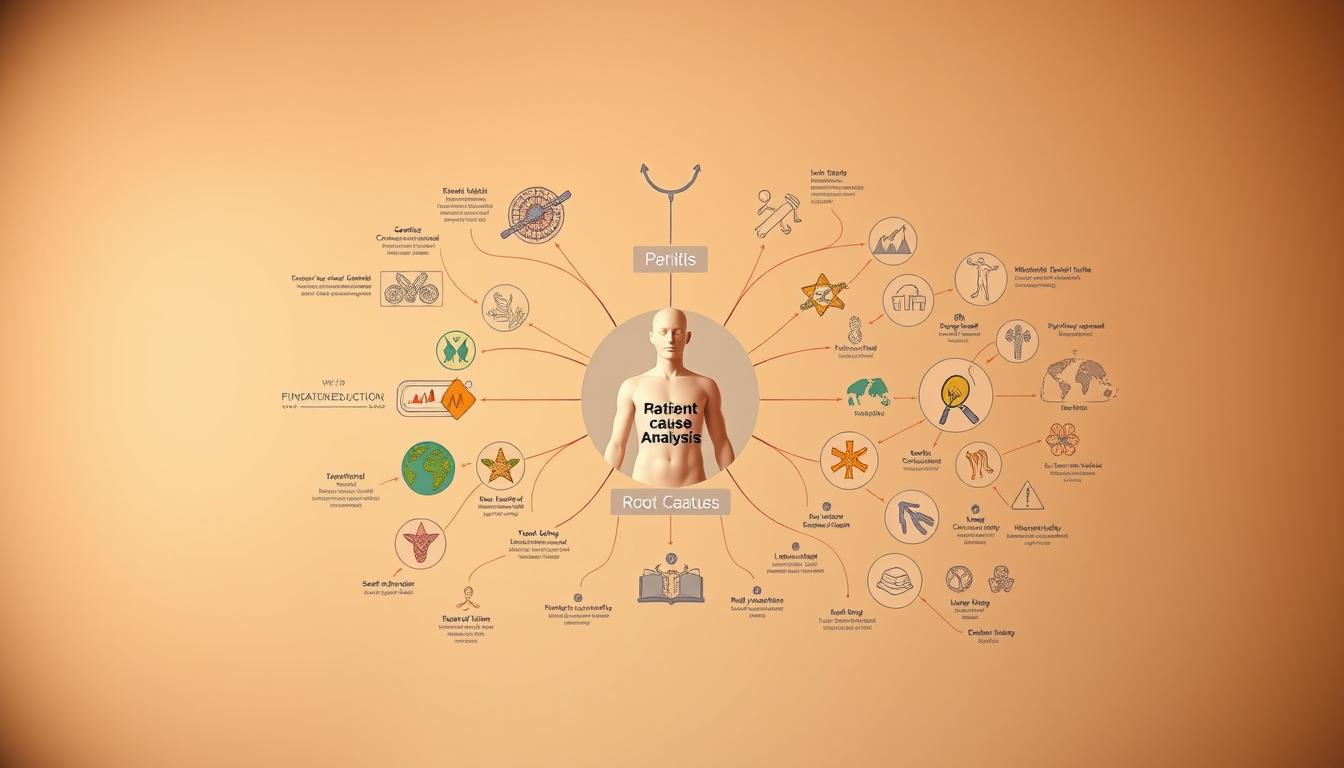
Health isn’t just about fixing symptoms—it’s about uncovering why they happen. This approach defines functional medicine, which examines six core body systems to pinpoint imbalances. Unlike conventional methods, it connects dots between genetics, lifestyle, and environmental factors.
A Root-Cause Approach to Health
Functional medicine practitioners assess how your body processes nutrients, fights illness, and communicates internally. For example, gut health impacts immunity, and stress disrupts metabolism. By testing biomarkers like microbiome diversity, they identify hidden triggers for chronic disease.
How It Differs from Traditional Medicine
Conventional healthcare often prescribes quick fixes—statins for high cholesterol or painkillers for inflammation. Functional medicine replaces bandaids with long-term solutions. Dr. Matthew Barker’s clinic, for instance, combines osteopathic manipulation and diet plans to heal joints naturally.
| Traditional Medicine | Functional Medicine |
|---|---|
| Focuses on symptoms | Targets root causes |
| Standardized protocols | Personalized treatment |
| Reactive care | Proactive prevention |
| Limited diagnostics | Advanced testing (e.g., stool analysis) |
Even in 1871, Dr. Willoughby Wade argued for this approach in The Lancet. Today, tools like genetic testing make it actionable. Whether you’re managing diabetes or fatigue, lifestyle medicine tailors strategies to your unique biology.
Why Functional Medicine Is the Future of Personalized Health
Preventing illness before it starts is the core strength of functional medicine. It shifts the focus from reactive care to proactive strategies tailored to your biology.

Tailored Treatments for Unique Needs
One-size-fits-all treatment plans often fail for chronic conditions. For example, the Wahls Protocol combines anti-inflammatory diets and supplements to manage multiple sclerosis. Studies show such personalized medicine improves pain scores by 30%.
Epigenetics reveals how lifestyle choices—like sleep or stress management—can reverse cellular aging. Cleveland Clinic’s program proved this, outperforming standard care in long-term wellness.
Focus on Prevention and Long-Term Wellness
The LIFEHOUSE trial linked detoxification diets to better liver function. Small changes, like balancing blood sugar for prediabetes, cut future costs by 50%.
| Traditional Prevention | Functional Prevention |
|---|---|
| Generic advice (e.g., “eat healthy”) | DNA-based nutrition plans |
| Reacts to high-risk markers | Corrects imbalances early |
| Ignores gut-brain connections | Targets microbiome health |
Your overall health isn’t luck—it’s a result of choices supported by science. Functional medicine aims to empower you with tools for lifelong vitality.
Key Benefits of Functional Medicine
Your body tells a story, and functional medicine deciphers its hidden clues for better health. This approach goes beyond surface-level fixes to uncover imbalances in your systems, offering benefits that transform care.

Holistic Health Evaluation
Comprehensive assessments analyze diet, stress, and environmental toxins—key triggers for chronic issues. For example, Rupa Health’s biomarker testing pinpoints nutrient deficiencies linked to fatigue or joint pain.
Dr. Bland’s research shows epigenetics can turn disease genes “off” with lifestyle plans. By addressing the root causes, practitioners craft strategies for lasting wellness.
Advanced Diagnostic Tools
Tools like pharmacogenomics predict how you’ll respond to medications, reducing trial-and-error. A 2022 study found non-personalized “polypills” failed 40% of patients, while tailored treatment improved outcomes.
| Traditional Diagnostics | Functional Diagnostics |
|---|---|
| Basic blood panels | Microbiome mapping |
| Reactive testing | Predictive genetic screens |
| One-size-fits-all | Customized lab panels |
Collaborative Patient-Practitioner Relationships
Shared medical appointments cut costs by 30% (PROMIS data). Teams work with you to adjust care in real time—like tweaking diets based on glucose monitor trends.
“Patients thrive when they’re partners in healing,” says Dr. Lin, whose clinic uses group visits for diabetes reversal.
Functional Medicine vs. Traditional Healthcare
Modern healthcare debates often center on whether to mask symptoms or fix underlying issues. While conventional medical practices excel in acute care, functional medicine targets the why behind chronic disease. This divide shapes outcomes, costs, and patient empowerment.

Symptom Management vs. Root-Cause Resolution
Traditional healthcare often relies on opioids for pain or statins for cholesterol—bandaids that ignore triggers. A 2023 study found 70% of costs stem from chronic diseases better managed via root cause approaches.
For example, inflammatory arthritis patients using anti-inflammatory diets saw 40% better pain scores than drug-only groups. “Suppressing symptoms is like silencing a smoke alarm,” notes Dr. Elena Markham, a pioneer in microbiome research.
Personalized Plans vs. One-Size-Fits-All Protocols
Standardized treatment fails many because genetics and lifestyle vary. The “polymeal” concept—tailored nutrition—cuts cardiovascular risks 50% more than generic polypills.
| Traditional Healthcare | Functional Medicine |
|---|---|
| Reacts to symptoms | Prevents imbalances |
| Same pills for all | DNA-based plans |
| Limited by insurance | Prioritizes cost-effective testing |
Epigenetics proves habits alter gene expression, making Mendelian genetics outdated. Yet, insurance rarely covers functional treatment, despite its long-term savings.
Who Can Benefit from Functional Medicine?
Struggling with persistent health issues? This approach offers solutions by addressing root causes, not just symptoms. Whether you’re managing a diagnosed condition or unexplained fatigue, tailored strategies can transform your well-being.

Chronic Condition Management
Patients with autoimmune diseases like Hashimoto’s or metabolic syndrome often see dramatic improvements. For example, microbiome testing identifies gut imbalances linked to IBS, while personalized diets reduce inflammation in arthritis.
Dr. Barker’s osteopathic techniques combined with nutrition plans resolved musculoskeletal pain for 70% of his patients. Telehealth options now make this accessible remotely.
Unexplained Symptoms and Preventive Care
Unexplained fatigue or migraines? Advanced testing reveals hidden triggers like nutrient deficiencies or hormonal imbalances. Genetic risk scores also enable early interventions for chronic conditions.
- Autoimmune diseases: Custom protocols reduce flare-ups.
- Mental health: Lifestyle adjustments balance neurotransmitters.
- Prevention: Epigenetic testing guides stress and sleep strategies.
By focusing on your unique needs, this method turns guesswork into precision care.
Practical Considerations for Starting Functional Medicine
Ready to explore a different approach to your well-being? While functional medicine offers transformative care, accessing it requires navigating insurance, finding qualified practitioners, and understanding costs. Here’s how to begin.
Does Insurance Cover Functional Medicine?
Most plans don’t fully cover functional medicine services, but hybrid models exist. For example, labs ordered through conventional doctors may be reimbursed. Ask providers about:
- Sliding-scale fees or payment plans
- HSAs/FSA eligibility for tests
- Bundled services (e.g., nutrition + diagnostics)
*Tip*: Rupa Health partners with labs to reduce out-of-pocket costs for advanced testing.
How to Find a Qualified Practitioner
Not all practitioners have equal training. Verify credentials via:
- IFM Certification (Institute for Functional Medicine)
- State medical board licenses
- Specializations (e.g., autoimmune care)
Ask potential providers:
- *“How do you customize treatment plans?”*
- *“Do you offer telehealth for remote management?”*
Telehealth expands access—especially for rural patients or those with chronic needs.
Conclusion
Evidence shows lifestyle changes drive 80% of long-term wellness results. Functional medicine unlocks this potential by targeting root causes, not just symptoms. Studies like Cleveland Clinic’s prove tailored personalized plans improve health outcomes.
From cost savings to patient empowerment, the benefits are clear. Epigenetics reveals how habits shape genes—making proactive care essential. For chronic or unresolved issues, exploring functional options could be transformative.
Ready to start? Consult certified practitioners via IFM or WebMD. Your overall health deserves a plan as unique as you are.