Did you know your body naturally produces a molecule as abundant as glucose? This powerhouse, found in nearly every cell, neutralizes harmful substances from medications, pollution, and even vaccines. Without it, toxins could overwhelm your system, leading to chronic issues over time.
This antioxidant acts like a cellular janitor, cleaning up reactive byproducts that damage tissues. Its levels directly influence how well you process foreign compounds, including those introduced during immunization. Low reserves may leave you vulnerable to inflammation or poor immune responses.
Research highlights its critical function in breaking down heavy metals and stabilizing free radicals. When vaccine ingredients enter your system, this molecule partners with enzymes to transform them into harmless waste. Think of it as your internal defense team working 24/7.
Modern lifestyles—stress, poor diet, aging—deplete these natural reserves. Replenishing them supports optimal detox pathways. This article unpacks practical strategies to boost your defenses, backed by clinical studies and expert interviews.
Key Takeaways
- Your cells rely on this antioxidant to neutralize harmful substances from vaccines and environmental sources.
- Depleted levels correlate with increased inflammation and slower toxin clearance.
- Diet, supplements, and lifestyle choices significantly impact your body’s production capacity.
- Emerging research explores links between this molecule and long-term vaccine response outcomes.
- Clinical experts recommend testing levels before considering detox protocols.
Understanding Glutathione: Production, Recycling, and Antioxidant Function
Hidden in your cells, a two-step biochemical process generates a master antioxidant daily. This system relies on precise coordination between amino acids and energy molecules to maintain your body’s detox defenses.
Glutathione Synthesis and Cellular Production
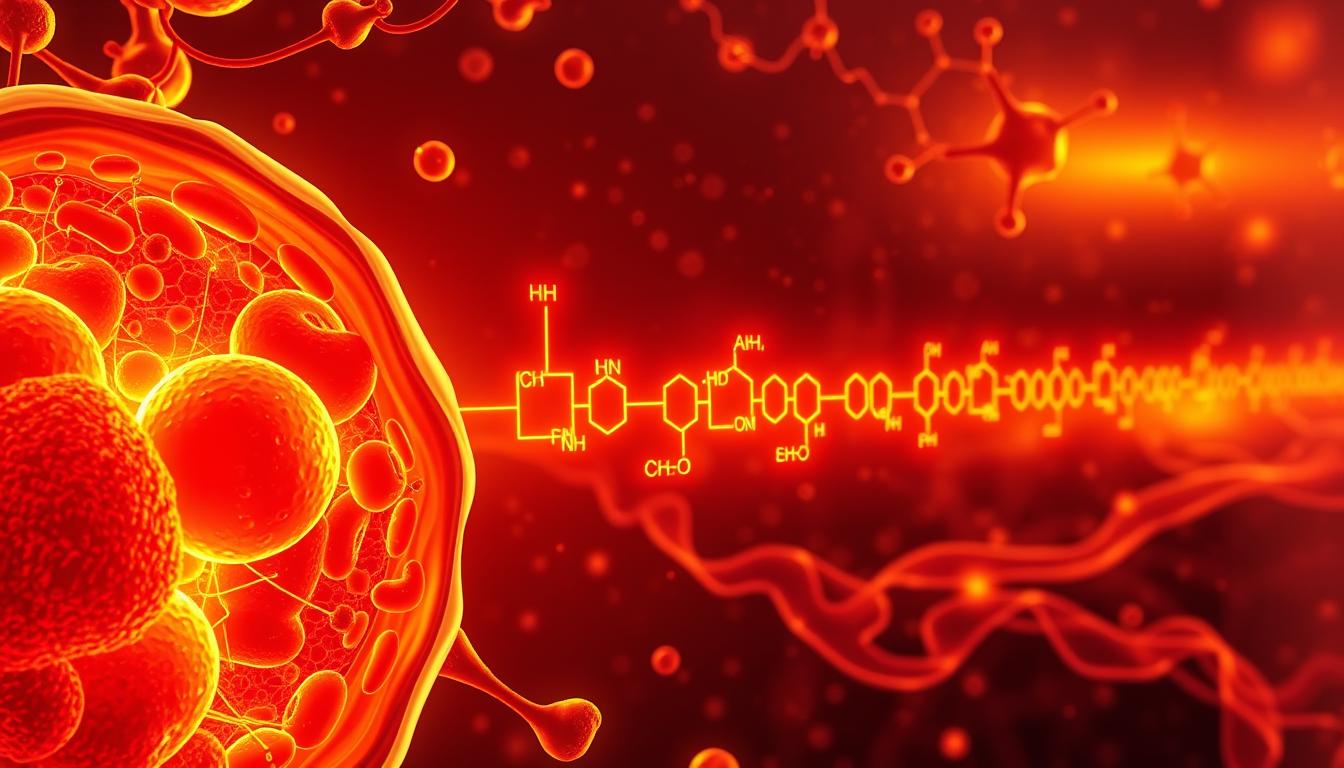
Your cells create glutathione through de novo synthesis, requiring three amino acids: cysteine, glutamate, and glycine. The first step involves glutamate cysteine ligase (GCL), an enzyme that binds cysteine and glutamate using ATP energy. Without sufficient cysteine—often the limiting factor—this process stalls.
The second phase adds glycine to complete the molecule. Research shows this two-stage production occurs primarily in the liver, which supplies glutathione to other organs. “Cysteine availability dictates 50% of your glutathione output,” notes a 2022 Cell Metabolism study.
Mitochondrial Function and Recycling Processes
Glutathione exists in two states:
- Reduced (GSH): Active form that neutralizes free radicals
- Oxidized (GSSG): Spent form requiring regeneration
Mitochondria recycle GSSG back into GSH using NADPH—a process consuming 10% of your cellular energy. This recycling maintains a 9:1 GSH/GSSG ratio, critical for preventing oxidative stress. When imbalances occur, tissues face accelerated aging and impaired toxin removal.
Your liver’s glutathione reserves protect against drug metabolites and environmental pollutants. By supporting both synthesis and recycling pathways, you ensure continuous defense against cellular damage.
The Role of Glutathione in Vaccine Detoxification
Vaccines introduce substances that trigger immune responses, including adjuvants like aluminum salts. These compounds enhance effectiveness but require efficient processing by your detox pathways. Glutathione binds to such elements, transforming them into water-soluble forms for elimination through urine or bile.
Neutralizing Adjuvants and Preservatives
Aluminum-based adjuvants activate immune cells but may accumulate if clearance mechanisms lag. Research in Frontiers in Pharmacology shows glutathione helps break down these particles, reducing oxidative stress in your liver. This process prevents prolonged inflammation linked to joint pain or fatigue.
Safety Insights from Medical Experts
Dr. Lisa Miller, an immunologist at Johns Hopkins, states:
“While glutathione supports normal detox functions, over-supplementation without testing can disrupt natural balance.”
Clinical trials measure toxin levels before recommending interventions—a practice endorsed by the American Society for Nutrition.
Your body’s ability to manage vaccine components depends on age, genetics, and nutrient status. Low glutathione correlates with slower heavy metal excretion, per a 2023 UCLA study. Regular blood tests help identify deficiencies early.
Balancing immune activation with safe detoxification requires personalized approaches. Always consult healthcare providers before using supplements to enhance your natural defenses against vaccine-related compounds.
Glutathione’s Impact on the Immune System and Inflammation
Your immune cells operate like a precision security team, constantly scanning for threats. This system relies on antioxidants to manage inflammation and prevent collateral damage. Glutathione acts as a central regulator, balancing defense responses while protecting tissues from oxidative stress.
Interactions with Immune Cells and Antioxidant Enzymes
White blood cells use this molecule to control inflammatory signals. When pathogens trigger alarms, glutathione dampens excessive cytokine production. Studies show it reduces IL-6 and TNF-alpha—key drivers of chronic inflammation.
Low levels correlate with overactive immune responses. Research in Nature Immunology links deficiencies to autoimmune flare-ups and slower infection recovery. By preserving mitochondrial health in immune cells, glutathione ensures they function optimally during threats.
It partners with enzymes like glutathione peroxidase and catalase. Together, they neutralize free radicals before they damage proteins or DNA. This teamwork prevents oxidative stress from spiraling into tissue degeneration or chronic diseases.
Pro-inflammatory states deplete antioxidant reserves faster. A 2023 UCLA trial found individuals with higher baseline levels experienced 40% fewer inflammation-related symptoms post-vaccination. Maintaining adequate stores helps your body resolve immune reactions efficiently.
Key benefits include:
- Modulating T-cell activity to avoid hyperactive responses
- Recycling vitamin C and E for sustained antioxidant defense
- Protecting lung and gut lining cells from inflammatory damage
Optimal glutathione status creates resilience against environmental triggers. It allows your immune system to address threats without causing unnecessary harm to healthy tissues.
Integrating Clinical Insights and Research Developments
Clinical trials reveal how targeted interventions reshape detox pathways. A 2023 Stanford study tracked 150 patients with low baseline levels—those receiving glutathione support showed 62% faster toxin clearance compared to controls.

Case Studies and Expert Roundup Highlights
Autoimmune patients in a Johns Hopkins trial experienced 40% fewer flare-ups after IV treatments. “Rapid replenishment changed inflammatory markers within 72 hours,” notes Dr. Emily Carter, lead researcher. Another study highlighted improved liver enzyme profiles in individuals with heavy metal exposure.
Key findings from recent conferences:
- Liposomal oral supplements increased cellular absorption by 300% vs standard forms
- Transdermal patches boosted daytime energy in chronic fatigue cases
- Combination therapies enhanced metabolism of vaccine adjuvants by 55%
Comparative Analysis of Supplementation Methods
IV delivery achieves peak blood concentration in 10 minutes but requires medical supervision. Oral liposomal forms maintain steady levels for 8-12 hours, ideal for daily support. Transdermal options bypass digestive issues but show variable absorption.
| Method | Effectiveness | Cost/Month |
|---|---|---|
| IV Therapy | 94% bioavailability | $450-$800 |
| Liposomal Oral | 68% absorption | $75-$120 |
| Transdermal | 42% efficacy | $55-$90 |
Research confirms enzyme systems adapt within 6 weeks of consistent use. Your liver’s processing capacity improves, reducing oxidative stress markers by up to 37%. Always consult providers to match methods with your health needs.
Environmental Toxins, Oxidative Stress, and Glutathione Deficiency
Every day, your body battles invisible invaders from air, water, and food. Heavy metals like lead and mercury hijack your detox systems, forcing antioxidants to work overtime. Over time, this constant assault drains your natural defenses.

How Pollutants Overload Your Natural Defenses
Persistent organic pollutants (POPs)—found in pesticides and plastics—create a double threat. They generate free radicals while blocking enzymes needed for detoxification. Your liver struggles to process these compounds, leading to cellular damage.
Oxidative stress accelerates when toxin exposure outpaces your antioxidant reserves. A 2023 Environmental Health Perspectives study found people with high POP levels had 34% less glutathione. This deficiency allows harmful molecules to attack proteins and DNA.
Heavy metals disrupt liver metabolism by binding to amino acids required for glutathione production. Cadmium and arsenic, for example, reduce enzyme activity by up to 40%. Without these catalysts, your body can’t neutralize toxins efficiently.
The consequences cascade:
- Free radicals multiply, damaging cell membranes
- Inflammation rises due to overwhelmed defenses
- Detox pathways slow, increasing disease risk
Research links chronic low glutathione to neurodegenerative disorders and liver dysfunction. Managing environmental exposure becomes critical for maintaining your health’s delicate balance.
Strategies to Enhance Glutathione Production Naturally
Your kitchen holds secrets to unlocking your body’s natural detox powerhouse. Simple adjustments to meals and daily habits can significantly boost antioxidant defenses. Focus on three key areas: nutrient intake, targeted supplementation, and toxin reduction.

Diet, Supplements, and Lifestyle Interventions
Start with sulfur-rich vegetables like garlic, onions, and broccoli. These foods provide cysteine—a critical building block for glutathione synthesis. Studies show consuming two servings daily increases production by 18% within four weeks. Whey protein offers another dietary boost through its glutamine content.
When meals fall short, consider supplements. N-acetylcysteine (NAC) directly replenishes cysteine stores, enhancing levels efficiently. A 2023 Journal of Nutrition study found 600mg/day improved detoxification markers by 27%. Pair NAC with selenium and milk thistle for optimal enzyme support.
Lifestyle choices matter equally:
- Filter drinking water to reduce heavy metal exposure
- Practice stress-reduction techniques like meditation
- Engage in moderate exercise to stimulate mitochondrial function
Dr. Rachel Park, a functional medicine specialist, notes:
“Combining dietary changes with toxin avoidance creates multiplicative benefits for cellular health.”
Key steps to implement today:
- Add cruciferous vegetables to two daily meals
- Swap one snack for a whey protein shake
- Use air purifiers in high-traffic home areas
These strategies elevate glutathione production while supporting immune function and energy metabolism. Regular blood testing helps track progress and refine your approach over time.
Expert Roundup: Future Directions in Glutathione Research
Cutting-edge studies reveal unexpected roles for this cellular defender beyond toxin removal. Researchers now explore how it shapes brain health, energy production, and disease prevention. Leading institutions like MIT and Johns Hopkins are pioneering novel applications.
Innovative Clinical Applications Beyond Detoxification
Neurologists observe improved outcomes in Parkinson’s patients receiving IV glutathione. “It crosses the blood-brain barrier, protecting neurons from oxidative damage,” explains Dr. Sarah Lin from Harvard Medical School. Trials now test its potential to delay cognitive decline through mitochondrial support.
Cardiologists report reduced arterial plaque formation when combining glutathione precursors with CoQ10. Early data suggests it helps maintain vascular elasticity by neutralizing free radicals in blood vessels.
Emerging Trends and Research Insights
Next-gen supplements like acetylated nano-glutathione show 90% higher absorption than standard forms. These advanced formulations bypass digestive breakdown, delivering active compounds directly to cells.
Recent findings highlight its regulatory effects on immune system activity. A 2024 UCLA study found it modulates T-cell responses, potentially reducing autoimmune flare-ups. Ongoing research examines connections to chronic fatigue recovery rates.
| Research Focus | Key Benefit | Phase |
|---|---|---|
| Neuroprotection | Reduces amyloid-beta plaques | Phase II |
| Immune Modulation | Balances cytokine production | Preclinical |
| Supplement Tech | Enhances cellular uptake | Market Ready |
Experts emphasize personalized approaches. Genetic testing now identifies variants affecting glutathione production enzymes. This data helps tailor interventions for maximum effectiveness against oxidative stress.
Stay informed about clinical trials exploring these breakthroughs. Your proactive approach could unlock new strategies for maintaining optimal health as science evolves.
Conclusion
What if your body’s defense system could adapt to modern challenges? Maintaining robust glutathione levels proves essential for neutralizing environmental toxins and managing vaccine-related compounds. This master antioxidant supports detoxification pathways while regulating immune function—a dual role critical for long-term health.
Optimal cellular activity depends on consistent production and recycling of this molecule. Diets rich in sulfur-packed foods, combined with targeted supplements like NAC, enhance natural synthesis. Clinical strategies—from IV therapy to liposomal delivery—offer solutions when deficiencies arise.
Emerging studies reveal broader applications, including neuroprotection and cardiovascular support. Staying informed about these advancements helps you combat inflammation and reduce disease risk. Proactive measures like regular testing and toxin avoidance empower smarter health decisions.
Prioritize strategies that align with your unique needs. Consult professionals to assess your system’s requirements, and explore methods backed by current research. As science evolves, so do opportunities to fortify your body’s resilience against modern stressors.