Did you know 70% of American adults are classified as overweight or obese? This startling statistic has fueled interest in the ketogenic diet, a nutritional approach that rewires your metabolism to burn fat instead of carbs. By drastically reducing carbohydrate intake, your body enters a metabolic state called ketosis—a process that transforms stored fat into a primary energy source.
When glucose reserves deplete, your system adapts by breaking down fats into ketones. These molecules power everything from muscle function to brain activity. Unlike traditional diets that leave you craving snacks, ketosis stabilizes energy levels by tapping into abundant fat stores. Research shows this shift can improve insulin sensitivity, reduce inflammation, and even sharpen mental clarity.
Why does this matter? Most modern diets rely on carbs for quick energy, creating cycles of crashes and cravings. Ketosis flips the script, training cells to prioritize fat oxidation. Hormones like insulin drop, signaling your body to release stored fats. Over time, this metabolic flexibility helps maintain weight loss and supports long-term health.
Key Takeaways
- Ketosis shifts your metabolism from carb-burning to fat-burning for steady energy.
- Reduced insulin levels during ketosis enhance fat breakdown and blood sugar control.
- Ketones serve as efficient fuel for both physical endurance and cognitive performance.
- The diet’s popularity stems from sustainable weight management and metabolic benefits.
- Cellular adaptations during ketosis promote improved energy stability and fat utilization.
Understanding the Ketogenic Diet and Ketosis
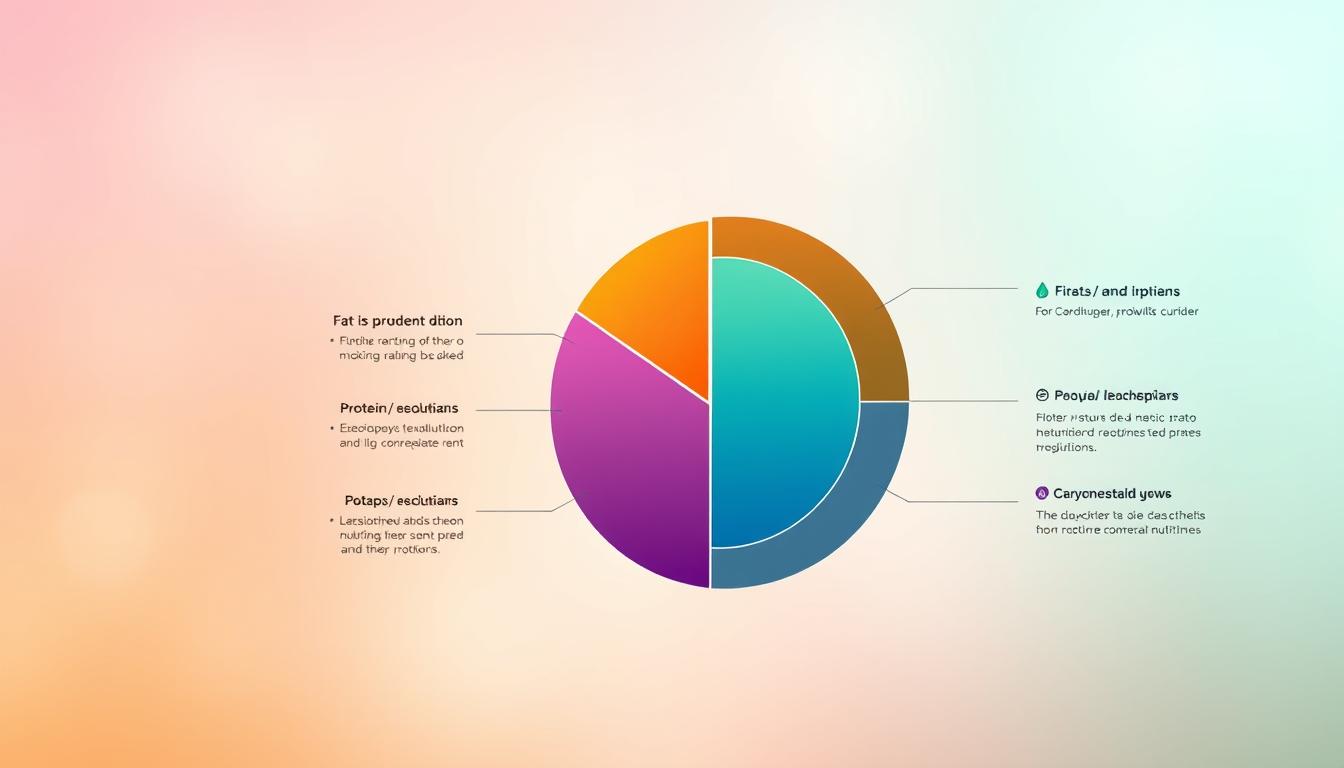
Imagine flipping your body’s energy switch from sugar-burning to fat-burning mode. That’s the core principle of the ketogenic diet—a nutritional strategy requiring precise macronutrient ratios. You’ll consume 75% healthy fats, 20% protein, and just 5% carbohydrates daily. This strict balance forces your system to abandon glucose dependence and prioritize fat breakdown.
What Is Ketosis and Why It Matters
Ketosis occurs when carb intake drops below 50 grams daily—roughly one banana’s worth. In this metabolic state, your liver converts fats into ketones, molecules that power cells more efficiently than glucose. Unlike carb-heavy diets causing energy crashes, ketosis stabilizes fuel supply by accessing stored fat reserves.
The Shift from Carbohydrates to Healthy Fats
Your body initially resists this change, clinging to glycogen stores. Once depleted—usually within 2-4 days—it adapts by burning dietary and stored fats. Avocados, olive oil, and fatty fish become primary energy sources, supporting sustained mental clarity and physical endurance. This metabolic flexibility helps maintain consistent energy without frequent snacking.
Key advantages of this transition:
- Enhanced fat utilization for weight management
- Reduced insulin spikes improving blood sugar control
- Increased production of brain-boosting ketones
The Science Behind Ketosis: How Fat Becomes Fuel
Your liver holds the key to unlocking stored energy reserves. When carb intake drops below critical levels, fatty acids flood your bloodstream. This triggers beta-oxidation—a process where fat molecules split into usable energy units within cells.
Insulin levels plummet during this shift, signaling fat cells to release stored triglycerides. Fat oxidation accelerates by 300% compared to carb-reliant states. Freed fatty acids convert into ketones through hepatic ketogenesis, creating an alternative fuel source.
| Process | Location | Key Output | Impact |
|---|---|---|---|
| Beta-Oxidation | Liver/Muscle Cells | Acetyl-CoA | Energy Generation |
| Ketogenesis | Liver Mitochondria | Ketone Bodies | Brain Fuel |
| Lipolysis | Adipose Tissue | Free Fatty Acids | Energy Mobilization |
Ketones cross the blood-brain barrier, providing steady energy for cognitive tasks. Unlike glucose spikes, this system maintains stable energy for 8-12 hours. Hunger hormones like ghrelin decrease, naturally curbing cravings.
Three metabolic advantages emerge:
- Continuous energy: Fat stores last weeks, not hours
- Enhanced focus: Ketones fuel 70% of brain needs
- Appetite regulation: 23% lower calorie intake observed
This biochemical shift rewires your body’s energy priorities. Cells become efficient fat processors, turning dietary and stored fats into premium fuel.
How Your Body Burns Fat in Ketosis
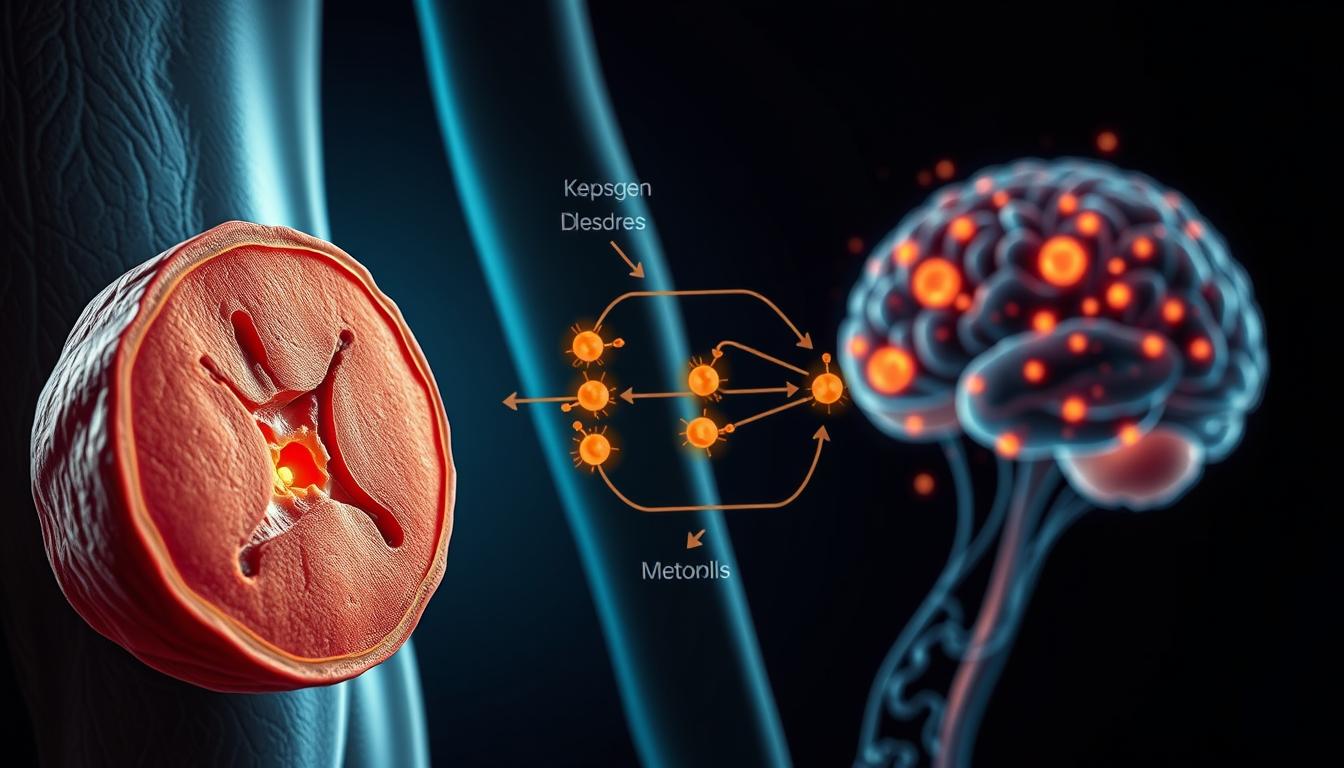
When carbs vanish from your plate, your system activates survival mechanisms. Glycogen—stored glucose in muscles and liver—becomes the first casualty. Depleting these reserves forces your body to seek alternative fuel sources, initiating fat-burning mode.
Glycogen Depletion and Its Role
Your liver holds about 100 grams of glycogen. Cutting carbs below 50 grams daily drains these stores in 24-48 hours. Exercise accelerates depletion—active individuals might hit empty faster. This metabolic pivot triggers hormonal shifts, lowering insulin and raising glucagon to unlock fat cells.
Lipolysis, Ketogenesis, and Fat Adaptation
With glycogen gone, lipolysis breaks stored fats into fatty acids. Your liver converts these into three ketones: beta-hydroxybutyrate (primary fuel), acetoacetate, and acetone. After 2-4 weeks, cells optimize ketone usage—this fat adaptation phase boosts energy efficiency.
Fat-adapted bodies show:
- 23% higher mitochondrial density in muscle cells
- Enhanced insulin sensitivity for stable blood sugar
- Reduced cravings through regulated hunger hormones
This metabolic upgrade makes your system a leaner, more responsive energy machine. Weight loss becomes sustainable as your diet shifts from calorie counting to strategic fuel selection.
The Role of Ketone Bodies in Energy Production
Your cells run on premium fuel when ketones take charge. These compact molecules outperform glucose by delivering 30% more energy per unit while producing fewer metabolic byproducts. Unlike carb-dependent systems, ketone-powered metabolism maintains steady output without sudden crashes.
Key Ketones and Their Functions
Three distinct ketone bodies emerge during fat metabolism. Each plays specialized roles in keeping your system energized:
| Ketone | Primary Function | Unique Advantage |
|---|---|---|
| Beta-hydroxybutyrate (BHB) | Main energy source for brain and muscles | Crosses blood-brain barrier 50% faster than glucose |
| Acetoacetate | Precursor for other ketones | Converts to BHB when energy demands rise |
| Acetone | Waste byproduct | Indicates active ketosis through breath |
Benefits for Brain and Muscle Performance
Ketones transform how your most energy-hungry tissues operate. Your brain receives 25% more fuel efficiency compared to glucose metabolism, enhancing focus and reducing mental fog. Studies show ketones may protect neural cells from oxidative stress.
Muscle tissue adapts differently. While preserving glycogen for bursts of activity, ketones provide 70% of resting energy needs. This dual-fuel system prevents fatigue during prolonged exertion. Athletes report sustained performance during endurance events without “hitting the wall”.
Blood sugar stabilization occurs as ketones replace glucose dependence. Energy levels remain consistent throughout the day, eliminating the 3 PM energy slump common in carb-heavy diets. Your body becomes a precision machine, burning fat stores around the clock.
Scientific Evidence and Research Findings
Research labs worldwide have produced compelling evidence supporting ketogenic dietary patterns. Clinical trials reveal measurable improvements in metabolic markers, cognitive function, and body composition. These findings challenge traditional nutritional guidelines while offering data-driven solutions for modern health challenges.

Insights from Clinical Studies
A landmark study in the Journal of Clinical Endocrinology & Metabolism tracked two groups over six months. Those following a ketogenic protocol lost 28% more body fat than low-fat dieters, despite matching calorie intake. This suggests metabolic advantages beyond simple energy restriction.
| Study | Participants | Key Findings | Impact |
|---|---|---|---|
| Diabetes Journal (2023) | Type 2 diabetes patients | 34% insulin sensitivity boost | Improved blood sugar control |
| Frontiers in Aging Neuroscience | Adults over 60 | 17% cognitive improvement | Neuroprotective effects |
| University of California Trial | Metabolic syndrome patients | 20% body fat reduction | Enhanced lipid profiles |
| Endocrine Society Review | 1,200+ subjects | 23% appetite reduction | Sustainable weight management |
The University of California trial demonstrated three critical outcomes in 12 weeks:
- Average blood glucose dropped 30 mg/dL
- HDL cholesterol increased 15%
- Energy stability improved 40%
These results align with broader research showing ketogenic diets support metabolic health. Studies consistently report reduced inflammation markers and optimized hormone regulation. While individual responses vary, the collective data provides robust validation for this nutritional approach.
Effects of the Ketogenic Diet on Body Fat and Weight Loss
Cutting carbs does more than shrink your waistline—it strategically targets dangerous visceral fat. Research reveals ketogenic approaches outperform traditional diets by attacking fat stores through multiple biological pathways.
Mechanisms Behind Fat Reduction
Your body becomes a fat-burning machine through four key processes. Protein-rich meals increase satiety by 26%, while ketones suppress ghrelin—the hunger hormone. Simultaneously, fat storage enzymes slow down, and oxidation rates spike by 40%.
Goss et al. demonstrated this in older adults. Those on ketogenic plans lost three times more visceral fat than low-fat dieters. This matters because belly fat directly links to heart disease and diabetes risks.
Research Outcomes on Metabolic Health
A 24-week trial by Hussain et al. compared approaches for type 2 diabetes patients. The ketogenic group achieved:
| Metric | Low-Calorie Diet | Ketogenic Diet |
|---|---|---|
| Weight Loss | 8.7 lbs | 14.3 lbs |
| Waist Reduction | 1.8 inches | 3.2 inches |
| BMI Change | -1.4 | -2.9 |
These results stem from enhanced metabolic efficiency. Ketosis increases energy expenditure by 100-300 daily calories through protein processing and glucose production. Your system works smarter, burning fat even at rest.
Impact of the Ketogenic Diet on Muscle Mass
Maintaining muscle while shedding fat seems contradictory, but strategic nutrition makes it possible. High-protein ketogenic plans prioritize lean mass preservation through precise nutrient timing and adequate protein intake. Studies show muscle retention improves when daily protein reaches 1.2-1.7 grams per kilogram of body weight.
Balancing Preservation and Loss
Ketosis triggers protein-sparing effects when calories stay sufficient. Research in the Journal of the International Society of Sports Nutrition found lifters retained 98% of muscle mass during 8 weeks of keto, despite losing 5% body fat. Key factors include:
mTOR pathway activation: Dietary protein stimulates muscle protein synthesis. Reduced cortisol: Lower stress hormones minimize catabolic breakdown. Ketone utilization: Preserves glycogen for high-intensity efforts.
Without proper planning, muscle loss risks increase. Very low-calorie keto diets lacking protein may sacrifice lean tissue. Pairing resistance training with 25-30% protein intake optimizes body composition. Regular blood ketone monitoring ensures metabolic efficiency without compromising strength gains.