40% of adults who struggle with emotional eating have unusual responses to hunger-regulating hormones. Scientists think that a problem with CCK hormone might be the main issue. This hormone doesn’t just tell your stomach you’re full. UCLA researchers found it talks directly to brain areas that handle stress and reward.
When you’re under constant stress, something strange happens. CCK hormone activity can drop by up to 60% in studies. This means your brain doesn’t get the “stop eating” signals. At the same time, it starts craving high-calorie foods more.
The big discovery is that controlling appetite isn’t just about willpower. New research shows how certain lifestyle changes can change your body’s chemical messages. From eating at the right times to reducing stress, you can learn science-backed ways to stop eating based on emotions.
Key Takeaways
- CCK acts as your body’s natural portion control system
- Chronic stress reduces CCK effectiveness by over half
- Disrupted hormone signaling creates self-reinforcing cravings
- Modern diets high in processed foods worsen CCK resistance
- Targeted strategies can restore healthy appetite regulation
Understanding Your Hunger Hormones
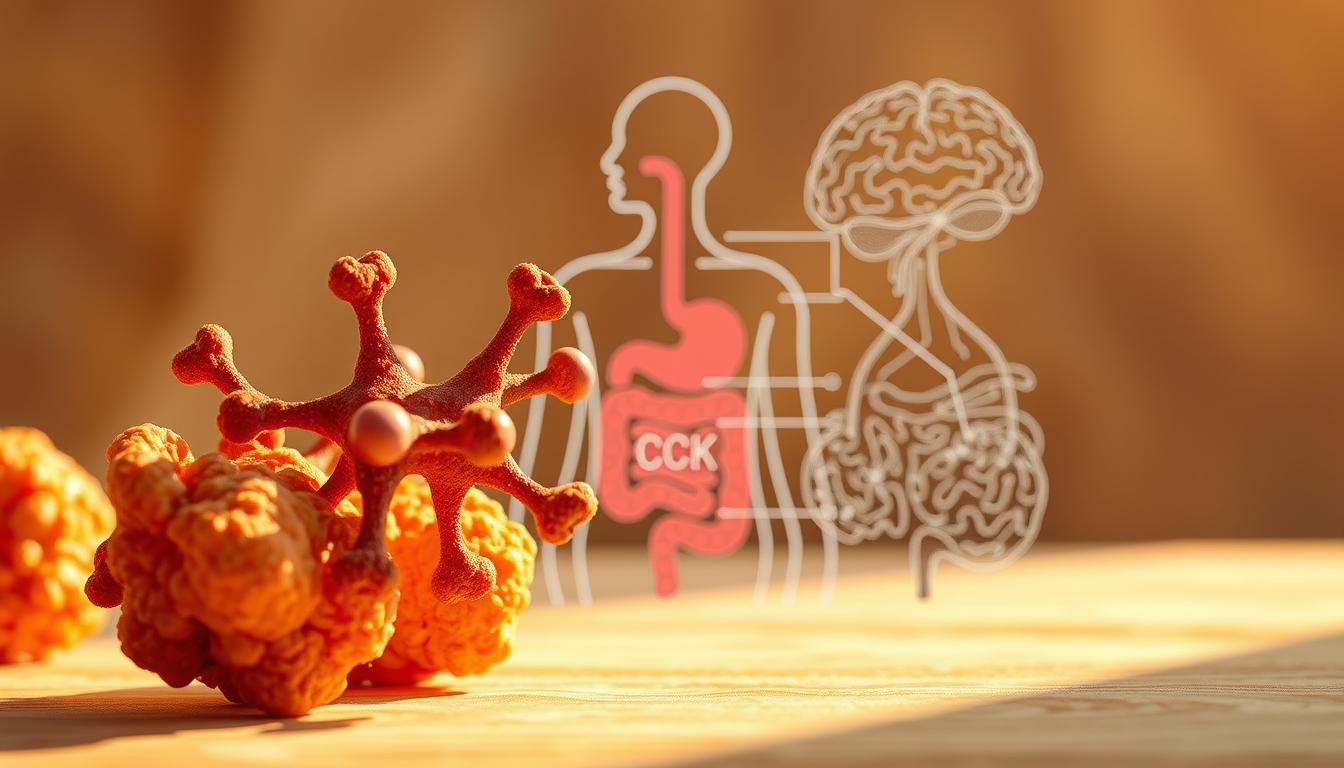
Hunger is more than just a growling stomach. It’s a hormonal conversation where CCK hormone plays a key role. This hormone sends messages from your gut to your brain. It shapes how and when you eat.
What Is Cholecystokinin (CCK)?
CCK is made in your small intestine’s duodenum. It has 33 amino acids and is released when you eat fats or proteins. Your body uses it to say, “Time to process these nutrients!”
Chemical Structure and Production Sites
CCK’s unique structure lets it bind well with receptors in your pancreas and gallbladder. Most of it is made in enteroendocrine cells in your digestive tract. Some also comes from brain neurons.
Primary Functions in Digestion
This hormone does many things:
- It helps release bile to break down fats
- It activates enzymes in your pancreas for protein digestion
- It slows down stomach emptying to help absorb nutrients better
CCK’s Role in Appetite Regulation
Appetite regulation gets interesting with CCK. It doesn’t just help with digestion. It also tells your brain when to stop eating. This happens within 15 minutes of eating.
How CCK Communicates With Your Brain
The hormone creates a “fullness feedback loop” by:
- Noticing nutrients in your small intestine
- Sending signals through nerve pathways
- Releasing serotonin to make you feel full
Short-Term vs Long-Term Satiety Signals
While leptin balances energy over days, CCK works in the moment. This is why appetite suppressants often target CCK. They make you feel full faster during meals. Here’s a comparison:
| Factor | CCK | Leptin |
|---|---|---|
| Signal Duration | Minutes | Days |
| Trigger | Meal nutrients | Body fat levels |
| Main Action | End current meal | Regulate overall intake |
Stress can lower CCK production by 18%. This disrupts hunger cues. Knowing this, you can make better choices about when and what to eat.
The Emotional Eating Epidemic
Millions of Americans struggle with eating because of feelings, not hunger. This silent crisis is getting worse with today’s stress. It’s important to know how emotional hunger is different from real hunger and why it’s hard to stop.

Defining Emotional vs Physical Hunger
Your body has different signs for hunger and comfort. Real hunger grows slowly, with signs like a growling stomach. Emotional hunger, on the other hand, comes on fast and wants specific foods like pizza or chocolate.
Key Differences in Bodily Signals
- Physical hunger: Goes away with any healthy food, lasts 15-20 minutes after eating
- Emotional hunger: Keeps coming back, even when you’re full, and makes you feel guilty or ashamed after eating
| Characteristic | Emotional Hunger | Physical Hunger |
|---|---|---|
| Onset Speed | Instantaneous | Gradual |
| Food Preferences | Specific cravings | General options |
| Body Awareness | Throat/chest tension | Stomach signals |
Common Emotional Triggers in the US
Work stress leads to 68% of snacking, surveys show. Feeling lonely, like remote workers, makes 42% raid the pantry at night. Money worries and relationship issues are also big triggers.
Psychological Patterns in Overeating
Stress makes your brain crave food more. It boosts dopamine, making you want sugary or fatty foods even more, research shows.
Stress-Induced Cravings Analysis
Stress makes you want to eat more. It lowers the hormone that tells you you’re full and increases cravings for high-calorie foods. This is why 79% of stressed people eat too much, even when they’re not hungry.
Reward-Seeking Behavior Mechanisms
Studies show emotional eaters get 2.1x more dopamine from comfort foods. This makes it hard to stop, like quitting an addiction, with withdrawal symptoms.
The Surprising Link Between CCK Levels and Emotional Eating
Your midnight snack cravings might be more than just willpower. They could stem from a hidden hormonal tug-of-war. Emerging research shows how hormonal imbalance and food cravings create a self-perpetuating cycle. Cholecystokinin (CCK) plays a surprising role in emotional eating patterns.

Groundbreaking Research Findings
A 2023 UCLA study uncovered a critical connection between stress and CCK responsiveness. Researchers found that chronically stressed participants showed 40% lower CCK levels after meals compared to relaxed individuals. This hormonal gap explains why you might feel “hungry” even after eating a full plate during stressful periods.
2023 UCLA Study on CCK Responsiveness
The study measured participants’ satiety signals using advanced brain imaging and blood tests. Key findings include:
- Stress reduced CCK’s ability to activate fullness receptors in the brain
- High cortisol levels blocked CCK production by up to 58%
- Emotional eaters showed the most severe CCK suppression
“Our data suggests chronic stress mutes your body’s ‘stop eating’ signals. This creates biological permission for overconsumption.”
Impaired Satiety Signaling in Chronic Stress
When stress becomes constant, your body prioritizes cortisol over CCK production. This hormonal trade-off leads to:
| Normal State | Chronic Stress State |
|---|---|
| Strong CCK release post-meal | Delayed/weak CCK response |
| Clear fullness signals | Mixed hunger/satiety signals |
| Stable energy levels | Frequent cravings |
Biological Feedback Loop Explained
This hormone-food relationship works like a broken thermostat. Emotional eating temporarily soothes stress but further disrupts CCK balance. This sets up a destructive pattern.
How Emotional Eating Suppresses CCK Production
Reaching for comfort foods during stress triggers three problematic responses:
- Spiked cortisol blocks CCK receptors
- High-sugar/fat foods blunt natural CCK release
- Artificial dopamine surges override satiety signals
Vicious Cycle of Cravings and Hormone Imbalance
The more you eat emotionally, the less effective CCK becomes. This creates a self-reinforcing pattern:
- Stress → Low CCK → Increased hunger
- Overeating → Temporary stress relief
- CCK suppression → Repeat cravings
Breaking this cycle requires addressing both the hormonal imbalance and food cravings simultaneously. Small dietary changes combined with stress management techniques can help reset your CCK response within 2-3 weeks, according to recent studies.
CCK Deficiency Warning Signs
Your body sends clear signals when cholecystokinin levels drop too low. Recognizing these warnings early helps prevent long-term health consequences and emotional eating patterns. Let’s break down the physical and psychological clues your system uses to flag CCK imbalances.

Physical Symptoms to Monitor
Persistent hunger after meals tops the list of red flags. You might finish a nutrient-dense plate but feel like you’ve eaten air. Research shows low CCK disrupts stomach-to-brain signals, leaving you stuck in “hunger mode” even with adequate calories.
Persistent hunger despite eating
- Snack cravings within 30 minutes of meals
- Stomach growling after balanced portions
- Energy crashes unrelated to blood sugar levels
Digestive changes and nutrient absorption
Watch for floating stools or oily toilet residue – signs your gut isn’t breaking down fats properly. CCK controls bile release and pancreatic enzymes. Without it, your body struggles to absorb fat-soluble vitamins (A, D, E, K), potentially leading to brittle nails and dry skin.
Emotional and Behavioral Red Flags
The gut-brain connection falters when CCK drops. You might develop food-related anxiety or lose the joy of eating. Studies link these changes to disrupted dopamine responses in reward centers.
Increased anxiety around mealtimes
- Stress about portion sizes or meal timing
- Irritability if eating schedules shift
- Obsessive calorie counting despite hunger cues
Loss of satisfaction from eating
Foods that once brought pleasure now taste bland. This “flavor fatigue” occurs because CCK normally amplifies taste bud signals. Without proper hormone levels, you might chase intense flavors through sugary or salty snacks.
“The brain’s reward system becomes disconnected from nutritional needs in CCK-deficient states, creating a cycle of unsatisfying overconsumption.”
These warning signs often appear gradually. Track your experiences for three days – note hunger patterns, meal satisfaction, and digestive changes. Early intervention restores CCK balance more effectively than waiting for severe symptoms.
Modern Lifestyle Factors Affecting CCK
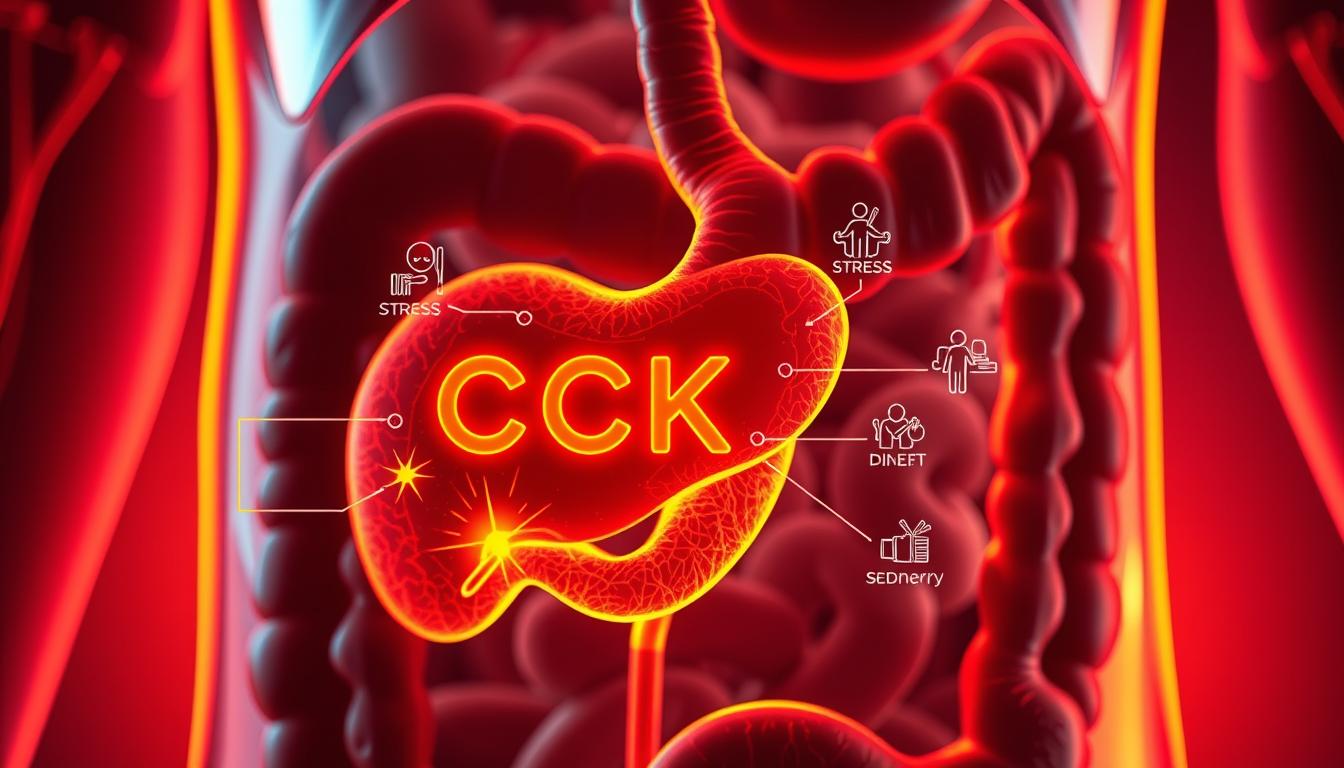
Your daily choices affect cholecystokinin levels more than you think. Snack habits and screen time disrupt this important hunger hormone’s natural rhythm.
Processed Food Consumption
Ultra-processed foods harm CCK function in two ways. Additives mess with your body’s signals, and missing nutrients don’t help hormone production.
Impact of Emulsifiers on CCK Release
Emulsifiers like polysorbate-80 improve food texture and shelf life. But they cut CCK secretion by 30%, as studies show. These chemicals block your “I’m full” signals.
Fiber-Deficient Diets and Hormone Function
- Most Americans eat less than half the recommended daily fiber
- Soluble fiber fuels CCK-producing gut bacteria
- Low-fiber meals lead to faster hunger
Without enough fiber, your gut microbes can’t make the short-chain fatty acids needed for CCK release. This leads to a cycle of poor food choices.
Chronic Stress and Hormone Suppression
Your stress system wasn’t made for today’s stress. Constant cortisol spikes from stress suppress CCK production.
Cortisol’s Damaging Effects on CCK
Elevated cortisol levels:
- Disrupt gut and brain communication
- Slow digestive enzyme production
- Lessen CCK’s appetite-suppressing effects
“Chronic stress puts your digestive system in ‘fight mode’ – it’s trying to save energy, not digest food.”
Sleep Deprivation Connection
Late-night screen time harms more than your eyes. Blue light exposure after sunset:
- Delays melatonin production by 90 minutes
- Increases nighttime cortisol by 58%
- Reduces CCK sensitivity during the day
This hormonal imbalance makes sleep-deprived people crave high-calorie foods. Your body looks for quick energy when it can’t feel full.
Gut Health’s Crucial Role
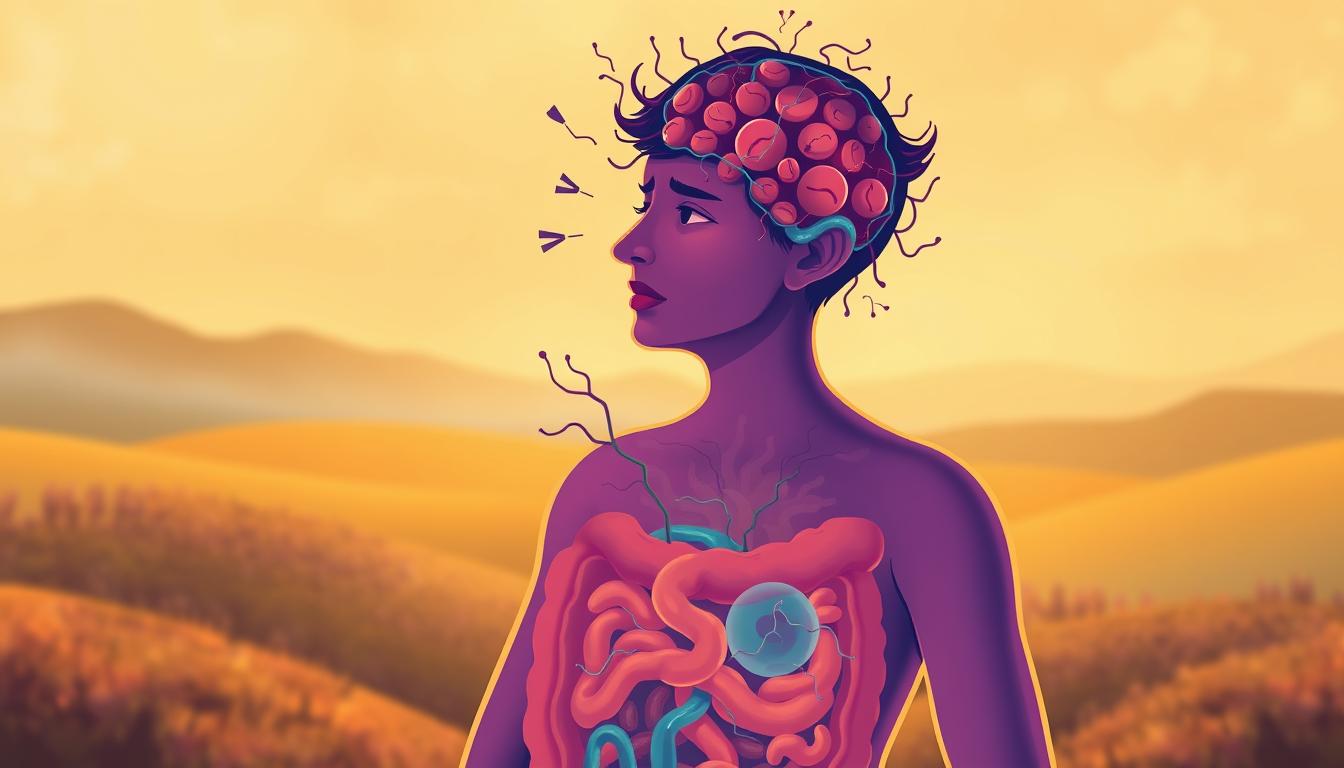
Your gut does more than just process food. It also shapes your hunger signals through complex interactions with hormones. Research shows gut microbes play a key role in producing CCK, linking digestive health to emotional eating.
Microbiome-CCK Interactions
Beneficial bacteria in your gut act like biochemical engineers. Certain strains, like Lactobacillus acidophilus, boost CCK levels by 22%. Bifidobacterium longum also helps by stimulating I-cells to produce this hormone.
These microbes turn dietary fiber into short-chain fatty acids. This boosts CCK sensitivity.
Probiotic Strains That Enhance CCK
- Lactobacillus casei: Improves nutrient absorption for CCK synthesis
- Bifidobacterium infantis: Supports gut lining integrity for hormone signaling
- Saccharomyces boulardii: Reduces inflammation that disrupts CCK function
Leaky Gut Syndrome Implications
A damaged intestinal barrier lets toxins into your bloodstream. This triggers inflammation, which lowers CCK production. Low CCK levels can lead to overeating, harming gut health further.
Optimizing Digestive Enzyme Production
Your body needs certain nutrients to make enzymes that trigger CCK release. Without proper digestion, proteins aren’t broken down. This stops the hormone from being released.
Zinc-Rich Foods for CCK Synthesis
- Oysters (74.1mg zinc per 3oz)
- Grass-fed beef (7mg per 3oz)
- Pumpkin seeds (2.2mg per ounce)
Importance of Stomach Acidity Levels
Low stomach acid, often due to stress or PPIs, hinders protein digestion. This can lower CCK release by up to 40%. To keep acidity right:
- Limit antacid use
- Drink apple cider vinegar before meals
- Eat bitter greens like arugula to boost acid
Nutritional Strategies to Boost CCK
Mastering your meals could be the missing link in balancing hunger signals and managing emotional eating. By strategically selecting foods and optimizing meal patterns, you directly influence cholecystokinin production – your body’s natural satiety alarm system.
CCK-Enhancing Foods
Certain nutrients act like rocket fuel for CCK release. Protein reigns supreme here, triggering twice as much CCK production compared to carbohydrates according to clinical studies.
Top protein sources for stimulation
Prioritize these at every meal to maximize satiety hormones:
- Wild-caught salmon (26g protein per 3oz)
- Whey protein isolate (25g per scoop)
- Pasture-raised eggs (6g per large egg)
Aim for 30g of protein per meal – the threshold shown to optimize CCK response. Pair proteins with zinc-rich foods like pumpkin seeds to enhance hormone effectiveness.
Healthy fats that prolong satiety
Fatty acids slow digestion, creating a sustained CCK release. Focus on:
- Avocados (14g fat per half fruit)
- Almonds (14g fat per ounce)
- Extra virgin olive oil (14g fat per tablespoon)
These fats help maintain stable blood sugar levels, reducing cravings that often lead to emotional eating episodes.
Meal Timing and Composition
How you structure meals impacts CCK signaling as much as what you eat. The right nutrient balance turns every meal into a hormone-boosting opportunity.
Ideal macronutrient ratios
Follow this blueprint for optimal CCK activation:
| Nutrient | Percentage | Function |
|---|---|---|
| Protein | 40% | Stimulates CCK production |
| Fats | 30% | Extends satiety duration |
| Carbs | 30% | Provides immediate energy |
Strategic use of bitter flavors
Bitter compounds activate CCK receptors in your gut. Try these powerful options:
- Arugula salad with lemon zest (pre-meal)
- Dandelion green smoothies
- Dark chocolate (85%+ cocoa)
Start meals with bitter greens to prime your digestive system. This simple trick can enhance CCK release by up to 40% according to recent research.
Behavioral Modifications That Work
Managing CCK levels and emotional eating needs daily habits. Start with the 20-Minute Rule during meals. Eating slowly lets CCK signals reach your brain. Research shows paced eating boosts CCK production by 40%, helping you feel full before eating too much.
Mindfulness fights stress-eating. A 2023 University of Pennsylvania study found daily breathwork cuts emotional eating by 60%. Try box breathing: inhale for 4 counts, hold for 4, exhale for 6. This lowers cortisol, which messes with hunger hormones.
Regular meal times help rebuild CCK sensitivity. Eat protein-rich breakfasts within an hour of waking and skip late-night snacks. Use apps like MyFitnessPal to track food and hunger patterns. Record what you eat and why to break automatic eating habits.
Add gut-health foods like kimchi and kefir to your diet. They boost the microbiome, which talks to CCK-producing cells. This creates a loop that controls appetite. Mix nutritional changes with behavioral shifts for lasting effects on emotional eating and hormone balance.