Over 40% of adults struggle with poor sleep, fueling a surge in unconventional remedies. One gaining traction? Mouth taping, a practice where adhesive strips keep lips sealed overnight. Promoted across platforms like TikTok, influencers claim it enhances breathing, sharpens jawlines, and even cures snoring.
Yet, medical experts urge caution. The American Dental Association (ADA) and FDA haven’t endorsed this method. Studies linking it to sleep apnea relief remain scarce. Worse, improper use may restrict airflow or trigger panic in claustrophobic individuals.
Is this trend a breakthrough or a bandwagon? Let’s separate hype from facts.
Key Takeaways
- Mouth taping is trending but lacks scientific validation.
- Social media drives its popularity with unverified health claims.
- No major medical organization approves it as a therapy.
- Potential risks include breathing difficulties and anxiety.
- Consult a doctor before trying any sleep-related hacks.
What Is Mouth Taping?
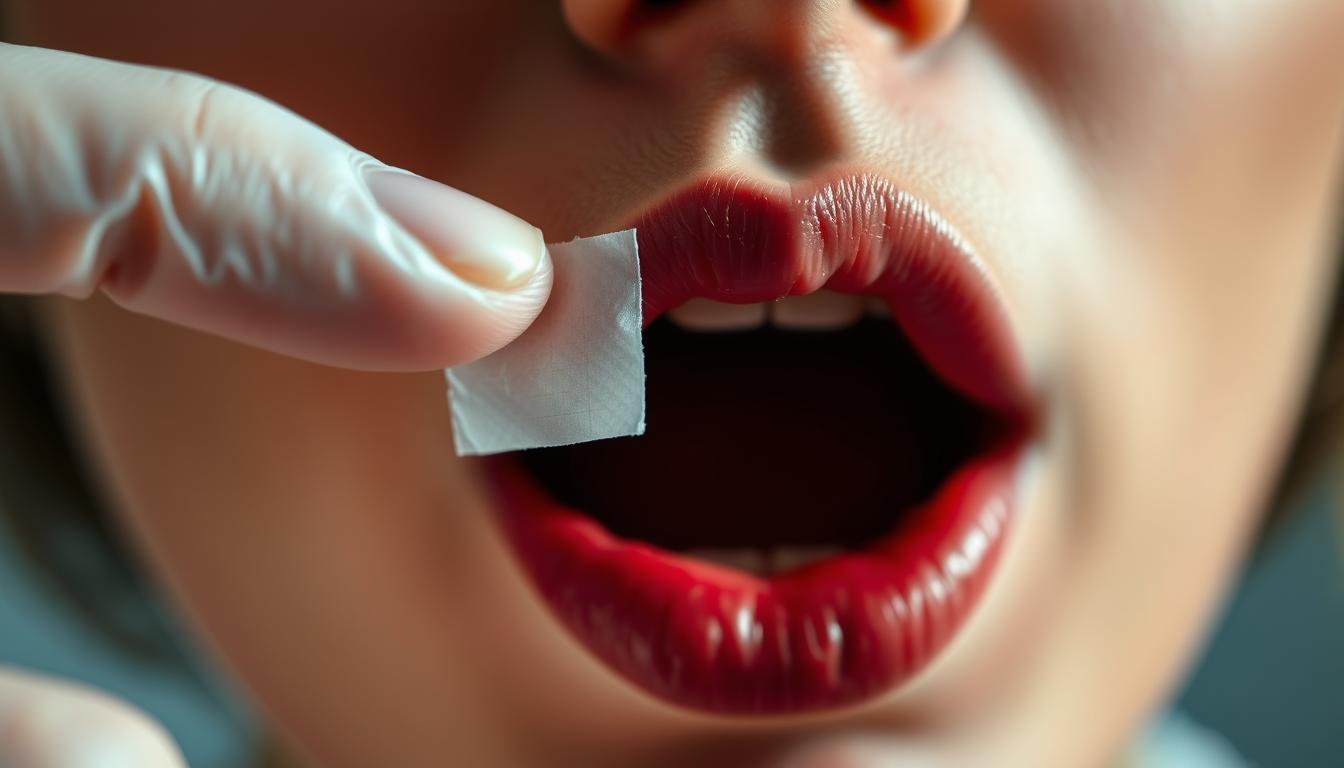
Could sealing your lips at night improve sleep quality? This practice, called mouth taping, uses adhesive strips to encourage nasal breathing during sleep. Proponents argue it reduces snoring and enhances oxygen intake.
How Mouth Taping Works
A small strip of hypoallergenic tape is applied vertically or in an X-shape across the lips. This gentle seal prevents mouth breathing without restricting airflow. Most users opt for:
| Type | Best For | Example Brands |
|---|---|---|
| Medical-grade tape | Sensitive skin | 3M Micropore |
| Specialized sleep tape | Easy removal | VIO2 Unscented |
While the method seems straightforward, dermatologists warn against using heavy-duty adhesives. Irritation or residue can occur with improper products.
The Popularity of Mouth Taping on Social Media
TikTok influencers have fueled interest, claiming benefits like sharper jawlines and fewer snores. One viral post stated, “Nasal breathing changed my energy levels overnight.”
Yet, these anecdotes lack scientific backing. The ADA notes no evidence supporting facial restructuring claims. Always consult a doctor before trying trends.
The Science Behind Mouth Taping
Current research paints a mixed picture of this trending sleep hack. While some small studies suggest benefits, larger gaps in scientific evidence remain. Here’s what we know—and what we don’t.
What Research Says About Efficacy
A 2022 study in Otolaryngology Head and Neck Surgery tracked 30 people with obstructive sleep apnea. Participants reported fewer snores after 26 nights of mouth taping. But another trial with 36 asthma patients showed zero improvement in symptoms.
- Small sample sizes: Fewer than 100 people in most trials.
- Short durations: Studies rarely exceed a month.
- Observational flaws: A 71-person study noted “mouth puffing,” where air escaped despite tape.
Limitations of Current Studies
Experts stress that anecdotal reports dominate the conversation. Dr. Brian Chen, a sleep specialist, notes:
“Most evidence is anecdotal. Without rigorous, peer-reviewed research, we can’t confirm long-term safety or benefits.”
Until larger trials address these issues, mouth taping remains experimental. If you struggle with sleep apnea, consult a doctor before trying unproven methods.
Potential Benefits of Mouth Taping
Many claim taping lips shut offers surprising perks. While research is limited, early studies suggest possible advantages for specific sleep and health issues. Here’s what’s being explored.
Encouraging Nasal Breathing
Your nose filters and humidifies air, unlike mouth breathing. Taping may train you to inhale through nostrils, which:
- Reduces allergens and pollutants entering lungs.
- Warms air, preventing throat dryness.
A 2021 review in Sleep Medicine Reviews noted nasal breathing’s role in better oxygen uptake. However, taping alone isn’t proven to enforce this habit long-term.
Reducing Snoring and Mild Sleep Apnea
For positional snoring, a 20-person pilot study found taping decreased nighttime noise by 50%. Another trial with 30 mild OSA patients saw fewer snoring episodes after 4 weeks.
“Mouth tape may help those whose snoring stems from jaw alignment,” notes Dr. Lisa Lin, a sleep researcher. “But it’s no fix for severe apnea.”
Improving Oral Health and Bad Breath
Mouth breathing dries saliva, raising cavity risks. A 2021 Open Dentistry Journal study linked it to higher plaque buildup. Taping might curb:
- Morning bad breath from dry mouth.
- Tooth decay caused by reduced saliva flow.
Again, these are theoretical perks. Dentists stress proper hygiene matters more than taping for health.
Key takeaway: Benefits are situational and unproven. Always consult a doctor first.
Risks and Side Effects of Mouth Taping
Before trying this viral sleep hack, know the hidden dangers. While some swear by its benefits, experts warn of potential problems, from skin irritation to severe breathing restrictions. Always consult a doctor first—especially if you have existing conditions.
Skin Irritation and Discomfort
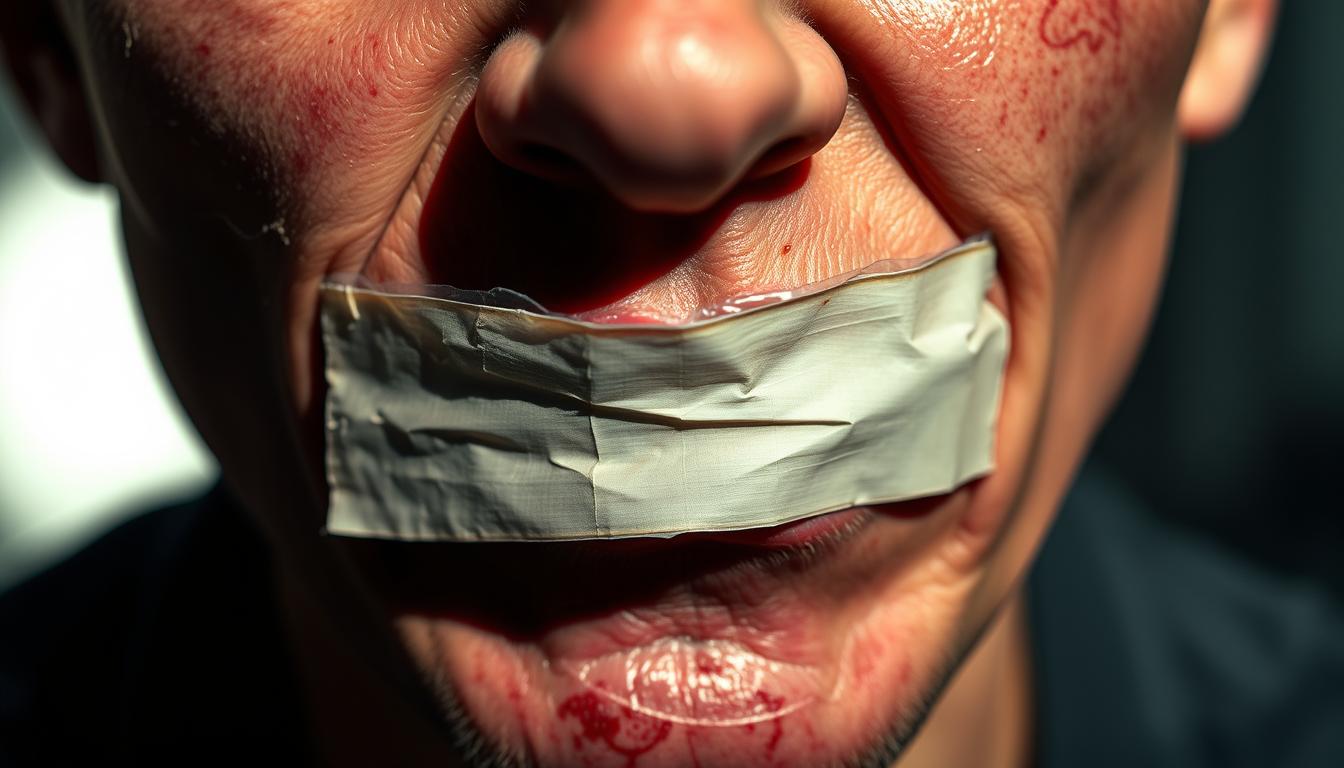
Adhesive strips can trigger allergic reactions, especially with sensitive skin or facial hair. Redness, peeling, or residue are common complaints. Dermatologists recommend:
- Patch-testing tape before full use.
- Choosing hypoallergenic options like 3M Micropore.
Breathing Difficulties and Anxiety
For those with nasal congestion or undiagnosed sleep apnea, taping may worsen airflow. A 2023 study linked it to increased carbon dioxide levels in susceptible individuals. Claustrophobic users report panic attacks upon waking.
“Mouth taping can further obstruct breathing in untreated sleep apnea,” warns the American Academy of Sleep Medicine.
Who Should Avoid Mouth Taping?
Certain groups face higher risk:
- People with chronic congestion (e.g., allergies, deviated septum).
- Those using sedatives or alcohol before bed.
- Children—pediatricians strongly discourage it.
ENT specialists emphasize: If you snore heavily or have a BMI over 35, skip the tape and seek medical advice.
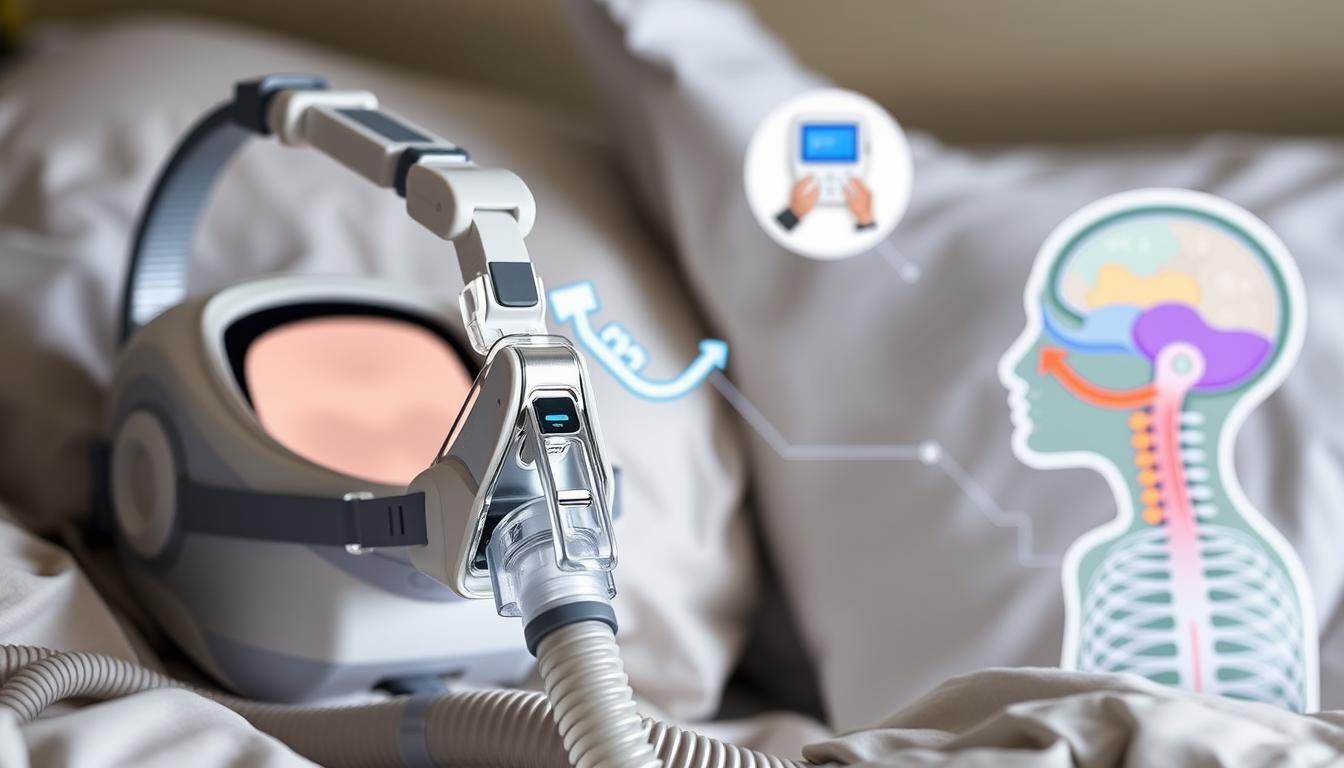
Mouth Taping for Sleep Apnea: Does It Help?
Sleep apnea affects millions, but does taping your lips shut actually help? Some small studies suggest minor benefits, yet major medical groups warn against relying on this trend. Here’s why.
Evidence from Small Studies
A 2015 study in Otolaryngology found porous patches improved nasal breathing in mild obstructive sleep apnea (OSA). Another trial saw reduced AHI scores—a key sign of apnea severity—when taping was paired with mandibular devices.
However, these studies had flaws:
- Sample sizes under 30 participants.
- Short durations (less than a month).
- No long-term safety data.
Why Experts Don’t Recommend It as a Treatment
The American Academy of Sleep Medicine excludes taping from approved therapies. Dr. Elena Park, a pulmonologist, explains:
“Mouth taping doesn’t address airway collapse—the root cause of sleep apnea. It’s like putting a bandage on a broken bone.”
Risks include:
- Worsened oxygen levels if nasal passages are blocked.
- Delayed diagnosis of severe disorder.
| Therapy | Effectiveness | Notes |
|---|---|---|
| CPAP | High | Gold standard for moderate-severe apnea |
| Oral Appliances | Moderate | FDA-approved for mild OSA |
| Mouth Taping | Low | Not recommended by AASM |
For safer alternatives, ask your doctor about CPAP machines or custom oral devices. These tackle the problem—not just the symptoms.
How to Tape Your Mouth Safely (If You Still Want to Try)
If you’re considering this viral sleep hack, safety should be your top priority. While experts urge caution, proper technique minimizes risks. Here’s how to proceed—or when to walk away.
Choosing the Right Tape
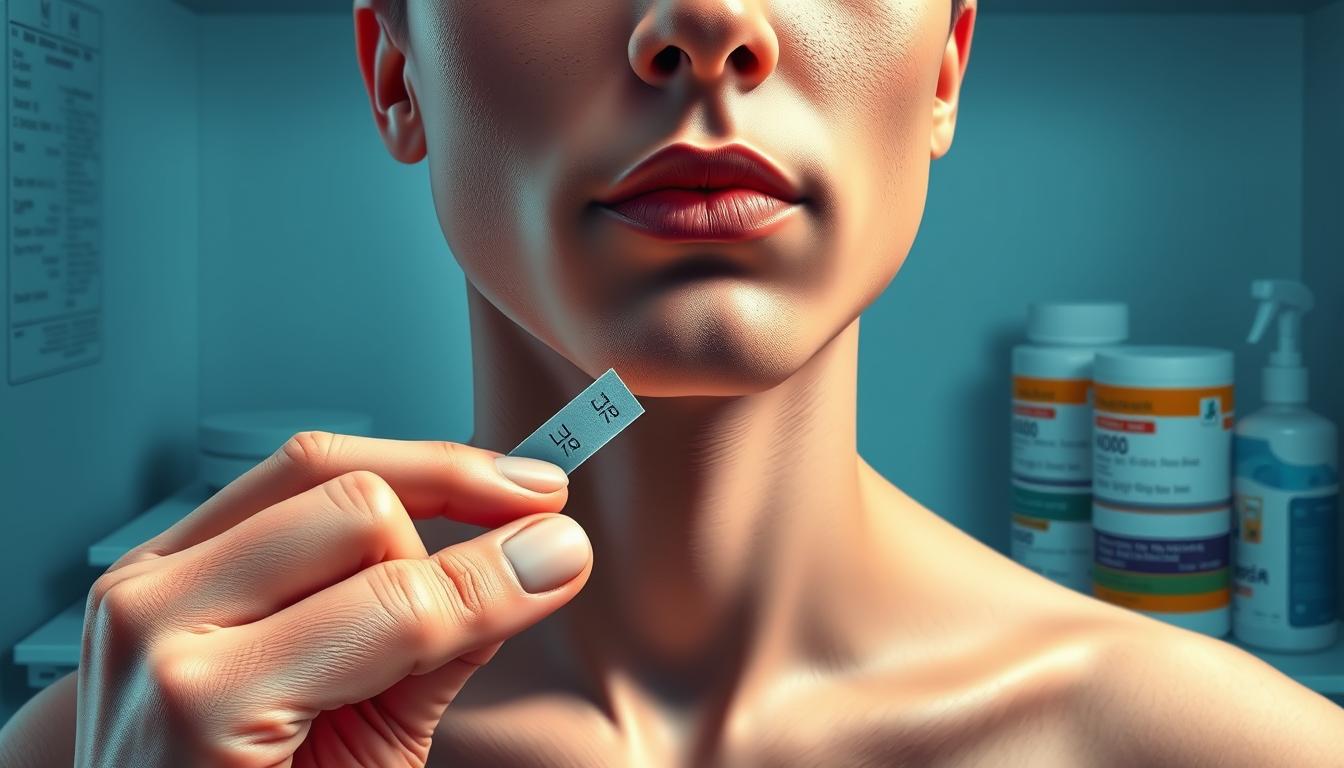
Never use duct tape—it’s too harsh for delicate facial skin. Opt for medical-grade or specialized sleep tapes like 3M Micropore or Dream Mouth Tape. Key features to look for:
- Hypoallergenic: Reduces irritation risks.
- Breathable: Allows minimal airflow if nostrils clog.
- Easy-release adhesive: Prevents tugging at sensitive skin.
Step-by-Step Application
Prep your lips with a light moisturizer to avoid dryness. Follow these steps:
- Test the tape during daytime to check for allergies.
- Apply a small strip vertically or in an X-shape.
- Fold one corner for easy removal if needed.
Pro tip: Start with 1–2 nights weekly to gauge tolerance.
When to Stop Immediately
Discontinue use if you experience:
- Nasal congestion or chest tightness.
- Panic upon waking.
- Persistent skin redness or peeling.
“Never use mouth tape without discussing with a pulmonologist,” advises the National Sleep Foundation.
Long-term use without medical monitoring isn’t recommended. If snoring persists, consult a doctor for proven alternatives.
Better Alternatives to Mouth Taping
Medical experts recommend alternatives with stronger clinical support. While taping gains social media attention, these options address root causes with documented success rates.
Nasal Strips and Dilators
Unlike unregulated taping, nasal strips like Breathe Right are FDA-cleared. Studies show they:
- Expand nasal passages by 25% for easier breathing
- Reduce snoring in 68% of users (Rhinomed clinical trial)
Internal dilators like Turbine Go work differently. These insertable devices maintain airflow without adhesives. A 2022 JAMA Otolaryngology review found them 3x more effective than taping for congestion relief.
Positional Therapy for Snoring
Simple adjustments can yield big results. The 2013 Sleep & Breathing study showed side-sleeping cuts snoring by 40%. Try:
- Specialized pillows that prevent back-sleeping
- Vest alarms vibrating when you roll supine
“Positional therapy requires no devices for some patients—just consistent retraining,” notes Stanford Sleep Center’s Dr. Rachel Lee.
Proven Sleep Apnea Treatments
For diagnosed apnea, gold-standard solutions exist:
| Treatment | Effectiveness | Best For |
|---|---|---|
| CPAP | 90% success | Moderate-severe cases |
| Oral Appliances | 75% improvement | Mild OSA/jaw issues |
Allergy sufferers should address allergies first. Flonase Sensimist reduces inflammation better than taping for nasal blockage.
These methods actually improve sleep long-term—without questionable tape experiments.
Conclusion
Medical groups unanimously caution against unproven sleep remedies. While this trend may slightly reduce snoring, risks like breathing restrictions outweigh potential perks. A leading ENT warns: “Mouth taping introduces unacceptable risk for those with nasal obstructions.”
If you try mouth taping, monitor for discomfort. Persistent snoring or fatigue? Prioritize a sleep study over DIY fixes. Specialists offer safer, proven solutions tailored to your needs.
The ADA confirms: “No current guidelines support taping as dental or health care.” For lasting results, talk to a doctor—not influencers.