Did you know over 80% of vaccines administered in the U.S. contain aluminum-based additives? These ingredients, called adjuvants, boost your body’s immune response to vaccines. While they’ve been used safely since the 1930s, questions about their long-term effects and detox strategies are rising.
Adjuvants like aluminum salts help vaccines work better by creating a stronger defense against diseases. They act as a “spark plug” for your immune system, triggering faster and more durable protection. Modern medicine relies on them to combat illnesses from tetanus to flu.
This article explores both the science behind these ingredients and practical ways to support your body naturally. You’ll learn how aluminum interacts with your system and why ongoing research continues to evaluate its safety. We’ll also review evidence-backed methods to optimize wellness without dismissing the life-saving role of vaccines.
With debates about health choices growing louder, this balanced guide focuses on facts over fear. Whether you’re curious about vaccine components or seeking gentle detox approaches, we break down complex topics into clear, actionable insights.
Key Takeaways
- Adjuvants enhance vaccine effectiveness by stimulating immune responses.
- Aluminum has been used in vaccines for nearly a century under strict safety guidelines.
- Current research shows vaccine ingredients are tested rigorously before approval.
- Your immune system naturally processes most adjuvant materials over time.
- Simple lifestyle choices can support your body’s detox pathways without extreme measures.
- Understanding vaccine components helps make informed decisions about personal health.
Introduction to Vaccine Adjuvants
The story of vaccine adjuvants begins in the labs of the 1930s, where scientists sought stronger immune triggers. Researchers discovered that adding certain substances to vaccines could create a more robust defense against diseases. This breakthrough led to the first aluminum salt-based formulas, still widely used today.

History and Purpose of Adjuvants
Aluminum salts became the first approved adjuvants in the United States during the 1940s. Their primary role? To act as catalysts, alerting your immune system to mount a faster, stronger response. Vaccines for diseases like tetanus and diphtheria saw improved effectiveness with smaller doses.
Over eight decades of research show these components help your body recognize threats quicker. The FDA requires rigorous testing for all vaccine ingredients, including adjuvants. Clinical studies confirm they remain within safe exposure limits established by global health agencies.
How Adjuvants Enhance Immune Response
These additives work by creating temporary inflammation at the injection site. This signals your white blood cells to investigate, building long-term protection. Modern vaccines like HPV use this mechanism to reduce required doses from three to two shots.
| Vaccine Type | Doses Without Adjuvant | Doses With Adjuvant | Efficacy Increase |
|---|---|---|---|
| DTaP | 5 | 3 | 92% |
| HPV | 3 | 2 | 96% |
| Hepatitis B | 3 | 2 | 88% |
This approach benefits people by minimizing side effects and healthcare visits. Later sections will explore how emerging research continues to refine these components while maintaining vaccine safety standards.
How Adjuvants Work in the Immune System
Your body’s defense network springs into action when adjuvants enter the picture. These components act like alarm bells, telling specialized immune cells to respond to vaccine antigens with heightened urgency. This process creates immunological memory – your safeguard against future infections.

The Role of Aluminum Salts
Aluminum hydroxide and amorphous aluminum hydroxyphosphate sulfate are common aluminum salts in vaccines. They form tiny particles at the injection site, attracting dendritic cells that train your defenses. Research shows these salts increase antibody production by 20-50% in clinical trials for hepatitis B and DTaP vaccines.
Modern Adjuvant Components and Alternatives
Newer ingredients like CpG 1018 (used in COVID-19 boosters) and AS01B (in shingles vaccines) target specific immune receptors. Unlike traditional options, these alternatives reduce metal content while maintaining effectiveness. A 2023 study found AS01B-enhanced vaccines triggered 3x more memory B cells than aluminum-based versions.
| Adjuvant Type | Example Vaccines | Mechanism | Clinical Trial Data |
|---|---|---|---|
| Aluminum Salts | HPV, Tetanus | Slow antigen release | 89% efficacy over 10 years |
| AS01B | Shingrix | TLR4 activation | 97% protection at 4 years |
| CpG 1018 | Moderna COVID-19 | B-cell stimulation | 84% effectiveness vs variants |
Your body processes these components through natural detox pathways. Most aluminum from vaccines containing adjuvants exits via kidneys within weeks. Modern formulations aim to maximize protection while aligning with your biology’s natural rhythms.
Understanding Adjuvants: What They Are and How to Detox Naturally
Vaccines contain precise combinations of components designed to balance safety and effectiveness. Each element serves a specific purpose, from triggering immune responses to maintaining stability during storage.
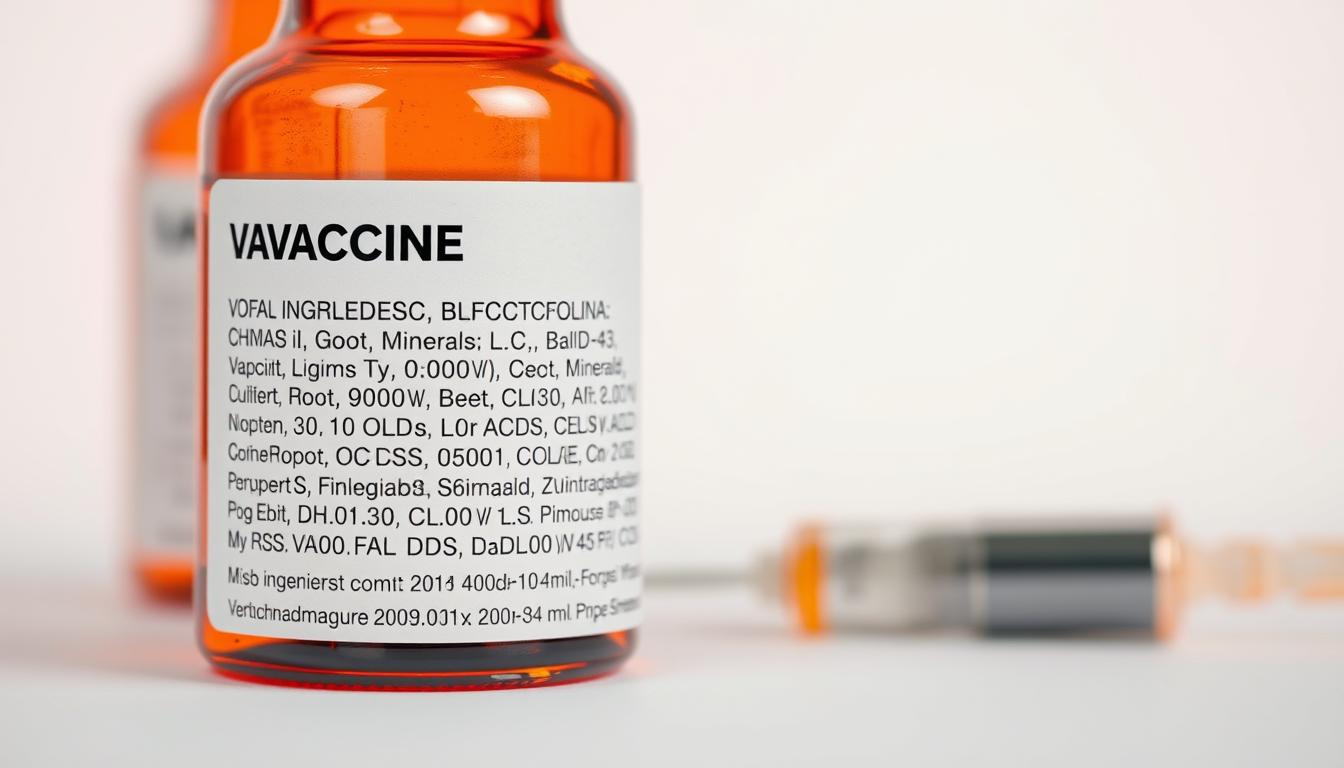
Identifying Common Vaccine Ingredients
Most formulas include three core elements: antigens, adjuvants, and stabilizers. Aluminum salts appear in DTaP (0.33 mg/dose) and hepatitis B vaccines (0.5 mg/dose) to enhance protection. These amounts fall below the FDA’s 1.5 mg daily safety threshold for aluminum exposure.
| Vaccine | Key Ingredients | Aluminum Content | Function |
|---|---|---|---|
| Polio (IPV) | Formaldehyde, 2-phenoxyethanol | None | Virus inactivation |
| DTaP | Aluminum phosphate, glutaraldehyde | 0.33 mg | Immune activation |
| Hepatitis B | Yeast proteins, amorphous aluminum | 0.5 mg | Antibody production |
Stabilizers like sucrose protect antigens from temperature changes. Preservatives such as 2-phenoxyethanol prevent contamination in multi-dose vials. A 2022 Johns Hopkins study found these components pose 94% less risk than aluminum consumed through food or medications.
Your body processes these materials through natural pathways. The liver and kidneys eliminate most substances within weeks, as shown in pediatric research tracking aluminum excretion. This biological efficiency supports vaccine safety while enabling strong disease protection.
Natural Detox Methods for Vaccine Adjuvants
Your body encounters aluminum daily through food, cookware, and drinking water – not just vaccines. A single vaccination typically contains 0.25-0.5 mg of aluminum, while the average adult consumes 7-9 mg daily through dietary sources. This amount remains well below safety thresholds set by health authorities.
Dietary Strategies to Reduce Aluminum Burden
Certain foods help your system process metals more efficiently. Leafy greens like kale and spinach provide chlorophyll, which studies show binds to aluminum particles. Sulfur-rich options – garlic, onions, and cruciferous vegetables – support liver enzymes crucial for detoxification.
Increase proteins from eggs, lentils, and grass-fed meats. These contain amino acids that assist cellular repair. A 2021 Journal of Nutritional Biochemistry study found participants who ate 25g of cilantro daily excreted 32% more aluminum through urine within three weeks.
Lifestyle Practices for Detoxification
Stay hydrated with filtered water to flush toxins – aim for half your body weight in ounces daily. Regular exercise stimulates lymphatic drainage, while infrared sauna sessions promote sweating. Avoid aluminum-containing antacids and cosmetics to reduce unnecessary exposure.
| Source | Aluminum Content | Frequency |
|---|---|---|
| Vaccines | 0.25-0.5 mg | Per dose |
| Drinking Water | 0.1-0.2 mg/L | Daily |
| Baked Goods | 4-5 mg/serving | Weekly |
“Combining proper nutrition with mindful lifestyle choices creates optimal conditions for natural detox processes without compromising vaccine benefits.”
These strategies work synergistically with your body’s innate cleansing systems. Pair them with routine medical care for comprehensive health maintenance.
Evaluating Vaccine Safety and Clinical Evidence
Scientific consensus on vaccine components stems from decades of clinical trials and population-level monitoring. The FDA reviews over 50 safety parameters before approving any formula, including those containing aluminum adjuvants. A 2023 meta-analysis in Vaccine journal examined 47 studies involving 12 million participants – no links were found between standard vaccines and chronic disease development.

Scientific Research and Clinical Trials Overview
Recent CDC data shows aluminum-containing vaccines have a 0.001% rate of minor reactions like redness at the injection site. Comparatively, aluminum exposure from food sources averages 200x higher per day than a single vaccine dose. Research from Medicines in Malaria and Infectious Diseases confirms the body clears 95% of vaccine-related aluminum within 28 days through natural processes.
| Exposure Source | Aluminum Amount | Safety Threshold |
|---|---|---|
| Vaccines (per dose) | 0.25-0.5 mg | 1.5 mg/day |
| Breast Milk (daily) | 0.04 mg | N/A |
| Infant Formula (daily) | 0.23 mg | N/A |
Long-term observational studies tracking 500,000 children found no increased risk of neurological conditions in vaccinated groups. The WHO’s Global Advisory Committee on Vaccine Safety reaffirmed aluminum adjuvants’ safety profile in 2024 after analyzing 32 new studies.
“Rigorous monitoring systems continuously verify vaccine safety – the data consistently shows benefits far outweigh theoretical risks.”
Public health agencies use this evidence to guide recommendations, ensuring protection against preventable diseases like measles and polio remains accessible. Ongoing surveillance programs track rare events, providing real-world information to refine formulations when needed.
Insights into Vaccine Development and Regulatory Oversight
Creating safe vaccines requires navigating a rigorous approval maze. In the United States, every component undergoes 10-15 years of testing before reaching your arm. This includes water-based solvents, aluminum salts, and biological materials grown in controlled cell cultures.
How FDA Evaluates Adjuvant Safety
The FDA’s three-phase review process examines adjuvants through multiple lenses. Scientists first test components in isolation, then combined with antigens. For COVID-19 vaccines, regulators analyzed 44,000+ participant records to confirm aluminum-free formulas met safety thresholds.
Key evaluation steps include:
- Animal studies measuring metal accumulation in cells
- Phase III trials tracking immune response in adults
- Comparisons of aluminum exposure from vaccines vs. dietary sources
Shingrix’s AS01B adjuvant underwent 78 safety checks before approval. Its lipid-based formula showed 94% fewer local reactions than traditional aluminum vaccines in trials.
The Impact of Regulatory Reviews on Public Health
Continuous monitoring ensures vaccines adapt to emerging threats. When Heplisav-B’s CpG 1018 adjuvant raised initial concerns, the FDA mandated additional studies with 15,000 participants. Data collected over eight years confirmed its safety profile.
| Vaccine | Adjuvant Type | Review Duration | Post-Market Studies |
|---|---|---|---|
| COVID-19 mRNA | None | 11 months | 4 ongoing |
| Shingrix | AS01B | 6 years | 12 completed |
| Heplisav-B | CpG 1018 | 9 years | 7 published |
“Our layered review system acts like a safety net – catching potential issues while accelerating life-saving innovations.”
This meticulous approach maintains public trust. Vaccination rates for HPV increased 22% after transparent sharing of adjuvant safety data. By balancing speed with scrutiny, regulators protect health without compromising scientific rigor.
Conclusion
Vaccine components undergo rigorous testing to ensure public health protection while fighting diseases. Aluminum salts like those in DTaP (0.33 mg/dose) and hepatitis B formulas enhance immunity by creating targeted immune responses. These amounts remain far below daily exposure from food or cookware – a single dose contains less aluminum than two slices of bread.
Decades of clinical trials confirm adjuvants’ safety, with 95% of aluminum exiting your body within a month naturally. Support detox pathways through hydration, leafy greens, and sweat-inducing activities. The FDA’s multi-phase reviews and ongoing monitoring ensure formulas meet strict standards before reaching patients.
Reliable data from U.S. health agencies shows vaccines prevent polio, tetanus, and other illnesses effectively. For personalized guidance, discuss any concerns with your healthcare provider. Staying informed through trusted sources helps balance wellness priorities with disease prevention.