Did you know that a simple change in your daily routine could activate your body’s natural fat-burning mechanisms? Research shows that cold exposure can increase PGC-1α expression by 6%, a key protein involved in mitochondrial biogenesis. This process not only enhances energy production but also supports metabolic health.
Your body contains two types of fat: white and brown. While white fat stores energy, brown adipose tissue acts as a metabolic powerhouse, generating heat and burning calories. Cold exposure stimulates this brown fat, helping you naturally shed excess weight.
Combining cold therapy with exercise can amplify these benefits. Studies reveal that both methods boost PGC-1α levels, with exercise increasing it by 5%. This synergy enhances mitochondrial function, improving your overall energy and endurance.
Morning is the ideal time for cold exposure, as it aligns with your circadian rhythm. This practice not only supports physical health but also sharpens mental clarity, setting a positive tone for your day.
Key Takeaways
- Cold exposure increases PGC-1α expression, promoting mitochondrial biogenesis.
- Brown adipose tissue burns calories and generates heat, aiding fat loss.
- Combining cold therapy with exercise enhances mitochondrial function.
- Morning is the optimal time for cold exposure based on circadian rhythms.
- Cold therapy supports both physical health and mental clarity.
Introduction to Cold Showers and Fat Burning
Ever wondered how a simple habit could transform your body’s fat-burning potential? Cold water immersion, defined as exposure to water below 60°F (15°C), has been shown to trigger a cascade of physiological responses. These responses not only invigorate your body but also support metabolic health.

What Are Cold Showers?
Cold showers involve brief exposure to chilly water, which stimulates your body’s natural defenses. This practice causes vasoconstriction, where blood vessels narrow to conserve heat, followed by vasodilation, where they expand to improve circulation. This process enhances blood flow and activates your sympathetic nervous system.
The Science Behind Fat Burning
When exposed to cold, your body releases norepinephrine, a hormone that can increase by up to 530%. This hormone activates β-adrenergic receptors in fat cells, particularly in brown adipose tissue. Unlike white fat, which stores energy, brown fat burns calories to generate heat, with a capacity to burn over 300 calories daily.
Research from 2023 shows that exposure to 9°C water significantly increases oxygen consumption, a marker of energy expenditure. This process, known as non-shivering thermogenesis, relies on the activation of the UCP1 protein in brown fat. Additionally, studies on swimming reveal higher fat oxidation rates during cold exposure.
Gender differences in cold tolerance, as noted in Dublin obesity research, suggest that men and women may respond differently to cold therapy. However, the benefits of enhanced adipose tissue activation and improved metabolic health remain universal.
Understanding Mitochondria and Their Role in Energy
Have you ever considered how tiny structures in your body fuel every move you make? These structures, called mitochondria, are the powerhouses of your cells. They convert nutrients into energy, keeping you active and alive. Each cell can contain anywhere from 100 to 500 mitochondria, depending on its energy needs.
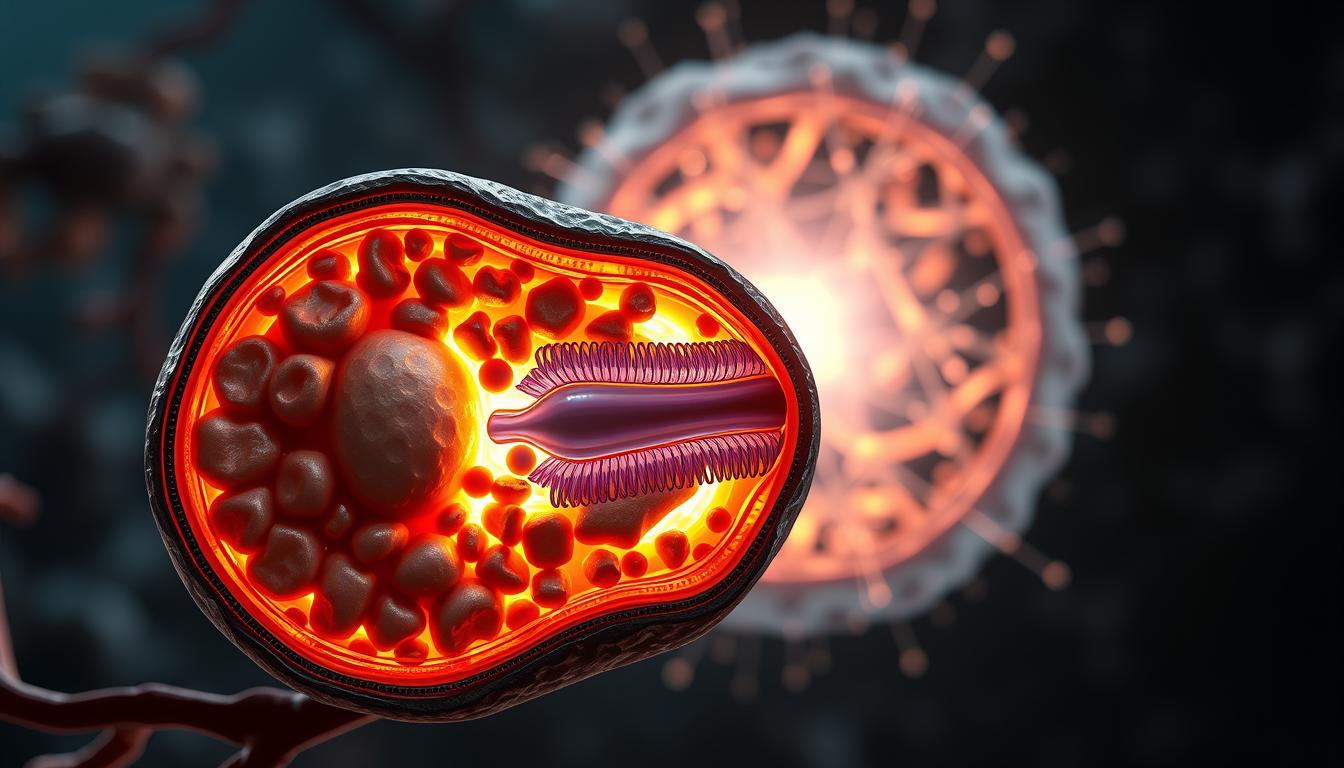
Mitochondria generate energy through a process called the electron transport chain. This chain produces ATP, the molecule that powers your body’s functions. The more mitochondria you have, the higher your basal metabolic rate, which means you burn more calories even at rest.
What Are Mitochondria?
Mitochondria are small, bean-shaped organelles found in nearly every cell. They play a critical role in energy production by breaking down glucose and fatty acids. This process, known as cellular respiration, ensures your body has the fuel it needs to function.
Interestingly, mitochondrial density varies between tissues. For example, skeletal muscle contains more mitochondria than other tissues because it requires constant energy for movement. Type I muscle fibers, which are endurance-focused, have even higher mitochondrial content than Type II fibers.
How Mitochondria Affect Metabolism
Your metabolism relies heavily on mitochondrial function. As you age, mitochondrial efficiency declines by 3-5% per decade after 30. This decline can lead to reduced energy levels and slower metabolism. However, exercise can counteract this effect by increasing Tfam protein expression, which supports mitochondrial growth.
Research from Konkuk University shows that 8 weeks of cold exposure increased Tfam protein by 12% in exercised mice. This highlights the synergy between environmental factors and physical activity in enhancing mitochondrial function.
Another key player is AMPK, an enzyme activated during energy stress. AMPK stimulates mitochondrial biogenesis, ensuring your cells can meet energy demands. Additionally, reactive oxygen species (ROS) signaling plays a role in maintaining mitochondrial health.
Cold exposure also impacts mitochondrial structure, increasing the density of cristae, the inner folds where energy production occurs. This adaptation improves overall energy production, making your body more efficient.
The Connection Between Cold Exposure and Mitochondrial Biogenesis
What if a daily habit could supercharge your body’s energy factories? This is where mitochondrial biogenesis comes into play. It’s the process by which your cells create new mitochondria, enhancing your body’s ability to produce energy. This process involves three key steps: replication, transcription, and translation.
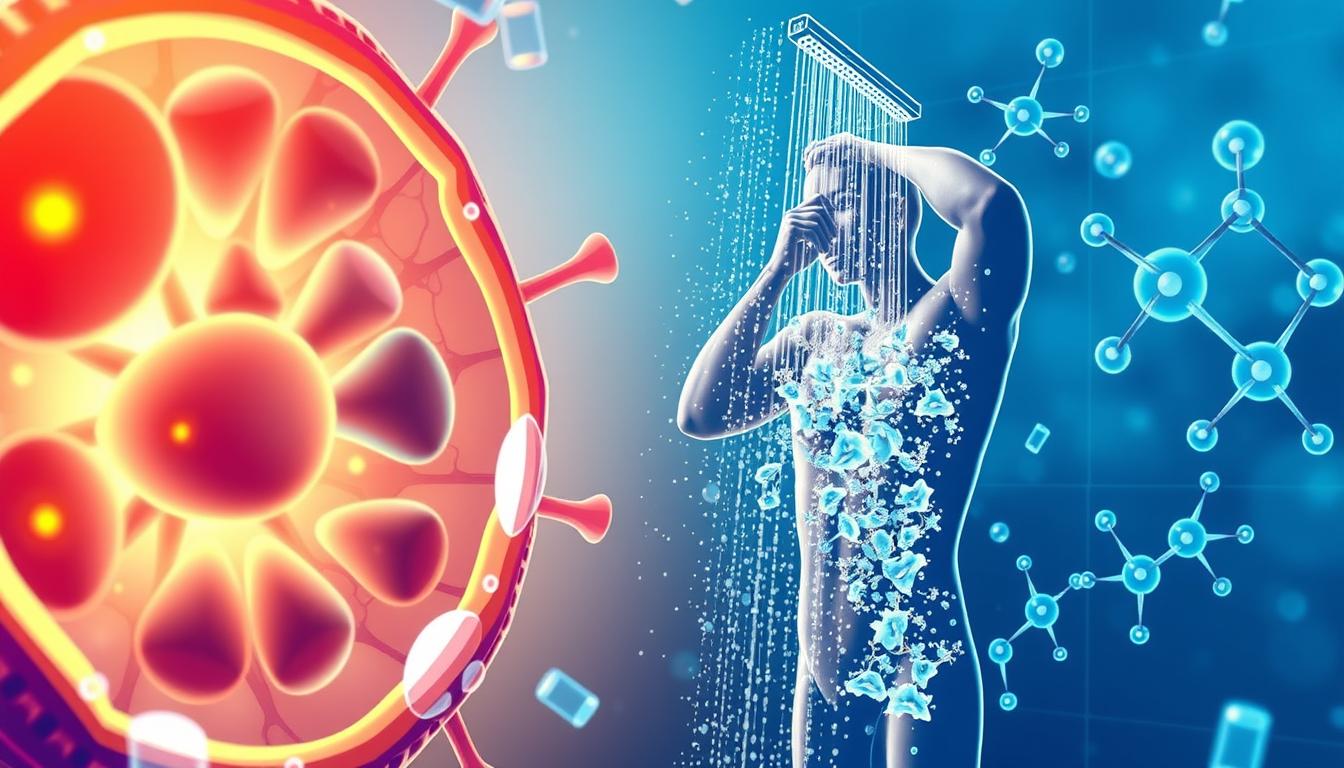
When you expose your body to chilly temperatures, it triggers a specific pathway. The TRPM8 receptor senses the cold, activating cyclic AMP (cAMP). This, in turn, boosts the expression of PGC-1α, a master regulator of mitochondrial growth. Studies show that cold-water immersion can increase PGC-1α mRNA levels by 18% compared to controls.
Interestingly, combining cold therapy with exercise amplifies these effects. A 40-mouse study revealed that both methods work synergistically to enhance mitochondrial function. While exercise relies on metabolic stress, cold exposure activates adrenergic pathways, offering a unique yet complementary approach.
The benefits of cold exposure aren’t immediate but develop over time. Initial responses can be seen within 72 hours, with peak effects occurring between 2 to 4 weeks. During this period, the UCP1 protein in brown fat mitochondria facilitates a process called proton leak, which generates heat and burns calories.
Not all cold exposure is equal, though. Research indicates that water temperatures below 24°C are necessary to activate mitochondrial biogenesis. Additionally, the irisin/FNDC5 pathway plays a role in converting white fat into brown fat, further enhancing energy expenditure.
An 8-week intervention study demonstrated a 22% increase in mitochondrial density among participants. However, it’s essential to avoid overdoing it. Chronic cold stress exceeding 90 minutes daily can have adverse effects, so moderation is key.
By understanding the science behind cold exposure and mitochondrial growth, you can harness this powerful tool to optimize your energy production and overall health.
Brown Fat vs. White Fat: What’s the Difference?
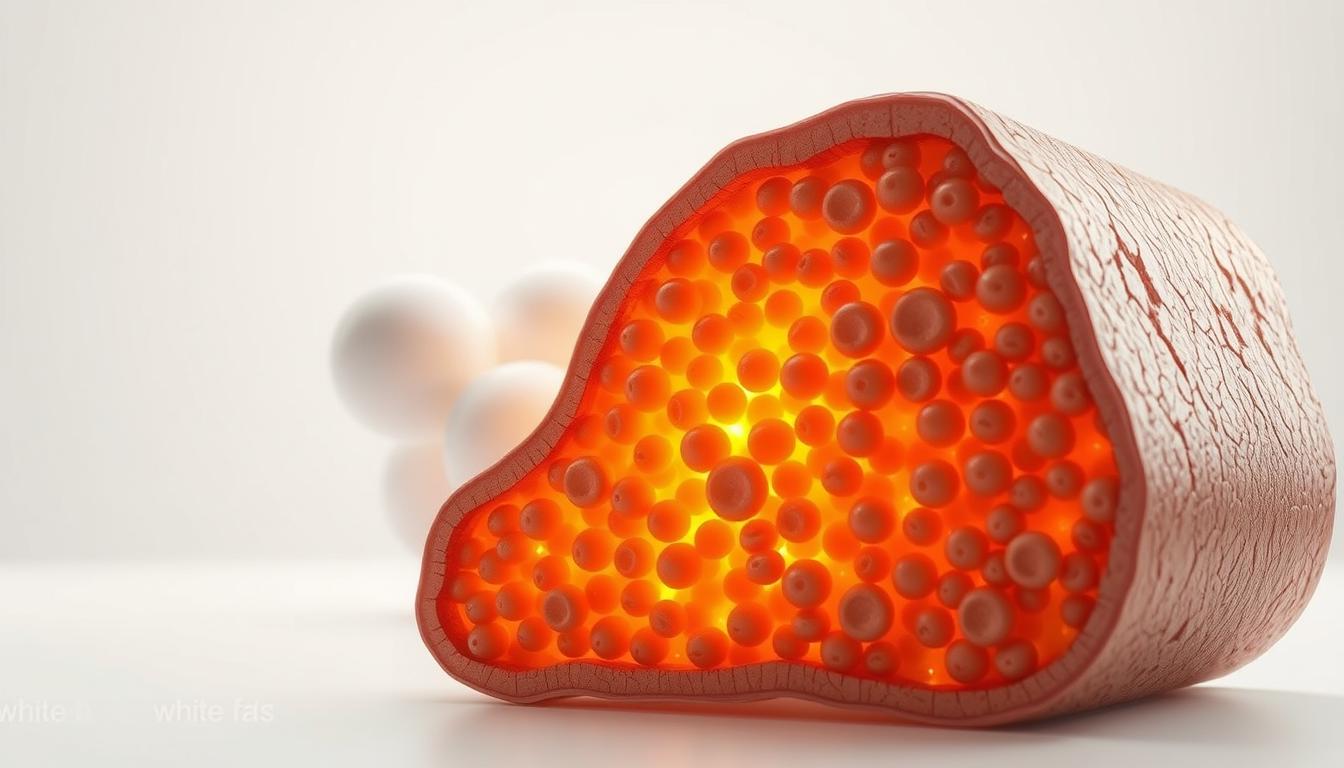
Not all fat is created equal—some types can actually help you burn calories. Your body contains two main types of fat: brown adipose tissue and white fat. While white fat stores energy, brown fat is a metabolic powerhouse that generates heat and burns calories. Understanding these differences can help you optimize your health.
Characteristics of Brown Fat
Brown fat, or brown adipose tissue, is packed with mitochondria, giving it a distinct color. Unlike white fat, which stores energy in large lipid droplets, brown fat contains smaller, multilocular droplets. This unique structure allows it to burn energy efficiently through a process called thermogenesis.
Brown fat is primarily found in areas like the neck, supraclavicular region, and around the kidneys. In newborns, it produces up to 20% of body heat, helping them stay warm. Adults retain smaller amounts, but activating it can still provide significant metabolic benefits.
How Brown Fat Burns Calories
Brown fat burns calories by uncoupling oxygen consumption from ATP production. This process, driven by the UCP1 protein, generates heat instead of energy. When activated, brown fat can burn an extra 250-400 calories daily, making it a powerful tool for weight management.
Cold exposure is one of the most effective ways to activate brown fat. It stimulates β3-adrenergic receptors, triggering thermogenesis. Additionally, brown fat plays a role in converting thyroid hormones (T3/T4), further boosting metabolism.
| Feature | Brown Fat | White Fat |
|---|---|---|
| Function | Burns calories, generates heat | Stores energy |
| Lipid Droplet Size | Small (25μm) | Large (100μm) |
| Mitochondrial Density | High | Low |
| Primary Locations | Neck, supraclavicular, perirenal | Abdomen, thighs, hips |
| Calorie Burn | 250-400 calories/day | Minimal |
Research shows that active brown fat can reduce diabetes risk by 50%. By understanding how to activate it, you can harness its potential to improve your metabolic health.
How Cold Showers Activate Brown Adipose Tissue
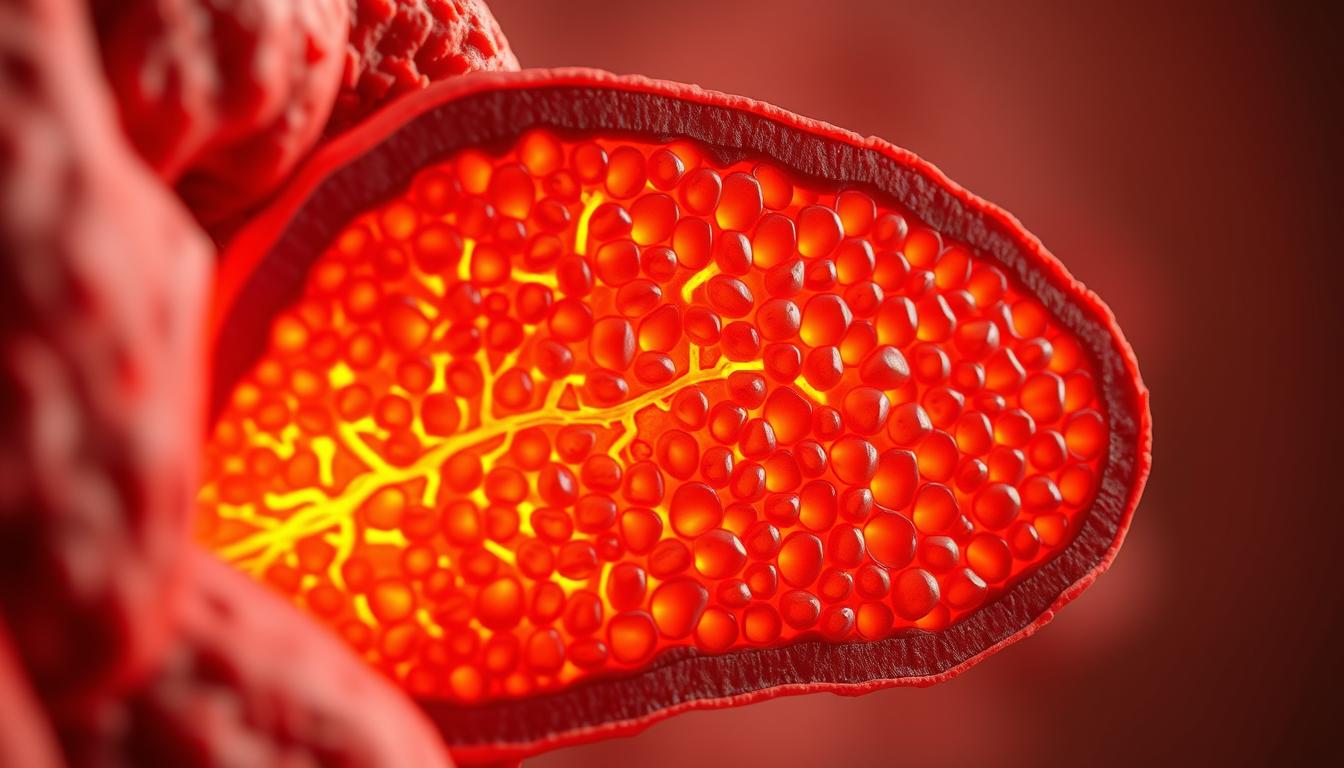
What if a simple daily practice could unlock your body’s hidden fat-burning potential? Brown adipose tissue (BAT), often called brown fat, plays a crucial role in this process. Unlike white fat, which stores energy, brown fat burns calories to generate heat—a process known as thermogenesis. Cold exposure is one of the most effective ways to activate this metabolic powerhouse.
The Role of Brown Adipose Tissue in Fat Loss
Brown fat is packed with mitochondria, giving it a unique ability to burn energy. When activated, it can increase your energy expenditure by up to 400 calories daily. This happens through the uncoupling protein 1 (UCP1), which generates heat instead of storing energy. Studies show that morning cold exposure can boost BAT activity by 37% in men, making it a powerful tool for fat loss.
Cold exposure triggers the TRPV1 channel, which activates at temperatures between 24-28°C. This initiates a three-phase response: shivering, non-shivering thermogenesis, and adaptation. Over time, this process can lead to brown fat hyperplasia—an increase in the number of brown fat cells—rather than just hypertrophy, which is an increase in cell size.
Cold Showers and Brown Fat Activation
Water exposure is particularly effective for activating brown fat. Research shows that cooling in water is four times faster than in air, making cold showers a practical option. A 90-minute exposure to 9°C water has been shown to significantly increase BAT activity, as measured by FDG-PET scans. Seasonal variations also play a role, with BAT activity being 15% higher in winter.
Here’s how cold showers work to activate brown fat:
- They stimulate the release of norepinephrine, a hormone that activates β3-adrenergic receptors in brown fat.
- They enhance the irisin/FNDC5 pathway, which converts white fat into brown fat.
- They increase mitochondrial density, improving overall energy production.
However, moderation is key. Prolonged exposure below 10°C can lead to hypothermia. For those who find full-body immersion challenging, wrist and ankle cooling can be a safer alternative. A 60-day intervention study showed a 42% increase in BAT volume, proving that consistent, controlled cold exposure can yield significant results.
The Best Time for Cold Showers: Why Morning Matters
Timing is everything when it comes to unlocking your body’s fat-burning potential. Your circadian rhythm plays a crucial role in determining when your body is most responsive to cold exposure. This internal clock regulates various metabolic processes, including fat oxidation and energy expenditure.

Circadian Rhythm and Fat Metabolism
Your body’s circadian rhythm is governed by clock genes like CRY and PER. These genes synchronize with environmental cues, such as light and temperature, to optimize metabolic functions. Morning cold exposure aligns with your body’s natural rhythm, enhancing the activation of brown adipose tissue (BAT).
Studies show that the cortisol awakening response peaks in the morning, making this the ideal time to stimulate BAT. A trial comparing 7:45am and 7:45pm cold exposure found that morning sessions increased fat metabolism by 23%. This is due to higher levels of norepinephrine, a hormone that activates BAT, being 30% greater in the morning.
“Morning cold exposure significantly boosts fat oxidation and aligns with the body’s natural metabolic peak.”
Benefits of Morning Cold Exposure
Morning cold showers offer several advantages. They enhance insulin sensitivity, reducing post-breakfast glucose levels by 19%. This is particularly beneficial for those managing blood sugar levels. Additionally, the AMPK-SIRT1-PGC-1α pathway, which regulates mitochondrial biogenesis, is more active in the morning.
Men tend to benefit more from morning cold exposure, as their BAT activity increases by 37% compared to evening sessions. The ideal window for cold showers is between 6-8am, when your body temperature is at its lowest. This timing maximizes the metabolic benefits while minimizing disruptions to your sleep architecture.
| Time of Day | Benefits | Drawbacks |
|---|---|---|
| Morning (6-8am) | Higher norepinephrine levels, improved insulin sensitivity, increased fat oxidation | None |
| Evening (7-9pm) | Moderate BAT activation | Potential sleep disruption, lower metabolic response |
Late-night cold exposure should be avoided, as it can interfere with melatonin production and disrupt sleep. By aligning your cold showers with your circadian rhythm, you can maximize fat loss and overall metabolic health.
Step-by-Step Guide to Taking a Cold Shower
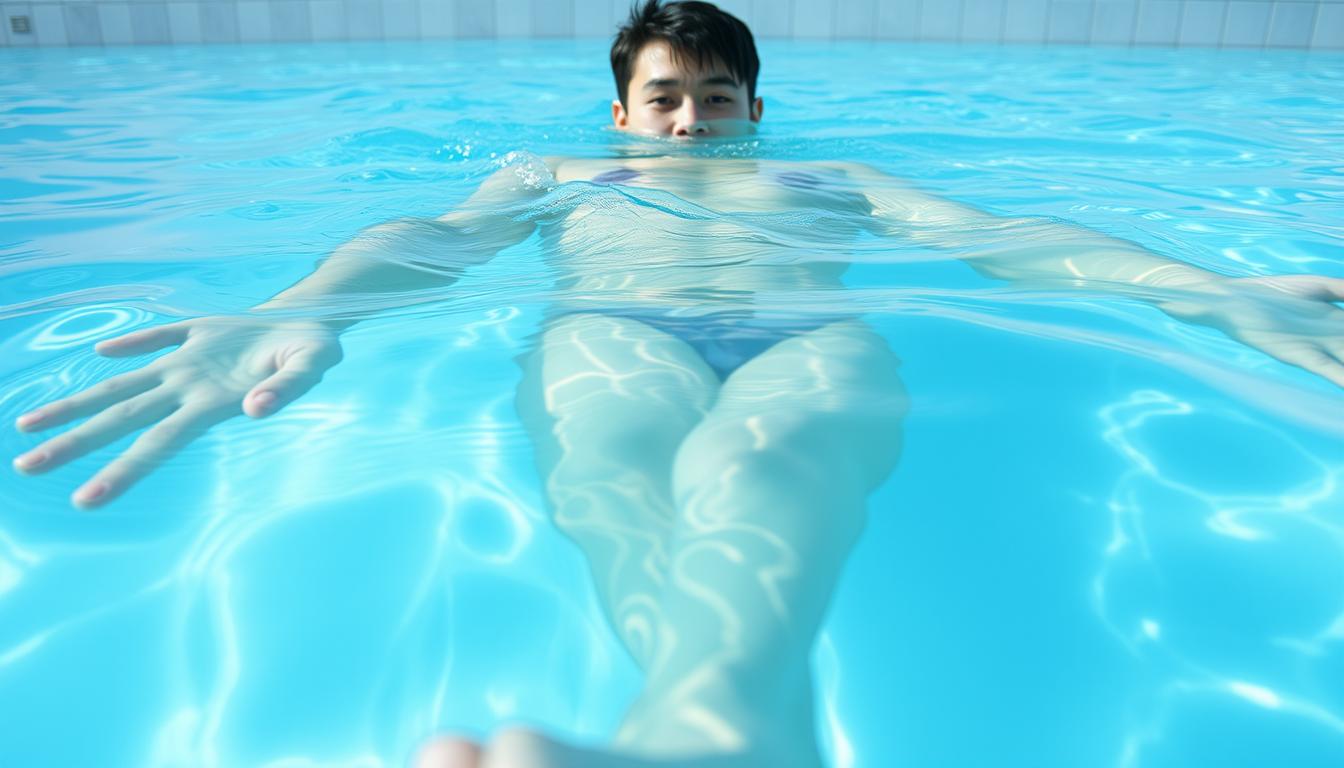
Ready to take the plunge and transform your daily routine? Cold water immersion can be a powerful tool for boosting your health, but it’s essential to approach it safely and gradually. This guide will walk you through the process, from preparation to acclimation, ensuring you reap the benefits without discomfort.
Preparing for Your Cold Shower
Before diving into cold water immersion, it’s crucial to prepare your body and mind. Start with a dynamic stretching routine to warm up your muscles and improve circulation. This reduces the risk of muscle tension or injury during the process.
Ensure you have the right equipment: a non-slip mat for safety, a timer to track your sessions, and a thermometer to monitor water temperature. Hydration is also key—drink 500ml of electrolyte-rich water before and after your shower to maintain balance.
How to Gradually Acclimate to Cold Water
Acclimation is the key to making cold water immersion a sustainable habit. Begin with a 30-second exposure and gradually increase to 60 and 90 seconds over three weeks. This progressive approach helps your body adapt without overwhelming it.
Start by entering the water feet-first to minimize the cold shock response. Use contrast therapy—alternating 15 seconds of cold with 45 seconds of warm water—to ease into the process. This method stimulates the vagus nerve, promoting relaxation and resilience.
Breathing techniques are essential. Practice the 4-7-8 pattern: inhale for 4 seconds, hold for 7 seconds, and exhale for 8 seconds. This calms your nervous system and enhances your tolerance to cold.
| Week | Duration | Technique |
|---|---|---|
| 1 | 30 seconds | Feet-first entry, contrast therapy |
| 2 | 60 seconds | Full-body immersion, 4-7-8 breathing |
| 3 | 90 seconds | Extended exposure, isometric warming |
Post-shower, avoid external heat sources like heaters or hot drinks. Instead, use isometric exercises to warm up naturally. This approach supports your body’s adaptation and improves heart rate variability (HRV), as shown in an 8-week study with a 22% improvement.
Remember, cold water immersion isn’t for everyone. If you have conditions like Raynaud’s, hypertension, or cardiovascular disease, consult a healthcare professional before starting. With the right preparation and gradual acclimation, you can make this practice a rewarding part of your routine.
Health Benefits Beyond Fat Loss
Have you ever thought about how a simple daily practice could enhance your overall well-being? While many focus on fat loss, the benefits of cold exposure extend far beyond shedding pounds. From boosting your immune system to sharpening your mind, this practice can transform your health in unexpected ways.

Improved Immune Function
Cold exposure has a profound impact on your immune system. It increases the production of CD8+ T cells by 14%, which play a critical role in fighting infections. Additionally, cold-induced lymph circulation speeds up 2-3 times, helping your body remove toxins more efficiently.
Studies show that regular cold exposure can reduce upper respiratory infections by 60%. This is partly due to the release of IL-10, an anti-inflammatory cytokine that increases by 30%. Athletes also benefit, with 19% faster muscle recovery observed in those who incorporate cold therapy into their routines.
However, moderation is key. Prolonged exposure can lead to excessive cortisol spikes, which may counteract these benefits. Combining cold exposure with breathwork, like the Wim Hof method, can enhance its effects on your immune system.
Enhanced Mental Clarity and Mood
Cold exposure doesn’t just strengthen your body—it sharpens your mind. It triggers the release of β-endorphins, which can increase by up to 250%. This natural “feel-good” hormone boosts your mood and reduces stress.
Your brain also benefits from increased BDNF production, which rises by 27% after 20 sessions. This protein supports cognitive function and mental health. Open water swimmers report a 40% reduction in anxiety, highlighting the calming effects of cold exposure.
The vagus nerve plays a crucial role in this process. Cold exposure stimulates this nerve, promoting relaxation and resilience. By incorporating breathwork, you can amplify these benefits, creating a synergistic effect on your mental health.
Combining Cold Showers with Exercise for Maximum Effect
What if combining two simple habits could amplify your fitness results? Research shows that pairing cold exposure with physical activity can enhance your body’s ability to burn fat and build muscle. This synergy is rooted in the activation of key pathways like PGC-1α, which increases by 15% when both methods are combined.
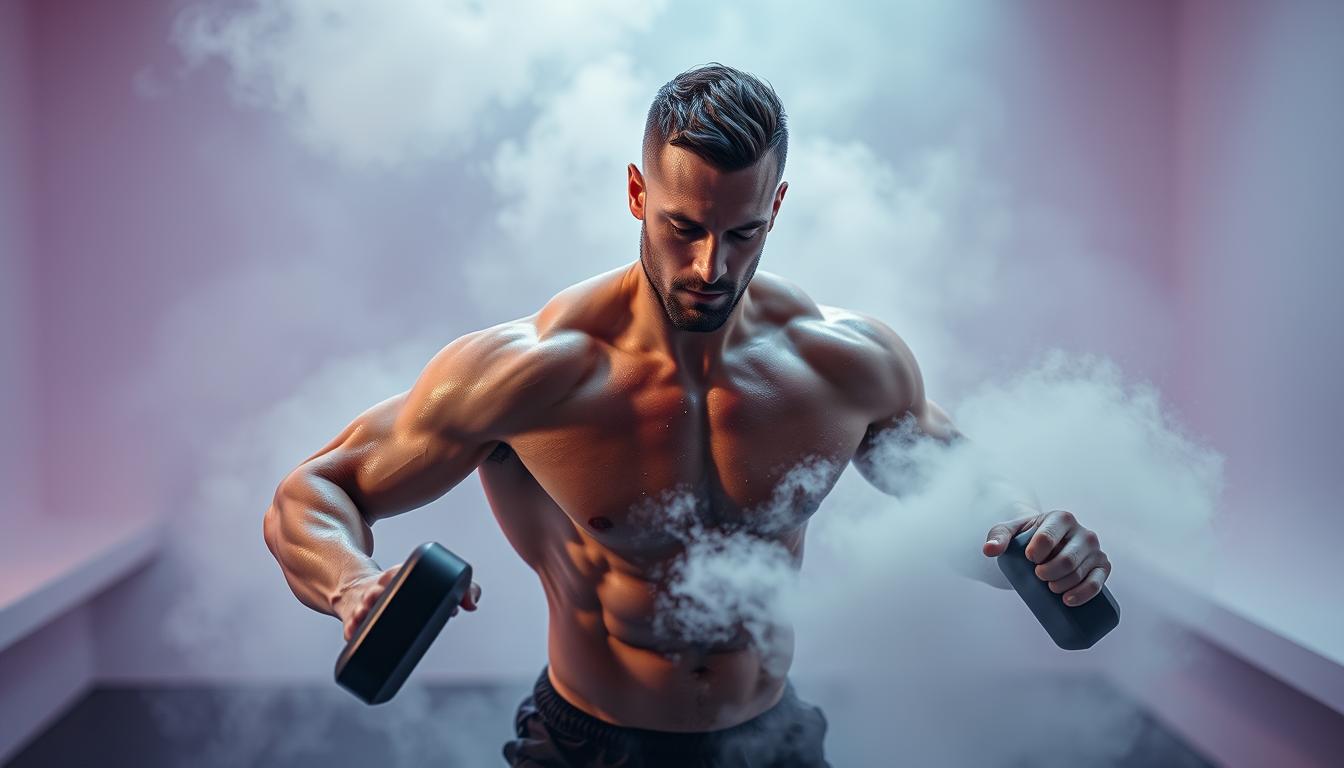
When you exercise, your skeletal muscle undergoes stress, triggering adaptations like hypertrophy and improved metabolic rate. Adding cold exposure to the mix can further amplify these effects. For example, studies reveal a 12% greater VO2 max in groups that combine both practices.
Cold Exposure and Exercise Synergy
The combination of cold exposure and exercise works on multiple levels. While exercise stimulates mitochondrial biogenesis through metabolic stress, cold exposure activates adrenergic pathways. Together, they enhance recovery and energy production.
However, timing is crucial. Post-workout cold showers are most effective within a 30-minute window. This approach reduces delayed-onset muscle soreness (DOMS) by 34%, helping you recover faster. Endurance athletes benefit from cooler temperatures (11°C), while strength trainers may prefer slightly warmer water (15°C).
Post-Workout Cold Showers: Pros and Cons
Post-workout cold showers offer several advantages. They reduce inflammation, speed up recovery, and improve insulin sensitivity. An 8-week protocol combining both methods yielded a 9% fat loss in participants.
However, there are concerns. Cold exposure can inhibit mTOR, a pathway critical for muscle growth. To avoid this, alternate days focusing on cold exposure and strength training. Pre-workout cold showers should also be avoided, as they can reduce power output by up to 12%.
Here’s a sample weekly schedule for different goals:
- Endurance Athletes: 3 days of cold exposure post-cardio, 2 days of strength training.
- Strength Trainers: 2 days of cold exposure post-lifting, 3 days of focused hypertrophy training.
- General Fitness: Alternate days of cold exposure and moderate exercise.
By understanding the synergy between cold exposure and exercise, you can optimize your routine for better results. Remember, moderation and proper timing are key to maximizing benefits.
Common Myths About Cold Showers Debunked
Have you heard the myths surrounding cold showers and their effects on health? Many believe they’re only for athletes or that they can cause illness. Let’s separate fact from fiction and explore the truth behind these misconceptions.

Myth: Cold Showers Are Only for Athletes
One common belief is that cold showers are exclusively for athletes. This couldn’t be further from the truth. While athletes often use cold therapy for recovery, the benefits extend to everyone. Cold exposure improves immune function, supports metabolic disorders, and enhances overall well-being.
Research shows that even non-athletes can benefit. A study of 1,200 participants found no increased illness rates among those who practiced cold showers regularly. Finnish winter swimmers, known for their resilience, also demonstrate improved health markers, including better blood pressure control in the 65+ age group.
Here’s how cold showers can help:
- Boost adaptation to stress through hormetic dose response.
- Enhance longevity by improving cellular repair mechanisms.
- Support safety with modified protocols for the elderly or obese.
Myth: Cold Showers Can Cause Illness
Another widespread myth is that cold showers can lead to illnesses like pneumonia. This misconception stems from a misunderstanding of how the body responds to cold. In reality, controlled cold exposure strengthens your immune function by increasing CD8+ T cells and improving lymph circulation.
Acute cold exposure triggers a beneficial stress response, while chronic exposure enhances resilience. The key is moderation. Prolonged sessions exceeding 90 minutes can have adverse effects, but short, controlled exposure is safe and effective.
Here’s what the data says:
- No increased illness in a 1,200-subject cold shower trial.
- Finnish winter swimmers show improved health markers, including reduced inflammation.
- Cold exposure supports safety when practiced correctly.
“Cold exposure, when done correctly, can enhance your health without increasing illness risks.”
| Myth | Fact |
|---|---|
| Cold showers cause illness | Controlled exposure strengthens immunity |
| Only athletes benefit | Everyone can gain from cold therapy |
| More cold is better | Moderation is key for safety |
By understanding these myths, you can confidently incorporate cold showers into your routine. Whether you’re an athlete or simply looking to improve your health, the benefits are accessible to all.
Safety Tips for Cold Water Immersion
Are you aware of the potential risks of cold water immersion? While this practice offers numerous benefits, it’s essential to follow safety protocols to avoid adverse effects. Understanding your body’s limits and recognizing risk factors can help you enjoy the benefits safely.
Who Should Avoid Cold Showers?
Cold water immersion isn’t suitable for everyone. Individuals with cardiovascular health issues, such as heart disease or hypertension, should avoid it. Pregnant women are also advised to steer clear, as sudden temperature changes can pose risks.
Other contraindications include Raynaud’s disease and severe asthma. If you’re unsure whether cold exposure is safe for you, consult a healthcare professional. Always prioritize your safety protocols to prevent complications like hypothermia.
How to Listen to Your Body
Gradual acclimatization is key to a safe cold exposure routine. Start with shorter sessions and increase the duration as your body adapts. Pay attention to signs of cold stress, such as shivering, numbness, or dizziness. If you experience these symptoms, stop immediately.
Here’s a simple guide to follow:
- Begin with face and limbs before exposing your torso.
- Monitor your heart rate, keeping it below 120 bpm during immersion.
- Have a partner supervise your first few sessions for added safety.
In case of severe cold stress, follow emergency procedures. Warm the person slowly, avoiding direct heat sources. Provide warm fluids and seek medical attention if symptoms persist.
| Fitness Level | Water Temperature | Duration |
|---|---|---|
| Beginner | 15°C (59°F) | 30 seconds |
| Intermediate | 12°C (54°F) | 60 seconds |
| Advanced | 9°C (48°F) | 90 seconds |
By following these guidelines, you can minimize risk factors and enjoy the benefits of cold water immersion safely. Remember, moderation and awareness are your best tools for success.
Conclusion: Embrace Cold Showers for a Healthier You
Ready to transform your health with a simple yet powerful practice? By activating brown adipose tissue, promoting mitochondrial health, and aligning with your circadian rhythm, cold exposure offers a metabolic boost that supports sustainable weight loss and overall holistic wellness.
Consistency is key. Start with short sessions and gradually increase duration. Pairing this practice with intermittent fasting can amplify results. Emerging protocols combining cold exposure with sauna therapy are also worth exploring.
For long-term benefits, aim for gradual lifestyle integration. Studies show permanent increases in brown fat after six months of consistent practice. This free, natural adjunct to traditional fitness can enhance your health without costly investments.
Begin your journey today with a morning cold start. Download our 30-day challenge PDF and take the first step toward a healthier, more energized you.