Did you know that a waist size over 35 inches for women or 40 inches for men could signal dangerous fat buildup around your organs? This hidden risk affects nearly 30% of Americans. Yet, most people focus only on what they see in the mirror. Not all body fat is created equal—and understanding the difference could change how you approach your health.
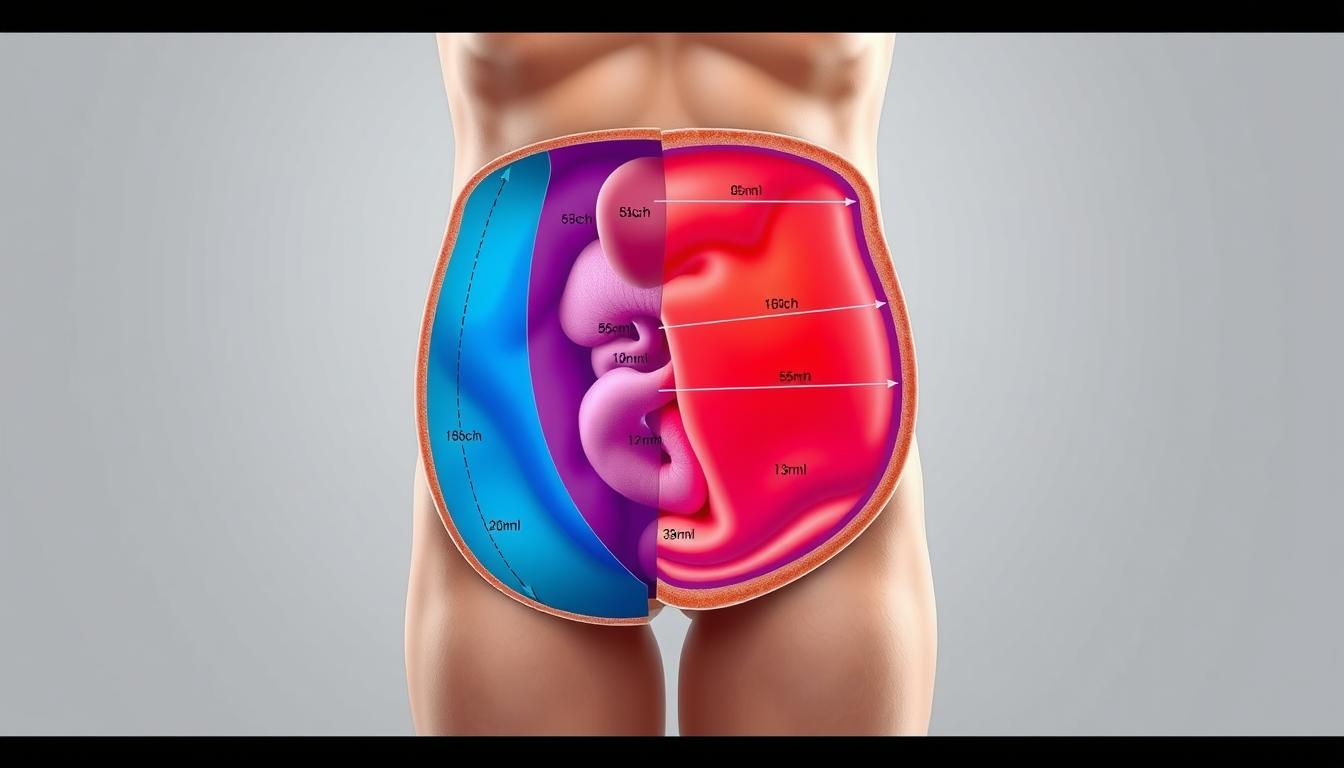
Your body stores two main types of fat. One sits just under your skin (subcutaneous), and the other wraps around vital organs like your liver and pancreas (visceral). The former acts as energy storage and insulation. The latter releases chemicals that can disrupt your metabolism.
Research from the Cleveland Clinic shows visceral fat increases your risk for heart disease and diabetes even if your weight seems normal.
Why does this distinction matter? Subcutaneous fat might affect how clothes fit, but visceral fat works silently to harm your health. You can’t always see it—some lean individuals have high levels due to genetics or stress. The good news? Simple lifestyle changes can target this hidden danger more effectively than crash diets.
Key Takeaways
- Visceral fat surrounds internal organs, while subcutaneous lies beneath the skin
- Excess visceral fat significantly increases heart disease and diabetes risks
- Waist measurements often reveal visceral fat better than BMI
- Stress management and aerobic exercise help reduce dangerous fat deposits
- Body composition scans provide the clearest picture of fat distribution
Understanding Body Fat: More Than Just Weight
Body fat is more than just a number on your scale. It tells a story about how fat works with your body. While too much fat can be risky, its role in your body shows why we have it.
The Biological Purpose of Fat Storage
Fat cells are like your body’s survival kit. They store energy for when you need it most. Research from Cleveland Clinic shows fat does more than just store energy—it helps your body work right.
Energy Reserve Functions
Each pound of fat has about 3,500 calories. This energy helps you:
- Power your muscles during long activities
- Keep blood sugar steady between meals
- Help your brain when you haven’t eaten for a while
Insulation and Organ Protection
Subcutaneous fat protects you from the cold and injury. It:
- Keeps you warm in cold weather
- Reduces injury from falls
- Protects your organs from pressure

Visceral vs. Subcutaneous Fat: Key Differences Explained
Not all fat is the same. Where your fat is stored affects your health. MRI studies show visceral fat wraps around your organs, unlike subcutaneous fat.
Anatomical Locations Compared
Visceral fat is around your liver, pancreas, and intestines. Subcutaneous fat is under your skin, seen in your thighs, hips, and belly.
Metabolic Activity Variations
Visceral fat makes proteins that can harm your insulin. Subcutaneous fat makes hormones that help control hunger.
Visual Appearance Distinctions
Subcutaneous fat makes soft bulges. Visceral fat makes a hard, apple-shaped belly.
| Characteristic | Visceral Fat | Subcutaneous Fat |
|---|---|---|
| Location Depth | Around organs | Under skin |
| Metabolic Rate | High activity | Low activity |
| Health Impact | Increases disease risk | Protects organs |
| Reduction Method | Diet & HIIT | Calorie deficit |
Why Visceral Fat Becomes Dangerous
Visceral fat is more than just extra weight. It’s a serious threat to your body’s health. Unlike other fats, it wraps around your organs and releases harmful substances. This can cause inflammation and harm your body in many ways.

The Inflammatory Nature of Visceral Fat
Visceral fat is like a factory that produces bad hormones. It releases pro-inflammatory cytokines, including:
- Tumor necrosis factor-alpha (TNF-α)
- Interleukin-6 (IL-6)
- C-reactive protein (CRP)
These chemicals cause long-term inflammation. This is linked to Metabolic Syndrome and heart disease. The more visceral fat you have, the higher your inflammation levels.
Impact on Liver Function
Your liver is also affected by visceral fat. The excess cytokines from visceral fat:
- Make liver cells less responsive to insulin
- Lead to fat storage in the liver
- Disrupt cholesterol processing
This damage explains why visceral fat is linked to non-alcoholic fatty liver disease (NAFLD).
Organ Compression Risks
Visceral fat also physically presses on your organs. Imagine a water balloon growing in a small space. Something has to give.
Pressure on Digestive Organs
Your stomach and intestines work harder when surrounded by visceral fat. This can cause:
- Slowed digestion
- Acid reflux
- Irregular bowel movements
Diaphragm Restriction Consequences
The fat in your belly also limits your diaphragm’s movement. This can lead to:
- Shallow breathing
- Less oxygen during exercise
- More fatigue during daily tasks
Long-term, this can strain your heart and increase health risks.
Health Risks of Visceral Fat Accumulation
Excess body fat is often seen as just a beauty issue. But visceral fat is different. It’s deep fat in your belly that can harm your health in big ways.

Cardiovascular System Damage
Visceral fat acts like an organ, releasing harmful chemicals. These chemicals can damage your blood vessels. This damage can happen slowly over time.
Artery Plaque Formation Process
Fat cells release substances that change LDL cholesterol. This changed cholesterol gets into your artery walls. It leads to the buildup of unstable plaques.
A study at the Cleveland Clinic found people with more visceral fat are 3x more likely to have artery buildup than those with less belly fat.
Blood Pressure Regulation Interference
Too much visceral fat can press on your kidneys. This changes how your body handles sodium. It can cause your blood pressure to go up.
| Health Marker | Normal Range | High Visceral Fat Impact |
|---|---|---|
| LDL Cholesterol | < 100 mg/dL | +25-40 mg/dL |
| Systolic BP | < 120 mmHg | +15-25 mmHg |
| Artery Inflammation | Low CRP | High CRP |
Metabolic Syndrome Connections
Visceral fat’s hormones can mess with your metabolism. Just a little extra belly fat can start these problems.
Insulin Resistance Mechanisms
Fat cells release a protein that blocks insulin. This makes it hard for your muscles to take in glucose. Your pancreas then works too hard, leading to diabetes.
“The LDL/HDL imbalance caused by visceral fat is more predictive of heart disease than total cholesterol levels alone.”
Cholesterol Profile Alterations
Visceral fat makes your LDL cholesterol worse and lowers your HDL. This leads to:
- 28% higher risk of atherosclerotic lesions
- 19% reduction in cholesterol clearance capacity
- 42% increase in triglyceride production
To avoid these obesity complications, you need to target your belly fat. Your waist size is more than just a fashion choice—it’s a sign of your health.
The Protective Role of Subcutaneous Fat
Visceral fat gets a lot of attention for its health risks. But subcutaneous fat is a hero for your body. It’s under the skin and helps with energy and hormones. These are key for a healthy body composition.

Energy Buffer Functions
Subcutaneous fat is like a savings account for your body. It stores extra energy when you eat more than you need. This keeps your blood sugar steady and eases the load on your organs.
Glucose Metabolism Support
It absorbs extra glucose, avoiding insulin spikes. Research shows this can lower diabetes risk by 25-30% compared to visceral fat.
Fatty Acid Storage Benefits
It traps fatty acids, protecting your liver. This helps keep your cholesterol levels in check and prevents artery plaque.
| Function | Subcutaneous Fat | Visceral Fat |
|---|---|---|
| Energy Storage Capacity | High (Safe reservoir) | Low (Overflows quickly) |
| Metabolic Activity | Neutral/Protective | Inflammatory |
| Hormone Production | Leptin, Estrogen | Cortisol, IL-6 |
Hormonal Regulation Contributions
Subcutaneous fat also acts as an endocrine organ. It makes hormones that control hunger, reproduction, and metabolism. These are important for a healthy body composition.
Leptin Production Explained
It releases leptin, a hormone that tells your brain you’re full. More subcutaneous fat means better appetite control. This can cut down on overeating by 18-22%.
Estrogen Storage in Fat Cells
It stores estrogen precursors, keeping hormones balanced. This is very important for women during menopause. It helps keep bones strong and the heart healthy.
Measuring Your Fat Distribution
It’s important to know where your fat is located. This can affect your health more than you think. There are simple and advanced ways to check your fat distribution.
Waist Circumference Analysis
A tape measure is a simple tool to fight visceral fat. The National Institutes of Health (NIH) has guidelines for this method. Wrap the tape around your bare abdomen at the top of your hipbone after exhaling normally.
NIH Measurement Standards
Here’s how to get accurate results:
- Stand straight with feet shoulder-width apart
- Ensure the tape sits parallel to the floor
- Record measurements to the nearest 0.1 inch
Sex-Specific Risk Thresholds
Men and women face different risks from abdominal fat:
| Gender | Low Risk | High Risk |
|---|---|---|
| Men | ≤ 37 in (94 cm) | ≥ 40 in (101.6 cm) |
| Women | ≤ 31.5 in (80 cm) | ≥ 35 in (88.9 cm) |
Advanced Imaging Techniques
Medical imaging offers detailed views of fat distribution. These methods go beyond simple measurements to show internal fat deposits.
DEXA Scan Applications
Dual-energy X-ray absorptiometry (DEXA) is more than just for bone density tests. This 15-minute scan:
- Differentiates fat types with 98% accuracy
- Creates color-coded body composition maps
- Tracks changes over multiple sessions
MRI Fat Mapping Precision
Magnetic resonance imaging (MRI) is the top choice for fat analysis. Cleveland Clinic researchers use it to:
- Measure visceral fat volume down to 0.1 cubic cm
- Detect fat infiltration in organs like the liver
- Guide personalized treatment plans
Effective Visceral Fat Reduction Strategies

Reducing visceral fat needs more than just losing weight. It requires targeted approaches. Studies show that combining nutrient optimization with strategic exercise is most effective. Let’s explore two proven methods to trim your belly.
Macronutrient Balancing
Your diet greatly affects visceral fat. Cleveland Clinic research highlights key nutritional changes:
Fiber intake targets
Try to eat 25–30 grams of fiber daily. This helps slow down sugar absorption and cuts fat storage. Good sources include:
- Chia seeds (10g per ounce)
- Lentils (15g per cup)
- Raspberries (8g per cup)
Healthy fat ratios
Switch to monounsaturated fats to reduce visceral fat by up to 20%. Here’s a guide:
| Nutrient | Daily Target | Top Sources |
|---|---|---|
| Monounsaturated Fats | 15–20% of calories | Avocados, almonds, olive oil |
| Omega-3s | 1.1–1.6g | Walnuts, salmon, flaxseed |
High-Intensity Interval Training (HIIT)
HIIT beats steady cardio for losing visceral fat. It offers EPOC metabolic benefits, or the “afterburn effect.” A 2023 study found:
“HIIT participants lost 28% more visceral fat than moderate exercisers over 12 weeks, despite equal workout durations.”
Workout frequency recommendations
For best results without overdoing it:
- 3–4 weekly sessions
- 20–30 minutes per session
- 1:2 work-to-rest ratio (e.g., 30s sprints/60s walks)
Combine these strategies with regular sleep and stress control for better results. Remember, small, steady changes lead to big health improvements.
Dietary Approaches for Fat Type Management
Your plate has a big role in how fat is distributed in your body. It’s key for reducing harmful visceral fat linked to Metabolic Syndrome. Eating the right way can help shrink fat that causes inflammation and support healthier fat reserves. Let’s look at two proven ways to change your body’s fat composition through what you eat.

Mediterranean Diet: Your Anti-Inflammatory Shield
The Mediterranean diet is top for heart health, according to U.S. News. It fights the inflammation caused by visceral fat. Foods rich in Omega-3 help balance your fat levels:
- Wild-caught salmon (1,500 mg EPA/DHA per 3 oz)
- Chia seeds (5 g Omega-3 per ounce)
- Walnuts (2.5 g ALA per serving)
These foods lower hormones that make you store fat and boost a protein that helps break it down. The Bella Source Study shows:
“Following Mediterranean principles, participants reduced visceral fat by 11% in 6 months, without counting calories.”
Antioxidants: The Inflammation Fighters
Colorful fruits and veggies in this diet have antioxidants that fight visceral fat’s harmful effects. Aim for:
- 3+ daily servings of berries (ellagic acid)
- Dark leafy greens (kaempferol)
- Extra virgin olive oil (oleocanthal)
Intermittent Fasting: Triggering Cellular Cleanup
Time-restricted eating starts autophagy, your body’s way of recycling damaged fat cells. The 16:8 method is the most doable:
- Fast for 16 hours (8 PM–12 PM)
- Eat within an 8-hour window
- Prioritize protein first (30g within 30 mins of eating window)
Why Autophagy Matters for Fat Loss
When fasting, your body uses visceral fat for energy while keeping muscle. A 2023 Johns Hopkins study found 27% greater visceral fat reduction in fasting groups than in those cutting calories alone.
Try combining these methods: Start meals with Mediterranean foods during your eating window. This two-pronged approach tackles Metabolic Syndrome by reducing inflammation and improving fat metabolism.
Exercise Modalities for Fat Redistribution
Your workout choices greatly affect where your body burns and stores fat. While no exercise directly targets visceral fat, smart training can help your body burn fat in healthier ways.

Resistance Training Benefits
Muscle mass preservation is key as you get older. Every pound of muscle burns 50% more calories than fat. This means more calories are burned even when you’re not working out.
Compound lifts like squats and deadlifts work many muscles at once. This makes them very efficient for burning fat.
Afterburn Effect Duration
High-intensity workouts cause your body to burn more calories for up to 38 hours after. This “afterburn” boosts calorie burning by 6-15%. Studies show that people who exercise regularly burn more fat than those who do steady-state cardio.
Aerobic Exercise Prescriptions
Regular cardio helps your body use fat for energy. For lasting results:
- Do Zone 2 training (60-70% max heart rate) and add in high-intensity intervals
- Focus on longer sessions, not just how hard you’re working
Zone 2 Training Benefits
This moderate-intensity range boosts your body’s fat-burning ability. You’ll burn fat better during and after workouts. This helps protect against obesity problems.
Duration vs Intensity Balance
New studies question how long and how hard you should work out:
- 45-minute Zone 2 sessions are best for fat burning
- 20-minute HIIT workouts increase your metabolic rate
- Combining these methods leads to 23% more fat loss
Stress Management’s Crucial Role
Chronic stress affects more than just your mind. It changes how your body stores fat. Studies from the Cleveland Clinic show that stress can increase belly fat by up to 40%. This happens through changes in hormones.

The Cortisol-Fat Connection
Stress makes your body release more cortisol. This hormone:
- Makes belly fat grow
- Increases hunger for unhealthy foods
- Slows down how fast you burn calories by up to 15%
HPA Axis Activation Pathways
Your brain’s amygdala starts the stress response. It goes through these steps:
- Notices stress
- Releases CRH hormone
- Releases ACTH from the pituitary gland
- Makes cortisol in the adrenal glands
Abdominal Fat Deposition Links
Cortisol makes lipoprotein lipase work more in belly fat cells. This enzyme:
- Helps fat cells take in nutrients
- Stores more triglycerides
- Blocks signals to burn fat
“Chronic stress creates a perfect storm for visceral fat accumulation – it’s not just about calories consumed, but how your body processes them under duress.”
Proven Mindfulness Techniques
To fight the stress-fat cycle, we need to lower cortisol. These methods have shown to reduce belly fat in 8-12 weeks:
HRV Biofeedback Methods
Heart rate variability training helps you:
- Boost parasympathetic nervous system activity
- Lower resting cortisol by 27% (Journal of Behavioral Medicine)
- Improve insulin sensitivity markers
Breathing Pattern Optimization
The 4-7-8 technique gives quick stress relief:
- Inhale deeply for 4 seconds
- Hold breath for 7 seconds
- Exhale completely for 8 seconds
Doing this twice a day can lower cortisol at night by 22%, studies show.
Sleep Quality’s Metabolic Impact
Your sleep does more than just recharge you. It also shapes how your body handles fat. Studies show that sleep quality affects how well you burn visceral fat while resting.

REM Sleep and Fat Oxidation
Deep REM sleep is when your body burns fat the most. Growth hormone levels spike, helping repair cells and break down fat. Missing these times can mess up your body’s metabolic work.
Growth Hormone Release Patterns
The pituitary gland releases most growth hormone during sleep’s first half. This hormone helps turn stored fat into energy. Lack of sleep can cut down these hormone releases by 23%, studies find.
Circadian Rhythm Disruptions
Working late or using screens too much can mess up your body clock. This can slow down your metabolism by 8-12%. It also makes it harder to store fat, even if you eat the same amount.
Sleep Hygiene Optimization
Make your bedroom a place for better metabolism with these tips:
| Factor | Optimal Condition | Impact on Metabolism |
|---|---|---|
| Blue Light Exposure | Limit after 8 PM | Boosts melatonin by 58% |
| Room Temperature | 65-68°F (18-20°C) | Activates brown fat thermogenesis |
| Sleep Duration | 7-9 hours nightly | Maintains leptin/ghrelin balance |
Blue Light Exposure Limits
Smartphones and LEDs can mess with your sleep. Wear amber-tinted glasses or use night mode 3 hours before bed to keep melatonin levels up.
Temperature Regulation Strategies
Keeping your room cool (below 70°F) helps your body burn calories. This process, called non-shivering thermogenesis, can burn up to 100 extra calories each night. That’s like taking a 30-minute walk.
Gender Differences in Fat Storage
Your body stores fat differently based on your sex and hormones. Men and women both have visceral and subcutaneous fat, but they store it in different ways. This is why health risks can differ between the sexes.

Why Men Accumulate Dangerous Belly Fat
Men tend to store fat in their belly, known as the android pattern. This is because testosterone levels drop about 1% each year after 30. Lower testosterone means more belly fat.
Testosterone’s Protective Effects
- Maintains muscle mass for higher metabolic rate
- Regulates fat cell sensitivity to insulin
- Suppresses inflammatory cytokines in adipose tissue
Android vs Gynoid Fat Patterns
| Feature | Android (Male) | Gynoid (Female) |
|---|---|---|
| Primary Storage | Abdomen/Organs | Hips/Thighs |
| Fat Cell Size | Larger | Smaller |
| Metabolic Risk | High | Low |
| Hormonal Driver | Testosterone | Estrogen |
Women’s Fat Storage Shifts During Menopause
When estrogen levels drop during menopause, women’s fat storage changes. They often gain 1-2 dress sizes in their waist in just 5 years. This increases their risk of heart disease.
Estrogen’s Role in Fat Management
- Promotes subcutaneous fat storage in lower body
- Enhances insulin sensitivity
- Regulates appetite through leptin signaling
Postmenopausal Health Risks
Without estrogen, women face:
- 3x higher visceral fat accumulation rate
- Increased LDL cholesterol production
- Higher blood pressure from abdominal organ pressure
These differences highlight the importance of tailored fat management strategies. Your sex affects not just where fat is stored but also your health risks.
Preventing Visceral Fat Accumulation
To stop visceral fat before it starts, we need better habits and smart tools. Modern gadgets and diet changes are key to fighting this silent health threat. Let’s look at ways to track progress and avoid common mistakes.

Lifestyle Monitoring Systems
Tracking your habits regularly helps you catch issues early. Tools like wearables and body scans turn vague goals into real actions.
Wearable Technology Applications
Devices like Fitbit and Apple Watch track heart rate and sleep. These are linked to stress and fat storage. Here are the best tools for preventing visceral fat:
| Device | Key Feature | Health Metric |
|---|---|---|
| Fitbit Charge 6 | Stress management score | Real-time glucose sync* |
| Garmin Venu 3 | Body battery energy monitoring | Respiration rate tracking |
| Apple Watch Ultra 2 | Advanced workout detection | Blood oxygen saturation |
*With compatible continuous glucose monitor
Bioimpedance Analysis Frequency
Home scales like Withings Body+ measure visceral fat with electrical signals. For best results:
- Test at the same time daily
- Avoid measurements after intense exercise
- Combine with waist circumference checks
Alcohol Consumption Guidelines
Your liver focuses on alcohol first, not fat. This leads to more visceral fat.
“Even moderate drinking forces the liver to store 5x more fatty acids temporarily,” notes Cleveland Clinic research.
Liver Metabolism Priorities
When dealing with alcohol, your liver stops burning fat for up to 48 hours. Three drinks can:
- Reduce fat burning by 73%
- Increase blood triglycerides
- Trigger inflammatory cytokines
Empty Calorie Calculations
Alcohol has 7 calories per gram, almost as much as fat. A margarita has over 300 calories, with no nutrients. It:
- Spikes insulin resistance
- Increases cravings for bad food
- Disrupts leptin (satiety hormone)
Long-Term Health Maintenance
Managing body fat is not just about quick fixes. It needs ongoing monitoring and smart actions to avoid obesity problems. By using modern tracking tools and getting medical help when needed, you can keep your fat levels healthy for a long time.
Body Composition Tracking
Regular health checks can spot changes in visceral fat early. DEXA scans give the most precise body fat readings. But, you don’t need them every month. Here’s when to get them:
DEXA Scan Intervals
- Every 6 months if you’re losing weight
- Once a year for general health checks
- Every quarter if you have diabetes or heart issues
Waist-to-Hip Ratio Norms
This simple test shows visceral fat risks better than BMI. Keep these numbers in mind:
| Gender | Healthy Range | Risk Threshold |
|---|---|---|
| Men | ≤ 0.90 | > 0.95 |
| Women | ≤ 0.85 | > 0.88 |
Medical Interventions
When lifestyle changes aren’t enough, these proven options help manage obesity complications:
GLP-1 Agonist Medications
- Reduce hunger signals by 30-50%
- Prescribed for BMI ≥30 or ≥27 with related conditions
- Best results when combined with diet changes
Bariatric Surgery Criteria
| Procedure | BMI Requirement | Comorbidity Needed? |
|---|---|---|
| Gastric Sleeve | ≥40 | No |
| Gastric Bypass | ≥35 | Yes |
Remember, these options work best with ongoing nutrition advice and activity tracking. Your doctor can help make a plan that changes as your health does.
Debunking Common Fat Myths
Misinformation about body fat often clouds health decisions, making it key to separate fact from fiction. Let’s tackle two common myths that confuse how we see body composition and health.
The Truth About Targeted Fat Loss
The idea that endless crunches can melt belly fat is a fitness myth. Spot reduction doesn’t work for a few reasons:
How Your Body Burns Fat
Lipolysis, the fat breakdown process, happens all over your body, not just in one spot. When you exercise, hormones tell fat cells everywhere to release energy. Your genes decide which areas lose fat first, like why your friend’s arm fat goes down faster.
DNA’s Role in Fat Storage
Your genes play a big role in:
- Where fat builds up (hips vs. belly)
- How fast fat is released during exercise
- Your basic metabolic rate
This genetic lottery means no exercise can guarantee fat loss in specific areas.
Why BMI Fails as a Health Metric
Though BMI is common, Cleveland Clinic researchers say:
“BMI doesn’t tell the difference between muscle and fat, possibly misclassifying 25% of adults.”
Muscle vs. Fat Measurement Errors
A 180-pound athlete and a sedentary person could have the same BMI. Resistance trainers might be seen as “overweight” even though they have:
- Less visceral fat
- Higher metabolic efficiency
- Lower heart disease risks
Ethnic Variations in Body Fat
BMI thresholds made for Europeans don’t work for everyone:
- South Asians face diabetes risks at lower BMIs
- Polynesian groups naturally have more muscle mass
- Black women typically have denser bones
These differences highlight the need for body composition analysis for accurate health checks.
Conclusion
Understanding visceral fat’s health effects changes how we view wellness. This type of fat affects organ function and metabolism. Cleveland Clinic suggests taking regular waist measurements and making lifestyle changes to lower risks.
Focus on eating whole foods, like the Mediterranean diet, to target belly fat. Add HIIT workouts and strength training to burn fat. These steps help manage both types of fat and improve body shape.
Good sleep and managing stress are also key. Reducing cortisol through mindfulness helps avoid fat buildup in harmful areas. Aim for 7-9 hours of sleep each night to support healthy fat distribution.
Success in managing visceral fat comes from tracking progress, not just weight. Use DEXA scans or smart scales to monitor fat types. If lifestyle changes aren’t enough, medical help is available, even for those with a genetic risk.
Managing visceral fat is about making lasting habits, not being perfect. Small daily choices add up to big health benefits over time. Start with something simple, like measuring your waist or changing your diet. Your body will thank you for consistent, informed care.