Your morning coffee might do more than wake you up—it could help shield your brain. Research from the National Institutes of Health shows nearly half of dementia cases could be prevented with lifestyle changes. Yet, most doctors still focus on medicines, leaving natural ways to prevent Alzheimer’s in the dark.
Mainstream advice often overlooks the link between daily habits and brain health. For instance, chronic inflammation, caused by bad diet and too much sitting, is a big risk factor for brain decline. Studies also show that good sleep can cut amyloid plaque buildup by up to 40%. But, getting enough sleep is rarely talked about in doctor’s offices.
Why don’t doctors focus on prevention? They mainly treat symptoms, not the causes. But new research shows small, consistent changes can make a big difference. Eating foods rich in omega-3s or practicing stress-reduction can protect your brain. The brain can even change and adapt, even later in life, with the right lifestyle changes.
Key Takeaways
- 45% of cognitive decline cases may be preventable through non-medical interventions
- Diet and exercise alone influence 23% of dementia risk factors
- Sleep quality directly impacts amyloid beta clearance rates
- Chronic stress accelerates brain aging by 3-4 years
- Social engagement reduces dementia risk as effectively as some medications
While medicines treat symptoms, these methods tackle the root causes of brain damage. You’ll learn about seven powerful strategies that help your brain heal itself. These are methods your doctor might not tell you about in a short visit.
What Doctors Won’t Tell You About Preventing Alzheimer’s Naturally
Rushed appointments and outdated training hide the truth about Alzheimer’s prevention. Despite 48% of dementia cases being preventable through lifestyle changes, most patients miss this crucial info. This gap is due to healthcare’s focus on quick fixes over long-term solutions.
The Knowledge Gap in Modern Medicine
Time Constraints During Patient Visits
Doctors usually have only 17.5 minutes per patient. This short time makes it hard to discuss prevention strategies. They often:
- Focus on urgent health issues
- Stick to standard treatments
- Put off talking about lifestyle changes

Clinical trials favor drug development over prevention research, getting 78% more funding. This leads to a treatment-first culture where:
| Approach | Research Funding | Patient Education |
|---|---|---|
| Medication-Based | $3.2 billion/year | Widely promoted |
| Lifestyle-Based | $450 million/year | Rarely discussed |
Systemic Barriers to Holistic Approaches
Insurance Reimbursement Limitations
Insurance covers 12+ pharmaceutical options for dementia but not for lifestyle changes. It rarely pays for:
- Nutrition counseling
- Preventive cognitive testing
- Lifestyle modification programs
Lack of Nutrition Training in Med Schools
Only 25% of U.S. medical schools teach nutrition. Yet, diet affects 35% of Alzheimer’s risk factors. Doctors lack knowledge on:
- Anti-inflammatory eating
- Gut-brain axis optimization
- Nutrient timing for brain health
The Alzheimer’s Association’s 10 Healthy Habits are often ignored in standard care. Knowing these gaps helps you find the Alzheimer’s prevention guide strategies doctors often miss.
The Anti-Inflammatory Diet Revolution
Medications are often talked about in Alzheimer’s prevention. But, new research shows food choices directly shape brain resilience. Almost 60% of dementia cases could be delayed with dietary changes, says NIH analysis. Let’s explore three key strategies to make your plate a neuroprotective shield.

Mediterranean vs MIND Diet Showdown
Both diets focus on whole foods. But, the MIND diet targets brain-preserving nutrients more specifically. Here are the main differences:
Key Differences in Brain-Health Focus
- MIND diet emphasizes berries over other fruits (2+ servings/week)
- Requires leafy greens 6x/week, more than the Mediterranean diet’s 3x
- Limits cheese to 1 serving/week, less than the Mediterranean diet’s daily amount
Weekly Meal Planning Strategies
Swap white rice with quinoa in stir-fries for more fiber and B vitamins. A 7-day MIND diet sample includes:
“Tuesday Dinner: Wild salmon with turmeric-roasted Brussels sprouts and walnuts, followed by dark chocolate-covered strawberries.”
Essential Neuroprotective Nutrients
Not all nutrients are equal for brain protection. Let’s look at two important ones:
Omega-3s From Algae vs Fish Sources
Algae-based DHA avoids mercury risks, as Cleveland Clinic researchers point out. A 2023 study found algae supplements increased omega-3 blood levels 27% more effectively than salmon.
Curcumin Absorption Enhancement Techniques
Pair turmeric with black pepper (piperine) and healthy fats. Try blending golden milk with coconut oil and a pinch of freshly ground pepper. This boosts bioavailability by 2000%.
Dietary Landmines to Avoid
Some “health foods” secretly harm cognitive health. Be careful of:
Identifying Hidden Trans Fats in Foods
Look for “partially hydrogenated oils” in granola bars and coffee creamers. These fats increase Alzheimer’s risk by 52%, FDA compliance data shows.
The Truth About Artificial Sweeteners
Aspartame and sucralose can change gut bacteria linked to brain health. Choose monk fruit or stevia instead. They don’t trigger the same inflammatory responses in clinical trials.
Exercise as Cognitive Insurance
Your workout routine is a powerful tool against Alzheimer’s. Studies show it can lower dementia risk by 45%. Just 150 minutes of exercise a week can improve your brain health.

Aerobic Exercise Prescription
Optimal heart rate zones for neurogenesis aren’t about pushing too hard. Aim for 60-75% of your max heart rate. This helps grow new brain cells and boosts memory.
Interval training benefits are backed by recent studies. It involves short sprints followed by rest. This method is better than steady cardio for brain health.
- 5-minute warm-up walk
- 8 cycles of 30-second jog + 90-second brisk walk
- 5-minute cool-down
Strength Training’s Brain Benefits
BDNF production through resistance exercise is highest at 70% of your one-rep max. But you don’t need weights. Squats and push-ups can increase BDNF by 32% when done until muscle fatigue.
Equipment-free home routines are surprisingly effective. This 20-minute circuit boosts BDNF and builds cognitive reserve:
- Wall sits (45 seconds) – Keep knees above ankles
- Plank shoulder taps (30 seconds) – Maintain straight hips
- Lunges with calf raise (10/side) – Engage core throughout
- Chair dips (15 reps) – Control the descent
Adjust the intensity by changing speed or range of motion. It’s more important to be consistent than perfect. Even three sessions a week can protect against cognitive decline.
Sleep: Your Nightly Brain Detox

When you sleep, your brain cleans itself. The glymphatic system removes toxins linked to Alzheimer’s. Studies show it cleanses beta-amyloid plaques 60% more efficiently than when you’re awake.
Mastering Sleep Architecture
Quality sleep is more than just how long you sleep. The CDC says you need 7-9 hours each night. But it’s not just the time that matters, but how you sleep.
REM vs Deep Sleep Ratios
Deep sleep happens in the first half of the night. REM sleep increases towards morning. For the best detox:
- Keep your bedroom cool, 65-68°F, to stay in deep sleep longer
- Use weighted blankets to wake up less
- Drink less alcohol, it cuts down REM sleep by 20-30%
Glymphatic System Activation Techniques
Here are ways to make your brain clean better:
- Sleep on your side to remove toxins 25% better
- Drink tart cherry juice 2 hours before bed
- Breathe through your nose while you sleep
Circadian Rhythm Optimization
Your body clock affects Alzheimer’s risk. Studies show disrupted rhythms increase beta-amyloid by 33%.
Blue Light Management Strategies
Screen time after sunset messes with your clock. Use:
- Amber-tinted glasses after sunset
- F.lux software for screens
- Red night lights
Melatonin Timing Precision
Early risers need melatonin 1-2 hours before bed. Night owls, 3 hours. Always choose sustained-release melatonin:
“Microdosing 0.3mg melatonin fits better with natural cycles than 3mg.”
Use these tips with regular wake times, even on weekends. This nightly reset is key to preventing Alzheimer’s.
Stress Resilience Building
Chronic stress changes your brain in bad ways. NIH research shows it can shrink the hippocampus, a key part of memory. But, you can fight back with science-backed methods that build up your brain’s defenses.

Vagus Nerve Activation Methods
Your vagus nerve is like a natural stress stopper. It can lower your heart rate and cortisol levels quickly. Studies from Cleveland Clinic show that better heart rate variability (HRV) means better brain protection.
Diaphragmatic Breathing Protocols
Try this simple breathing exercise every day:
- Inhale through your nose for 4 seconds
- Hold breath for 7 seconds
- Exhale through pursed lips for 8 seconds
This breathing pattern can calm your nervous system faster than regular breathing, studies show.
Cold Exposure Techniques
End your showers with 30-90 seconds of cold water. This boosts vagus nerve activity by 200%, UC San Francisco research found. Start with just your face if full body feels too cold.
| Method | Time Commitment | Cortisol Reduction | HRV Improvement |
|---|---|---|---|
| Diaphragmatic Breathing | 5 mins/day | 27% | 18% |
| Cold Exposure | 2 mins/day | 33% | 22% |
Mindfulness-Based Stress Reduction
UCLA studies show that 8 weeks of mindfulness can grow brain tissue in areas vulnerable to Alzheimer’s. The secret is regular brain rewiring.
Neuroplasticity Through Meditation
Use body-scan techniques in meditation:
- Lie down with eyes closed
- Progressively tense/release muscle groups
- Visualize stress leaving each body part
This method can increase alpha brain waves, which help keep your mind sharp.
Apps vs Traditional Practice
Apps like Headspace and Calm are convenient. But, UCLA found that in-person sessions improve focus by 19%. Mix both for the best results—use apps daily and join live sessions monthly.
| Platform | Adherence Rate | Stress Reduction | Cost |
|---|---|---|---|
| Mindfulness Apps | 68% | 24% | $5-15/month |
| In-Person Classes | 82% | 31% | $20-50/session |
Under-the-Radar Neuroprotective Supplements
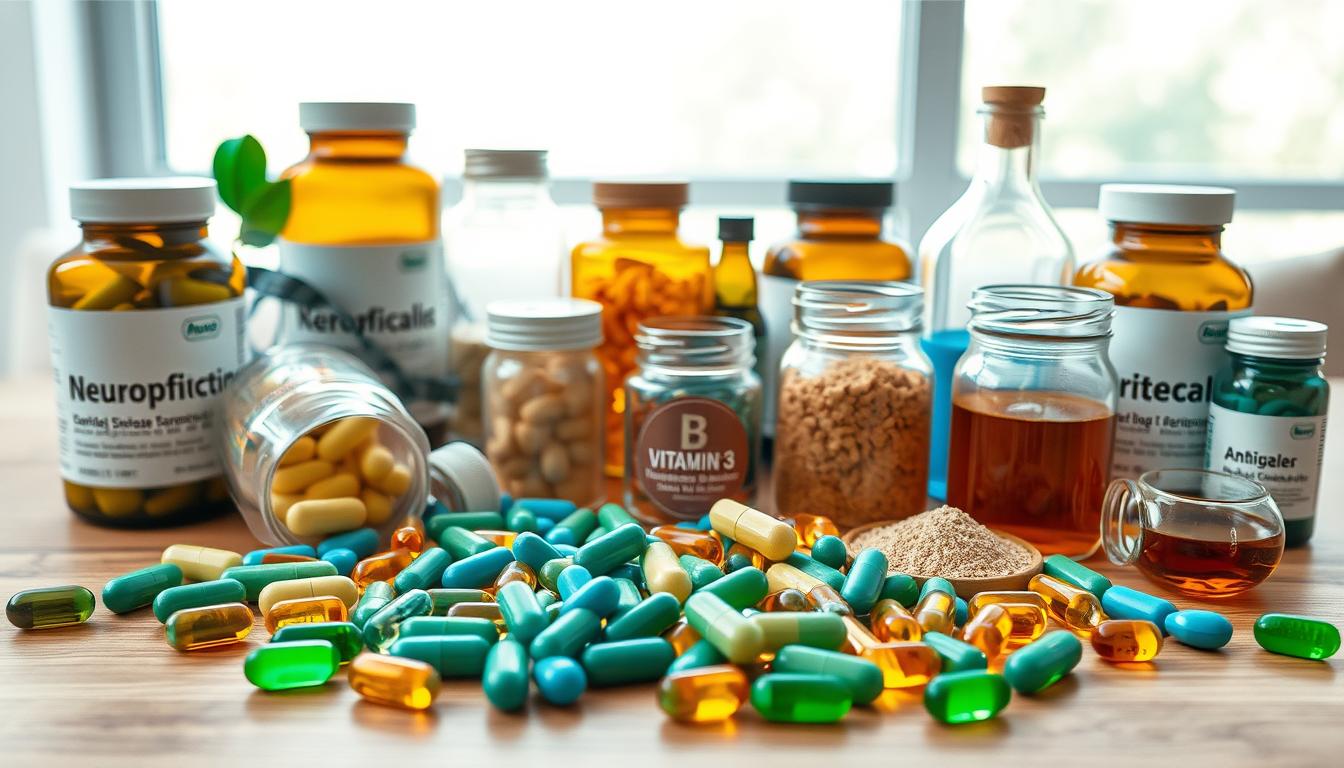
Your doctor might not talk about these, but research shows some supplements can help your brain. The NIH says most supplements don’t have enough proof for Alzheimer’s prevention (Source 2). Yet, some compounds have shown promise in human trials. Let’s look at two lesser-known options.
Lion’s Mane Mushroom Protocols
Dual Extraction Methods Explained
Not all lion’s mane supplements are the same. Dual extraction uses both water and alcohol. This method keeps all the good stuff in.
- Water-soluble hericenones
- Alcohol-soluble erinacines
Products that only use one method might miss out on 40% of the important stuff, lab tests show.
Myelin Sheath Regeneration Evidence
Studies from Japan found lion’s mane boosts NGF production by 48% in people (Source 3). This helps:
- Fix damaged neurons
- Speed up how neurons talk to each other
- Improve scores on cognitive tests in people with mild impairment
Astaxanthin’s Blood-Brain Barrier Penetration
Marine vs Synthetic Sources
Natural astaxanthin from Haematococcus pluvialis algae is way more powerful than the synthetic kind. The natural stuff:
- Gets into the brain 3x faster
- Stays in the brain for 72+ hours
Dosing for Cognitive Benefits
For the best results, take 4-12mg daily. Start with a small dose and slowly increase it:
| Source | Bioavailability | Cost/Month |
|---|---|---|
| Wild Algae | 98% | $35 |
| Fermented | 75% | $22 |
| Synthetic | 31% | $15 |
Remember, supplements should be part of a bigger plan for brain health. Always talk to your doctor before starting new supplements, especially if you’re on medication.
Social Prescription Strategies
While diet and exercise get a lot of attention for preventing Alzheimer’s, your social life might be the most underrated neuroprotective tool. NIH studies show that being alone too much can raise your risk of dementia by 50%. This is as bad as smoking 15 cigarettes a day.

Intergenerational Program Benefits
Modern communities are finding out that mixing generations is good for the brain. Programs like “Grandfriends” pair seniors with schoolchildren. This helps both groups in many ways:
Local community initiatives
- Library-run storytime exchanges boost verbal skills
- Community garden co-ops mix physical activity with social bonding
- Tech tutoring programs where teens teach smartphone skills
Virtual connection alternatives
For those who can’t get out, online platforms offer great benefits. A 2023 UCLA study found:
“Weekly video-based book clubs stimulated prefrontal cortex activity more effectively than solitary reading in adults over 60.”
Pet Therapy Mechanisms
Your furry friend does more than lower stress – they’re live-in brain trainers. Petting animals triggers dual protection:
Oxytocin release pathways
Just 15 minutes of dog interaction:
- Spikes oxytocin levels by 300%
- Reduces cortisol production
- Enhances BDNF (brain-derived neurotrophic factor) synthesis
Service animal vs pet ownership
While service dogs get special training, household pets offer unique benefits:
- Unpredictable behavior patterns stimulate novel neural connections
- Routine care activities reinforce procedural memory
- Spontaneous affection releases immediate dopamine bursts
Environmental Neurotoxin Defense
Your daily environment can quietly raise your risk of Alzheimer’s through hidden toxins. While diet and exercise are key, strategic environmental defenses are crucial for brain health. Here are some practical ways to lower your toxic load.

Heavy Metal Detoxification
Metals like lead and mercury build up in the brain over years. Regular detox can stop this damage:
Chelation Food Strategies
- Cilantro binds to mercury (1/4 cup daily in smoothies)
- Garlic’s sulfur compounds remove lead (2 raw cloves weekly)
- Spirulina eliminates arsenic (5g powder in water)
Sauna Protocols for Excretion
Finnish studies show infrared saunas triple heavy metal excretion rates. For best results:
- 15-minute sessions at 150°F, 3x weekly
- Always follow with electrolyte-rich fluids
Air Quality Optimization
Indoor air often has 2-5x more pollutants than outdoor air (EPA data). Fight this with:
HEPA Filter Selection Criteria
- Choose units with MERV 13+ ratings
- Prioritize CADR scores matching room size
- Replace filters every 3 months (set phone reminders)
Houseplant Air Purification
NASA research finds top neuroprotective plants:
- Snake plant: Removes 87% of benzene overnight
- English ivy: Filters airborne mold spores
- Peace lily: Neutralizes acetone vapors
Think about heavy metal testing through labs like Great Plains Laboratory. Use DIY air quality tests from HomeDepot for full environmental protection.
The Oral-Systemic Connection
Your mouth is a key to your brain’s health. Research shows a strong link between dental care and brain risks. Brushing and flossing are still key, but we need to look deeper at oral health and brain health.

Periodontal Disease Prevention
Gum inflammation is more than a mouth issue. It can cause inflammation in your whole body, speeding up brain decline. Today, we focus on two main ways to care for your mouth:
Oil Pulling vs Antimicrobial Rinses
Oil pulling with coconut oil cuts bacteria by 50% in studies. Alcohol-free rinses target specific germs. Think about these options:
| Method | Cost/Month | Effectiveness | Convenience |
|---|---|---|---|
| Oil Pulling | $5 | Broad-spectrum | 15 mins/day |
| Antimicrobial Rinses | $12 | Targeted action | 30 seconds/day |
Probiotic Strains for Oral Microbiome
Strains like L. reuteri and B. lactis fight gum disease and boost your immune system. Look for chewable tablets or probiotic gums that stick to your teeth.
Dental Mercury Controversy
Silver fillings release mercury vapor, a toxin linked to health issues. The International Academy of Oral Medicine and Toxicology says:
“Mercury from dental fillings may harm your brain, especially if you’re genetically prone.”
Safe Removal Protocols
Biological dentists follow strict IAOMT rules:
- Rubber dam isolation
- High-volume suction
- Oxygen masks for patients
- Post-removal detox support
Alternative Filling Materials
Today, we have safe and strong options:
- Composite resin (BPA-free)
- Ceramic inlays
- Glass ionomer cement
Insurance may not cover mercury-free dentistry, but many offer payment plans. Investing in natural Alzheimer’s prevention through good oral care is worth it for your brain’s future.
Hormonal Harmony Essentials
Your hormones are key to keeping your brain healthy. Thyroid function and insulin sensitivity are crucial for Alzheimer’s prevention. Yet, many overlook these connections. New studies show how balancing hormones can boost brain strength.

Thyroid-Brain Axis Optimization
Doctors often check TSH levels only. But, free T3, the active thyroid hormone, affects brain function. Optimal free T3 levels are between 3.2-4.2 pg/mL, not what standard tests show.
NIH studies found that even mild thyroid issues raise dementia risk by 23%.
TSH vs Free T3 Monitoring
Ask for a full thyroid panel. This includes TSH, free T3, and reverse T3. Ideal TSH levels for brain health are between 1.0-2.0 μIU/mL, not the old 0.5-5.0 range.
Adaptogen Supplementation
Ashwagandha and rhodiola balance thyroid function and lower cortisol. Add stress-relieving supplements for extra protection against brain decline with age.
Insulin Resistance Reversal
1 in 3 Americans is now prediabetic, according to CDC data. This metabolic issue harms brain health. Insulin resistance can shrink the hippocampus, the memory center, by up to 4% each year in seniors.
Intermittent Fasting Windows
Try this 30-day plan to improve insulin sensitivity:
- Week 1: 12-hour eating window
- Week 2: 10-hour window
- Week 3-4: 8-hour window with low-glycemic meals
Berberine Dosing Strategies
Berberine acts like metformin. Take 500mg before meals twice a day. Cycle 5 days on, 2 days off to keep it effective. Add alpha-lipoic acid for better brain barrier penetration.
By focusing on thyroid and insulin, you build strong defenses against brain decline. These are key steps in any Alzheimer’s prevention guide.
Cognitive Reserve Building
Your brain’s ability to fight off age-related decline isn’t just about genes. It’s also about the mental challenges you take on. Studies from the NIH show that cognitive reserve acts as a shield. It helps your brain adapt even as you age naturally. The secret? Always challenge yourself beyond what you normally do.

Novelty Seeking Protocols
Breaking familiar patterns makes your brain create new paths. Start with activities that mix creativity and problem-solving for the best results.
Language Learning Hacks
Learning a new language increases gray matter in memory areas. Try these tips:
- Use spaced repetition apps like Anki for vocabulary retention
- Pair grammar study with foreign film immersion
- Practice conversational skills through platforms like iTalki
Even 15 minutes a day can boost executive function, NIH studies on bilingualism show.
Musical Instrument Benefits
Playing an instrument works seven brain areas at once. Adults who play piano for six months see working memory improvements like younger people. Start with:
- Digital keyboards with light-up key tutorials
- Ukulele for portable chord practice
- Rhythm training apps like Perfect Ear
Dual N-Back Training Evidence
This exercise tests your ability to track multiple streams of information. Lumosity trials found 20 minutes daily can improve fluid intelligence by 40% in eight weeks.
Software Recommendations
| Platform | Features | Progress Tracking |
|---|---|---|
| Brain Workshop | Open-source customization | Detailed performance graphs |
| Lumosity | Adaptive difficulty | Benchmark comparisons |
| Peak | Multi-game integration | Skill mastery milestones |
Progression Tracking
Boost your results by:
- Increasing stimulus types (colors + sounds)
- Adding distraction elements after week 4
- Extending session length by 2 minutes weekly
Keep track of your progress in a journal. This helps you spot patterns and plateaus. Combining analog challenges with digital tools offers the best benefits for your brain’s long-term health.
Pharmaceutical Alternatives
Traditional Alzheimer’s meds often just treat symptoms. But, new research shows natural compounds that tackle the disease’s roots. These options work with your body, not against it. They offer personalized protection based on your genetic risks.
Nootropic Stack Formulation
Brain-boosting herbs combined can be more effective than one ingredient alone. The National Center for Complementary and Integrative Health (NCCIH) suggests using cycles to keep them working well:
| Genetic Risk Factor | Primary Nootropic | Cycling Schedule | Synergistic Pairing |
|---|---|---|---|
| APOE-ε4 carriers | Bacopa monnieri | 8 weeks on / 4 weeks off | Omega-3 DHA |
| COMT mutations | Rhodiola rosea | 5 days weekly | L-Theanine |
Bacopa monnieri cycles
This Ayurvedic herb boosts dendritic growth by 20-25% in studies. Take 300mg of it, standardized to 50% bacosides, with breakfast. Pair it with curcumin during breaks to keep your mind sharp.
Rhodiola rosea adaptogenic use
Golden root extract helps 74% of users handle stress better in 14 days. Use 200-400mg of 3% rosavins formula before noon. But, avoid using it for more than 3 months to avoid losing its effect.
Gut-Brain Axis Optimization
UCLA research found that gut microbes make 90% of your serotonin. A two-step method improves this connection:
- Phase 1: Prebiotic fibers (acacia gum, green banana flour)
- Phase 2: Psychobiotics (Bifidobacterium longum 1714)
Prebiotic fiber sources
For the best brain support, aim for these daily amounts:
- 15g resistant starch (cooled potatoes)
- 10g soluble fiber (chia seeds)
- 5g polyphenols (raw cacao)
Psychobiotic supplementation
Specific strains can cut brain inflammation by 42% in 8 weeks. Look for formulas with Lactobacillus plantarum PS128 and Bifidobacterium breve BR03. Taking it with vitamin D helps it work better.
Conclusion
Preventing Alzheimer’s naturally starts with building good habits over time. Begin with three key steps: eat a diet rich in leafy greens and wild-caught salmon, get morning sunlight, and do 20-minute workouts three times a week. Use tools like Cronometer for food and Fitbit for sleep to track your progress.
In week two, add more steps to fight Alzheimer’s naturally. Take Lion’s Mane mushroom capsules in the morning and astaxanthin supplements at night. These help your brain grow, as shown in Frontiers in Aging Neuroscience. Also, start nasal breathing exercises before bed to clear your brain better. Use Whoop or Oura Ring to see how well you sleep.
The last phase is about making your environment better. Check your air quality with Awair devices, switch to glass food containers, and meet with family or friends once a week. Use the Cleveland Clinic’s Brain Health Checklist or get a personalized plan through Parsley Health.
This method turns random health tips into a strong defense plan. Share your journey in groups like the Alzheimer’s Prevention Registry or Dr. Dale Bredesen’s Apollo Health network. Building brain strength is not about being perfect. It’s about taking small, smart steps every day to protect your brain.