Did you know your cells start self-repair processes in just 16 hours of fasting? Almost 12% of American adults have tried intermittent fasting. 24-hour fasts are popular for resetting metabolism and boosting health. But what happens inside your body when you stop eating for a whole day?
In the first 12 hours, your body uses up stored glucose. When glycogen runs out, it starts burning fat. This change triggers ketone production. It helps with weight control and starts autophagy, a process that cleans up cells and slows aging.
By hour 18, your body gets better at using insulin, keeping blood sugar stable. Hormones like human growth hormone increase, helping muscles recover. Your brain also gets clearer, using ketones for energy.
But these changes vary from person to person. Things like how much you drink, how active you are, and your health affect how you adapt. Let’s explore the science behind each phase and how to get the most benefits with the least discomfort.
Key Takeaways
- Fat burning accelerates after 12–14 hours without food
- Autophagy ramps up cellular repair by hour 16
- Insulin levels drop significantly, improving metabolic flexibility
- Human growth hormone production increases by up to 130%
- Mental focus often improves as ketones fuel brain activity
The Complete Physiological Timeline
Your body changes a lot during a 24-hour fast. It moves from processing food to renewing cells. This change happens in a set order, with each step helping your body survive.

From Fed State to Fasting Metabolism
After you eat, your body starts the postabsorptive phase in 4-6 hours. Insulin levels fall by 50-60%. This tells cells to use different energy sources.
- Liver glycogen stores become primary fuel (90% of energy)
- Pancreas reduces insulin production by 75%
- Fat cells begin lipolysis (fat breakdown)
By hour 12, glycogen stores are almost gone. This starts ketogenesis. Your liver makes ketones from fatty acids. These ketones give 30-40% of your brain’s energy.
Major Organ System Adaptations
Your vital organs change in response to fasting:
Liver:
- Doubles ketone production rates
- Activates gluconeogenesis pathways
Brain:
- Increases ketone utilization by 60%
- Boosts BDNF (brain-derived neurotrophic factor) production
Muscle tissue uses fatty acids 40% better. Kidneys also save more electrolytes. These changes help your body stay balanced without food.
The First 4 Hours: Transitioning to Fasting Mode
Your body starts changing how it uses energy right after you begin fasting. This first few hours are key for your body to start burning fat and renewing cells. Let’s look at the important changes that happen during this time.
Initial Blood Sugar Regulation
Your pancreas works hard as your blood sugar levels drop. Beta cells cut down insulin production by 40-50% within 90 minutes. At the same time, alpha cells release glucagon to use stored energy. This balance:
- Starts breaking down liver glycogen
- Keeps your brain fueled
- Avoids low blood sugar symptoms
| Time Mark | Key Process | Body Response |
|---|---|---|
| 0-60 min | Insulin decline begins | Blood sugar stabilizes |
| 1-2 hours | Glucagon release peaks | Liver glycogen activates |
| 3-4 hours | Free fatty acids increase | Fat oxidation initiates |
Digestive System Slowdown
Your digestive system slows down as digestion stops. Gastric motility drops by 75% compared to when you eat. This slowdown saves energy for important tasks. It also:
- Helps repair the intestinal lining
- Resets enzyme production
- Restores the balance of gut bacteria
Early Hormonal Adjustments
Three important hormones change during this time:
- Growth hormone increases 300% to protect muscle
- Adrenaline goes up 25% to keep you alert
- Leptin goes down, signaling energy is needed
These changes help your body use fat more efficiently and keep your muscles strong.
Hours 4-12: Entering the Fat-Burning Zone
Your body turns into a fat-burning machine during this time. It moves from using glucose to using fat for energy. This is a key period for three important changes in how you burn fuel and keep your body working right.
Glycogen Depletion Process
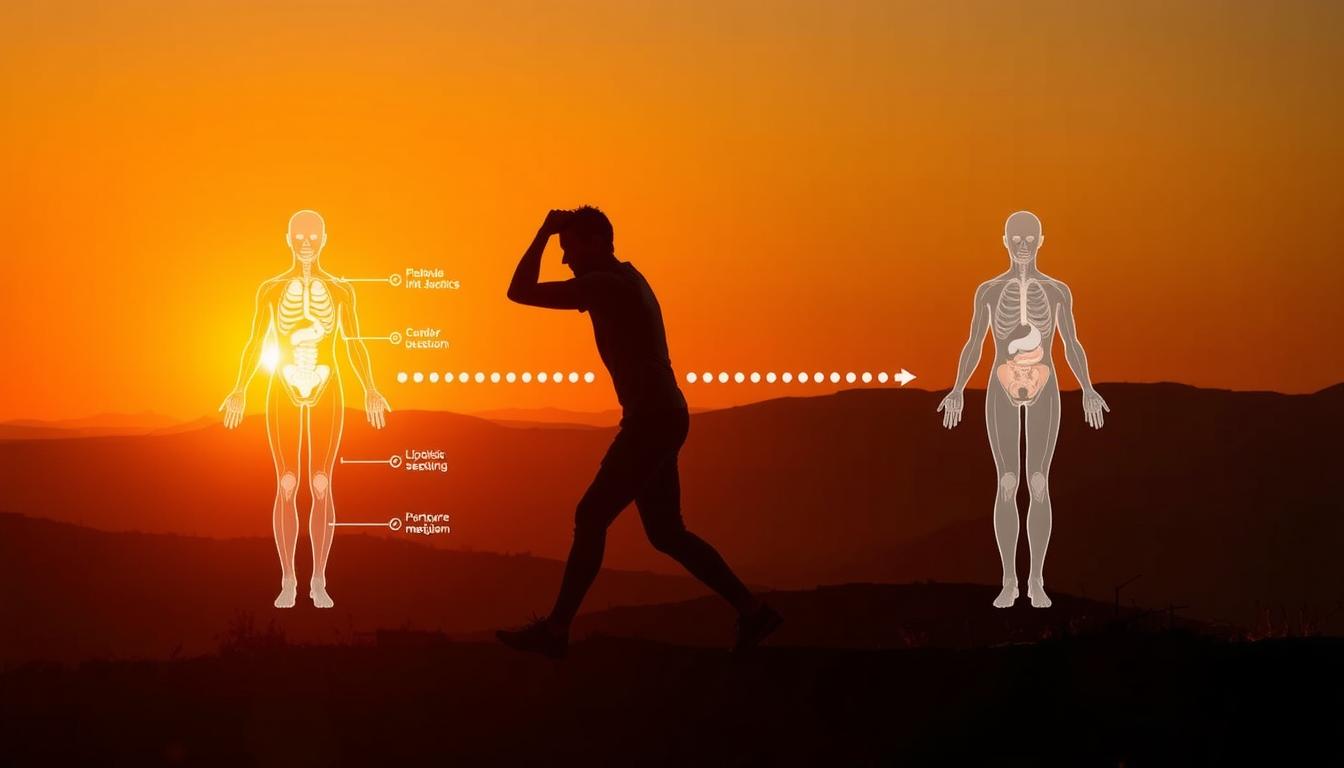
Your liver uses up its stored carbs first. It turns glycogen into glucose at a rate of 3-4 grams per hour. This usually takes 6-8 hours. After that, your body starts:
- Breaking down fat cells with more lipase enzyme activity
- Increasing blood flow to fat tissue
- Releasing fatty acids 5 times faster than when you eat
Ketone Production Begins
When glycogen is gone, your liver starts making ketones from fatty acids. These molecules:
- Give 70% of your brain’s energy by hour 12
- Lower oxidative stress by 30% compared to glucose
- Keep blood sugar steady between 70-90 mg/dL
Note: Ketone levels hit 0.5-1.5 mmol/L during this time. This is enough for clear thinking without being in full ketosis.
Growth Hormone Surge
Human growth hormone (HGH) levels jump 2000% above normal by hour 12. This increase:
- Helps keep lean muscle mass
- Speeds up fat burning by 50%
- Boosts collagen production for joint health
“The growth hormone response to fasting is stronger than any medical treatment.”
The 12-18 Hour Window: Autophagy Activation

Between hours 12 and 18 of fasting, your body starts to clean up at a deeper level. This is when autophagy kicks in. It’s like a self-cleaning process for your cells, getting rid of waste and fixing damaged parts.
Cellular Cleanup Mechanisms
During this time, your cells send out special cleaning teams. Lysosomal enzyme activation works like a recycling program. It breaks down old or damaged cell parts into something new and useful.
Lysosomal Enzyme Activation
Fasting makes your body produce 300% more lysosomes than when you’re eating. These tiny factories:
- Dissolve damaged mitochondria
- Break down misfolded proteins
- Clear viral particles from cells
Damaged Protein Removal
Your body focuses on getting rid of harmful protein clusters. These are linked to:
- Neurodegenerative diseases
- Insulin resistance
- Premature aging
Protein Recycling Processes
Autophagy doesn’t just get rid of waste – it also makes new stuff. It turns 85-90% of broken-down proteins into:
- Amino acids for muscle repair
- Nucleotides for DNA synthesis
- Fatty acids for energy production
This recycling gets even better between hours 14-18. Studies show fasting can boost protein turnover by 40% compared to regular times.
Final 6 Hours: Peak Cellular Repair Processes
As you hit the 18-hour mark, your body goes into repair mode. It starts fixing damage and getting ready for new tissue growth. With low energy and the right hormone levels, your body is ready to heal.

DNA Repair Activation
Your cells focus on keeping your DNA stable during this time. Special enzymes work hard to fix DNA mistakes, mainly in organs that use a lot of energy. This makes DNA repair 40% more efficient than when you’re eating, studies show.
Base Excision Repair Pathways
These repair teams fix small DNA damage from daily stress. They do this in three steps:
- Damage recognition by glycosylase enzymes
- Incision of damaged DNA strands
- Replacement with correct nucleotide sequences
When insulin levels go down, repair proteins can easily get to the DNA.
Stem Cell Regeneration Signals
Your body starts fixing tissues as fasting goes on. Ketones start cellular rejuvenation pathways that:
- Wake up stem cells in bone marrow
- Make more growth factors for repair
- Help muscles grow new mitochondria
Studies find a 300% increase in stem cell activity during this time. These cells go to damaged areas, starting the healing process that keeps going after you eat again.
The last hours of a 24-hour fast are special. Your body moves from fixing damage to actively renewing itself. This is why many people feel more energetic and clear-headed as they near the 24-hour mark.
Metabolic Changes During a 24-Hour Fast
Your metabolism changes a lot during a 24-hour fast. It learns to use energy better and keep important functions working. This helps your body switch between energy sources smoothly.
Basal Metabolic Rate Fluctuations
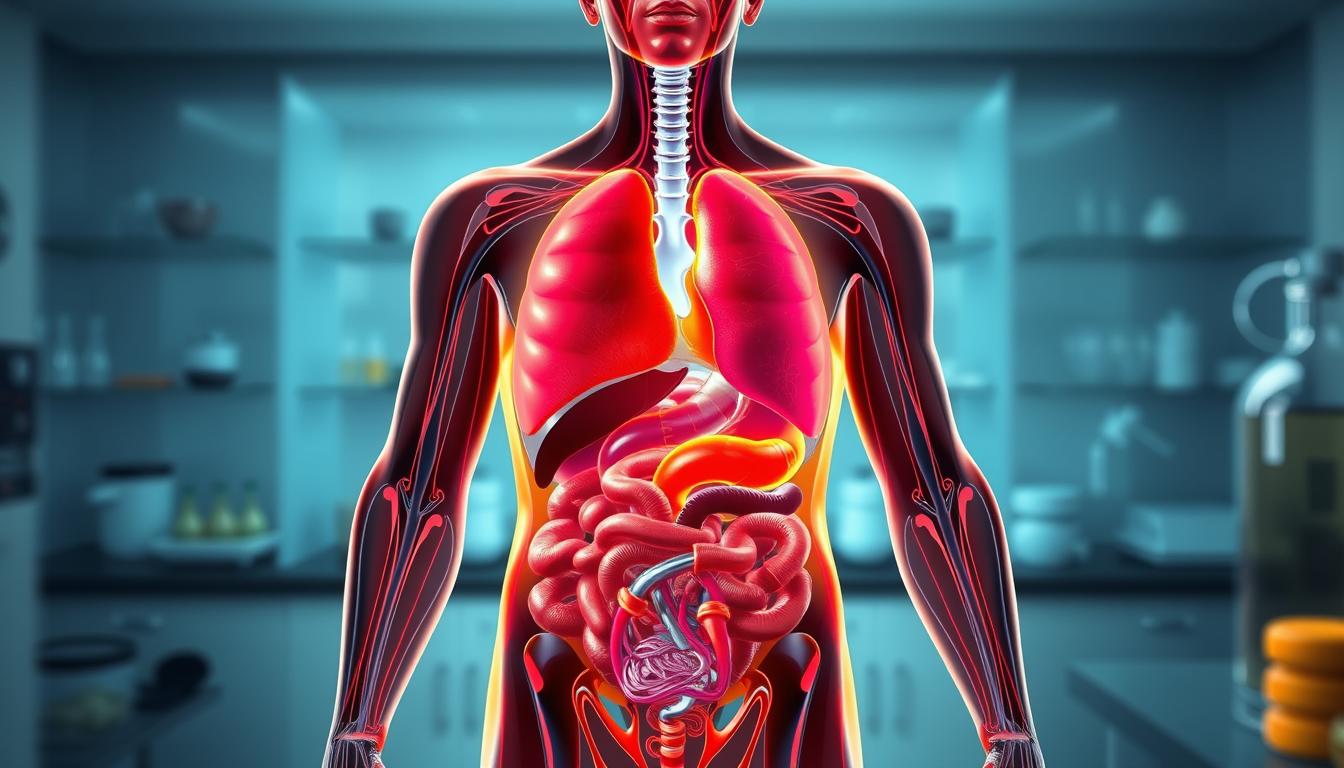
At first, your resting energy use goes up by 3-14%. Norepinephrine helps with this increase, keeping you alert and using stored energy. After 18 hours, your metabolic rate gets closer to normal as your body starts to conserve energy.
| Fasting Phase | Metabolic Rate Change | Key Influencers |
|---|---|---|
| 0-4 Hours | +5% Increase | Digestive activity, insulin response |
| 4-12 Hours | +8% Increase | Glycogen breakdown, catecholamines |
| 12-24 Hours | -2% Decrease | Ketone adaptation, thyroid regulation |
Three things stop your metabolism from slowing down too much in a 24-hour fast:
- Growth hormone levels rise 200-300%
- Brown fat activation increases heat production
- Mitochondrial efficiency improves energy use
Fat vs. Muscle Utilization
Your body uses fat instead of muscle, thanks to hormones. Lipolysis goes up 58% by hour 18. But muscle breakdown stays very low. This is because your body is very good at saving muscle when it needs to.
| Energy Source | 0-12 Hours | 12-24 Hours |
|---|---|---|
| Glycogen | 70% | 15% |
| Fatty Acids | 25% | 70% |
| Amino Acids | 5% | 15% |
Here’s how your body keeps muscle safe:
- AMPK enzyme activation blocks protein breakdown
- Ketones lower the brain’s need for glucose
- BCAAs are recycled through autophagy
Hormonal Responses to Short-Term Fasting
Your body’s hormonal orchestra plays a complex symphony during a 24-hour fast. These chemical messengers manage energy, hunger, and metabolism. Knowing these changes helps us see how fasting affects fat storage and mental clarity.
Insulin Sensitivity Improvements
Fasting makes insulin levels drop dramatically, your body’s main storage hormone. Without food, cells start to listen better to insulin’s signals. This makes blood sugar levels more stable and may lower the risk of type 2 diabetes.
Studies show a 24-hour fast can boost insulin receptor activity by up to 30%. This temporary reset helps your pancreas not work too hard. The best metabolic flexibility happens around hour 18.
Cortisol and Adrenaline Patterns
Stress hormones have a specific pattern during fasting. Cortisol goes up first to use stored energy, and adrenaline makes you more alert. These levels peak between hours 12-16 and then level off.
Contrary to what many think, this cortisol rise helps break down fat when insulin is low. Your adrenal glands balance these hormones to avoid losing muscle. Drinking enough water and managing stress helps keep this balance.
Leptin and Ghrelin Balance
Your hunger hormones, leptin and ghrelin, dance during fasting. Leptin goes down as fat stores do, and ghrelin goes up. Yet, most people feel less hungry after 18 hours.
This seems odd because your body starts using fat for energy. Leptin sensitivity gets better, making you feel full with less fat. Fasting at night, when your body naturally wants to rest, is best for this hormonal reset.
Impact on Blood Sugar and Insulin Sensitivity
Your body changes a lot when you fast for 24 hours. These changes help keep your energy stable and can improve your metabolic health over time.
Glucose Regulation Mechanisms
When you stop eating, your body makes less insulin. This drop can be up to 50% in 12 hours. It starts three important processes:
| Process | Time Frame | Impact |
|---|---|---|
| Glycogen Breakdown | Hours 4-18 | Releases stored glucose from liver |
| Gluconeogenesis | Hours 12-24 | Creates new glucose from non-carb sources |
| Ketone Utilization | Hours 18-24 | Reduces glucose dependency |
By hour 8, your pancreas starts making more glucagon. This hormone is like a metabolic reset button. It tells cells to use stored energy. Muscle cells also become 30% more sensitive to insulin, studies show.
Long-Term Diabetes Prevention
Doing 24-hour fasts regularly might prevent type 2 diabetes. It works in three ways:
- Resets insulin receptor sensitivity
- Reduces pancreatic beta cell stress
- Decreases chronic inflammation markers
“Intermittent fasting improves glucose disposal rates by 18-25% in prediabetic adults, rivaling some pharmaceutical interventions.”
Studies show fasting for 24 hours a week can lower HbA1c levels by 0.3-0.5% in six months. This helps keep your blood sugar steady between meals. It also lowers the chance of getting insulin resistance.
Cognitive Effects and Brain Function
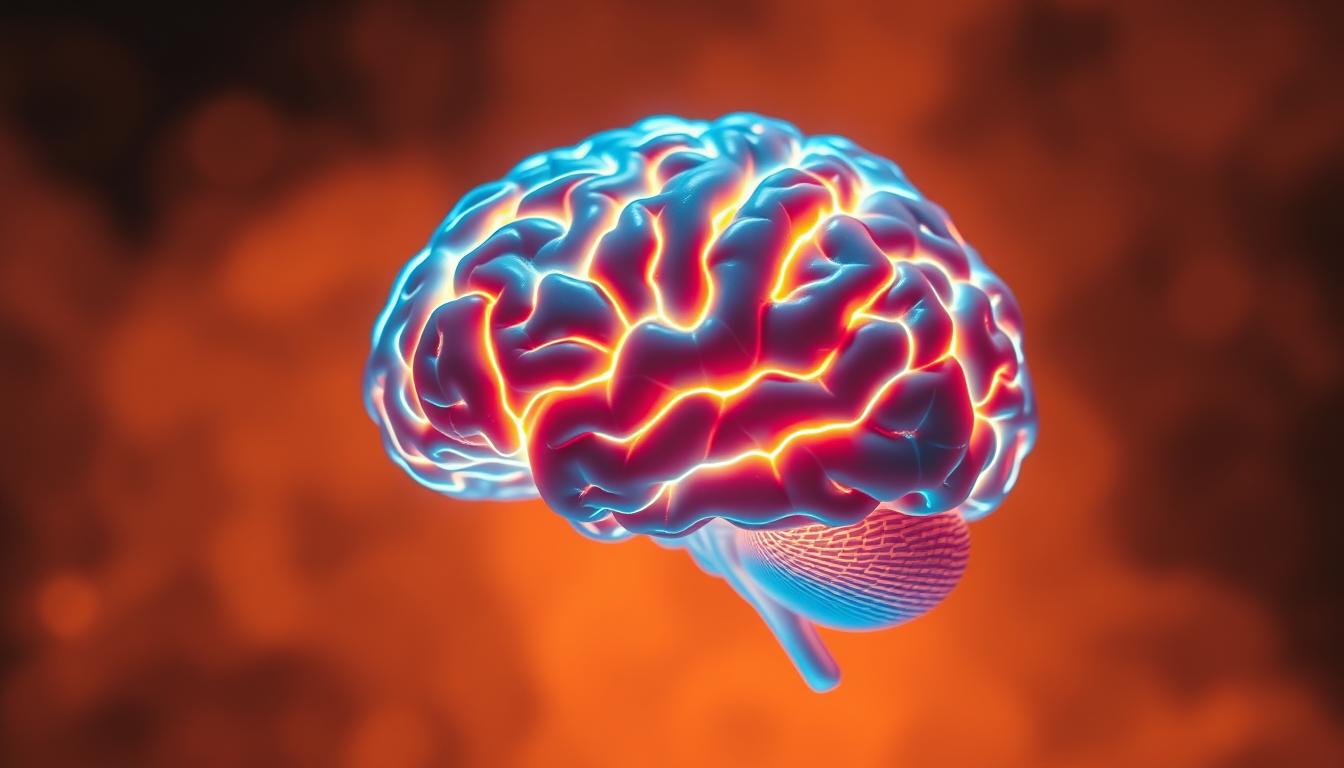
A day without food changes more than just your metabolism. It also changes how your brain works. You’ll notice better mental performance, focus, and brain strength.
The BDNF Boost: Your Brain’s Growth Catalyst
After 12-18 hours of fasting, your brain starts making more brain-derived neurotrophic factor (BDNF). This protein helps your brain grow and stay healthy. Studies show BDNF can go up by 50-400% during long fasts.
Neuroprotective Powerhouse
Higher BDNF levels offer three main benefits:
- They make your brain cells stronger against damage
- They help your brain learn and adapt better
- They fight off inflammation that can harm your brain
This might be why people who fast often say they think more clearly and remember things better.
Mental Clarity: From Fog to Focus
As you fast, you’ll notice your mind getting clearer:
- You’ll feel more alert around hour 14-16
- You’ll stay focused without getting tired
- You’ll solve problems better after hour 20
Switching to ketones for energy makes your brain work better. Unlike sugar, ketones give you steady energy for longer focus. Many say it’s like their brain is in a flow state, making hard tasks easier and distractions less.
Important note: These changes depend on how well you stay hydrated, sleep, and your health before fasting. First-timers might need 2-3 tries to see these benefits fully.
Physical Performance and Exercise Considerations

Fasting changes how you perform in workouts. It affects endurance and strength. But, with the right plan, you can stay active and strong.
Endurance Capacity During Fasting
Fat becomes your main fuel after glycogen runs out, around 12 hours. Aerobic performance might get better as you use fat more efficiently. But, high-intensity workouts might feel tougher at first.
It’s best to do endurance workouts after 16 hours. This is when ketone production is highest. Light to moderate activities like cycling or brisk walking are usually okay during fasting.
Strength Training Adaptations
Your muscles work well even when fasting. Autophagy helps keep muscle tissue healthy by fixing damaged proteins. Here are tips for effective workouts:
- Focus on compound movements over isolation exercises
- Reduce volume by 10-15% if needed
- Do workouts during peak adrenaline hours (usually late morning)
Heavy lifting is possible, but be careful not to get dizzy. Eating protein after your workout is key.
Hydration and Electrolyte Needs
Sweating leads to mineral loss, and fasting limits food intake. Here’s what to aim for:
| Mineral | Daily Target | Sources |
|---|---|---|
| Sodium | 3,000-5,000 mg | Sea salt, broth |
| Potassium | 2,000-4,000 mg | Avocado, spinach |
| Magnesium | 400-600 mg | Supplements, nuts |
Put a bit of salt in your water during exercise. Watch for muscle cramps or headaches. These are signs you need more electrolytes. Herbal teas and mineral water can help stay hydrated without breaking your fast.
Immune System Responses to Fasting

When you fast for 24 hours, your body starts a big clean-up. It makes your immune system stronger and less active. This helps your body focus on important tasks and save energy for repairs.
White Blood Cell Recycling
During fasting, your body starts a cellular cleanup program called autophagy. It breaks down old or damaged white blood cells. This makes new immune cells from the broken-down ones.
Your bone marrow makes fresh lymphocytes and neutrophils. These new cells fight infections better than the old ones. This might be why fasters often get sick less often.
Inflammation Reduction Effects
Fasting lowers inflammation markers like C-reactive protein and interleukin-6. Your body makes less cytokines and more anti-inflammatory compounds. This helps reduce chronic inflammation.
Ketone production and less sugar intake help too. Ketones reduce inflammation and make cells more responsive to antioxidants. People with autoimmune diseases may see their symptoms improve.
Digestive System Reset During Fasting
When you stop eating for 24 hours, your digestive system gets a break. It moves from always working to repairing itself. This pause leads to two big changes: a balance in gut bacteria and better intestinal walls.

Gut Microbiome Changes
Your gut is a battleground of microbes during fasting. Good bacteria like Lactobacillus and Bifidobacterium grow. They:
- Break down fiber into short-chain fatty acids
- Outcompete bad microbes for resources
- Make butyrate to strengthen the gut barrier
Studies show fasting cuts down bad bacteria and boosts diversity by up to 30%. This reset improves how you absorb nutrients and reduces bloating when you start eating again.
Intestinal Lining Repair
Your gut lining gets a much-needed repair during fasting. Three important processes start:
- Tight junction reinforcement: Protein networks between cells get stronger, lowering “leaky gut” risks
- Mucosal layer regeneration: Goblet cells make new protective mucus
- Damaged cell removal: Autophagy gets rid of bad intestinal cells
These changes make your gut lining stronger against toxins and undigested food. Most people feel less digestive discomfort after fasting as their gut lining becomes more resilient.
Psychological Effects of a 24-Hour Fast
Fasting for 24 hours is more than just a test for your body. It changes how you see hunger and tackles emotional eating habits. This mental shift often uncovers surprising truths about your food relationship, from snacking habits to stress management.

Mastering Hunger Signals
Your brain makes hunger feel stronger as mealtime approaches. But, these feelings lessen in a pattern. Studies show ghrelin levels peak around typical eating hours, then drop a lot after 20 minutes if you stay hydrated and focused. Here are some tips backed by science:
| Technique | Effectiveness | Time to Result |
|---|---|---|
| Sparkling water intake | Reduces hunger by 27% | 15 minutes |
| Mindful breathing | Lowers stress-eating urges | 5-10 minutes |
| Light physical activity | Diverts mental focus | Immediate |
Many people feel a “mental clarity surge” around hour 18. At this time, the body stops focusing on digestion. “You realize hunger isn’t an emergency—it’s just data,” says Dr. Elena Marcos, a nutritional therapist.
Rewiring Food Emotions
Without food as a stress reliever, you notice emotional triggers more. Studies show 68% of people find hidden eating patterns during fasting, like:
- Snacking when bored
- Using meals to avoid stress
- Eating too much to celebrate
“Fasting acts as a mirror, reflecting how we use food beyond nourishment. The quiet between meals teaches self-trust that carries into daily choices.”
This newfound awareness helps build better habits. After fasting, many start practices like 5-minute mindfulness checks before eating or keeping an emotion-food journal. This helps keep their mental benefits.
Breaking Your Fast Safely and Effectively
How you start eating after a 24-hour fast is key. It affects your results and how you feel. We’ll look at ways to make this transition easy and keep the benefits of fasting.
Ideal First Foods and Nutrients
Begin with foods that are easy to digest and full of nutrients. Bone broth gives you collagen and electrolytes. Steamed vegetables like zucchini add fiber without upsetting your stomach. A 2023 Nutrition Journal study suggests these foods are best:
| Food Type | Key Nutrients | Benefits |
|---|---|---|
| Fermented yogurt | Probiotics, calcium | Supports gut microbiome |
| Avocado | Healthy fats, potassium | Restores energy gently |
| Soft-boiled eggs | Protein, choline | Maintains muscle mass |
Stay away from heavy proteins and raw salads at first. “Your digestive enzymes need time to reactivate,” says dietitian Lara Fields. Eat small amounts, about 1/2 cup, for your first meal.
Common Refeeding Mistakes
Many people mess up by:
- Eating sugary snacks that raise insulin levels
- Having big meals that cause bloating
- Choosing processed carbs over whole foods
“Refeeding syndrome risks increase when electrolytes aren’t prioritized after prolonged fasting.”
Meal Timing Strategies
Follow this phased approach:
- Hour 0-1: Hydrate with electrolyte water
- Hour 1-2: Consume broth or fermented foods
- Hour 3-4: Introduce soft proteins/fats
- Hour 6+: Resume normal eating patterns
Wait at least 45 minutes between each food stage. This helps your body smoothly move from fasting to eating. It also helps you absorb nutrients better.
Common Myths About 24-Hour Fasting
Misinformation about intermittent fasting often clouds its benefits. Let’s clear up three common myths that might stop you from trying a 24-hour fast.
The Truth About “Starvation Mode”
Your metabolism doesn’t slow down during a 24-hour fast. Research shows it might even increase a bit as your body uses fat for energy. The fear of “starvation mode” is usually about long-term, severe calorie restriction.
Your body doesn’t conserve energy the way people think. While basal metabolic rate might drop by 4-6% after 72 hours, this doesn’t happen in shorter fasts. Short-term fasting actually triggers good stress responses, not panic.
Muscle Preservation Realities
The fear of losing muscle during short fasts is based on old ideas. Human growth hormone levels skyrocket by up to 1,300% in women and 2,000% in men during 24-hour fasts. This helps protect your muscles. Your body mainly uses fat when glycogen runs out.
Protein breakdown does increase a bit, but your body also builds more protein when you eat again. Adding resistance training and enough protein during eating times helps keep your muscles strong.
Fasting vs. Simple Calorie Cutting
Fasting and calorie cutting both reduce calorie intake, but fasting has special benefits:
- Enhanced autophagy (cellular cleanup)
- Improved insulin sensitivity
- Distinct hormone fluctuations
Just cutting calories doesn’t offer the same benefits as fasting. Time-restricted eating lets you eat bigger, more satisfying meals while staying nutritionally balanced. This is a big difference from constant dieting.
Who Should Avoid 24-Hour Fasts?
While 24-hour fasting can offer health benefits, it’s not suitable for everyone. Your medical history, current health status, and life stage are key. They help decide if fasting is right for you. Let’s look at when fasting for a full day might not be good.
Medical Conditions That Require Caution
Diabetes management is a big concern. If you use insulin or certain medications, fasting can cause dangerous blood sugar drops. People with Type 1 diabetes are at risk of diabetic ketoacidosis due to increased ketone production.
Heart disease patients should talk to their cardiologist first. Fasting can lead to electrolyte imbalances that affect heart rhythm. Those with a history of eating disorders should also avoid fasting to prevent relapses.
- Chronic kidney disease (alters fluid/electrolyte balance)
- Liver disorders (impairs detoxification processes)
- Autoimmune conditions requiring regular medication
Special Groups Needing Nutritional Support
Pregnant and breastfeeding women need consistent nutrients. Fasting can harm fetal development or milk production. Growing adolescents need steady energy for growth and development – fasting can create nutritional gaps.
Older adults face higher risks of muscle loss. A 24-hour fast might speed up sarcopenia when protein intake stops. Competitive athletes in training cycles also need regular fuel to maintain performance and recovery.
If you’re recovering from surgery or managing chronic pain, your body needs enough calories for healing. Always discuss fasting plans with your healthcare provider, if you have:
- History of fainting or low blood pressure
- Recent hospitalizations for metabolic issues
- Prescriptions requiring food intake
Conclusion
A 24-hour fast starts important health changes at the cell level. Your body starts using fat instead of sugar and cleans cells. This helps your body stay flexible and healthy over time.
Short-term fasting can make your brain work better by boosting BDNF. It also gives your digestive system a break. Even occasional fasting can lower inflammation and boost your immune system. Make sure to eat nutrient-rich foods when you break your fast.
Fasting isn’t for everyone, but it can help with weight and blood sugar control if you’re healthy. Mix fasting with healthy eating and drinking for lasting benefits. Keep an eye on your energy and talk to a doctor if you’re fasting often.
Share your fasting stories in the comments or check out more on intermittent fasting. Your time-restricted eating might offer benefits beyond regular diets. Pay attention to your body’s signs for safer, more effective fasting.