Did you know 9 out of 10 Americans feel strong food cravings every week? That midnight ice cream craving or sudden need for salty snacks isn’t just random. It’s your body trying to tell you something important.
These urges mix biological signals with psychological triggers. They shape the choices you make every day.
Studies show cravings often show nutritional gaps, hormonal changes, or emotional patterns. For instance, wanting chocolate might mean you need more magnesium. Feeling the urge for carbs could mean your serotonin levels are off.
Even how well you’re hydrated can affect your cravings. Those late-night potato chip cravings might be your body asking for electrolytes.
But here’s the interesting part: Your brain can confuse emotional needs with hunger. Feeling stressed and wanting sweets? That’s your brain looking for comfort, not food. By learning to decode these signals, you can tackle the real issues instead of just covering them up.
Key Takeaways
- 90% of people experience regular cravings linked to biological or emotional triggers
- Specific food urges often correlate with nutrient deficiencies or hormonal changes
- Stress and fatigue amplify cravings through cortisol-driven appetite pathways
- Practical response strategies include hydration checks and balanced meal timing
- Mindful eating techniques help distinguish physical hunger from emotional needs
This isn’t about willpower—it’s about understanding your body’s language. As we dive into the science behind cravings, you’ll find ways to turn chaotic urges into smart choices that support your health.
The Science Behind Food Cravings
That 3 PM chocolate urge or midnight chip craving isn’t random. It’s your brain’s ancient survival software meeting modern food science. To decode food cravings, we’ll look at how neurochemistry and evolution shape your appetites.
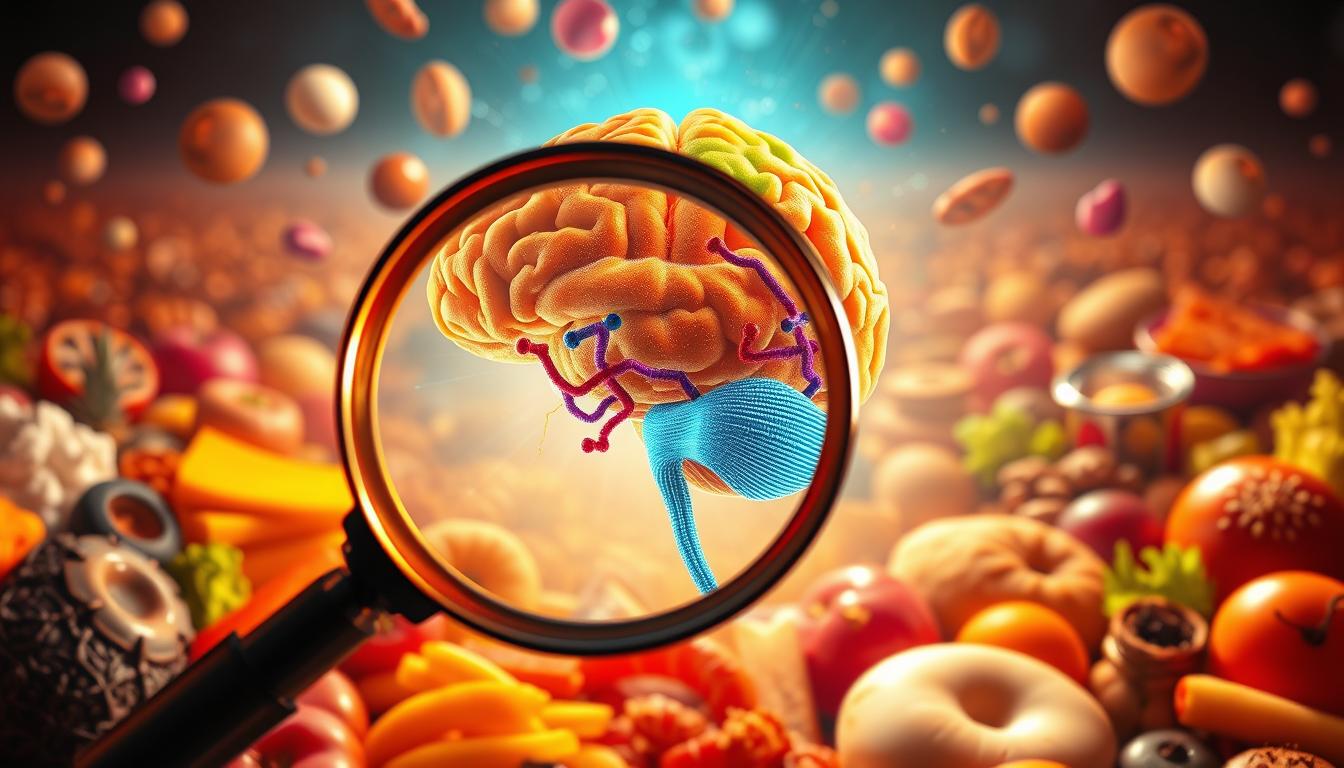
Neurochemical Drivers of Urgent Desires
Dopamine’s Role in Reward-Seeking Behavior
When you eat a cookie, dopamine floods your brain. This “feel-good” chemical links certain foods to pleasure. Research from McGill University shows sugary foods trigger 2.5x stronger dopamine responses than whole foods. This is why candy bars seem so irresistible.
“Dopamine surges create a biological memory of pleasure that your brain seeks to repeat.”
Serotonin Imbalances and Carb Cravings
Low serotonin levels, common during stress or poor sleep, drive carb cravings. These foods temporarily boost serotonin, creating a soothing effect. But the crash that follows often leaves you reaching for more.
Evolutionary Roots of Craving Mechanisms
Survival Advantage of Calorie-Dense Preferences
Your ancestors survived famine by craving energy-rich foods. Fat and sugar were rare treasures, making those who sought them more likely to thrive. Today, this instinct backfires in a world of 24/7 snack access.
| Ancestral Environment | Modern Environment | Impact |
|---|---|---|
| Seasonal fruit availability | Year-round candy aisles | Overconsumption |
| High-activity lifestyles | Sedentary work culture | Calorie surplus |
| Whole food diets | Ultraprocessed dominance | Nutrient gaps |
Modern Food Environment Mismatch
Your brain’s 200,000-year-old wiring struggles with today’s hyperpalatable foods. Flavors engineered to bypass natural satiety signals create the cravings and nutrition connection dilemma. Your body seeks nutrients but gets empty calories instead.
Emotional vs. Physical Hunger: Knowing the Difference
Do you eat to satisfy your body or your emotions? It’s important to know the difference. Recognizing the source of your cravings helps you make better choices. Let’s look at some practical ways to understand these signals.

7 Telltale Signs of Emotional Eating
Emotional eating patterns often show subtle signs. Look out for these warning signs:
- Hunger appears within minutes of stress
- You crave only specific textures or flavors
- Eating continues despite physical fullness
Sudden Onset vs Gradual Hunger
True hunger grows slowly, like a pot simmering. Emotional cravings are sudden and urgent. If you suddenly want pizza but settle for grilled chicken, it’s emotional hunger.
Specific Food Fixation Indicators
Physical hunger accepts many foods. Emotional hunger wants exact foods: “Only chocolate chip cookies will do.” This shows it’s about emotional needs, not hunger.
Body Wisdom: Recognizing True Nutritional Needs
Learning to listen to your body signals leads to food freedom. Try these methods backed by research:
Physical Hunger Scale Techniques
Rate your hunger from 1 (starving) to 10 (stuffed). Eat when you’re at 3-4, stop at 6-7. This scale helps avoid overeating and snacking.
Mind-Body Scanning Exercises
Pause before eating. Ask yourself: “Is my stomach growling?” “When did I last eat?” “Could I enjoy an apple?” If yes, it’s physical hunger. Emotional hunger says no to healthier choices.
Understanding What Your Cravings Are Really Telling You
Your sudden urge for specific foods is like a coded message. It tells you about nutritional gaps and emotional needs. Let’s explore two common craving patterns and what they mean.

Chocolate Cravings Interpretation
Chocolate cravings are not just about sweetness. Theobromine in cocoa affects your brain chemistry. This can mean two things.
Magnesium Deficiency Signals
Dark chocolate has magnesium, a mineral many lack. If you crave chocolate during stress, try these magnesium-rich foods first:
- Almonds (80mg per ounce)
- Spinach (157mg per cooked cup)
- Pumpkin seeds (150mg per ounce)
Emotional Comfort Needs
Chocolate boosts dopamine, which we seek in low moods. Ask yourself: “Would a walk or phone call with a friend satisfy this urge?” This pause-and-reflect technique can reduce emotional eating by 31%.
Salty Food Urges Decoded
Craving potato chips or pretzels? It might signal adrenal stress or mineral imbalance. Sodium affects blood pressure, making this craving key.
Adrenal Fatigue Connections
Chronic salt cravings could mean overworked adrenal glands. These glands handle stress hormones and need sodium. Consider:
- Reducing caffeine intake
- Incorporating sea vegetables like kelp
- Testing cortisol levels with a healthcare provider
Electrolyte Imbalance Solutions
Post-workout salt cravings often mean lost electrolytes. Instead of chips, try:
- Coconut water (contains natural sodium + potassium)
- Celery sticks with almond butter
- Hydration tablets with balanced minerals
Understanding cravings needs both nutrition and emotional awareness. Keep a food-mood journal for three days. You might find surprising links between cravings and needs.
Nutritional Deficiencies Linked to Specific Cravings
Ever felt a sudden urge for chocolate or steak? It might not just be a whim. Our bodies could be trying to tell us something. Research shows cravings can be biological signals, but experts warn not to jump to conclusions.

Sugar Cravings and Chromium Needs
Craving sweets? It might be a sign of blood sugar issues. Chromium, a trace mineral, helps insulin work right. Low chromium levels can make you crave sugar more.
Blood Sugar Regulation Mechanisms
Chromium helps cells use glucose well. Without enough, blood sugar levels can swing wildly. This can lead to constant energy crashes, making you grab quick fixes like cookies or soda.
Food Sources of Essential Minerals
Here are natural ways to boost chromium:
- Broccoli (1 cup provides 22% DV)
- Turkey breast (3 oz offers 14% DV)
- Apples with skin (1 medium contains 15% DV)
A study showed babies choose foods rich in chromium when they’re low. It’s like our bodies guide us to what we need.
Red Meat Urges and Iron Deficiency
Craving burgers or steak? It might mean you’re low on iron, which is common in menstruating women. Iron deficiency affects 1 in 5 American women, leading to strong meat cravings.
Anemia Warning Signs
Look out for these signs:
- Unusual fatigue despite enough sleep
- Pale skin or inner eyelids
- Shortness of breath during simple tasks
Plant-Based Iron Alternatives
For those who don’t eat meat, try these iron-rich foods with vitamin C to enhance absorption:
- Lentils (6.6 mg per cooked cup)
- Spinach (6.4 mg per cooked cup)
- Tofu (3.4 mg per ½ cup)
Not all cravings are about nutritional needs. Stress, habits, and environment also play parts. Use these tips as a starting point, not a final answer.
The Gut-Brain Connection and Cravings
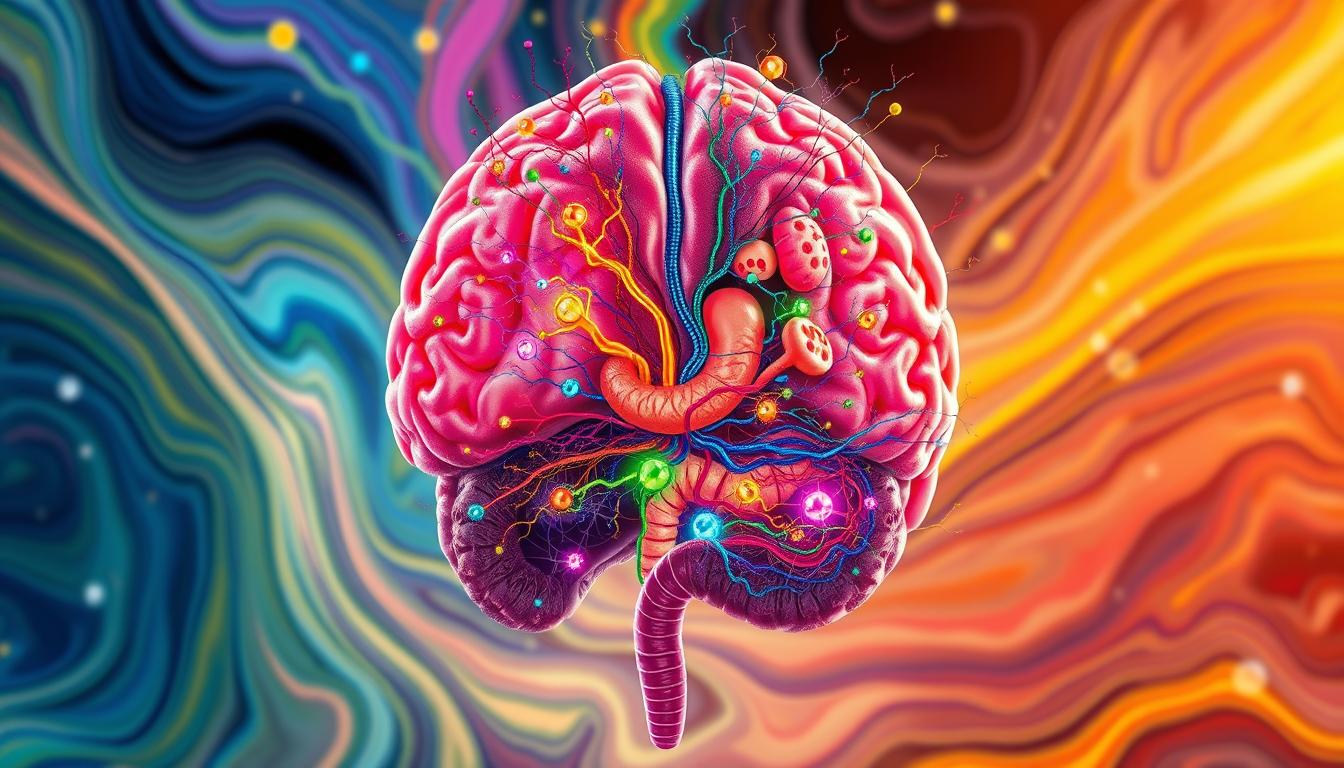
Your gut does more than just digest food. It also shapes your cravings by talking to your brain. This connection uses special pathways and signals to tell you what to eat. Almost 90% of serotonin, which makes you feel good, is made in your gut.
When your gut’s balance is off, these signals can make you crave certain foods more.
Microbiome Influence on Food Choices
Your gut bacteria are always critiquing your food choices. They send messages through the vagus nerve to ask for their favorite foods. Sugar-loving bacteria might make you want cookies in the afternoon. On the other hand, fiber-loving bacteria might make you crave veggies.
Probiotic Strains That Reduce Sugar Cravings
Not all probiotics are created equal when it comes to fighting cravings. Lactobacillus rhamnosus helps with sugar cravings by improving how your body handles glucose. Bifidobacterium longum can also help by reducing anxiety eating. Here are some science-backed options:
- Fermented foods: Kimchi, kombucha, yogurt with live cultures
- Supplements: Look for CFUs (colony-forming units) above 10 billion
Fiber’s Impact on Satiety Signals
Fiber is a double agent in the battle against cravings. Soluble fiber slows down digestion, while insoluble fiber adds bulk. Both types trigger stretch receptors in your stomach, sending a “full” signal to your brain.
For the best results:
- Start meals with high-fiber veggies
- Choose whole fruits over juices
- Swap white rice for quinoa or barley
Stress, Cortisol, and Comfort Food Cravings

Your late-night ice cream craving might be less about hunger and more about hormones hijacking your brain. Chronic stress leads to cravings for calorie-dense foods. Understanding this helps you find healthy responses to cravings that tackle the root causes.
Hormonal Pathways to Emotional Eating
Cortisol, your body’s stress hormone, increases hunger and drives cravings for fatty, sugary foods. Studies show that high cortisol levels boost dopamine-seeking behavior by 40%. This is why deadlines often lead to mindless snacking:
“Chronic stress creates a feedback loop where cortisol-driven cravings temporarily lower anxiety, reinforcing emotional eating patterns.”
Cortisol Management Techniques
Break the stress-eating cycle with these science-backed strategies:
- Practice 4-7-8 breathing (inhale 4 seconds, hold 7, exhale 8) to lower cortisol within 90 seconds
- Schedule 22-minute walks – studies show this duration optimally reduces stress hormones
- Follow the American Heart Association’s 30% fat intake guideline to stabilize mood swings
Adaptogen Supplements for Stress Relief
These natural compounds help regulate cortisol without pharmaceutical side effects. Consider these top options:
| Adaptogen | Key Benefit | Daily Dose |
|---|---|---|
| Ashwagandha | Reduces cortisol by 28% | 500mg capsule |
| Rhodiola | Improves stress resilience | 200mg extract |
| Holy Basil | Balances blood sugar cravings | 2 cups tea |
Pair adaptogens with consistent sleep schedules – research shows maintaining regular bedtimes lowers emotional eating triggers by 33%. For lasting results, combine these biological interventions with mindful eating practices discussed later.
Sleep Deprivation’s Impact on Appetite Signals
Your late-night scrolling habit might be hijacking your hunger hormones more than you realize. When sleep quality drops, your body’s appetite regulation system goes into chaos mode – and your cravings pay the price.

Ghrelin/Leptin Disruption Patterns
Missing just 2 hours of sleep can boost ghrelin (the “hunger hormone”) by 15% while slashing leptin (the “fullness signal”) by 18%. This hormonal double-whammy explains why you reach for carb-heavy snacks after restless nights. Research shows this imbalance spikes cravings for:
- Sugary breakfast pastries
- Salty processed snacks
- High-fat comfort foods
Sleep Hygiene for Craving Control
Improving sleep quality can reset your hunger hormones in under 72 hours. Try this science-backed routine:
- Set consistent bed/wake times (even weekends)
- Power down screens 90 minutes before bed
- Keep bedroom temperature at 65-68°F
- Practice 4-7-8 breathing: Inhale 4s, hold 7s, exhale 8s
The serotonin-sleep connection means better rest also stabilizes mood-related cravings. Tools like the Care& app’s sleep tracker help spot patterns between restless nights and next-day food urges. Remember: Listening to your body signals starts with giving it the recovery time it needs to send clear messages.
Hydration Myths: When Thirst Masquerades as Hunger
Your body can sometimes trick you. That sudden urge for chips or cookies might really be your body asking for water. Studies show 37% of people mistake thirst signals for hunger, leading to extra snacking and calories.
This mix-up happens because the brain’s pathways for thirst and hunger overlap.

Body’s Fluid Signal Confusion
The hypothalamus controls both thirst and hunger. This can sometimes lead to confusion. When you’re dehydrated, your blood volume drops a bit. Your brain might think this means you need food.
Mild dehydration also reduces metabolic efficiency. This makes cravings feel more urgent.
A 2023 University of Connecticut study found drinking water before meals cut calorie intake by 19%. This shows how staying hydrated helps understand your body’s true needs.
Hydration Check Protocol
Here’s a 3-step method for when cravings hit:
- Drink 8 oz of water
- Wait 15 minutes
- Check your hunger again
Keep track of your results in a notebook. You’ll see patterns where thirst leads to cravings. People often crave salty foods after exercise. They might need electrolyte-rich fluids instead of snacks.
Mindful Eating Strategies to Decode Cravings
Cravings are more than just a test of willpower. They need a thoughtful approach to understand their true meaning. By adopting mindful eating habits, you can pause before acting. This pause turns cravings into chances to learn more about yourself.

RAIN Technique for Craving Awareness
This four-step method helps you deal with cravings without judgment. It’s based on psychological research and builds your emotional strength:
- Recognize: Acknowledge the craving (“I’m feeling a sugar craving”)
- Allow: Accept the feeling without fighting it
- Investigate: Look into what’s causing the craving
- Nourish: Pick a response that fits your goals
“Urge-surfing—watching cravings like waves—cuts their strength by 40% in 90 seconds.”
Pattern Recognition Exercises
Use this simple framework to track your experiences:
| Time | Food Craved | Emotion | Activity |
|---|---|---|---|
| 3:00 PM | Potato chips | Boredom | Working at desk |
| 8:30 PM | Ice cream | Loneliness | Watching TV alone |
| 10:00 AM | Donut | Stress | Pre-meeting anxiety |
Research shows journaling for 72 hours uncovers three times more patterns than not tracking. Downloadable templates make it easy—just note time, craving, and setting.
Food-Mood Journaling Methods
Use these techniques to analyze your observations:
- Highlight emotional triggers
- Circle environmental patterns
- Star physical hunger signs
By linking your mindful eating habits with these tools, you gain craving literacy. This means you can understand and manage your urges with purpose.
Healthy Substitutions for Common Craving Triggers

Smart food swaps can satisfy cravings and nourish your body. Choosing nutrient-dense alternatives helps control impulsive eating. This leads to lasting habits. Let’s look at science-backed swaps for sweet and savory cravings.
Sweet Craving Solutions
When sugar cravings hit, these swaps offer satisfaction without the crash:
Dark Chocolate vs Milk Chocolate
Dark chocolate (70%+ cocoa) has 3x more iron and half the sugar of milk chocolate. Its deep flavor is satisfying with smaller portions. Try melting a square into oatmeal or with almonds. The American Heart Association says dark chocolate has heart-healthy flavonoids not found in milk chocolate.
Fruit-Based Dessert Alternatives
- Blend frozen bananas for “nice cream” topped with cinnamon
- Roast apples with walnuts and a drizzle of tahini
- Layer Greek yogurt with berries for a parfait
These options are full of fiber and antioxidants, cutting added sugars by up to 80%.
Savory Craving Alternatives
Crunchy, salty cravings often mean boredom or dehydration. Try these satisfying swaps:
Roasted Chickpeas vs Potato Chips
| Roasted Chickpeas | Potato Chips | |
|---|---|---|
| Protein | 6g per ounce | 2g per ounce |
| Fiber | 4g | 1g |
| Sodium | 180mg | 170mg |
Season with smoked paprika or nutritional yeast for extra flavor.
Nutritional Yeast Benefits
This vegan staple adds a cheesy, umami kick to popcorn or roasted veggies. Just 2 tablespoons provide:
- 8g complete protein
- B vitamins for energy metabolism
- Zinc for immune support
Mix with ground walnuts for a dairy-free “Parmesan” alternative.
These healthy responses to cravings help break the cycle of restrictive dieting. By gradually incorporating substitutions, you train your palate to prefer nutrient-rich foods naturally.
Breaking the Craving Cycle Through Routine
Your daily rhythms have a big impact on food cravings. By matching your eating times with your body’s natural rhythm, you build stability. This stability stops impulsive cravings in their tracks.
Structured routines act like shock absorbers for emotional eating. They help you listen to hunger signals instead of acting on fleeting desires.

Meal Timing Strategies
Setting regular eating times trains your metabolism. It expects food at the same times every day. This stops the blood sugar swings that make cravings worse.
Studies show eating within a 10-hour window can cut down on impulsive snacking by 38%. This is compared to people who snack all day long.
Blood Sugar Stabilization Techniques
- Eat protein-rich breakfasts within 1 hour of waking
- Space meals 3-4 hours apart
- Combine carbs with healthy fats for slower digestion
Environment Design for Success
Your surroundings influence your food choices more than willpower. Scientists found changing just three kitchen things can cut down emotional eating by 26% in a month.
Kitchen Makeover Tips
- Store tempting snacks in opaque containers on high shelves
- Keep pre-cut vegetables at eye level in clear fridge bins
- Use smaller plates for calorie-dense foods
These small changes make healthy choices easier. Remember, routines build momentum. Momentum breaks cycles. Every intentional choice strengthens your control over emotional eating.
The Role of Protein in Managing Sugar Urges
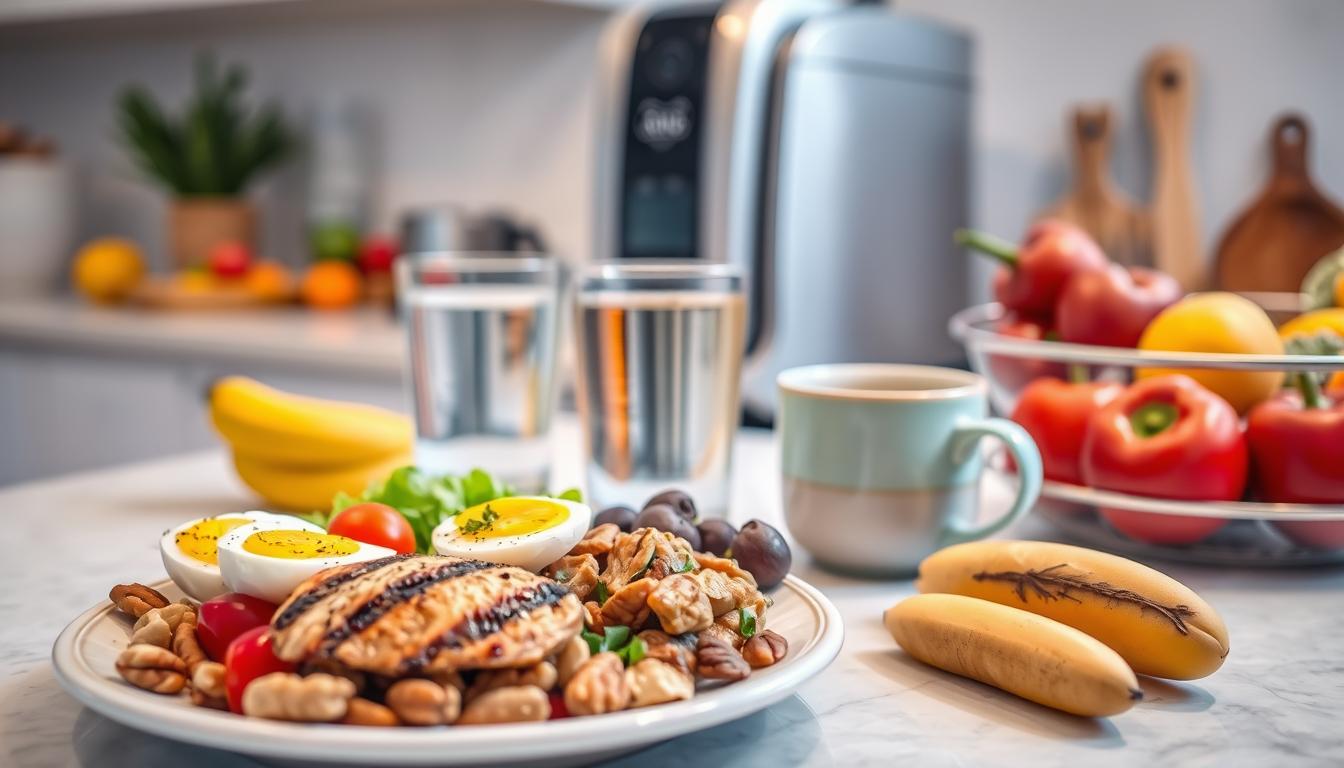
Protein plays a key role in controlling blood sugar levels. It helps balance the chemicals in your brain that make you crave sweets. It also keeps your energy steady. This cravings and nutrition connection shows how eating the right amount of protein can change how you react to sweet foods.
Amino Acids and Satiety Signals
Protein foods have tryptophan, which turns into serotonin, the happiness hormone. More serotonin means less craving for sweets. Studies have found:
- Meals with 20-30g of protein increase satiety hormones for 3-4 hours
- Balanced amino acid profiles blunt blood sugar spikes by 40%
- Regular protein intake supports dopamine production, reducing reward-seeking behaviors
This explains why choosing protein like chicken or Greek yogurt can stop sugar cravings quicker than just trying to resist them.
Optimal Protein Intake Guidelines
When and how much protein you eat matters. Experts say to eat protein within 30 minutes of waking up. Then, eat it every 3-4 hours after that.
Daily Protein Targets
- Sedentary adults: 0.36g per pound of body weight
- Active individuals: 0.5-0.7g per pound
- Post-workout: 20-40g to repair muscles and curb cravings
Eating protein with fiber-rich carbs keeps you full longer. For example, eggs with avocado or salmon with quinoa helps manage sugar cravings for hours.
How Fiber Helps Stabilize Blood Sugar Cravings
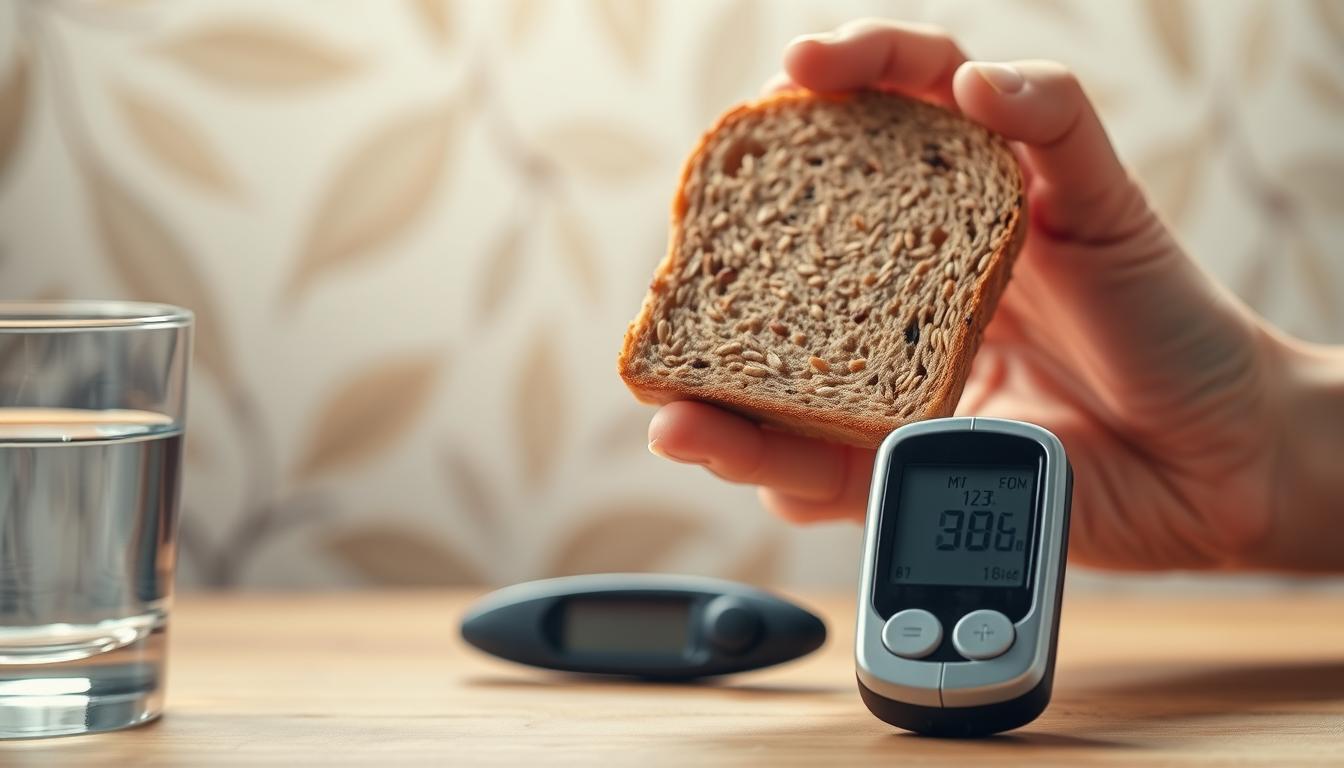
Your midnight cookie cravings might be your body’s way of asking for better blood sugar balance. Fiber acts like a natural traffic controller for glucose absorption. It slows digestion to prevent energy spikes and crashes. This nutrient comes in two forms – each playing distinct roles in managing hunger signals.
Soluble vs Insoluble Fiber Benefits
Soluble fiber turns into a gel-like substance during digestion, trapping sugars and carbohydrates. It’s found in oats, apples, and chia seeds. It:
- Slows glucose absorption by 20-30% (Journal of Nutrition)
- Feeds beneficial gut bacteria linked to reduced sugar cravings
- Helps you feel full for 3-4 hours after meals
Insoluble fiber adds bulk to your meals without breaking down. Whole grains and vegetables provide this roughage. It:
- Speeds food through digestive tract
- Prevents constipation-related appetite confusion
- Requires extra chewing – slowing eating pace
Daily Fiber Intake Targets
Optimal Daily Fiber Goals
The American Heart Association recommends 25g daily for women and 38g for men. Most Americans get only 15g – explaining why 63% report afternoon energy slumps. Build your intake gradually to avoid bloating:
- Breakfast: 1/2 cup oatmeal (4g) + 1 pear (5g)
- Lunch: Black bean salad (8g) with avocado (3g)
- Snack: Almonds (3g) + carrot sticks (2g)
When you listen to your body signals, you’ll notice fewer urgent cravings as blood sugar stabilizes. Pair high-fiber foods with protein sources for longest-lasting satiety effects.
When to Seek Professional Help for Persistent Cravings
Persistent food cravings might signal a health issue. While occasional food cravings are normal, ongoing cravings could mean a problem. Experts suggest tracking cravings for 2-3 weeks before seeing a doctor.
Red Flags for Underlying Conditions
Some symptoms with cravings need quick medical check-ups. The table below shows key signs and what they might mean:
| Symptoms | Possible Condition | Recommended Action |
|---|---|---|
| Constant hunger + weight gain | Thyroid dysfunction | Thyroid panel blood test |
| Craving non-food items | Pica syndrome | Nutritional deficiency screening |
| Guilt after eating + secretive behavior | Eating disorders | Psychological evaluation |
Thyroid Issues Indicators
Hypothyroidism often shows as unrelenting hunger even with enough food. Look out for these signs:
- Fatigue that lasts all day, even after naps
- Unexplained 5+ pound weight change in a month
- Feeling cold in hands and feet
Eating Disorder Warning Signs
Compulsive cravings might be a sign of mental health issues if you notice:
- Food rituals like cutting food into tiny pieces
- Dental erosion from purging
- Staying away from social meals
“83% of patients with atypical cravings showed measurable nutritional deficiencies in clinical testing.”
Get help if cravings affect your daily life or cause physical symptoms. Blood tests for iron, thyroid hormones, and blood sugar can help. For complex cases, a team of dietitians and mental health professionals can offer the best care.
Conclusion
Understanding your cravings can turn random urges into useful insights. Your body sends signals, like craving chocolate for magnesium or salty snacks for electrolytes. The science shows cravings are not weaknesses but messages from your body.
Studies from the Journal of Behavioral Medicine found that being kind to yourself helps manage cravings. Tools like the Care& app’s mood tracker help spot patterns between emotions and food. By tracking meals and cravings, you can turn confusing urges into clear data.
Starting small is key to lasting change. Try swapping refined sugars for dark chocolate-dipped almonds or roasted chickpeas for chips. Eating protein-rich breakfasts helps keep blood sugar stable. Make your environment supportive by keeping healthy foods visible.
Deeper needs might be behind persistent cravings. The American Psychological Association suggests talking to nutritionists or therapists if cravings are a problem. Stay hydrated, pause to think about your needs, and listen to your body without judgment.
Every craving is a clue to what your body needs. Approach them with curiosity, not criticism. By building habits that address the root causes, you can improve your relationship with food. Trust the process of nourishing your body and mind.