Did you know nearly 44% of men and 28% of women between 30 and 60 snore regularly? For many couples, this nighttime habit isn’t just annoying—it can chip away at intimacy and rest. Sleep expert Dr. Omar Ahmed compares the strain to “newborn sleep deprivation,” where exhaustion fuels frustration.
Missing sleep due to a partner’s loud nights affects more than energy levels. It can create tension, leaving both people irritable. The good news? Solutions exist, from medical options to simple lifestyle tweaks. Addressing the issue early helps protect your bond—and your health.
Key Takeaways
- Snoring impacts 25-40% of couples, disrupting rest and emotional connection.
- Sleep deprivation from noise can mirror the stress of caring for a newborn.
- Men snore more frequently, but women also experience it regularly.
- Ignoring the problem may worsen relationship strain over time.
- Effective fixes range from doctor visits to better bedtime routines.
When Snoring Hurts Relationships—And Why It Matters
Sleep disruptions from nighttime noise can silently erode even the strongest bonds. Research shows couples affected by this issue report 23% lower relationship satisfaction, with 68% of non-snorers struggling with daytime fatigue. What begins as restless nights often spirals into emotional distance.
The Toll on Sleep Quality and Emotional Bonds
Dr. Abhinav Singh compares chronic sleep deprivation to “hitting a pothole every night—your body never reaches the restorative deep stages.” When one partner’s loud breathing interrupts the other’s rest, both enter a cycle of lack sleep, leaving them irritable and less patient.
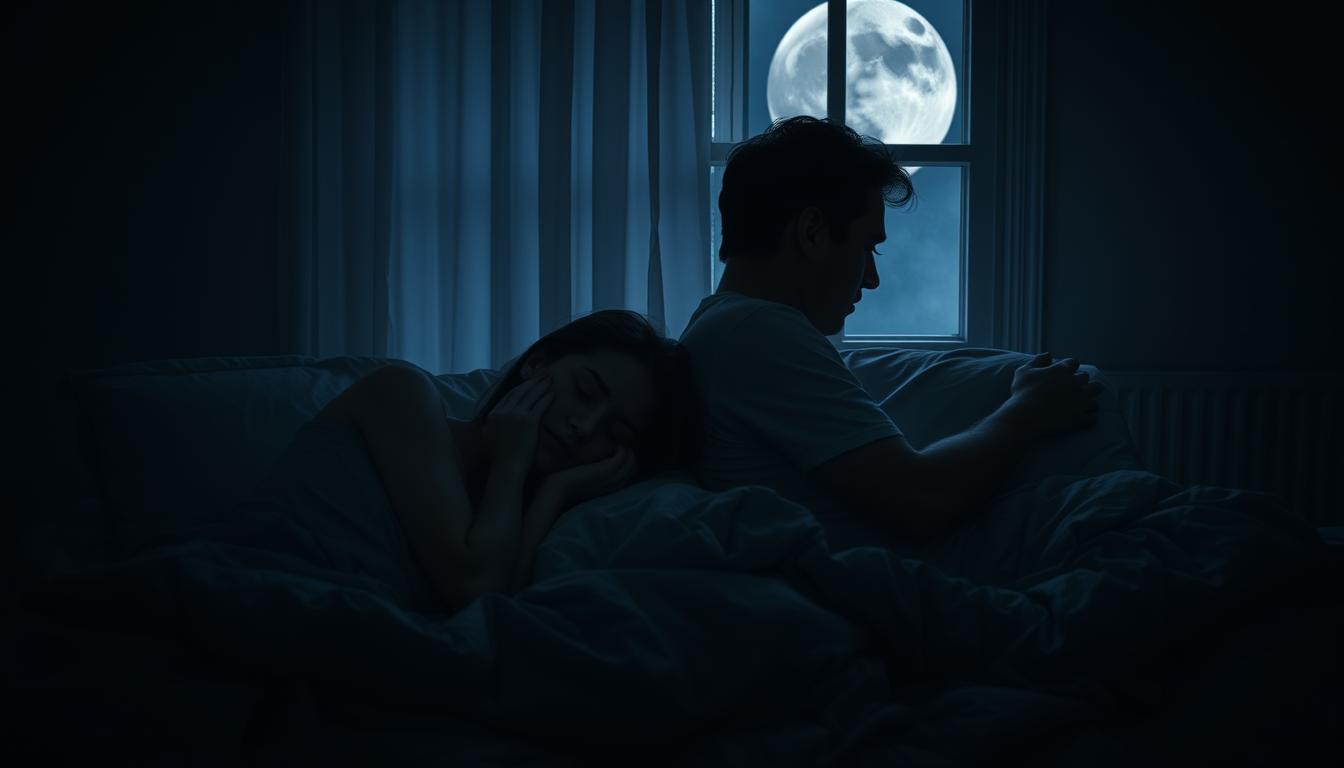
Studies reveal sleep-deprived pairs experience 40% more conflict, as exhaustion amplifies minor disagreements. Nearly 58% of those who snore also feel guilt, creating a shame dynamic that strains intimacy further.
How Resentment Builds Between Partners
Over time, untreated issues like obstructive sleep apnea or throat tissue vibrations can lead to health risks—including obesity and heart disease, per NHLBI data. The non-snoring partner may grow resentful from constant awakenings, while the snorer feels defensive about a problem they can’t control.
Addressing the root cause early prevents small frustrations from becoming relationship fractures. Solutions exist, but recognizing the emotional toll is the first step.
Is It Just Snoring or Sleep Apnea? Key Differences
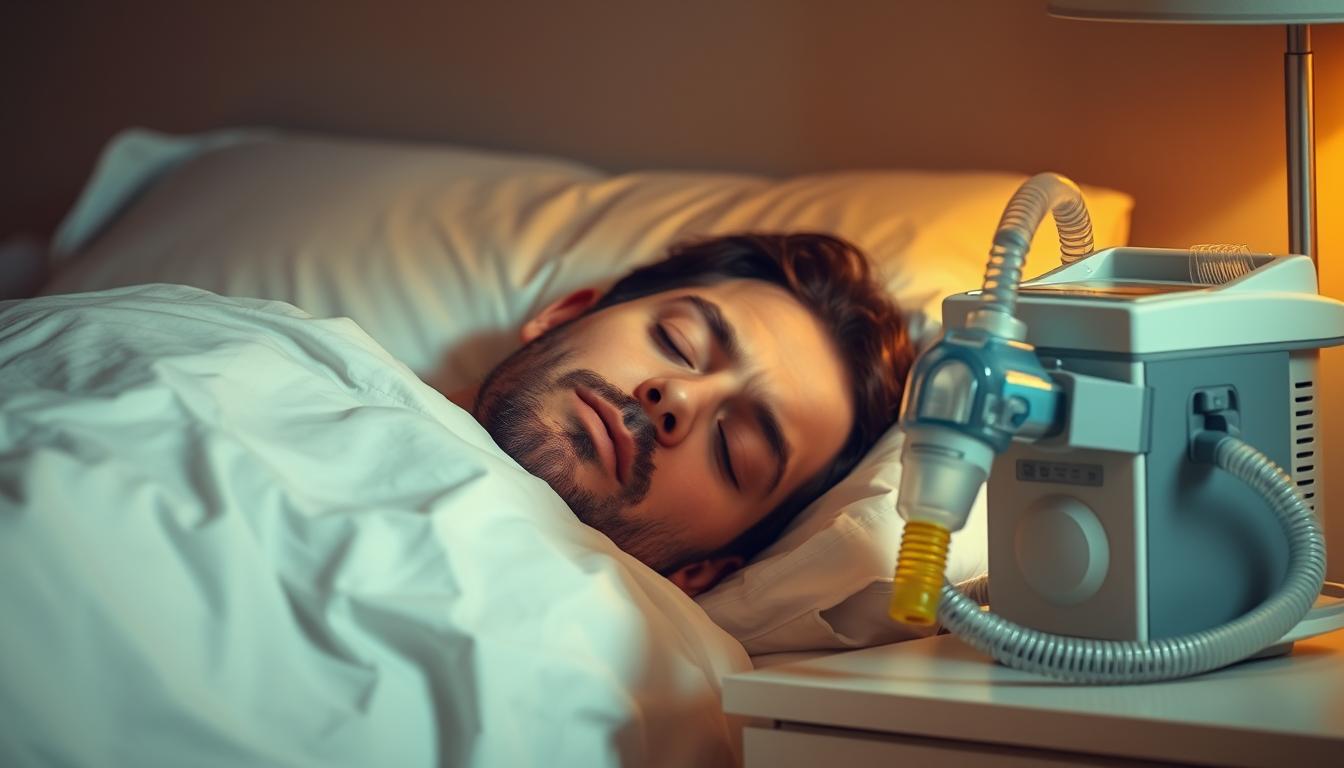
Not all breathing disruptions during sleep are created equal. While primary snoring is common, obstructive sleep apnea (OSA) poses serious health risks. The American Sleep Association notes 80% of moderate-to-severe OSA cases remain undiagnosed, often mistaken for harmless noise.
Symptoms of Obstructive Sleep Apnea
OSA involves repeated airway blockages, causing oxygen drops. Key signs include:
- Gasping or choking sounds (vs. steady snoring)
- Daytime fatigue despite full hours in bed
- Morning headaches or dry mouth
Dr. Ahmed’s checklist helps identify risks:
“If your partner notices pauses in your breathing, it’s time for evaluation.”
Primary Snoring vs. Sleep-Disordered Breathing
Primary snoring vibrates throat tissues without airflow interruption. OSA, however, stops breathing for 10+ seconds, sometimes 30+ times hourly. The AHI scale measures severity:
| Factor | Primary Snoring | Obstructive Sleep Apnea |
|---|---|---|
| Breathing Pauses | None | 5+ per hour (AHI ≥5) |
| Health Risks | Minimal | Hypertension, heart disease |
| BMI Correlation | Low | BMI >30 raises risk 4x |
Nearly 45% of OSA patients have hypertension. Home sleep tests suffice for mild cases, while lab studies track complex symptoms. Addressing OSA early protects both your health and relationship harmony.
How to Diagnose the Root Cause of Snoring
Pinpointing the source of disruptive sleep sounds starts with observation. Whether it’s relaxed tissues in the nose throat area or vibrations in the back throat, identifying the cause guides effective treatment. Begin with at-home checks before considering professional tests.
At-Home Observation Checklist
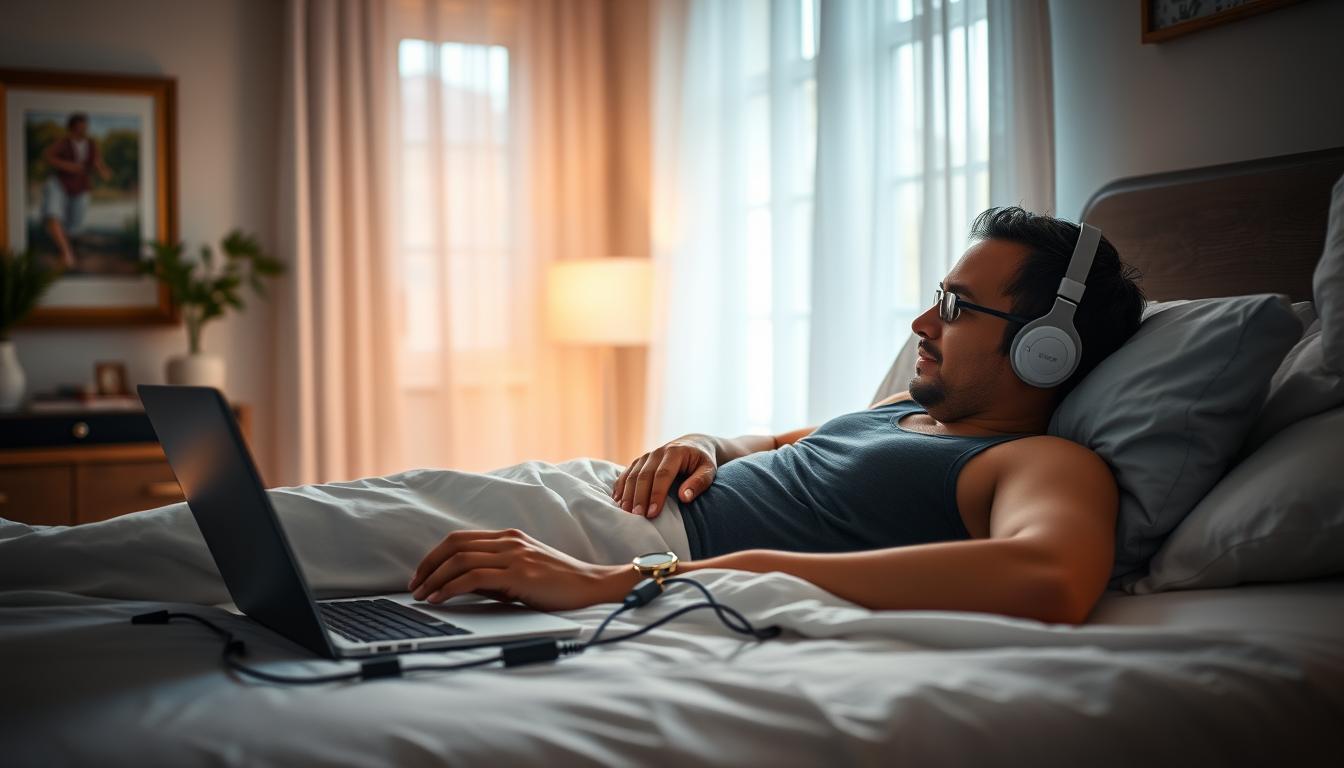
Houston Methodist’s 7-point protocol helps track symptoms:
- Record frequency and volume (ask your snoring partner for feedback).
- Note gasping or choking sounds—potential sleep study triggers.
- Check for morning dry mouth or headaches.
- Monitor daytime fatigue despite full rest.
“Consistent observation over 2–3 weeks reveals patterns. Pauses in breathing? That’s a red flag.”
When to Seek a Sleep Study (and How to Get One)
Home tests like WatchPAT or Noxturnal cost $150–$500, while lab studies run $1,000–$3,000. Insurance often requires pre-authorization. Medicare covers 80% for qualifying patients—call 1-800-MEDICARE for details.
| Factor | Home Sleep Study | In-Lab Study |
|---|---|---|
| Cost | $150–$500 | $1,000–$3,000 |
| Accuracy | Good for mild cases | Gold standard for complex issues |
| Insurance | Often covered | Medicare covers 80% |
Red flags needing ENT referral: chronic congestion, deviated septum, or tonsil enlargement. Early diagnosis protects your health and relationship harmony.
Medical Solutions for Sleep Apnea
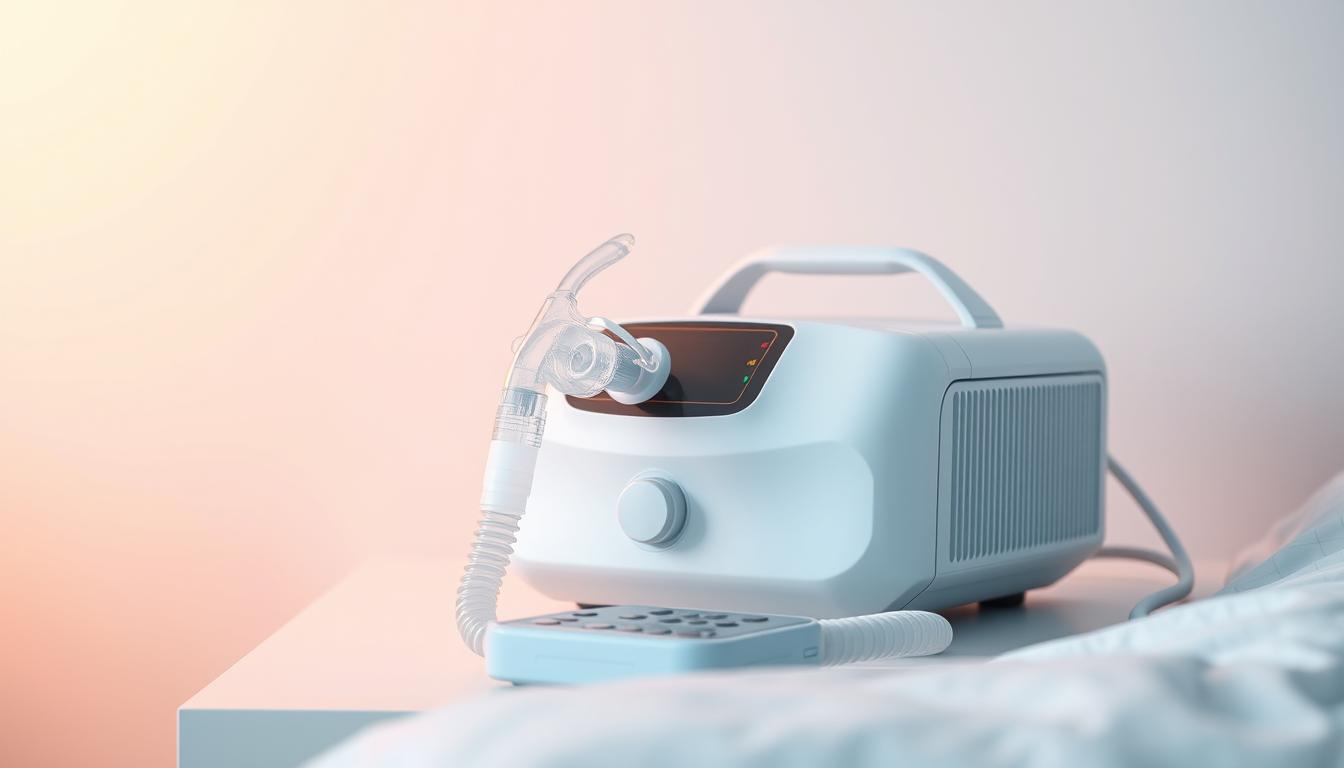
Medical interventions can transform restless nights into peaceful sleep for couples. For those with obstructive sleep apnea, treatments like CPAP machines or surgery address the root cause—keeping the airway open. Studies show consistent CPAP use boosts relationship satisfaction by 31%.
CPAP Machines: Restoring Sleep and Connection
The CPAP device delivers steady air pressure, preventing throat collapse. Top models include:
- ResMed AirSense 11: Auto-adjusts pressure for comfort.
- Philips DreamStation:
Compact with advanced reporting.
“Adherence is the biggest hurdle, but couples who stick with it report deeper sleep and less tension,” notes Dr. Michael Breus. For milder cases, EPAP therapy offers a mask-free alternative.
Surgical and Implant Options
When anatomy is the issue, procedures like these help:
- UPPP surgery: Removes excess nose and throat tissue (40–60% snoring reduction).
- Inspire implant: A tongue stimulator that keeps the airway open during sleep.
- Septoplasty: Straightens a deviated septum (recovery: 2–4 weeks).
For non-invasive fixes, consider FDA-approved oral appliances like the device from SomnoMed. These reposition the jaw to ease breathing.
Lifestyle Changes to Reduce Snoring
Simple daily habits can make a big difference in nighttime noise levels. From diet adjustments to sleep posture, minor tweaks often yield significant results. Start with these evidence-backed strategies.
Weight and Alcohol: Two Major Triggers
Excess weight strains the throat, narrowing the airway. Studies show a 10% weight loss cuts snoring frequency by 50%. Pair this with avoiding alcohol before bed—it relaxes muscles, increasing vibrations.
BMI and snoring correlation:
- BMI
- BMI 25–30: Moderate risk
- BMI >30: High risk (4x more likely)
Swap nightcaps with calming alternatives like valerian root tea or chamomile. Both promote relaxation without worsening sleep disruptions.
Smart Sleep Positions and Pillow Choices
Your position matters. Sleeping on your back lets the tongue block airflow. Side sleeping reduces noise by 15dB. Try the “tennis ball technique”: Sew a ball into pajama backs to discourage rolling over.
Upgrade your pillows for better alignment:
- Tempur-Pedic Neck Pillow: Cradles the head, reducing neck strain.
- MedCline Wedge System: Elevates the upper body to ease breathing.
“A slight incline—just 30 degrees—can dramatically improve airflow.”
Partner Strategies: Coping When You’re Not the Snorer
Living with a loud sleeper doesn’t have to mean sleepless nights. If your partner’s nighttime noise disrupts your rest, these tactics can help. From white noise machines to creative sleep schedules, small changes restore peace.
Blocking Noise: Machines and Earplugs
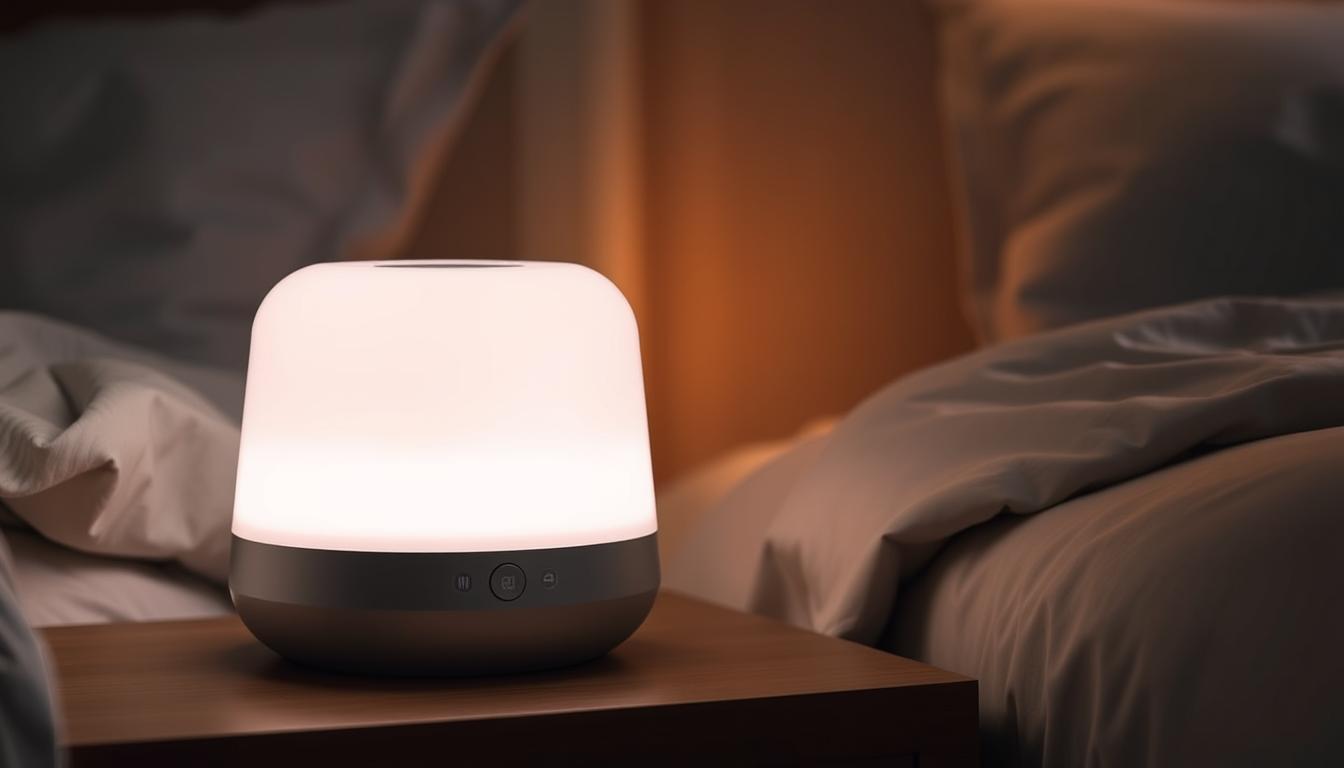
White noise masks disruptive sounds by filling the room with steady ambient sound. The Bose Sleepbuds II reduce snoring perception by 70%. Compare top options:
| Model | Features | Price |
|---|---|---|
| LectroFan EVO | 20 non-looping sounds, 10 fan noises | $69.99 |
| Marpac Dohm Classic | Mechanical fan, adjustable tone | $49.99 |
For ultimate silence, try Mack’s Ultra Soft Foam earplugs (33dB reduction). They mold to your ears without discomfort.
Restructuring Sleep Time and Space
If noise persists, consider staggered bedtimes. A 2022 study found 62% of couples reported improved intimacy after sleep separation. Try this schedule:
- Partner 1: 10 PM–6 AM (light sleeper)
- Partner 2: 11 PM–7 AM (snorer)
“Separate sleeping doesn’t mean emotional distance. It’s about prioritizing health so you’re present during waking hours.”
For small spaces, the IKEA FRIHETEN sofa-bed offers dual functionality. Pair it with a Zoma Hybrid mattress for individualized comfort.
Innovative Anti-Snoring Devices Worth Trying
Modern technology offers practical solutions for disruptive nighttime noise. From discreet nasal strips to advanced pressure systems, today’s options blend comfort with effectiveness. These tools can help maintain relationship harmony while addressing the root causes of sleep disruptions.
EPAP Therapy vs. Traditional CPAP
EPAP (Expiratory Positive Airway Pressure) devices like Theravent provide a mask-free alternative to CPAP machines. Clinical studies show 82% compliance with EPAP versus 54% for traditional CPAP systems, likely due to their compact design.
Key differences:
| Feature | EPAP | CPAP |
|---|---|---|
| Size | Nasal sticker (disposable) | Machine + mask |
| Air Flow | Creates backpressure on exhale | Constant pressurized air |
| Cost | $49/month subscription | $500-$800 initial |
ProperVent EPAP application technique:
- Clean and dry your nose
- Peel adhesive backing
- Apply to nostrils before sleep
Nasal Strips and Oral Appliances
Breathe Right strips improve nasal airflow by 31%, per Stanford research. For jaw-related issues, oral appliances reposition the tongue or lower jaw:
- Zyppah: Combines tongue stabilization with jaw support ($129)
- SnoreRx: Adjustable mandibular advancement device ($99)
- FDA-cleared tongue stabilizers: Good Morning Snore Solution, AveoTSD, SnoreCare
Top-rated options on Amazon:
| Device | Price | Rating |
|---|---|---|
| VitalSleep Mouthpiece | $69.95 | 4.2★ (8,300+ reviews) |
| SnoreMender | $89.97 | 3.9★ (1,100+ reviews) |
“Oral appliances work best for mild-to-moderate cases. Severe apnea still requires medical intervention.”
Conclusion: Reclaiming Restful Nights and Stronger Bonds
Restoring peace in your bedroom starts with practical steps. Follow this three-step plan: diagnose the cause, explore solutions, and reconnect with your partner. Addressing sleep disruptions protects your relationship and long-term health.
Houston Methodist offers couples counseling to navigate this challenge. The Sleep Foundation’s communication guide helps partners discuss needs without tension. Download our free snoring assessment PDF to start your journey tonight.
As Dr. Michael Breus says, “Sweet dreams begin with waking up to the problem—and acting on it.” Take the first step toward quieter nights and a stronger bond today.