Nearly half of U.S. adults experience occasional nighttime noise from relaxed throat tissues, according to Johns Hopkins Medicine. While often dismissed as a minor annoyance, snoring can signal deeper health concerns like obstructive sleep apnea.
Dr. Melissa Lipford of the Mayo Clinic explains that vibrations in narrowed airways create the sound. These occur when muscles relax too much during sleep. Not all cases are alarming, but recognizing warning signs is crucial.
From positional adjustments to medical treatments, solutions exist. Understanding the difference between harmless noise and potential risks helps you take the right steps toward quieter nights.
Key Takeaways
- 45% of adults snore occasionally, per Johns Hopkins data.
- Airway vibrations from relaxed tissues cause the sound.
- Snoring may indicate sleep apnea in some cases.
- Positional therapy can reduce mild instances.
- Consult a doctor if symptoms like gasping occur.
1. Why Do We Snore? The Science Behind the Sound
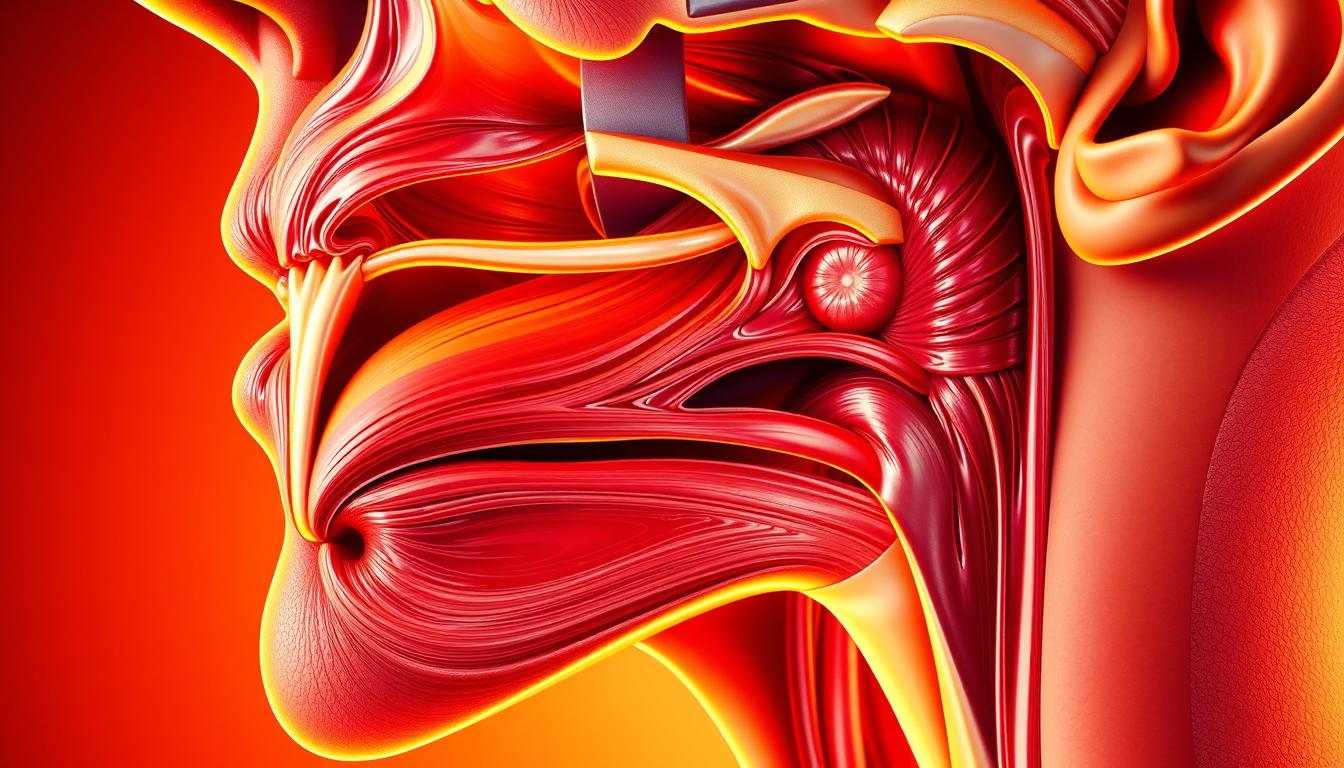
That rumbling noise at night happens when air struggles to move smoothly through your airway. As muscles in your throat relax during sleep, the surrounding soft tissues vibrate. This creates the familiar sound many find annoying.
How Airflow and Tissues Create Noise
During sleep, your tongue and throat muscles loosen. When breathing, air forces its way past these relaxed tissues. Narrowed passages increase resistance, making vibrations louder. Johns Hopkins research shows this affects nearly half of adults occasionally.
“Snoring is essentially a sound produced by obstructed airflow,” explains Dr. Lipford. Mild cases may only need positional changes. But persistent loud snoring could signal obstructive sleep apnea, where breathing stops briefly.
Nasal Issues That Worsen the Problem
A deviated septum or allergies can block nasal passages. This forces mouth breathing, further relaxing throat muscles. Saline rinses or nasal strips often help by keeping airways open.
Simple fixes work for many. Yet if you gasp for air or feel exhausted daily, consult a doctor. Early intervention prevents complications.
“Congestion narrows the airway, increasing snoring intensity.”
2. Sleep Apnea: When Snoring Signals a Serious Problem
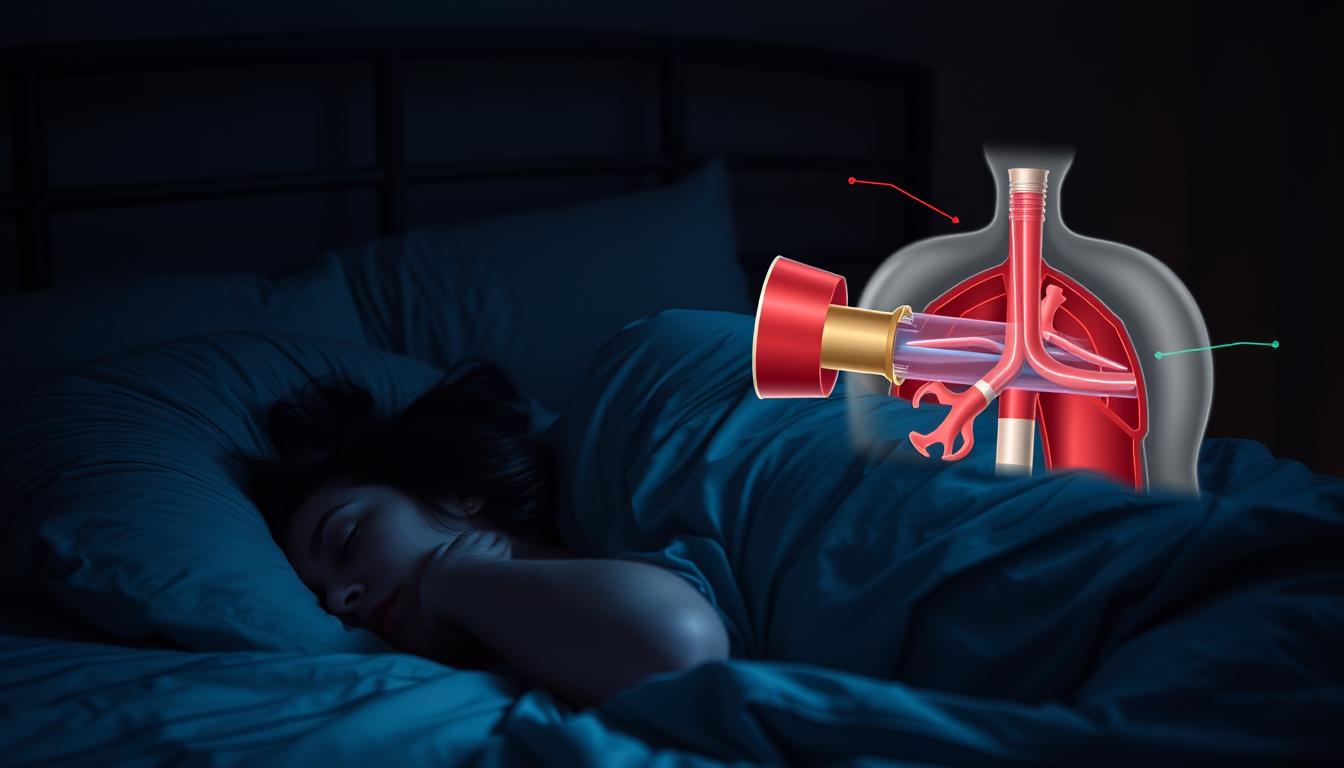
While snoring is common, it sometimes masks a dangerous condition. Obstructive sleep apnea (OSA) affects 26% of adults aged 30–70, causing repeated breathing pauses. Unlike harmless snoring, OSA involves partial throat collapse, starving the brain of oxygen.
Obstructive Sleep Apnea vs. Simple Snoring
OSA isn’t just loud noise—it’s a medical emergency in slow motion. The table below highlights key differences:
| Feature | Simple Snoring | OSA |
|---|---|---|
| Breathing | Continuous | Pauses (30+/hour) |
| Health Risks | Minimal | 46% higher death risk |
| Noise Pattern | Steady | Gasping/silence cycles |
Red Flags: Paused Breathing and Daytime Fatigue
Watch for these symptoms:
- Gasping awake with a racing heart
- Partner reports stop breathing sleep episodes
- Exhaustion despite 8+ hours in bed
Women often experience OSA differently—less snoring, more daytime sleepiness. Untreated, it raises stroke risk by 200%, per NIH research.
“Severe OSA damages blood vessels like uncontrolled hypertension.”
If symptoms match, see a doctor. A sleep study confirms diagnosis, and treatments like CPAP can add years to your life.
3. Lifestyle Habits That Amplify Your Snoring
Your nightly habits could be turning mild snoring into a roaring problem. Daily choices—like drinking, smoking, or carrying extra weight—tighten airways during sleep. Small changes often bring big relief.

Alcohol and Sedatives: Relaxing Too Much
Alcohol depresses throat muscle tone, worsening vibrations. Even one drink before bed can loosen tissues enough to cause noise. Sedatives have a similar effect, creating what Dr. Lipford calls “floppy airway syndrome.”
Action step: Avoid alcohol 3 hours before bedtime. Opt for herbal tea instead.
Smoking’s Impact on Airway Inflammation
Smoking irritates nasal and throat linings, causing swelling. This narrows passages, forcing louder snoring. Chronic inflammation also increases mucus, further blocking airflow.
Key fact: Quitting reduces inflammation in 4–6 weeks, per the American Lung Association.
Weight and Neck Fat’s Role in Airway Pressure
Excess weight, especially around the neck, squeezes airways like a kinked hose. Dr. Lipford notes that neck fat adds “external compression,” raising pressure during sleep.
Proven fix: Losing 7–17 lbs cuts snoring frequency. Shedding 17+ lbs may stop it entirely.
| Habit | Effect on Snoring | Solution |
|---|---|---|
| Alcohol | Over-relaxes throat muscles | Limit to 1 drink, 3+ hours before bed |
| Smoking | Inflames airways | Quit; use nicotine patches if needed |
| Excess Weight | Compresses neck tissues | Aim for 5–10% body weight loss |
“Every pound lost reduces throat tissue bulk, easing airflow.”
4. Surprising Triggers You Might Overlook
Many overlook hidden factors that turn peaceful nights into noisy struggles. Beyond common culprits like alcohol or weight, subtle daily habits tighten airways or relax throat muscles further. Identifying these triggers helps break the cycle.

Sleep Deprivation’s Vicious Cycle
Chronic tiredness weakens throat muscle tone, creating louder vibrations. The Mayo Clinic describes this as a “vicious cycle”—poor sleep worsens snoring, which then disrupts rest. Even two nights of sleep deprivation can trigger trouble.
Fix it: Prioritize 7–9 hours nightly. Power naps under 30 minutes help without deepening the cycle.
Indigestion and Acid Reflux at Night
Lying flat lets stomach acid creep into airways, irritating tissues. Research shows 20% of snorers experience nighttime acid reflux, which inflames passages. Spicy meals or late dinners often fuel this.
Try: Elevate your head 4–6 inches. Avoid eating 3 hours before bed.
Stress and Teeth Grinding
Clenching your jaw (bruxism) during sleep strains neck muscles, narrowing airflow. Stress is a key culprit, but misaligned bites also contribute. The result? Louder snoring and morning headaches.
- Solution: Wear a mouthguard or try relaxation techniques like Dormeasan drops.
- Warning: Sleeping pills mimic alcohol’s muscle-relaxing effects—use sparingly.
“Nighttime reflux silently aggravates snoring by 40% in affected patients.”
5. Anatomical Factors Beyond Your Control
Structural differences in your airways could be the hidden reason behind persistent nighttime noise. Unlike lifestyle-related causes, these factors often require medical intervention for significant improvement.

Deviated Septum and Nasal Congestion
About 80% of people have some septum deviation, according to Third Source research. When severe, this crooked nasal cartilage blocks airflow, forcing mouth breathing that relaxes throat muscles.
Surgical correction (septoplasty) may help if nasal congestion persists despite allergy treatments. ENT specialists can assess whether your anatomy contributes to the problem.
Aging’s Effect on Muscle Tone
Throat muscles naturally weaken with aging—by up to 40% by age 60. This loss of tissue elasticity allows more vibration during breathing. Even healthy adults experience this change.
Menopause accelerates the process due to hormonal shifts. CPAP machines or oral appliances often become necessary to maintain open airways as aging progresses.
“Structural airway issues require professional evaluation—home remedies rarely solve anatomical problems.”
If positional changes don’t help, consult a care provider. They can identify whether congenital features or age-related changes need targeted treatment.
6. How to Tackle Snoring: Practical Solutions
Medical advancements offer powerful tools to combat disruptive snoring. From positional tricks to clinical treatment, options exist for every severity level. The right approach depends on your symptoms and underlying causes.
Positional Therapy: Side Sleeping vs. Back Sleeping
Sleeping on your back often worsens airway collapse. The “tennis ball trick”—sewing a ball into pajama backs—trains side sleeping. Studies show this simple change reduces episodes by 40%.
Elevating your head 4-6 inches also helps. Wedge pillows maintain alignment while preventing tissue relaxation. For many, these adjustments deliver a good night sleep without medical intervention.
CPAP Machines and Oral Appliances
CPAP remains the gold standard for severe cases, reducing apnea events by 90%. Though initially uncomfortable, most users adapt within weeks. Modern machines are quieter than ever.
Custom oral appliances work well for mild-to-moderate cases. These mouthguards reposition the jaw to keep airways open. The Tooth Doc reports 70% success rates with properly fitted devices.
When to See a Doctor
Schedule an evaluation if you experience:
- Choking or gasping awake
- Morning headaches or dry mouth
- Daytime fatigue despite adequate rest
Telehealth options now make sleep studies more accessible. As NIH’s Marishka Brown states: “Sleep is a biological necessity”—professional guidance ensures proper care.
“Early intervention with CPAP can reverse cardiovascular risks linked to sleep apnea.”
7. Conclusion: Taking Action for Better Sleep
Quiet nights start with understanding your body’s signals. Snoring is often manageable—simple lifestyle tweaks or medical help can make a difference.
Untreated sleep apnea risks serious health issues. Track patterns like gasping or fatigue during the day. Specialists offer tailored solutions.
Prioritize rest like diet and exercise. A good night’s sleep fuels everything else.