Did you know that just five minutes of daily thankfulness can boost happiness by 10%? Research from Dr. Kristin Francis reveals that recognizing small joys triggers dopamine and serotonin—your brain’s natural mood lifters.
Studies show that people who practice appreciation experience lower stress and reduced inflammation. Over time, this habit strengthens neural pathways, making positivity a default mindset. It’s like a workout for your brain.
Expressing thanks doesn’t just help you. It creates a ripple effect, encouraging healthier choices and deeper connections. Whether through journaling or simple acknowledgments, the benefits are backed by science.
Key Takeaways
- Daily gratitude releases dopamine and serotonin, enhancing mood.
- Reduces stress and inflammation for better physical health.
- Strengthens neural pathways for long-term positivity.
- Encourages healthier lifestyle habits naturally.
- Creates a positive impact on relationships.
The Science Behind Gratitude and Wellness
Science reveals that thankfulness reshapes your brain in surprising ways. Neuroplasticity—the brain’s ability to rewire itself—strengthens when you focus on positive experiences. Over time, this builds resilient neural pathways, making optimism a habit.
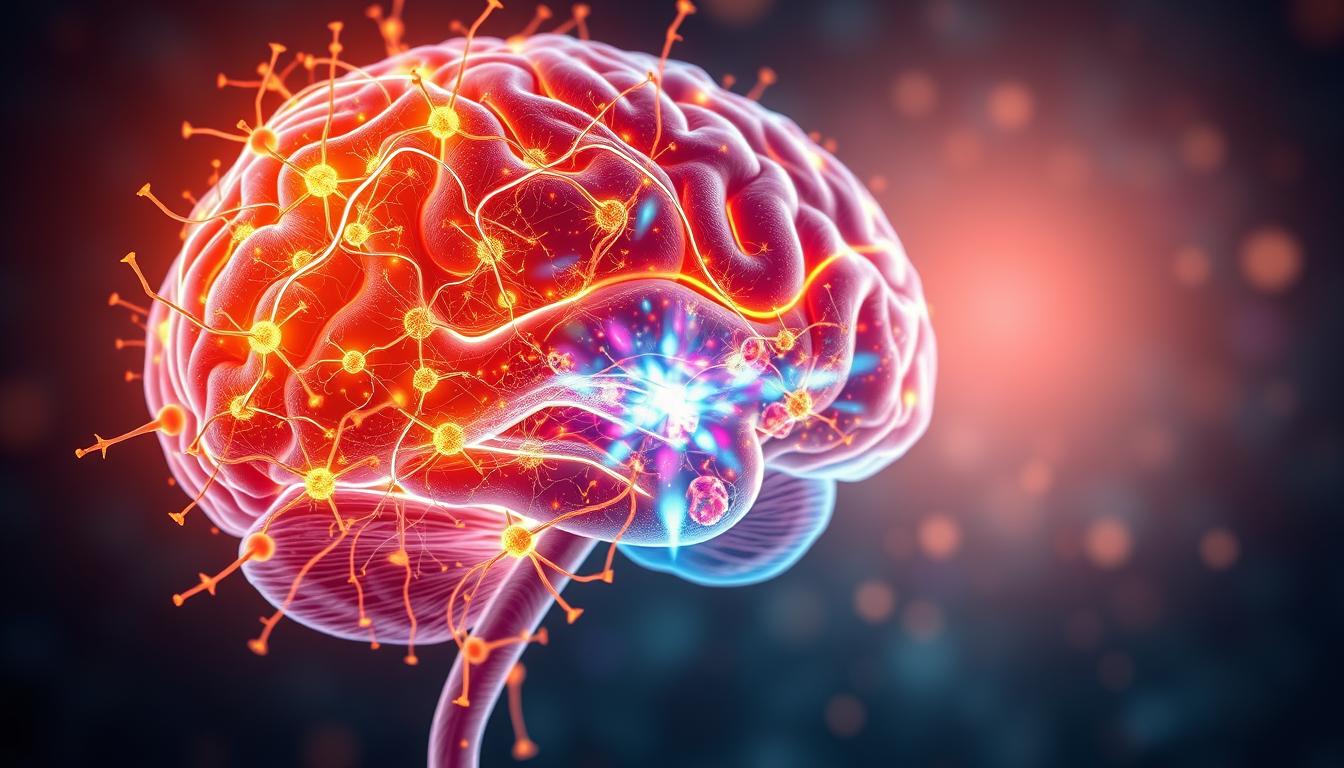
How Thankfulness Rewires Your Brain
Dr. Kristin Francis’s research shows that daily appreciation boosts dopamine and serotonin. These “feel-good” chemicals enhance mood and motivation. fMRI scans confirm that grateful individuals have more active prefrontal cortices—the area linked to decision-making and emotional control.
“Gratitude isn’t just a virtue; it’s a catalyst for measurable brain changes.”
The Role of Dopamine and Serotonin
Dopamine rewards you for positive actions, while serotonin stabilizes emotions. A 2022 study found that cortisol levels drop by 23% in people who journal thankfulness. Lower stress hormones improve heart health and immune function.
| Chemical | Effect | Long-Term Benefit |
|---|---|---|
| Dopamine | Enhances motivation | Encourages positive habits |
| Serotonin | Balances mood | Reduces anxiety |
| Oxytocin | Strengthens bonds | Lowers blood pressure |
Oxytocin, released during acts of appreciation, deepens social connections. It also reduces inflammation, proving that thankfulness isn’t just emotional—it’s a biological game-changer.
Mental Health Benefits of Practicing Gratitude
Feeling down? Gratitude might be the reset button your brain needs. Studies show it cuts depression risk by 20–30% and eases anxiety by breaking repetitive negative thoughts. It’s not magic—it’s neuroscience.

Reducing Stress, Anxiety, and Depression
Northwestern University found that daily thankfulness lowers cortisol by 23%. When you focus on positives, your brain stops dwelling on worries. Dr. Kristin Francis’s work highlights how this habit rewires neural pathways:
“Gratitude shifts attention from what’s missing to what’s present—a key to managing mental health.”
Strengthening Emotional Resilience
Grateful people bounce back faster. Why? Appreciation trains your brain to spot silver linings, even in tough times. For example:
- Journaling three good things daily builds optimism.
- Thanking others reduces guilt and shame.
Improving Relationships and Social Connections
Saying “thanks” isn’t just polite—it deepens trust. A 2021 study showed grateful individuals offer 40% more emotional support. Try these simple steps:
- Text a coworker one thing you appreciate about them.
- Write a note to a family member—it boosts mood for both of you.
Physical Health Benefits of Gratitude
Your body responds to thankfulness in ways you might not expect. Studies reveal that grateful individuals experience 10–15% lower blood pressure and fewer inflammation markers. These changes aren’t fleeting—they reshape your long-term well-being.

Lowering Blood Pressure and Reducing Inflammation
Oxytocin, released during acts of appreciation, improves vascular function. This hormone counters risks like atherosclerosis and hypertension. A 2021 American Heart Association study linked gratitude to healthier arteries.
Boosting Immunity and Heart Health
Thankfulness strengthens your immune response. Grateful people report fewer sick days and faster recovery times. Oxytocin also reduces stress on the heart, lowering disease risks.
| Health Marker | Grateful Individuals | General Population |
|---|---|---|
| Blood Pressure | 10–15% lower | Higher variability |
| Inflammation | Reduced markers | Elevated CRP levels |
| ER Visits | 27% fewer | Higher frequency |
Encouraging Healthier Lifestyle Choices
Gratitude practitioners exercise more and avoid substance abuse. AHA research found they eat balanced diets 40% more often. Small acts of appreciation create a ripple effect, improving overall health.
Simple Ways to Cultivate Gratitude Daily
Transform your routine with small, powerful acts of appreciation. Research shows that consistent practice rewires your brain in as little as three weeks. Here’s how to make it effortless.
Keeping a Gratitude Journal
Writing down five things you’re thankful for each day strengthens neural pathways. Dr. Kristin Francis’s studies reveal this habit boosts dopamine by 15% in 21 days. Try these steps:
| Step | Action | Tip |
|---|---|---|
| 1 | Choose a medium | Use sticky notes or a dedicated notebook |
| 2 | Set a time | Morning or bedtime works best |
| 3 | Be specific | Note small joys, like “sunlight on my coffee” |
Expressing Appreciation to Others
Verbal thanks deepen connections. A 2021 study found expressing gratitude to coworkers or family increases relationship satisfaction by 40%. Sample phrases:
- “Your help on [project] made my day easier—thank you!”
- “I appreciate how you always [specific action].”
“Pairing gratitude with daily rituals, like savoring meals, anchors it in your routine.”
Mindful Gratitude Exercises
Combine mindfulness with thankfulness for double the benefits. Try the 5-minute ritual:
- Pause during your morning coffee to acknowledge one positive moment.
- Reflect on health, meals, or relationships before bed.
- Use apps like Gratitude for reminders.
For deeper connections, schedule a “gratitude visit”—write a letter to someone who impacted you, then read it aloud to them. It’s science-backed to boost happiness for months.
Conclusion
Small acts of thankfulness create big shifts in your life. Research shows it boosts mood and health—lowering stress by 23% and inflammation markers. Start with two minutes daily: jot down one thing you appreciate.
Dr. Kristin Francis advises, “Let yourself be happy—acknowledge small wins.” This habit doesn’t just help you. It impacts others, strengthening workplaces and communities.
Struggling? Seek support from trusted resources. Tonight, try one tactic: text a friend or savor a quiet moment. Gratitude grows when practiced—begin now.