Did you know certain fungi can fight viruses, reduce inflammation, and even protect your heart? A 2017 study confirmed what ancient healers knew—these organisms pack powerful health benefits. Beyond wellness, they offer a sustainable alternative to resource-heavy livestock farming.
Research shows varieties like shiitake and maitake contain compounds that support immunity. Compared to beef, growing them uses 42% less land. Brands like Meati and Pan’s now turn mycelium into steaks and jerky, proving their versatility.
Key Takeaways
- Certain fungi provide antiviral and anti-inflammatory properties.
- They require far fewer resources than traditional livestock.
- Shiitake, maitake, and others are rich in nutrients.
- Emerging products showcase their culinary potential.
- Historical use aligns with modern scientific validation.
Introduction: The Rising Star of Medicinal Mushrooms
The average American now eats 3 pounds of mushrooms yearly—and for good reason. USDA data reveals they’re the fourth most cultivated crop globally, trailing only wheat, rice, and corn. This surge isn’t just about taste; it’s driven by their role as a functional food, offering health perks beyond basic nutrition.
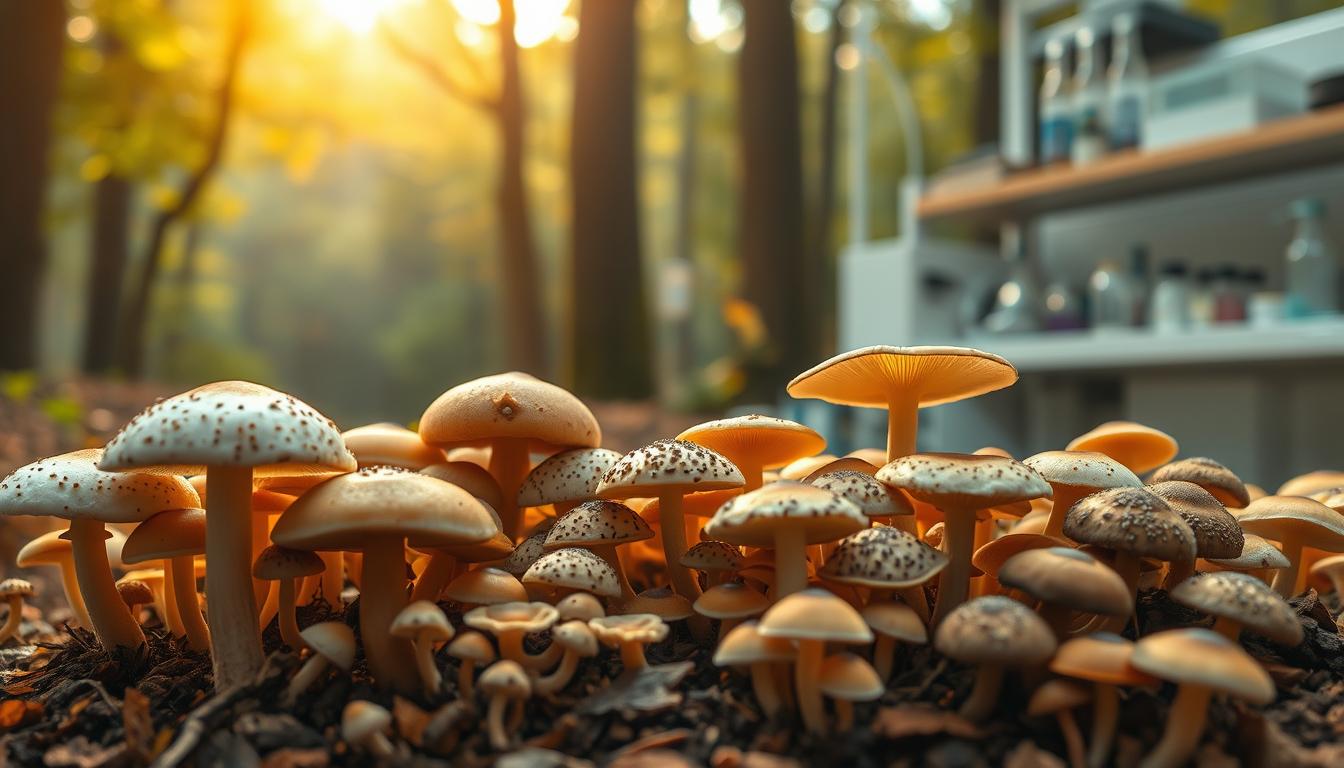
Ancient cultures understood their value. Paleolithic rituals included fungi for vitality, while Traditional Chinese Medicine used reishi for longevity. Today, pioneers like Paul Stamets and brands like FourSigmatic champion their modern use, bridging history with cutting-edge research.
Their appeal stretches beyond wellness. Fungi Perfecti highlights how mycelium can clean oil spills (mycoremediation), while companies like Meati transform it into sustainable meat alternatives. For people seeking holistic effects, mushrooms deliver both personal and planetary benefits.
“Mushrooms are miniature pharmaceutical factories, producing compounds we’re only beginning to understand.”
From immune support to eco-innovation, fungi are redefining natural health. As science validates their potential, their place in diets and medicine grows—one spore at a time.
The Science Behind Mushrooms as Medicine
Scientists now confirm what ancient healers suspected—mushrooms hold cellular-level healing properties. These fungi produce bioactive compounds that combat oxidative stress, modulate immunity, and even protect against chronic disease. Research reveals their potential to outperform synthetic drugs with fewer side effects.
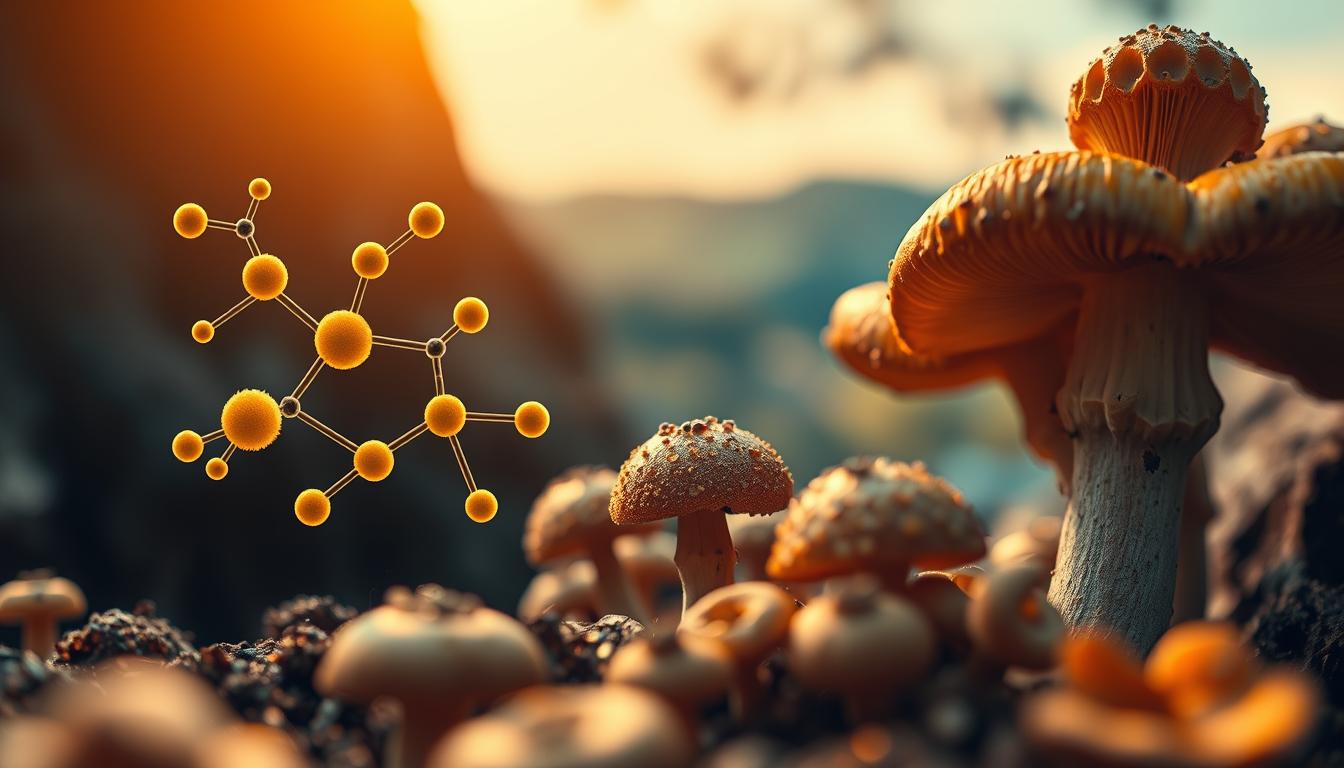
Bioactive Compounds in Mushrooms
Ergothioneine, a rare amino acid in mushrooms, reduces cancer risk by 45% at 18g daily intake. It shields cells from DNA damage, acting as a natural guardian. Similarly, beta-glucans—fibers found in shiitake and reishi—enhance immune function by activating white blood cells.
Polyphenols, like those in turkey tail, offer antioxidant protection. A 2019 study showed Lion’s Mane (0.8g, 4x/day) improved cognitive scores in 12 weeks. Its content of hericenones stimulates nerve growth factor production.
How Mushrooms Support Cellular Health
Mycelium networks transport nutrients efficiently, mimicking human neural pathways. Hericium erinaceus (Lion’s Mane) contains SOD enzymes that prevent ulcers by neutralizing free radicals. This synergy of compounds makes fungi a powerhouse for repairing and maintaining cellular integrity.
“Mushrooms don’t just feed the body—they communicate with it at a molecular level.”
Top Medicinal Mushrooms and Their Health Benefits
Nature’s pharmacy includes powerful fungi with diverse health benefits. These species deliver targeted support, from immunity to cognitive function. Below, explore four standouts backed by science and tradition.
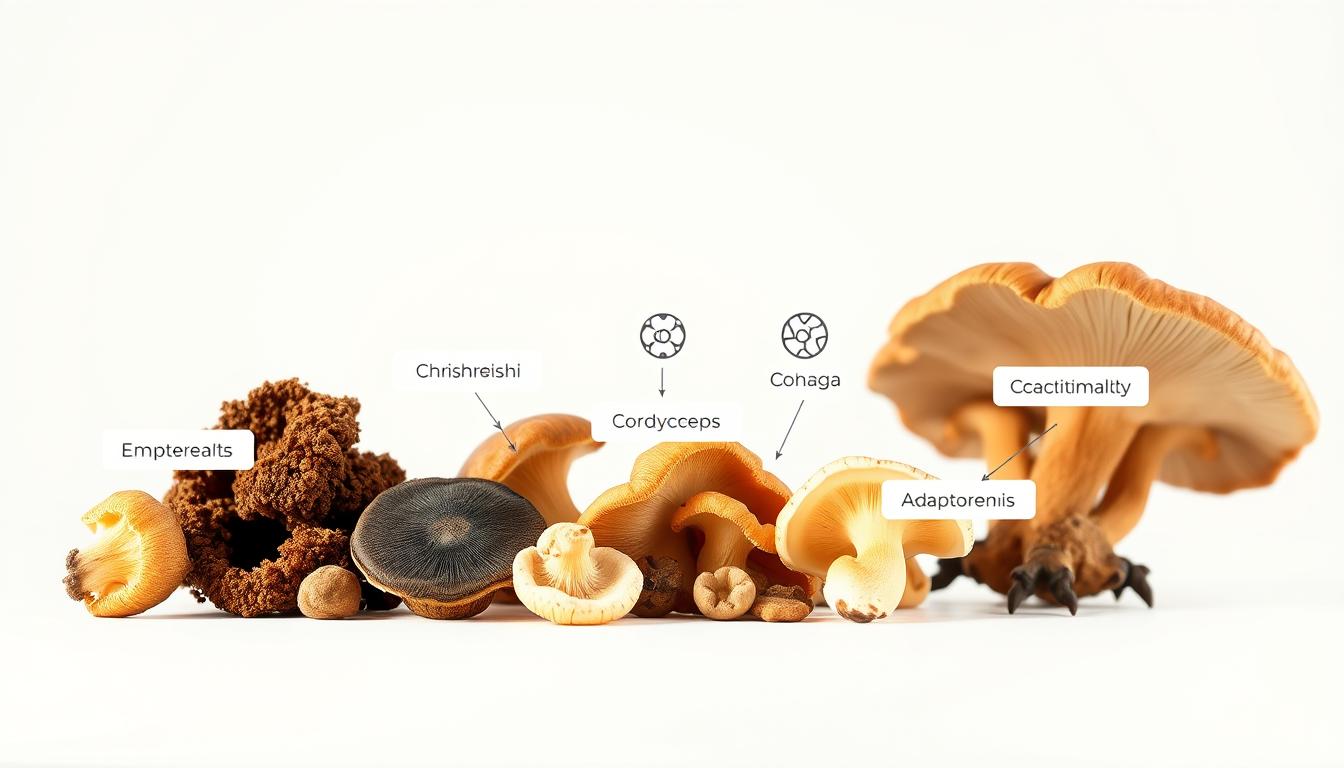
Reishi: The Immune Booster
Reishi, or Ganoderma lucidum, activates natural killer (NK) cells through polysaccharides. These compounds strengthen your immune system, helping fend off infections. Studies suggest daily intake of 1–3g extract enhances defense mechanisms.
Lion’s Mane: Brain Health Champion
Hericium erinaceus, known as lion mane, stimulates nerve growth factor (NGF). This supports memory and may slow Alzheimer’s progression. For best results, try 100g fresh or 0.8g extract daily.
Turkey Tail: Cancer-Fighting Warrior
Turkey tail contains PSK, a compound used in Japan since the 1980s for cancer immunotherapy. Research highlights its efficacy against colon and lung cancers. Its beta-glucans also aid chemotherapy recovery.
Chaga: Antioxidant Powerhouse
With the highest ORAC score among fungi, chaga fights oxidative stress. Its 35% betulinic acid content shows promise in tumor suppression. Brew it as tea or take 1–2g powdered extract daily.
| Fungi | Key Compound | Primary Benefit | Dosage |
|---|---|---|---|
| Reishi | Polysaccharides | Immune activation | 1–3g extract |
| Lion mane | Hericenones | NGF stimulation | 0.8g extract |
| Turkey tail | PSK | Cancer support | 100g fresh |
| Chaga | Betulinic acid | Antioxidant | 1–2g powder |
“Fungi offer a synergy of compounds unmatched by single-target pharmaceuticals.”
Mushrooms and Mental Health: A Breakthrough in Therapy
Mental health breakthroughs are emerging from an unexpected source: fungi. Research shows compounds like psilocybin and Lion’s Mane can transform mood and cognitive function. These natural solutions offer hope where traditional treatments fall short.

Psilocybin and Depression
Johns Hopkins trials prove psilocybin’s power. In patients with treatment-resistant depression, a single dose led to a 71% remission rate. Unlike SSRIs, which take weeks to work, psilocybin’s effects last months by targeting the brain’s 5-HT2A receptors.
This compound triggers *ego dissolution*—a temporary quieting of the *default mode network*. This network hyperactivates in depression. By resetting it, psilocybin fosters new neural pathways and emotional flexibility.
Lion’s Mane for Cognitive Function
Lion’s Mane boosts brain-derived neurotrophic factor (BDNF), a protein vital for memory. Low BDNF links to Alzheimer’s and anxiety. Studies show 0.8g daily of its extract enhances focus and nerve regeneration.
- Legal status: Oregon and Colorado allow therapeutic psilocybin use.
- Microdosing trend: Grew 350% (2015–2020) for anxiety relief.
“Psilocybin therapy isn’t just about chemistry—it’s about rewiring the mind’s narrative.”
Mushrooms in Cancer Prevention and Treatment
Cancer research reveals fungi’s untapped potential in prevention and therapy. A 17-study meta-analysis shows certain species may lower cancer risk by 45%. Compounds like PSP from turkey tail mushrooms even extend survival rates in clinical trials.
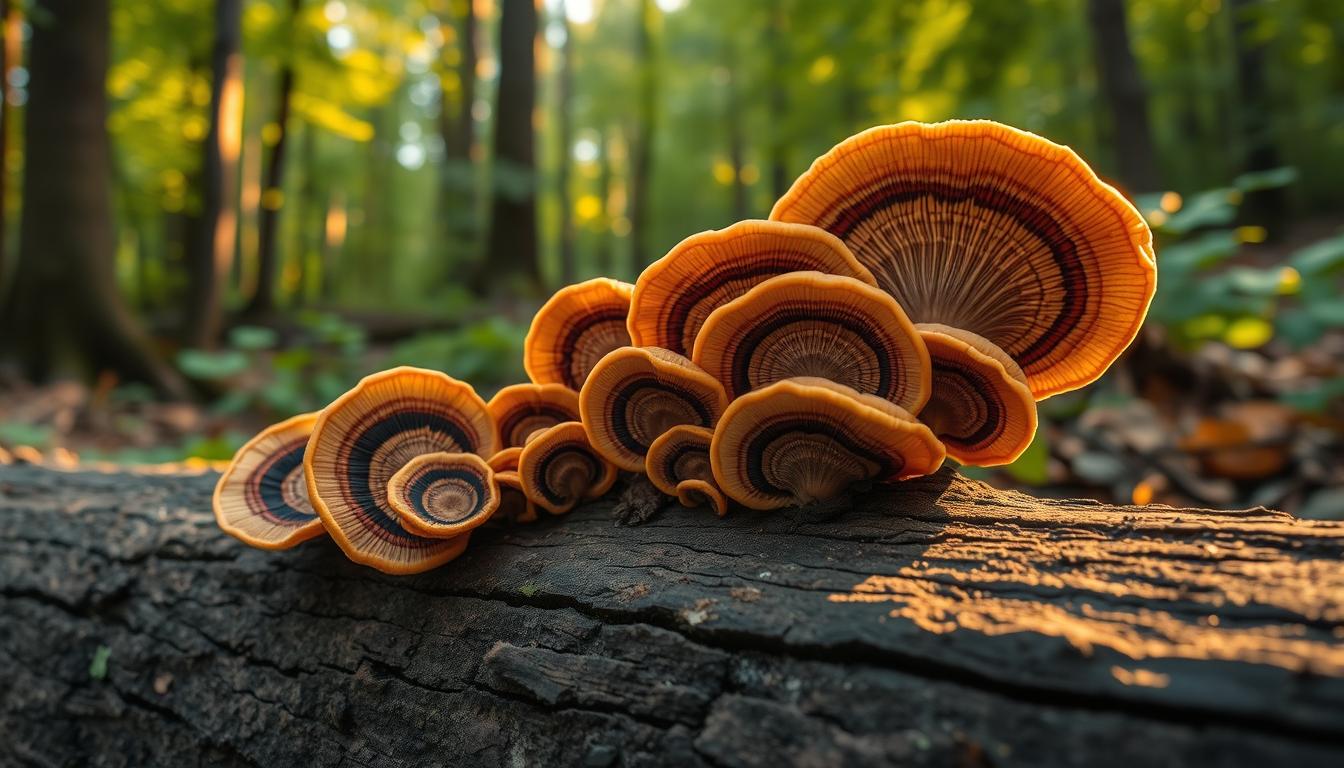
Turkey Tail and Immune Support
Turkey tail (Coriolus versicolor) enhances your immune system during treatment. In a Phase III trial, patients combining it with chemotherapy saw improved gastric cancer survival. Its polysaccharopeptides (PSP) activate macrophages, which target abnormal cells.
Lectins in turkey tail also trigger apoptosis—programmed cell death in tumors. Unlike harsh therapies, these compounds work synergistically with your body’s defenses.
Beta-Glucans and Tumor Inhibition
Beta-glucans, found in shiitake and reishi, play a key role in tumor inhibition. Their molecular weight determines effectiveness: larger chains better activate immune responses. Studies suggest they block angiogenesis, starving tumors of blood supply.
Reishi’s triterpenes mimic taxol’s mechanisms but with fewer side effects. However, bioavailability remains a challenge. Pairing extracts with black pepper (piperine) can enhance absorption by 30%.
“Fungal compounds offer a multi-target approach—unlike single-action drugs, they modulate immunity while directly attacking malignancies.”
- Key takeaway: Beta-glucans’ efficacy depends on molecular structure.
- Dosage matters: 3–5g daily of turkey tail extract shows optimal immune support.
- Future focus: Nano-encapsulation may solve bioavailability issues.
Gut Health and Mushrooms: The Prebiotic Connection
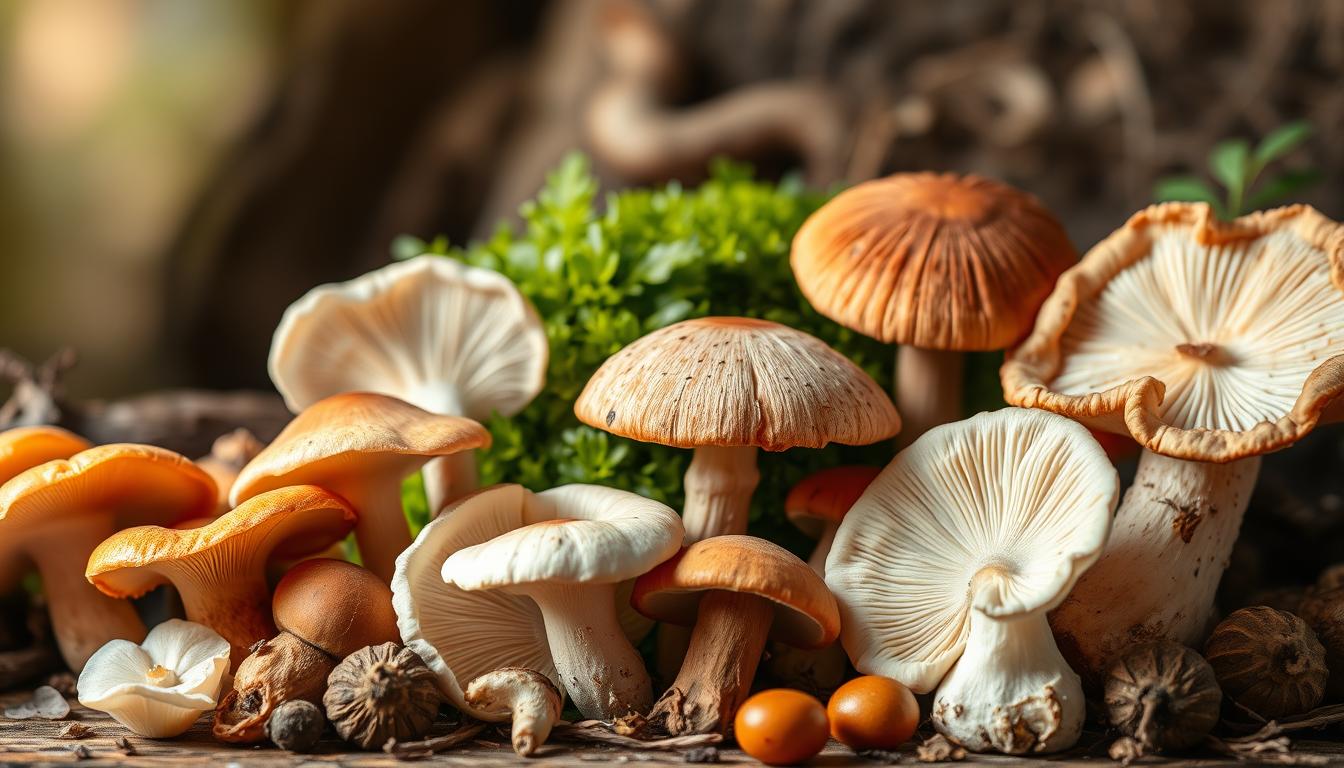
Your gut health may depend more on fungi than you realize. Research reveals mushroom polysaccharides survive stomach acid to reach your intestines intact. There, they act as prebiotic fuel for beneficial bacteria, boosting short-chain fatty acid production.
How Fungi Nourish Your Microbiome
Oyster mushrooms contain fructooligosaccharides (FOS), a fiber type that outperforms chicory root in feeding gut bacteria. A 2019 Malaysian study found daily intake of mushroom tea improved microbiota diversity by 37%.
Agarikon extracts show promise for ulcerative colitis, reducing intestinal damage by modulating inflammation. Unlike antibiotics, mushrooms offer dual action: they suppress pathogens while nurturing probiotics.
Top Fungi for Digestive Wellness
| Mushroom | Key Benefit | Form | Dose |
|---|---|---|---|
| Oyster | High FOS content | Cooked or powdered | 50g daily |
| Chaga | Antioxidant-rich | Tea or kombucha | 1–2g extract |
| Agarikon | Anti-inflammatory | Capsule | 500mg 2x/day |
“Mushrooms are the missing link in gut health—they’re nature’s synbiotics, combining prebiotics with antimicrobial defense.”
Caution: Raw morels contain hydrazines, toxins destroyed by cooking. For fermented options, try brewing chaga kombucha—its acids enhance nutrient absorption.
Mushrooms as a Sustainable Superfood
Fungi are quietly revolutionizing sustainability in ways most people overlook. They require minimal resources to grow while offering maximal benefits for both health and the planet. From reducing carbon footprints to replacing resource-intensive foods, their potential is staggering.
Environmental Benefits of Mushroom Farming
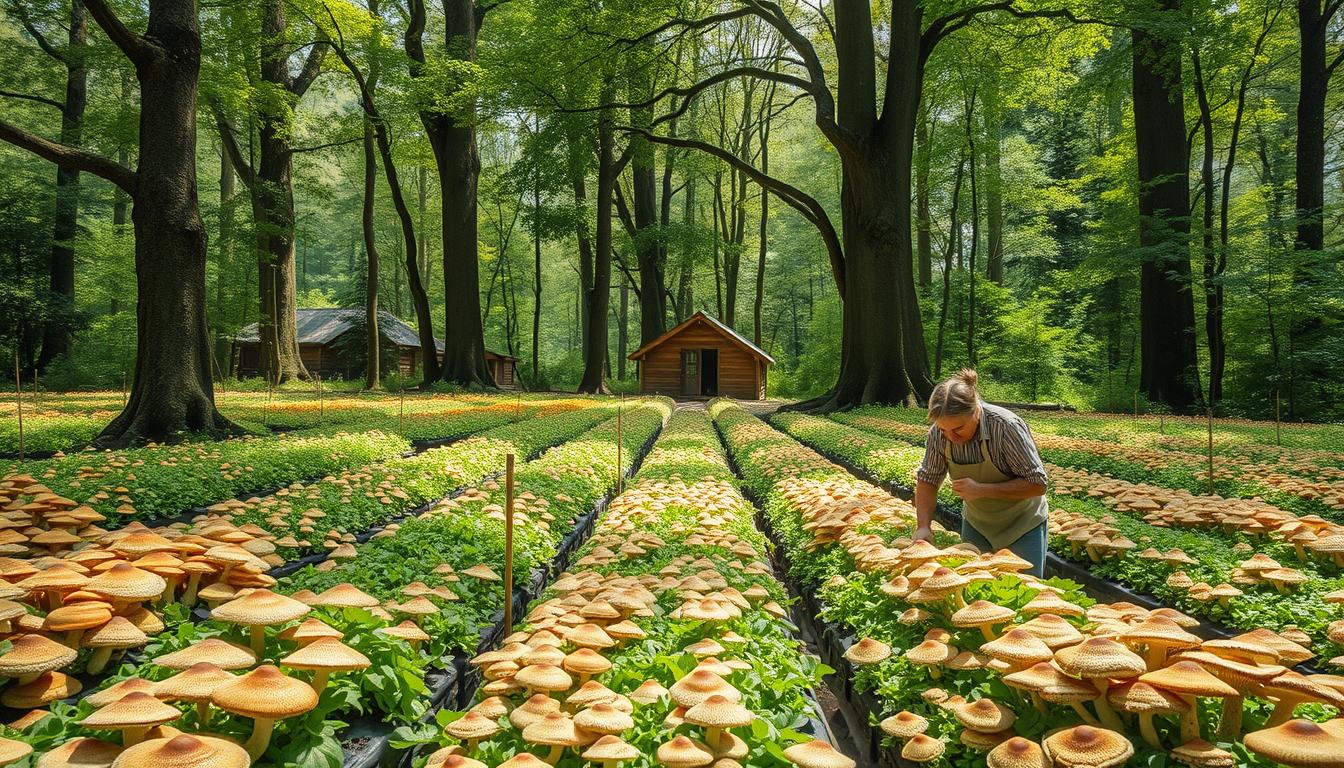
Shiitake log farming sequesters 12% more carbon than traditional crops, according to research. Mycelium also filters pollutants—like a natural Brita for agricultural runoff. IKEA’s mushroom-based packaging decomposes in weeks, unlike Styrofoam’s 500-year lifespan.
Upcycling is another perk. Oyster varieties thrive on coffee grounds, diverting waste from landfills. Mycelium bricks even outperform concrete in insulation tests, offering a sustainable alternative for construction.
Mushroom-Based Meat Alternatives
Brands like Meati and Quorn prove fungi can replace meat without sacrifice. Meati’s mycelium steaks use 99% less water than beef production. Quorn’s fermented mycoprotein matches chicken’s protein yield per acre.
- Carbon-negative: Shiitake logs absorb CO2 as they grow.
- Zero waste: Spent substrates become fertilizer.
- Efficient: 1 acre yields 1 million pounds annually.
“Mycelium networks are nature’s internet—connecting ecosystems and solving problems we’ve barely begun to address.”
Whether through food or materials, fungi offer a way forward that’s as kind to the Earth as it is to our bodies. Their versatility makes them the ultimate sustainable superfood.
Mushrooms in Traditional and Modern Medicine
For thousands of years, cultures worldwide have harnessed fungi’s healing power. Today, science confirms their role in both ancient remedies and cutting-edge treatments. This bridge between past wisdom and present innovation makes them unique in healthcare.
Ancient Healing Practices
Ötzi the Iceman carried polypore fungi 5,300 years ago—likely for their antimicrobial properties. In India, the Soma ritual drink potentially used Amanita muscaria for spiritual experiences. Traditional Chinese Medicine still employs reishi in precise dosage forms, from teas to extracts.
Ethnomycology research preserves these traditions while validating their use. For example, Siberian shamans used chaga for digestion long before modern studies confirmed its prebiotic effects.
Today’s Medical Breakthroughs
Over 150 mushroom-derived drugs are now in development. Japan’s FDA-approved lentinan extends survival rates in gastric cancer patients. The U.S. granted psilocybin “breakthrough therapy” status for major depressive disorder (MDD).
- Clinical trials show turkey tail extracts boost chemotherapy outcomes
- Lion’s Mane studies suggest neuroprotective effects against dementia
- Mycelium-based wound dressings accelerate healing by 40%
“We’re rediscovering what ancestral healers knew—fungi offer complex medicine no lab can fully replicate.”
From Ötzi’s first-aid kit to modern oncology wards, fungi continue proving their value to humans. Their dual heritage as both folk remedy and modern clinical tool makes them indispensable in holistic health.
How to Incorporate Medicinal Mushrooms Into Your Diet
Adding fungi to meals unlocks powerful health perks with minimal effort. Whether through supplements or whole foods, these adaptogens blend seamlessly into daily routines. Research shows even small intake boosts immunity and energy.
Supplements vs. Whole Foods
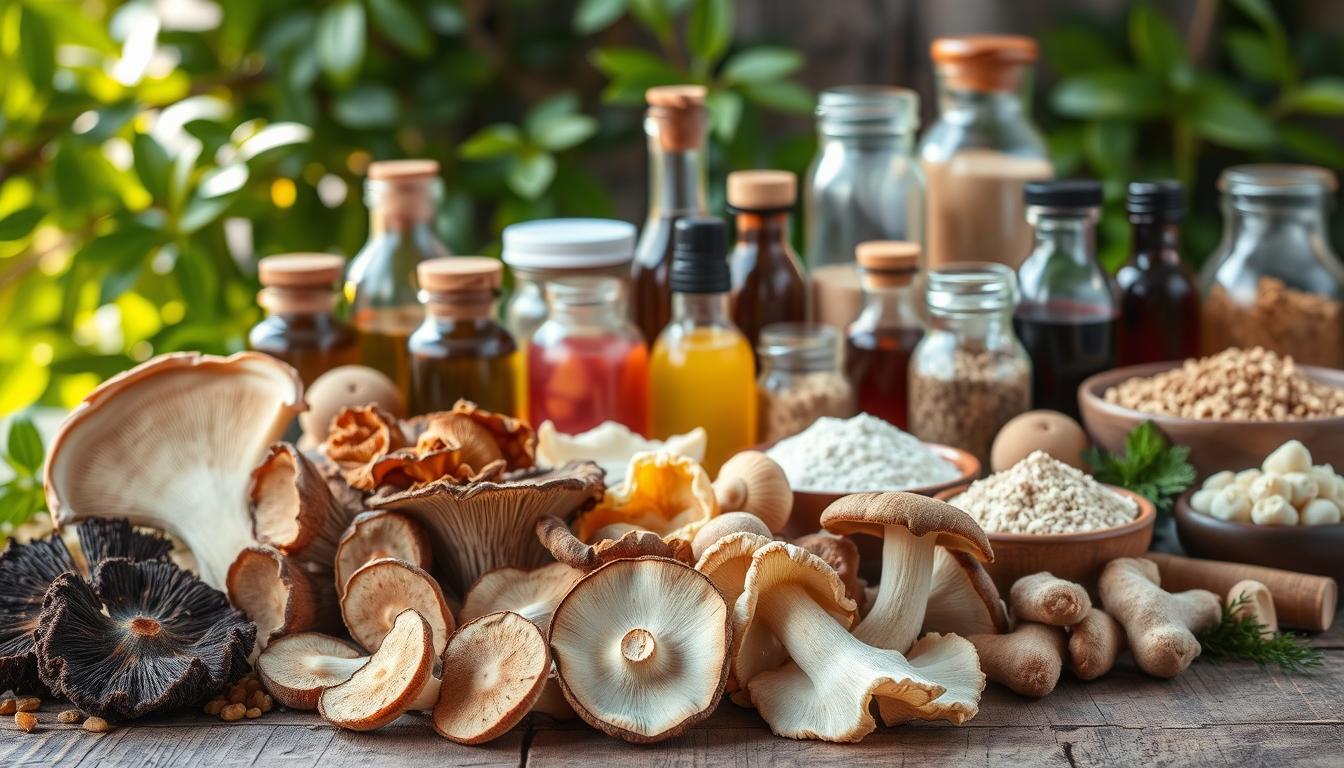
Dual-extraction tinctures maximize benefits by isolating both water- and alcohol-soluble compounds. For powders, brands like FourSigmatic infuse them into hot chocolate for easy consumption. Compare these top options:
| Brand | Key Feature | Best For |
|---|---|---|
| Host Defense | Full-spectrum mycelium | Immune support |
| Real Mushrooms | 100% fruiting body | Potency |
Whole foods offer fiber and nutrients lost in processing. Blend finely chopped shiitake into ground meat—studies show this cuts sodium by 25%.
Delicious Mushroom Recipes to Try
Cordyceps energy balls combine dates, almond butter, and 1 tsp powder for a pre-workout snack. Sautéing lion’s mane in olive oil boosts ergothioneine absorption by 40%.
- Foraging tip: Check local laws—some states prohibit wild harvesting.
- Pairing trick: Black pepper enhances supplement bioavailability.
“Mushrooms are culinary chameleons, adapting to sweet or savory profiles while delivering therapeutic effects.”
Safety and Considerations When Using Medicinal Mushrooms
Navigating the world of fungal supplements requires awareness of both their potential and precautions. While these natural remedies offer significant health benefits, improper use or low-quality products can pose risks. Recent research highlights key factors to ensure safe and effective consumption.
Potential Side Effects to Monitor
Even beneficial fungi can cause reactions in sensitive individuals. Reishi, for example, may interact with anticoagulants, increasing bleeding risk. False morels contain gyromitrin—a toxin causing dizziness and liver damage if improperly prepared.
Pregnant individuals should consult doctors before use, as some compounds may stimulate uterine contractions. Storage matters too: beta-glucans degrade faster in humid conditions, reducing potency over time.
How to Choose Quality Products
Not all supplements meet safety standards. Independent studies found 5% contain heavy metals like lead. Look for NSF, USP, or ISO certifications—these verify purity and accurate labeling.
- Foraging caution: Deadly lookalikes (e.g., destroying angel) resemble edible varieties.
- Extract types: Dual-extraction methods preserve both water- and alcohol-soluble compounds.
“Quality testing isn’t optional—it’s the foundation of safe fungal supplementation.”
Conclusion: Embracing Mushrooms for a Healthier Future
The sustainable power of functional fungi is reshaping wellness. With an $85 billion market projected by 2030, their impact spans from mental health breakthroughs to cancer support. Science now confirms what ancient traditions long understood.
Start small—try lion’s mane coffee for focus or reishi tea for immunity. The FDA is fast-tracking approvals, with psilocybin leading the way for depression therapies. Trusted resources like NAMA offer guidance for safe use.
As Paul Stamets notes, “We’re just beginning to unlock nature’s most sophisticated pharmacy.” Whether for personal health or planetary healing, these organisms offer solutions we can’t afford to ignore.