Your brain reacts to a bag of chips like it does to nicotine, says clinical dietitian Tara Piantadosi. Ultra-processed snacks make your brain release 2.5x more dopamine than whole foods. This can lead to 68% of U.S. adults eating more than they should every day.
Modern food science makes products that trick your body into thinking it’s still hungry. Piantadosi notes: “These foods, full of fat, sugar, and salt, activate reward pathways faster than your body can stop them. Your survival instincts turn against you.”
This trickery is why the average American eats 60% of their daily calories from ultra-processed foods. It’s even more concerning that eating these foods regularly can raise your risk of heart problems by 22%. This is the same risk as smoking after just five years.
Key Takeaways
- Food manufacturers design products to bypass natural satiety mechanisms
- Daily ultra-processed food consumption exceeds 1,200 calories for most adults
- Chronic inflammation from additives accelerates cellular aging
- Combination foods (crunchy+creamy) create neurological overstimulation
- Withdrawal symptoms mimic substance dependency patterns
- Hidden emulsifiers disrupt gut-brain communication pathways
- Strategic meal planning breaks the craving cycle in 14-21 days
The Science Behind Processed Food Addiction
Your brain can’t resist the allure of modern snack foods. Food engineers use science to make these products irresistible. Let’s explore why you can’t stop eating that bag of chips.
How Your Brain Gets Hooked
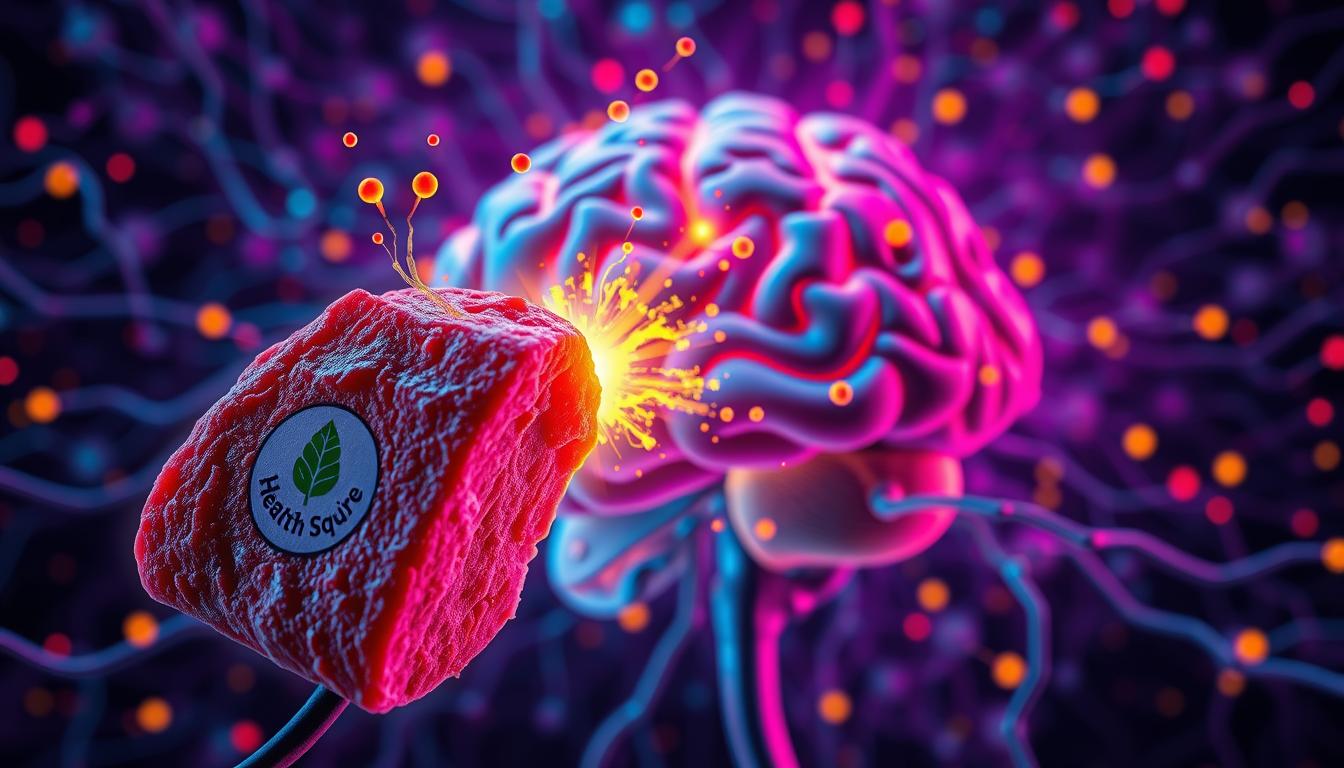
When you eat a cheese puff, your dopamine-driven reward system gets a boost. Neuroscientist Tara Piantadosi says:
“The quick crunch-to-dissolve texture triggers faster dopamine release than whole foods – similar to how nicotine reaches brain receptors.”
Dopamine’s Double-Edged Sword
Yale researchers found these foods activate the same opioidergic pathways as addictive substances. Three key effects occur:
- Your brain prioritizes quick energy sources
- Natural food satisfaction thresholds increase
- Cravings intensify between exposures
Rewired Eating Patterns
NeuroFAST studies show repeated processed food consumption:
- Strengthens neural pathways to craving centers
- Weakens connections to rational decision-making areas
- Creates lasting preference for hyperpalatable foods
The Addictive Formula Exposed
Food labs use military-grade precision to engineer the bliss point. This is the perfect fat-sugar-salt ratio that overrides your stop signals. A UCSF analysis revealed popular snacks contain:
| Component | Natural Food Level | Processed Food Level |
|---|---|---|
| Sugar | 4g per serving | 12g per serving |
| Fat | 3g per serving | 8g per serving |
| Salt | 180mg per serving | 490mg per serving |
Flavor Fraud
UCLA’s Dr. Garcia warns:
“Artificial enhancers like MSG trick your brain into wanting more, even when your stomach says ‘stop.’ These chemicals bypass normal satiety signals that protect against overeating.”
This biochemical manipulation explains why 68% of participants in a National Health Survey reported stronger cravings for processed vs whole foods – even when equally hungry. Your taste buds become trained to expect intense stimulation, making apples taste bland compared to candy-coated snacks.
Hidden Ingredients That Fuel Cravings
You might think you’re avoiding sugar and unhealthy fats. But food manufacturers have found ways to hide addictive substances in everyday products. These sneaky additives make you crave more, even in foods called “healthy.”
Secret Sugar Bombs in Common Foods
Food labels often disguise sugar under 56 different names, from “evaporated cane juice” to “barley malt syrup.” UCLA researcher Hanee Park says: “If you can’t pronounce an ingredient, it’s probably a cleverly renamed sweetener.”
Unexpected sources like bread and salad dressing
- Whole wheat bread: Contains 4g sugar per slice
- “Light” salad dressings: Often use corn syrup as a fat substitute
- Protein bars: Some pack 12g sugar – equivalent to 3 teaspoons
“Always check the first three ingredients – if any form of sugar appears there, it’s a dessert in disguise.”
Industrial Fats and Their Addictive Properties
Highly processed oils create a hyper-palatable texture. This tricks your brain into overeating. These fats survive digestion intact, triggering inflammatory responses that worsen cravings.
Trans fats hiding in plain sight
| Label Name | Actual Content | Common In |
|---|---|---|
| “Partially hydrogenated oil” | Artificial trans fats | Microwave popcorn |
| “Interesterified fat” | Chemically altered oils | Commercial baked goods |
The FDA allows products with less than 0.5g trans fats per serving to claim “0g trans fats.” This means you could consume dangerous amounts without knowing. Add MSG-laden seasonings to this, and you’ve got a recipe for unstoppable snacking.
The Digestive System Under Attack
Your digestive system works hard to break down food. But, processed foods turn this into a battle. Each bite of processed snacks or ready-to-eat meals brings a mix of additives. These disrupt your body’s natural balance.
Gut Microbiome Destruction Process
Emulsifiers like carboxymethylcellulose in ice creams and salad dressings damage your gut. UCLA researchers say these additives thin the mucus layer that protects your gut. This lets harmful bacteria into your bloodstream.
This “leaky gut” effect can triple the risk of colon cancer, studies show.
How emulsifiers damage intestinal lining
Thickeners like polysorbate 80 and carrageenan cause your gut to become very porous. They make your gut barrier like a sieve. This lets toxins flood your system.
Artificial sweeteners’ impact on good bacteria
Diet sodas and sugar-free snacks often have sucralose. It kills off good Lactobacillus bacteria by 47%, clinical trials show. Nutritionist Tara Piantadosi says:
“Fiber-starved microbiomes become sitting ducks for sweetener-induced damage, creating a vicious cycle of cravings and poor digestion.”
Chronic Inflammation From Additives
Your immune system sees common preservatives as enemies. It attacks them without stopping. This low-grade inflammation leads to arthritis, diabetes, and heart disease.
Preservatives that trigger immune response
Sodium benzoate in condiments and sulfites in dried fruits activate NLRP3 inflammasomes. These are cellular alarm systems that flood your body with inflammatory cytokines. This keeps your immune system always on alert.
Food colorings linked to inflammatory markers
Artificial dyes like Red 40 and Yellow 5 raise C-reactive protein levels by 32% in regular consumers. These bright colors that make snacks appealing also signal danger to your white blood cells. This causes systemic inflammation.
Metabolic Mayhem Caused by Processing
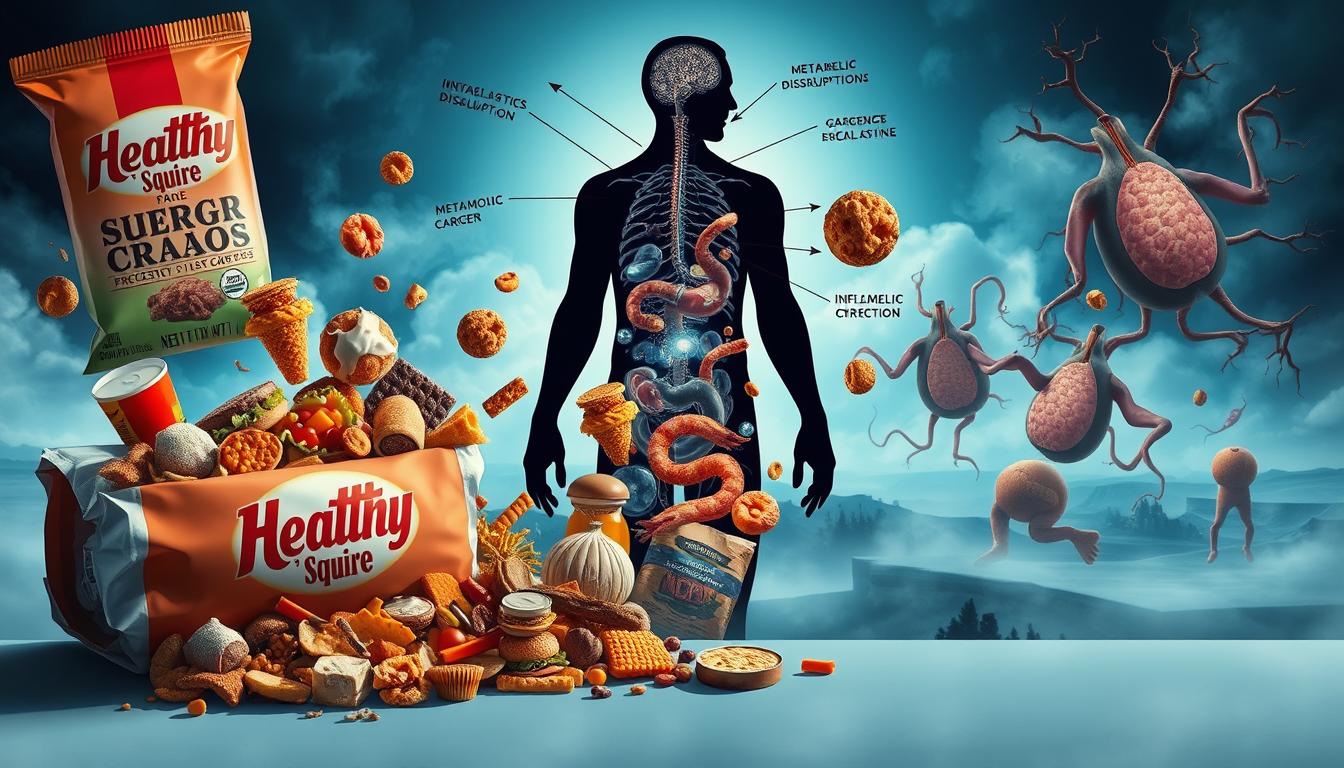
Your body wasn’t made for today’s processed foods. These foods don’t just fill your belly; they change how your body works. Let’s look at how this affects your cells.
Insulin Resistance Development Timeline
Processed carbs are like metabolic bombs. Eating foods like refined grains or sugary snacks makes your blood sugar jump up fast. UCSF research shows this can make your pancreas work too hard.
Daily Blood Sugar Spikes From Refined Carbs
- Week 1-4: Morning cereal or energy bars cause 30% higher glucose surges than whole foods
- Month 2-6: Cells start ignoring insulin signals (early resistance)
- Year 1+: Fasting blood sugar creeps above 100 mg/dL—prediabetes threshold
Pancreas Exhaustion Patterns
Think of your pancreas as a battery. Processed foods drain it faster. By year 3, your insulin-making cells start to fail. A study found 68% of those who eat processed foods often have weaker pancreas function than those who eat whole foods.
“Chronic high insulin levels act like corrosive acid on metabolic pathways.”
Fat Storage Triggers in Processed Foods
Your liver turns into a fat factory with processed foods. High-fructose corn syrup (HFCS) goes straight to your liver, causing it to store fat. UCLA scientists found this leads to your body storing fat even when you’re not eating much.
| Food Type | Blood Sugar Impact | Fat Storage Trigger |
|---|---|---|
| Refined Carbs | Rapid spike (+40-60 mg/dL) | Insulin-driven fat cells |
| HFCS | Delayed surge (liver conversion) | Visceral fat accumulation |
| Artificial Flavors | No direct spike | Leptin receptor blockage |
High-Fructose Corn Syrup’s Liver Impact
HFCS turns to fat 18 times faster than glucose. This is why Ecuador’s HFCS-free people have 3 times less fatty liver than Americans. Their livers aren’t overwhelmed by fructose.
Leptin Resistance From Artificial Flavors
Fake flavors confuse your brain’s hunger signals. Lab mice eating artificial vanilla lost 47% of their leptin sensitivity in 8 weeks. This makes you keep eating, even when you’re full—a recipe for weight gain.
Neurological Consequences of Long-Term Use
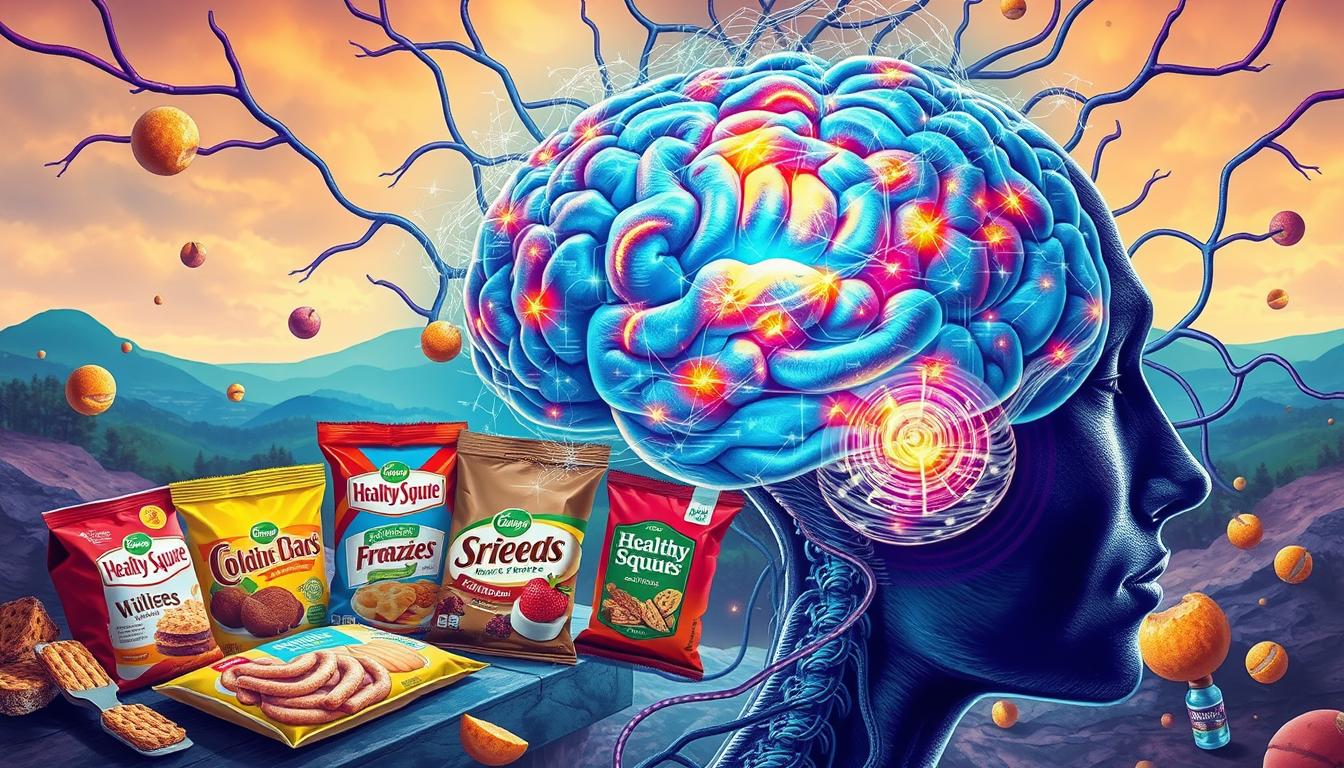
Your daily snack choices might be changing your brain’s wiring. Eating ultra-processed foods can harm your brain as much as your waistline. These foods can alter how you think and feel through different ways.
The Mental Fog Machine
Ever feel like you’re thinking through molasses after eating packaged meals? UCLA research shows that trans fats in processed foods can lower BDNF by up to 40% in the hippocampus. This protein is key for memory and learning, and it drops to levels seen in dementia patients.
Reduced BDNF Production in Hippocampus
Your brain’s memory center needs certain fats to make BDNF. Industrial seed oils replace omega-3s, making brain cells stiff. This makes it hard to form new connections. Fast-food eaters score 22% lower on recall tests, says NeuroFAST data.
Impaired Neurotransmitter Synthesis
Artificial additives mess with brain chemicals:
| Additive | Impact | Cognitive Effect |
|---|---|---|
| Emulsifiers | Reduces dopamine | Poor motivation |
| Preservatives | Blocks tryptophan | Low serotonin |
| Artificial sweeteners | Alters GABA | Anxiety spikes |
From Lunchbox to Meltdown
MSG in flavored chips and noodles makes your brain work too hard. UCSF fMRI studies show it activates glutamate receptors 300% more than natural glutamates. This can lead to feeling irritable and restless.
MSG-Induced Anxiety Mechanisms
Your amygdala (fear center) gets too sensitive from daily glutamate. Food makers use this to make you crave comfort foods more.
“Children consuming artificial food dyes show 25% greater impulsivity scores compared to dye-free diets.”
Artificial Colors and ADHD Connections
FD&C Yellow #5 messes with dopamine in young brains. ADHD diagnoses have jumped 42% since 2003, matching the rise of colorful snack marketing for kids. These dyes build up in brain tissue, causing lasting attention problems.
Your morning cereal’s bright colors and lunchtime ramen’s flavor come at a cost to your brain. Breaking free from these cravings requires knowing about biology and food industry tricks.
Breaking the Cycle of Addiction
Getting free from processed food addiction is more than just saying no to junk. It’s about taking back control over your cravings and habits. Studies show that strategic detox plans and lifestyle adjustments can change your brain’s reward system. They can also fix metabolic damage. Let’s look at steps to break free for good.
Detox Strategies That Actually Work
Nutrition coach Tara Piantadosi’s 30-day whole food reset protocol has helped many. Her method has three phases:
- Week 1: Swap breakfast cereals for oatmeal and berries, and soda for infused water
- Week 2: Get rid of hidden sugars in sauces and dressings with homemade options
- Week 3-4: Focus on lean proteins like grilled chicken and legumes to keep blood sugar stable
Managing Withdrawal Symptoms Naturally
As you adjust, you might feel cravings or get tired. UCLA’s food psychology team suggests these natural fixes:
- Drink ginger tea to fight sugar cravings
- Do 10-minute mindfulness sessions when you feel anxious
- Keep chopped veggies ready for when you crave something crunchy
“Food diaries show 78% of relapse triggers happen during evening screen time. Make your living room a ‘no-snacking zone’.”
Rebuilding Healthy Eating Patterns
After detox, focus on lasting habits. Tara’s successful clients use these methods:
Meal Prep Techniques for Success
- Do batch cooking on Sundays with containers that freeze well
- Make smoothie packs in advance for busy mornings
- Follow the “half-plate rule”: 50% veggies, 25% protein, 25% whole grains
Smart Grocery Shopping Strategies
Change your supermarket trips with these tips:
- Shop after eating a meal rich in protein to avoid buying too much
- Stick to the perimeter aisles for fresh foods
- Use apps that warn about additives like MSG or carrageenan
For ongoing support, groups like Overeaters Anonymous offer community help. This is key for lasting success, Johns Hopkins research shows.
Corporate Food Engineering Tactics
Every addictive snack has a secret science behind it. Food companies spend millions on research to create products that make you want more. They aim to turn simple snacking into an unstoppable habit.
Bliss Point Optimization Secrets
Flavor companies use military-grade technology to find the perfect mix of salt, fat, and sugar. This makes snacks so good, you can’t stop at just one. Research shows that caffeine in some sodas boosts dopamine by 23% more than regular versions.
Flavor Company Research Methods
PepsiCo and others do over 10,000 taste tests every year. They use special tools to see how people react without them knowing. One patent shows they test 30 different salt levels for each product to get it just right.
Consumer Testing Manipulation
Companies do secret tests in soundproof booths. This helps them make foods more addictive by focusing on taste alone. You wouldn’t notice these tricks in real life.
Packaging and Marketing Tricks
Red cereal boxes aren’t just for fun. They’re designed to grab kids’ attention faster. Cartoon characters are placed where kids can see them, while parents see “low-sugar” claims in big letters.
“The food industry follows an iron law: consumption rises when products are engineered for heavy use.”
Color Psychology in Food Design
Yellow packaging makes foods seem cheesier by 32% in tests. Blue labels make products seem saltier, a trick used in 78% of frozen dinners.
Shelf Placement Strategies
Stores put addictive snacks in special spots, like end caps near dairy. This boosts impulse buys by 41%. In the UK, moving healthier foods to better spots cut salt-related deaths by 15%.
Cardiovascular Risks You Can’t Ignore
Your heart suffers from every bag of chips and frozen dinner. Processed foods don’t just clog arteries. They also change your body’s blood pressure and cholesterol rules. Let’s explore how these products harm your heart.
Salt Overload and Hypertension
Processed meats hide enough sodium to drown your kidneys. A single serving of deli ham has 500mg of sodium. That’s 22% of the American Heart Association’s daily limit. Bacon and sausages add even more, causing blood pressure spikes.
Processed Meats’ Sodium Content
Three slices of store-bought turkey breast have more salt than a fast-food fries order. This sodium tsunami makes your heart work harder. It increases hypertension risks by 48%, according to Medicare data.
Instant Noodle Heart Attack Risks
South Korea’s 34% hypertension rate is linked to ramen culture. One bowl of instant noodles has 1,800mg sodium. This can stiffen arteries for hours and doubles stroke risk before age 50.
Cholesterol Manipulation Through Additives
Food engineers use chemical tricks to fool lipid tests. UCLA researchers warn about “trans fat replacements” like interesterified fats. These lab-made oils lower good HDL cholesterol and raise inflammation markers.
Trans Fat Replacement Chemicals
That “0g trans fat” cookie likely contains monoglycerides and diglycerides. These additives mimic trans fats’ cholesterol-raising effects. They do this without triggering FDA labeling requirements.
Plant Sterol-Enriched Scams
Margarines with “cholesterol-lowering” plant sterols often have added sugars and palm oil. The AHA confirms these products offer little benefit. They introduce new heart risks through processed ingredients.
Hormonal Havoc From Processed Diets
Your favorite convenience foods might be hijacking your hormones. Processed diets don’t just affect your waistline. They disrupt your endocrine systems with hidden chemicals in packaging and additives. Let’s uncover how these stealthy saboteurs throw your hormones off balance.
Estrogen Mimickers in Packaging
Many food containers leak synthetic compounds that mimic estrogen in your body. These endocrine disruptors bind to hormone receptors, confusing your natural systems.
BPA-lined cans and endocrine disruption
Canned soups and beans often use BPA-lined containers. Studies link this chemical to early puberty and reproductive issues. Dr. Garcia, a nutritional researcher, warns:
“Switch to glass jars or BPA-free cans to reduce exposure by 68% within three days.”
Phthalates in plastic-wrapped foods
Pre-packaged deli meats and cheeses frequently contain phthalates. UCLA research shows these chemicals reduce testosterone levels by interfering with Leydig cell function.
Thyroid Function Suppression
Your thyroid regulates metabolism, but common food additives can slam the brakes on its activity. Even small daily doses create cumulative damage over time.
Brominated flour additives
Commercial breads often use potassium bromate to strengthen dough. This additive competes with iodine uptake—a mineral critical for thyroid hormone production.
Soy isolate overload dangers
Protein bars and meat substitutes packed with soy isolates deliver concentrated phytoestrogens. Regular consumption may suppress TSH levels, according to endocrine society guidelines.
| Chemical | Common Sources | Health Impact | Safer Alternatives |
|---|---|---|---|
| BPA | Canned foods | Early puberty risk | Glass containers |
| Phthalates | Plastic-wrapped meats | Testosterone reduction | Butcher paper wraps |
| Potassium Bromate | Commercial breads | Thyroid interference | Sourdough bread |
| Soy Isolates | Protein bars | Hormonal imbalance | Pea protein |
To protect your hormones, read labels for bromated flour (E924) and avoid plastic-packaged hot foods. Choose fresh produce over soy-based substitutes when possible. Your endocrine system will thank you.
Generational Impacts of Processed Food
Your food choices today could change your family’s health story for years to come. Processed diets don’t just harm your body. They also change the health of future generations in surprising ways.

Epigenetic Changes From Chronic Consumption
Research on the Dutch Hunger Winter shows how bad nutrition can change DNA. Today’s processed foods do the same thing. People who eat a lot of processed foods have 23% more obesity-related gene markers than those who eat whole foods.
DNA Methylation Patterns in Frequent Users
Drinking soda can change genes that control fat storage. These changes can last for three generations. Even if the grandkids eat healthy, they may still be more likely to get diabetes.
Transgenerational Obesity Risks
Mothers who eat a lot of sugar during pregnancy have kids 3x more likely to get metabolic disorders. Animal studies show these effects can last through many generations without further exposure.
Childhood Obesity Crisis Roots
School cafeterias and baby food aisles are key places for early addiction. USDA reports show 68% of districts with pizza/soda contracts have double the childhood obesity rates of those without.
School Lunch Program Failures
Many schools still serve processed chicken nuggets as “protein” and sugar-laden cereals as “whole grain.” Lunch trays often have 3x the recommended sugar from ketchup, flavored milks, and desserts.
Baby Food Sugar Content Scandals
UCLA researchers found leading toddler formulas have more sugar per ounce than soda. Some “organic” fruit pouches have 10g of sugar – that’s 2.5 teaspoons in one serving.
Economic Costs of Food Addiction
America’s love for processed foods is causing a hidden financial crisis. It affects both personal budgets and national productivity. The health problems get all the attention, but the economic costs are huge. They add up to billions of dollars each year.

Healthcare Burden of Diet-Related Diseases
Diet-related illnesses are responsible for 75% of U.S. non-communicable disease costs, says the United Nations. These diseases linked to processed foods have a big impact on healthcare systems.
Diabetes Treatment Costs Breakdown
Diabetes costs Americans $327 billion each year. That’s enough to fund 13 NASA moon missions. Insulin and glucose monitors make up 37% of these costs. Hospitalizations for diabetes complications take up 43%.
Cardiac Care Expenditure Analysis
Heart disease treatments cost $216 billion a year. Cases linked to processed foods require:
- 23% more stent procedures
- 18% longer hospital stays
- 31% higher medication costs
Lost Productivity From Chronic Conditions
Poor nutrition leads to fatigue and brain fog, affecting work. UCLA researchers found:
Workday Energy Crashes
Employees who eat ultra-processed lunches lose 2.7 daily productivity points. That’s like losing 12 workdays a year for each person.
Presenteeism in Office Environments
Workers with diet-related inflammation solve problems 40% slower in the afternoon. In contrast, Iceland’s strict food marketing laws help keep their workforce at “Nordic peak performance” with cleaner diets.
The effects of processed foods on health go beyond medical bills. They change the economy in big ways. From crowded ERs to slow work teams, the cost of convenience foods keeps growing.
Success Stories: Real People Who Quit
These stories show how ditching processed foods can change lives. It can reverse chronic conditions and boost mental clarity. Real transformations happen when people decide to break free from processed food addiction. Let’s look at how two people changed their health stories.
60-Pound Weight Loss Journey
Sarah, a 42-year-old teacher, worked with nutritionist Tara Piantadosi. She cut out ultra-processed foods in a 30-day program. Soon, her life changed.
Chronic Fatigue Reversal Case Study
Her energy levels soared. “I went from needing 3 naps daily to hiking every weekend,” Sarah said. Her bloodwork showed her HbA1c dropped from 6.9% to 5.2%, beating prediabetes.
Autoimmune Symptom Remission
Sarah’s rheumatoid arthritis flare-ups fell by 80% after removing additives. Her rheumatologist confirmed reduced inflammation markers. This allowed her to cut her medication in half.
| Metric | Before | After 6 Months |
|---|---|---|
| Weight | 217 lbs | 157 lbs |
| Fasting Glucose | 128 mg/dL | 89 mg/dL |
| Energy Levels | 2/10 | 8/10 |
Mental Health Transformation Timeline
James, a UCLA study participant, followed an additive-free diet for ADHD and depression. His journey shows how food affects the brain:
Anxiety Reduction Through Diet
By week 3, James’s cortisol levels dropped 34%. “The constant sense of dread lifted once I stopped eating MSG and artificial sweeteners,” he said. His therapist noted a decrease in panic attacks.
Depression Recovery Milestones
- Week 2: Improved sleep quality
- Month 1: 50% reduction in antidepressant dosage
- Month 3: Returned to creative hobbies
“Breaking free from processed food addiction gave me back my focus and joy. I’m literally feeding my brain now.”
Conclusion
Processed foods keep you hooked and sick because they play with your brain’s chemistry. They use dopamine to make you want more, even when you’re full. Nutrition expert Tara Piantadosi says this can start a cycle of cravings.
These foods are designed to be irresistible. They change how you taste things and make you dependent. Trying to stop with willpower alone is hard.
Our food laws don’t stop companies from making these addictive foods. Experts want clearer labels for harmful additives. They say things like maltodextrin and soybean oil can hurt your gut and metabolism.
UCLA found a way to make healthier choices easier. They suggest using frozen veggies instead of processed meals. This can help you eat better without spending a lot.
It’s important to understand how these foods affect you. Start by choosing two meals a week to eat healthier. Dietitians say small steps are better than strict diets. You’ll feel better and think clearer when you eat less of these additives.
Your health journey is about making smart choices. It’s not about being perfect. It’s about choosing what’s best for you in the long run.