Did you know you’ll spend roughly 32 years of your life resting? Yet, many treat it as wasted time. Society glorifies burning the midnight oil, but science tells a different story. Missing just one week of quality rest can make your cells age faster.
Your body isn’t built for nonstop hustle. Dr. Zalzala’s research reveals that poor rest cancels out the benefits of even the healthiest diet or workout routine. Cellular repair, memory consolidation, and hormone balance all happen when you’re not awake.
This isn’t about feeling tired—it’s about survival. Chronic deprivation mimics gene changes seen in older adults. Your heart, metabolism, and brain pay the price. Prioritizing rest isn’t laziness; it’s a proactive strategy for a longer, sharper life.
Key Takeaways
- You spend nearly a third of your life resting—it’s essential, not optional.
- Poor rest accelerates cellular aging within days.
- Even perfect diets and exercise fail without quality sleep.
- Your brain and heart rely on nightly recovery cycles.
- Longevity isn’t just genetics; it’s shaped by daily habits.
The Science of Sleep: How Your Body Repairs Itself
Behind closed eyelids, a precise sequence of repair processes unfolds. Your body cycles through four distinct sleep stages every 90 minutes, each with a unique role in maintenance and recovery. Missing even one disrupts this delicate balance.
The Four Stages of Sleep and Their Roles
Stage 1 and 2 (light sleep) prepare your brain for deeper restoration. But the magic happens in Stage 3-4—deep sleep. This phase triggers tissue regeneration and clears toxins linked to aging.
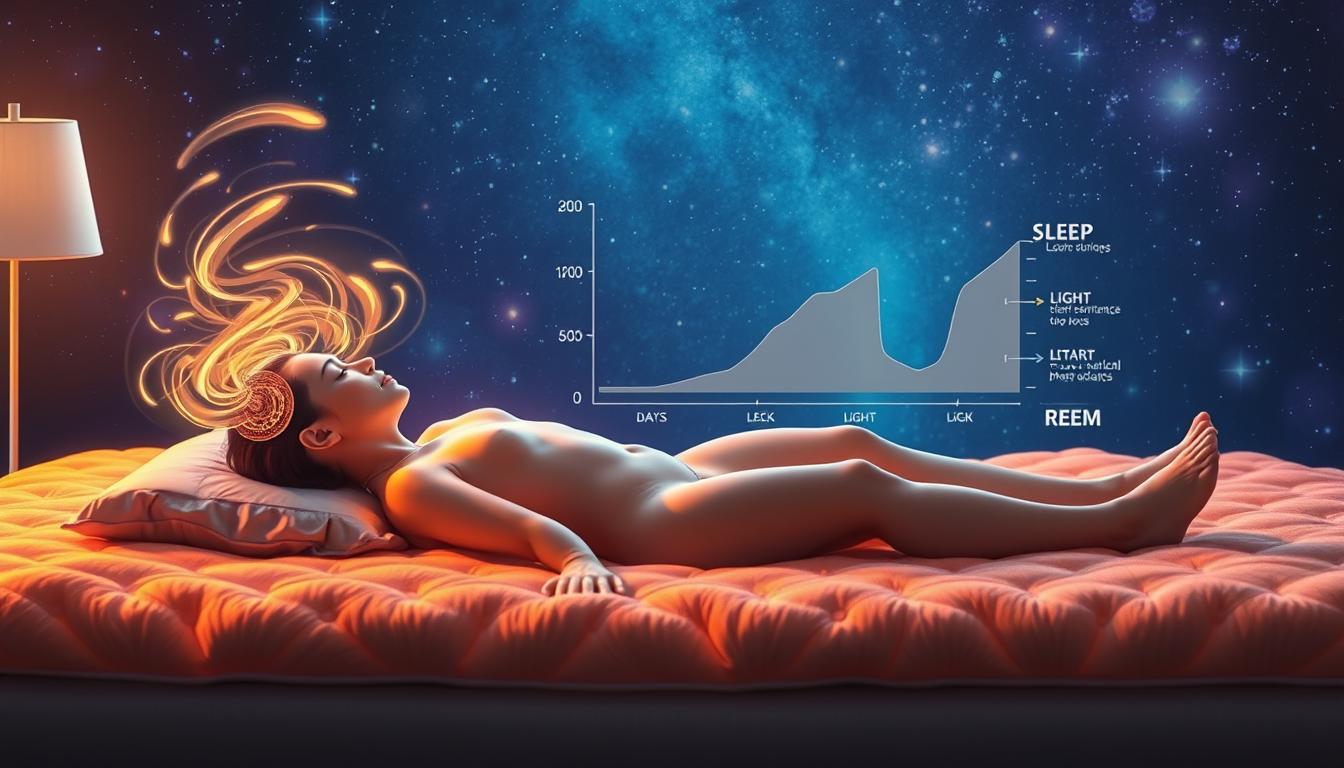
REM sleep, the final stage, fuels creativity and emotional resilience. Your muscles temporarily paralyze, but your brain buzzes with activity—sorting memories and solving problems.
Circadian Rhythms: Your Body’s Internal Clock
Your circadian rhythms, governed by the suprachiasmatic nucleus, sync your body with daylight. Light exposure suppresses melatonin, the sleep hormone, while darkness signals repair mode.
Disrupting these cycles—like with weekend lie-ins—delays deep sleep and REM. Chronic misalignment risks metabolic havoc and weakened immunity. Consistency is key.
The Lifespan Cost of Sleep Deprivation
Chronic sleep loss isn’t a badge of honor; it’s a silent accelerator of disease. Your body pays a steep price for every hour of missed rest—from eroded DNA to a weakened immune system.
How Poor Sleep Accelerates Aging
Telomeres, the protective caps on your chromosomes, shorten faster with poor sleep. Research shows this erosion mimics six years of aging. Your cells literally age prematurely.
During deep sleep, your brain clears beta-amyloid plaques—toxins linked to Alzheimer’s. Skimping on rest lets these plaques accumulate, raising neurodegenerative risks.

Sleep Deprivation and Chronic Disease Risk
Just one week of sleep deprivation spikes hunger hormones by 24%. It also slashes breakfast satiety by 26%, setting the stage for metabolic chaos and weight gain.
Your immune system weakens too. Getting fewer than six hours triples your chances of catching a cold. Gum disease risks rise as enamel erodes and defenses drop.
Worse, cortisol surges from chronic rest loss fuel inflammation. This proactive stress response hikes your risk of heart disease and insulin resistance over time.
- Cellular aging: Telomeres shorten like those of someone six years older.
- Brain health: Beta-amyloid plaques build up without deep sleep.
- Metabolism: Hunger hormones spike, satiety plummets.
- Immunity: 3x higher cold risk with under six hours.
- Heart risks: Inflammation drives chronic disease.
Sleep’s Impact on Metabolic Health
Your metabolism operates like a finely tuned engine—skimping on rest throws it into chaos. Even one night of poor sleep triggers acute insulin resistance, making cells ignore glucose signals. By dawn, your blood sugar levels spike as if you’ve eaten a sugary meal.

The Link Between Sleep and Insulin Resistance
During deep sleep, muscles absorb glucose efficiently. Miss this phase, and cortisol rises, locking sugar in your bloodstream. A 2023 study found this effect mirrors early diabetes markers after just 48 hours of deprivation.
The cycle worsens over time. High blood sugar disrupts sleep architecture, which then exacerbates insulin resistance. It’s a vicious loop—but fixable with consistent rest.
Hunger Hormones and Weight Gain
Sleep deprivation hijacks appetite control. Leptin (the “fullness” hormone) drops by 18%, while ghrelin (the “hunger” hormone) surges by 24%. This imbalance drives cravings for carbs and sweets—up to 400 extra calories daily.
Proactive fixes include:
- Avoiding caffeine after 2 PM to protect sleep quality
- Choosing protein-rich snacks over sugary fixes
- Resetting your rhythm with a 7-day caffeine detox
Poor rest also erodes dental health. Sugar binges accelerate enamel erosion, while dry mouth from snoring invites cavities. Your metabolic health and smile depend on those nightly repair cycles.
Sleep and Heart Health: A Silent Guardian
Your heart works tirelessly—even at rest, it relies on nightly recovery to stay strong. During quality rest, your cardiovascular system gets critical maintenance. Miss these repair windows, and the damage compounds silently.
Blood Pressure and Sleep Apnea Risks
Healthy hearts need a 10-20% nightly blood pressure dip. This drop lets arteries relax. But with sleep apnea, breathing pauses prevent this crucial reset.
Half of ADHD children show similar breathing disruptions. Each episode starves tissues of oxygen delivery, forcing the heart to work harder. Over time, this strains the entire system.
| Sleep Stage | Heart Impact | Risk Without It |
|---|---|---|
| Deep (Stage 3-4) | Growth hormone release repairs vessels | 6% higher CAD risk per hour under 6 hours |
| REM | Autonomic nervous system resets | Blood pressure spikes during dream surges |
How Deep Sleep Protects Your Cardiovascular System
During deep sleep, your body releases human growth hormone. This triggers vascular repair and clears inflammation. Without it, artery walls stiffen prematurely.
Women face unique risks—menopausal hormone shifts worsen sleep apnea. Proactive screening catches these silent threats early.
- Nightly rhythm: Consistent bedtimes maintain blood pressure dips
- REM caution: Heart rate variability peaks during dream phases
- Gender gap: Postmenopausal women need apnea checks
Sleep’s Role in Brain Function and Emotional Well-Being
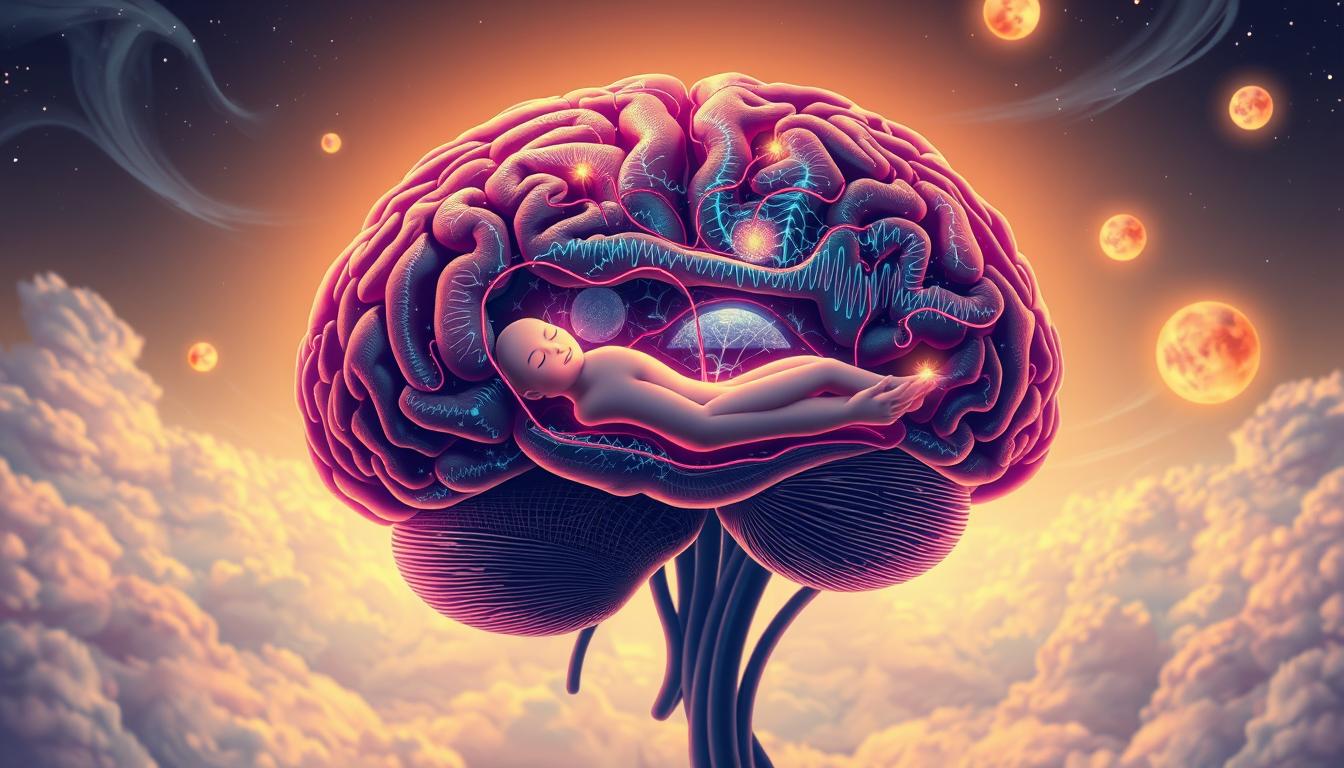
Your brain doesn’t shut down when you close your eyes—it shifts into high gear. Nightly rest transforms experiences into memory, processes emotions, and resets your stress response. Skip these cycles, and your mental edge dulls fast.
Memory Consolidation and Cognitive Decline
During deep sleep, hippocampal activation transfers daily learning to long-term storage. Special brain waves called sleep spindles package this data securely. Miss this phase, and recall drops by up to 40%.
Chronic deprivation has graver consequences. Getting under five hours nightly doubles Alzheimer’s biomarkers. Your brain can’t clear toxic proteins without uninterrupted rest.
Stress, Cortisol, and Sleep Quality
REM sleep acts as an emotional reset button. It processes traumatic events by replaying them at lower intensity. This nightly therapy requires 90-minute cycles to work fully.
Your cortisol curve should drop 65% overnight. Foam rolling for 10 minutes before bed helps achieve this by lowering tension. Journaling also cuts pre-sleep anxiety by 42%, studies show.
- Gender gap: Perimenopause brings 2x higher insomnia rates due to hormonal shifts
- Five-minute fix: Evening meditation slashes pulse rates and stress hormones
- Protection plan: Consistent sleep schedules guard against cognitive decline
How to Optimize Your Sleep for Longevity
Transform your nightly rest into a longevity-boosting ritual with science-backed strategies. Your bedtime environment, schedule, and habits directly impact cellular repair and brain function. Here’s how to engineer them for maximum benefit.

Creating a Sleep-Inducing Bedroom Environment
Light pollution is your routine’s worst enemy. Keep ambient light below 5 lux—equivalent to a dim nightlight. Blackout curtains or a sleep mask help achieve this.
Thermal regulation matters too. Aim for 60–67°F using cooling mattress pads or breathable linens. Your body drops its core temperature to initiate consistent sleep cycles naturally.
The Power of Consistency: Sleep Schedules
Vary your bedtime by less than one hour daily. This protects circadian rhythms and prevents grogginess. For jet lag recovery, adjust in 15-minute increments over four days.
- Schedule hacking: Use gradual shifts to reset your internal clock without shock.
- Sleep debt repayment: Extend weekend rest by two hours—but skip alarms to avoid fragmentation.
Pre-Bed Rituals for Deeper Rest
An analog hour before bed primes your nervous system. Swap screens for red-light reading or journaling. Studies show this cuts pre-sleep anxiety by 42%.
Caffeine needs a hard cutoff. Try a one-week reset with herbal tea and hydration tracking. Your pre-bed rituals should signal wind-down, not alertness.
Conclusion
Modern culture treats rest as expendable, but your cells beg to differ. Over 32 years of your life will be spent recharging—those hours determine whether your systems thrive or deteriorate. Quality rest clears toxins, repairs DNA, and resets stress responses nightly.
During deep sleep, your body activates glymphatic drainage, flushing Alzheimer’s-linked proteins from brain tissue. Simultaneously, growth hormone rebuilds blood vessels and muscles. Dr. Zalzala’s research proves skipping these cycles negates 40% of diet and exercise benefits.
Start tonight with these proactive rituals:
- Light control: Use blackout curtains to maintain 5 lux darkness
- 15-minute journaling: Reduces pre-bed anxiety by 42%
- Magnesium snack: Almonds or pumpkin seeds relax nervous systems
| With Quality Sleep | With Chronic Deprivation |
|---|---|
| Telomeres lengthen (slows aging) | Cells age 6 years faster |
| Memory consolidation peaks | Alzheimer’s risk doubles |
| Metabolic rate stabilizes | 400 extra calories consumed daily |
Beware of “sleep debt” normalization—high performers often boast about all-nighters, but their cortisol levels tell a different story. Your health isn’t a sprint; it’s a marathon powered by consistent, restorative nights.
Quick Answers to Common Questions
How does sleep apnea harm your heart?
Frequent breathing pauses starve tissues of oxygen, causing arterial inflammation. This spikes congestive heart failure risks by 58%.
Can poor rest trigger insulin resistance?
Yes. Missing deep sleep phases reduces glucose absorption by muscles. Blood sugar stays elevated, mimicking early diabetes markers.
Why do cortisol levels matter?
High nighttime cortisol disrupts circadian rhythms, keeping your body in stress mode. This weakens immunity and slows cellular repair.
For natural stress relief, explore evidence-based supplements that support relaxation without grogginess.