Seven out of ten people with chronic health issues face a shocking truth. Their medicines often cause new complications instead of helping. This hidden problem affects millions in the U.S., with studies showing it leads to nearly 25% of ER visits each year.
Many people find their tiredness, digestive issues, or brain fog come from drug interactions or wrong doses. Doctors often miss these signs, leading to more tests and delayed care.
To fight this, become an informed advocate for your health. Simple steps like tracking side effects, understanding how your body processes drugs, and asking the right questions can make a big difference. This guide shows you how to stop your symptoms from getting worse.
Key Takeaways
- 70% of chronic illness patients experience medication-related complications
- Drug side effects often mimic other health conditions
- Proper dosage requires individual biological factors
- Documenting symptoms helps identify problematic prescriptions
- Second opinions prevent misdiagnosis risks
- Nutrition impacts medication effectiveness
The Medication Paradox: When Treatment Becomes the Problem
Modern medicines save lives, but sometimes they cause harm. This problem affects millions who don’t know they’re facing medication risks. Let’s look at why treatments can backfire and how your body plays a role.
How Modern Medicine Creates Unintended Consequences
Nearly 1 in 4 emergency room visits are due to bad drug reactions. This shows our growing drug-induced illness crisis. Treatments like blood thinners can cause bleeding, and antidepressants can trigger anxiety.
The Rising Trend of Prescription-Related Illnesses
Doctors see patients with “prescription cascades” – when side effects are mistaken for new diseases. For example, a beta blocker meant to lower blood pressure might cause fatigue, mistaken for thyroid issues. This leads to more medication, causing 23% of preventable hospitalizations.
Why Doctors Sometimes Miss Medication Risks
Doctors face two big challenges:
- They often don’t have enough time to review medications fully.
- Clinical trials don’t always reflect real-world use.
Drug safety studies often leave out older adults and those with multiple conditions. These are the people most likely to use these medications long-term.
Your Body’s Silent Rebellion Against Chemicals
Your genes and immune system affect how you process drugs. About 40% of people have CYP450 enzyme variations that change drug metabolism. These genetic differences can make standard doses dangerous for some.
Genetic Factors Affecting Drug Metabolism
Here’s a real-world example:
| Gene Variant | Affected Drug | Risk Increase |
|---|---|---|
| CYP2D6 Poor Metabolizer | Codeine | 300% overdose risk |
| CYP2C19 Rapid Metabolizer | Clopidogrel | 4x heart attack risk |
Chronic Inflammation and Medication Sensitivity
Persistent inflammation changes how your body processes drugs. An inflamed liver metabolizes medications faster, while inflamed intestines absorb them unpredictably. This is why supplements that help relieve stress can work better than prescriptions for inflammation-related conditions.
7 Common Ways Prescriptions Worsen Your Health
Modern medicines often cause new health problems while treating old ones. Let’s look at three key ways your prescriptions might harm you. These risks are often overlooked.
The Domino Effect of Side Effects
Many drugs start a chain of health issues. For example, a blood pressure drug might cause swelling. This leads to taking diuretics, which then lowers potassium levels.
This cycle can make you take more pills to fix problems caused by the first drug.
How One Symptom Treatment Creates New Problems
Antidepressants often lead to weight gain, which may require diabetes meds. A 2022 Johns Hopkins study found 41% of patients get new health issues needing more meds within two years of starting SSRIs.
Drug-Induced Nutrient Depletion
Many drugs quietly take away essential nutrients:
- Proton pump inhibitors (PPIs) reduce iron and B12 absorption
- Statins drain CoQ10 – crucial for heart function
- Metformin depletes folate and vitamin B12
Essential Vitamins/Minerals Drained by Medications
Long-term PPI users face big risks. Research shows 62% develop magnesium deficiencies in five years. This can cause muscle cramps and heart rhythm problems. This nutrient loss happens quietly, often mistaken for new health issues.
Gut Health Destruction Cycle
Your digestive system gets hurt by many drugs. Antibiotics kill good bacteria, while NSAIDs damage stomach lining. The results? 70% of chronic PPI users get small intestinal bacterial overgrowth (SIBO), leading to new digestive problems.
PPIs, Antibiotics, and Microbiome Damage
Recent studies show antibiotics change gut flora for up to two years after use. Add acid-reducers messing with digestion, and you get a bad mix for malnutrition and weak immunity. Many patients think these drug-induced gut problems are food intolerances.
Why Your Prescription Might Be Making You Sicker
Your medicine cabinet might hold unexpected threats. Even drugs labeled “safe” or “mild” can trigger health issues. This happens when used improperly or combined with biological vulnerabilities. Let’s explore how trusted treatments become hidden hazards.

The Hidden Dangers of “Safe” Medications
Over-the-counter drugs and commonly prescribed antidepressants often fly under the radar of safety concerns. But research reveals startling risks lurking behind familiar labels.
OTC Drugs With Unexpected Risks
That ibuprofen bottle in your nightstand isn’t harmless. A 2023 study found 34% increased heart attack risk in regular NSAID users. Common pain relievers also:
- Damage gut lining within 7 days of continuous use
- Raise blood pressure in 1 out of 5 adults
- Interfere with antidepressant effectiveness
| OTC Drug | Common Use | Hidden Risk | Prevalence |
|---|---|---|---|
| NSAIDs | Pain relief | Cardiovascular damage | 34% risk increase |
| Antacids | Heartburn | Nutrient malabsorption | 52% deficiency rate |
| Allergy Meds | Hay fever | Cognitive decline | 27% faster memory loss |
Common Antidepressants and Physical Health Impacts
SSRIs like sertraline and fluoxetine can disrupt more than brain chemistry. Long-term users face:
- 15% higher osteoporosis risk
- Blood sugar spikes equivalent to prediabetes
- Increased nighttime falls in older adults
When Standard Doses Become Dangerous
Pharmaceutical dosing often ignores biological reality. Your body’s unique characteristics determine drug safety more than population averages.
Body Weight vs. One-Size-Fits-All Prescribing
Standard doses fail 28% of obese patients according to NIH data. Weight-related dosing errors cause:
- Overmedication in lighter individuals
- Undertreatment in heavier patients
- 40% higher ER visits for dosing complications
Age-Related Metabolic Changes Ignored
Your liver processes drugs 30% slower at 65 than at 35. Yet most prescriptions use adult dosing guidelines for:
- Kidney function declines
- Body fat percentage changes
- Brain barrier permeability shifts
Ask your doctor about pharmacogenetic testing and dose adjustments. A simple cheek swab could reveal if standard prescriptions put you at risk.
Recognizing Medication-Induced Illness
Your body might be sending distress signals that even doctors misread. Medication-related health issues often go unnoticed because they look like common diseases. This makes it hard for patients to get the right treatment.

When Your Symptoms Wear Disguises
Drug-induced illnesses frequently copycat natural diseases, tricking both patients and providers. A 2022 Johns Hopkins study found 23% of autoimmune diagnoses were actually medication reactions in disguise.
Drug-induced lupus and autoimmune presentations
Blood pressure medications like hydralazine can trigger joint pain and rashes identical to lupus. Unlike traditional autoimmune diseases, these symptoms typically fade within weeks of stopping the medication.
Psychiatric medications causing physical symptoms
Antidepressants often create unexplained weight gain or digestive issues that get mislabeled as metabolic syndrome. “Patients don’t realize their SSRI could be altering their gut microbiome,” notes pharmacologist Dr. Ellen Torres.
The Hidden Traps in Diagnosis
Specialists often miss medication connections because they focus on body systems rather than your complete drug history. Cardiologists overlook that 18% of their patients’ fatigue comes from beta-blockers, not heart disease.
Why specialists miss medication connections
Proton pump inhibitors (PPIs) for acid reflux quietly damage kidneys in 1 in 200 users. Nephrologists frequently treat the resulting kidney disease without addressing the root cause – those “harmless” heartburn pills.
Red flags for prescription-related decline
- New symptoms appearing within 3 months of starting a drug
- Lab values worsening despite treatment compliance
- Multiple specialists prescribing conflicting medications
“40% of cardiology patients taking statins develop muscle pain mistaken for aging – but only 12% of cardiologists make the connection.”
Drug Interactions: The Silent Health Saboteurs
Your medicine cabinet might hide dangerous partnerships you never approved. While doctors focus on individual prescriptions, 19% of hospitalizations stem from combinations slipping through medical cracks. These silent threats often surface weeks or months after starting treatment.
Dangerous Combos Doctors Overlook
Modern treatment plans often create chemical conflicts. Patients using antidepressants with painkillers and supplements face a triple risk:
SSRIs + Painkillers + Supplements Cocktail
Mixing SSRIs like Prozac with NSAIDs (Advil, Aleve) increases bleeding risks by 60%. Adding St. John’s Wort supplements raises the risk of serotonin syndrome. Symptoms include confusion and rapid heart rate, often misdiagnosed.
Blood Pressure Meds and OTC Cold Remedies
Decongestants in Sudafed counteract ACE inhibitors’ effects. This combo can spike blood pressure dangerously high within hours. Many patients discover this risk only during ER visits.
Food-Medication Time Bombs
Your kitchen contains landmines for common prescriptions. These interactions alter drug effectiveness or create toxic side effects:
Grapefruit Juice Interactions Beyond Statins
While statin warnings are common, grapefruit also disrupts:
- Anti-anxiety drugs (Xanax)
- Organ transplant medications
- Certain cancer therapies
The fruit’s compounds permanently disable digestive enzymes for 24+ hours.
Dairy Products and Antibiotic Effectiveness
Calcium-rich foods bind to tetracyclines and fluoroquinolones. This creates non-absorbable complexes, reducing antibiotic effectiveness by 50-80%. Wait 4 hours between dairy and doses for proper absorption.
“Patients using warfarin should monitor vitamin K intake like accountants track pennies – sudden changes undo blood-thinning effects completely.”
Cheese lovers face hidden risks too. Aged cheeses contain tyramine that interacts with MAO inhibitors, potentially causing hypertensive crises. Always ask about dietary holds when starting new prescriptions.
The Long-Term Use Trap
Your medicine cabinet might hide a slow-acting threat. Many common drugs work safely for weeks or months. But, they become harmful time bombs when used for years. Let’s uncover how extended use transforms temporary solutions into permanent problems.

Medications Designed for Short-Term Relief
Some drugs work like emergency bandaids – effective temporarily but damaging when left on too long:
Benzodiazepines and permanent neurological changes
Sleep aids like alprazolam (Xanax) and lorazepam (Ativan) alter brain chemistry within weeks. A Journal of Clinical Medicine study shows 6+ months of use:
- 34% higher dementia risk
- 50% reduction in GABA receptors
- Increased anxiety between doses
Proton pump inhibitors and rebound acidity
Stomach acid reducers (Nexium, Prilosec) create dependency in 8-12 weeks. Long-term users face:
- 52% higher fracture risk (10-year study)
- Magnesium deficiency in 65% of cases
- Worse heartburn when stopping
Cumulative Toxicity Over Years
Your body’s detox systems get overwhelmed by daily drug intake. Consider these hidden threats:
Acetaminophen’s liver damage timeline
Regular Tylenol use stacks up:
- Year 1-2: Normal liver enzymes
- Year 3-5: Silent scarring begins
- Year 5+: 80% higher cirrhosis risk
Anticholinergic drugs and dementia risk
Allergy meds (Benadryl) and bladder drugs (Ditropan) score on the anticholinergic burden scale:
- 1 point/day = 19% higher dementia risk
- 3+ points/day = 54% cognitive decline
Harvard researchers found patients using these drugs for 7+ years showed brain aging equivalent to 4 extra years. Your medication harm prevention strategy should include annual “drug holidays” and alternative therapies.
High-Risk Populations: Are You Vulnerable?
Medications can save lives, but some groups face higher medication risks. This is due to biological factors and treatment complexity. Let’s look at who’s most at risk and why standard treatments often fail.

Senior Citizens: When Treatments Collide
83% of Americans over 65 take multiple prescriptions daily. This creates a high-risk situation for prescription safety concerns. As people age, their bodies process drugs differently, leading to potential crises.
Polypharmacy Dangers in Elderly Patients
Research from Johns Hopkins shows that taking 5+ medications increases fall risk by 38%. Common issues include:
- Duplicate drugs treating the same symptom
- Sedatives conflicting with blood pressure meds
- Memory issues causing dosage errors
Reduced Kidney/Liver Function Complications
With age, organs that filter medications weaken. A 75-year-old’s kidneys process drugs 50% slower than a 30-year-old’s. This leads to:
- Accumulated toxicity from standard doses
- Unexpected drug interactions
- Hospitalization from “safe” pain relievers like NSAIDs
Chronic Illness Patients: The Stacking Effect
Those managing long-term conditions often face medication stacking risks. New scripts are added to mask side effects of existing ones.
Autoimmune Disease Treatment Cascades
RA patients often experience this dangerous pattern:
- Start with methotrexate
- Add biologics for breakthrough inflammation
- Prescribe antibiotics for weakened immunity
- Introduce antidepressants from chronic pain
Pain Management Opioid Spirals
A 2023 Mayo Clinic study found 1 in 4 chronic pain patients develop dependency within 8 months of opioid use. Warning signs include:
- Needing higher doses for same relief
- Withdrawal symptoms between doses
- New prescriptions for constipation/nausea caused by opioids
If you recognize these patterns, ask for a complete medication review with your care team. Bring all supplements and OTC drugs – they account for 28% of dangerous interactions in high-risk groups.
Diagnostic Challenges: Why Nobody Catches It
Modern healthcare often misses signs of health decline linked to medications. Doctors are great at treating diseases but sometimes can’t link worsening symptoms to the drugs they’ve prescribed. This leads to many patients suffering from drug-induced illness without knowing why.

Specialization Blind Spots in Healthcare
Today’s medicine focuses on specific organs, leading to knowledge gaps. Specialists might only watch what’s in their area, missing the big picture of how drugs affect the whole body.
Cardiologists Missing Psychiatric Drug Effects
Beta-blockers help control blood pressure but can hide depression signs. Most cardiologists don’t check for mood changes, leaving mental health issues unseen.
Psychiatrists Overlooking Metabolic Impacts
Antipsychotics manage mental health but can cause weight gain and blood sugar issues. Few psychiatrists check metabolic panels, missing diabetes signs in patients.
The 7-Question Test Your Doctor Should Administer
Brown University’s Medication Appropriateness Index is key for medication harm prevention. Always ask these questions during prescription reviews:
Key Medication Review Questions
- “Is there documented proof this drug still works for me?”
- “Could my new symptoms be side effects rather than new illnesses?”
- “Are we monitoring the right biomarkers for this treatment?”
Interpreting Lab Results Differently
Standard lab ranges don’t consider medication effects. For example, lithium patients might have “normal” TSH levels, but levels below 2.5 are safer to prevent thyroid damage.
“Lab results must be read through the lens of current medications – normal doesn’t always mean safe.”
Ask for more tests if you’re on multiple medications. A basic metabolic panel might not catch drug-related nutrient deficiencies. Your pharmacist can suggest the right tests for your meds.
How to Talk to Your Doctor About Medication Risks
Talking to your doctor starts before you see them. Being ready with your info and questions makes your concerns clear. This way, you can work together to make safe choices.
Pre-Appointment Preparation Checklist
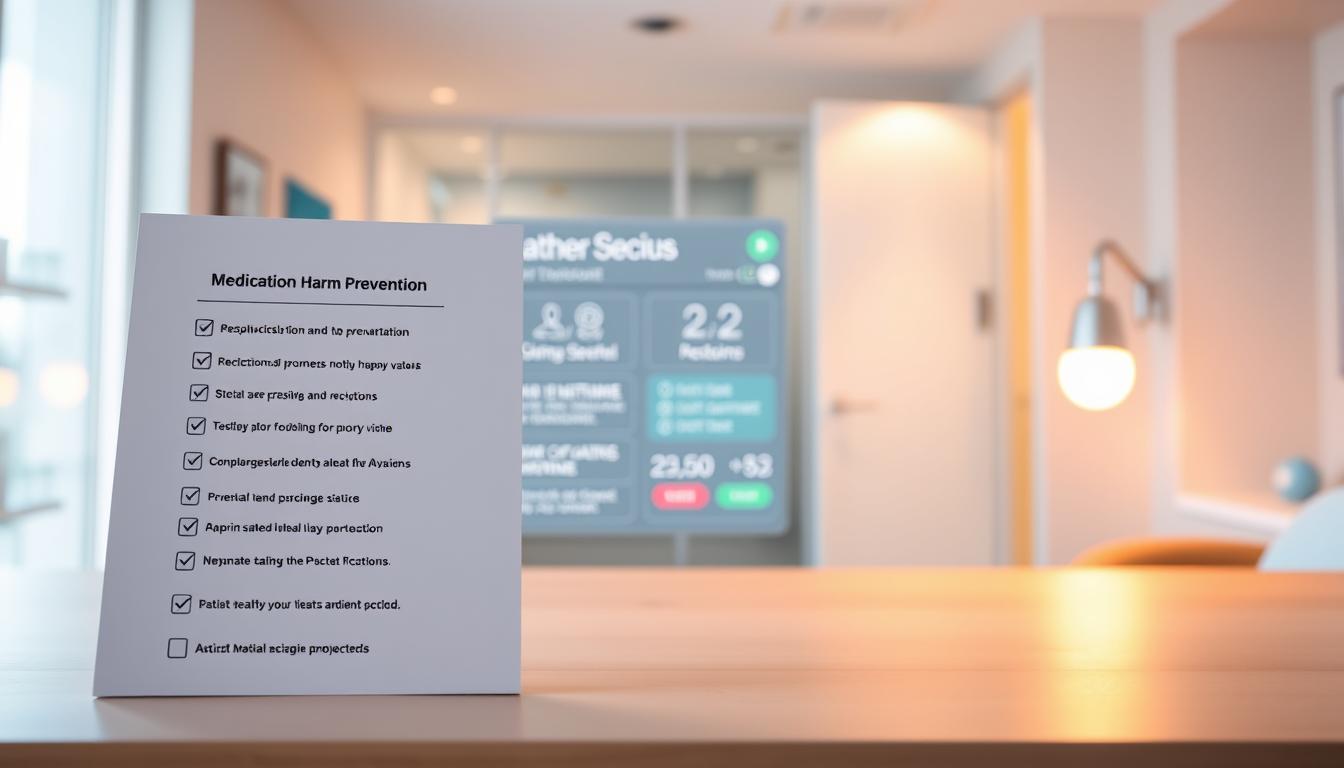
Get ready with proof before talking about medication harm prevention. A prepared patient gets better care and avoids wrong guesses.
Creating Your Personal Medication Dossier
Make a detailed list of:
- All prescription medications (names, doses, start dates)
- Over-the-counter drugs and supplements
- Previous adverse reactions or allergies
- Family history of medication sensitivities
Tracking Symptom Patterns Effectively
Keep a symptom journal or use an app to track:
- When symptoms happen compared to when you take your meds
- Any physical or mental changes
- Things that make symptoms better or worse
Communication Strategies That Work
Doctors like patients who ask smart questions. Use medical terms and share your personal experience.
Phrases That Get Doctors’ Attention
Start with these questions:
- “Could we review the Naranjo Algorithm for causality assessment?”
- “I’m experiencing [specific symptom] since starting this dose – what’s our deprescribing plan?”
“Patients who bring organized data receive 73% more comprehensive medication reviews.”
When to Request a Medication Review
Ask for a review if you:
- Get new chronic symptoms
- Start taking meds from different doctors
- Notice changes in thinking or feeling tired
Set up “medication check-ups” every 6-12 months. Bring your dossier and symptom tracker. This helps have good medication harm prevention talks.
Evidence-Based Alternatives to Dangerous Prescriptions
What if you could tackle health issues without facing new problems? New studies show strong alternatives that work with your body, not against it. Let’s look at science-backed ways to cut down on risky meds.

Lifestyle Medicine Interventions
Your daily habits might be the ultimate prescription. Research shows lifestyle changes can be as good as drugs for many issues, without side effects. These methods tackle the real causes, not just symptoms.
Dietary Approaches for Metabolic Issues
The DASH diet can lower blood pressure as well as some meds for mild hypertension. A 12-week study showed:
- Increased potassium-rich foods
- Strategic sodium reduction
- Omega-3 focused meal planning
Exercise Protocols Replacing Antidepressants
Regular aerobic exercise is as good as SSRIs for mild-to-moderate depression. A JAMA Psychiatry study found:
| Treatment | Response Rate | Relapse Risk |
|---|---|---|
| SSRIs | 62% | 42% |
| Exercise | 67% | 28% |
Safer Pharmaceutical Alternatives
When meds are still needed, newer options are safer. Precision medicine targets specific biological pathways, reducing whole-body effects.
Newer Drugs With Better Safety Profiles
SAMe supplements have antidepressant effects like SSRIs but with fewer stomach issues. Targeted diabetes meds like SGLT2 inhibitors lower hospital risks by 32% compared to older sulfonylureas.
Targeted vs. Systemic Medications
Biologic drugs for autoimmune diseases target specific inflammatory markers, not the whole immune system. This reduces infection risks by up to 60% compared to traditional treatments.
“Lifestyle interventions aren’t alternative medicine – they’re foundational medicine. Drugs should supplement, not replace, these core strategies.”
Navigating Insurance and Pharmaceutical Pushback
Getting the right treatment can be tough. You might face challenges from insurance companies and drug makers. Here’s how to protect your health and your wallet.

Prior Authorization Survival Guide
Insurance companies often deny 1 in 5 requests for prior authorization. To overcome this, you need to document your case well.
Documentation Requirements for Alternatives
Insurers want to see that cheaper options didn’t work before they approve more expensive ones. You should gather:
- Dated records of adverse reactions
- Lab results showing treatment failure
- Peer-reviewed studies supporting your request
| Approval Type | Avg. Wait Time | Success Rate |
|---|---|---|
| Standard Approval | 3-5 Days | 89% |
| Prior Authorization | 14-21 Days | 43% |
Appealing Denied Claims Successfully
72% of initial denials are overturned on appeal. Follow this three-step process:
- Request denial details in writing within 48 hours
- Submit new evidence from independent specialists
- File external review if denied again
Detecting Marketing Influence in Prescribing
Pharma companies spend $20 billion a year to influence doctors. Be aware when money might influence your treatment.
Recognizing Drug Rep-Driven Protocols
Look out for these signs in your prescriptions:
- Newer drugs without long-term safety data
- Brand names when generics exist
- Unexpected medication switches
“Doctors who receive industry payments prescribe 58% more brand-name drugs than peers.”
Independent Research Sources for Patients
Use these unbiased tools to check your prescriptions:
| Resource | Best For | Update Frequency |
|---|---|---|
| Open Payments Database | Doctor payment disclosures | Monthly |
| ClinicalTrials.gov | Ongoing research data | Daily |
Always ask providers: “What non-pharma-funded studies support this treatment?” It’s your right to know who’s funding your care recommendations.
Real Patient Stories: Medication Harm and Recovery
Every prescription bottle has a story behind it. Some are tales of healing, while others are about unexpected challenges. These stories show how harmful medications can sometimes make health problems worse instead of better.
The Antidepressant Cascade
20-year medication spiral and recovery
Soma Biwas began taking antidepressants at 28 for anxiety. Over 20 years, doctors added six more drugs to manage side effects of medication:
- Weight gain (25 lbs in first year)
- Type 2 diabetes diagnosis at 34
- Recurrent bladder infections requiring antibiotics
“I felt like a walking pharmacy,” Soma says. “Every new problem led to another pill until I didn’t know myself anymore.” A nutritionist helped her see that long-term drug use had caused severe nutrient deficiencies.

Statin-Induced Crisis
Muscle damage misdiagnosed as aging
James Keller’s cholesterol medicine caused a 5-year health crisis that doctors thought was just aging:
“I went from hiking 5 miles a day to needing a cane at 62. Three doctors missed the link until my new GP tested my CPK.”
The test showed statin-induced myopathy – muscle damage thought to be from aging. After stopping the drug and starting rehab:
- 70% mobility improvement
- Liver enzyme levels normalized
- Chronic pain reduced by 80%
These stories show why it’s crucial to watch for side effects of medication. Recovery often starts when someone wonders: “Could my medicines be causing new problems?”
Your Medication Safety Action Plan
Managing your health with medication needs a clear plan. This 3-step guide helps you spot risks, get support, and safely change medications if needed.
Step 1: Comprehensive Medication Audit
Begin by listing every drug you take, including:
- Prescription medications
- Over-the-counter drugs
- Supplements and herbal remedies
How to create a drug interaction chart
- Download the MedActionPlan template (linked in resources)
- Color-code medications by prescribing doctor
- Highlight any risky combinations
“40% of adverse drug reactions stem from preventable interactions”
Step 2: Building Your Healthcare Team
Your regular doctor might not handle complex meds. Look for:
Finding medication management specialists
- Board-certified pharmacotherapy specialists (look for BCPS credentials)
- Functional medicine practitioners with pharmaceutical training
- Medication therapy management (MTM) pharmacists
Step 3: Tapering Protocols Done Right
Never stop medications suddenly. The Horowitz benzodiazepine protocol shows why slow tapering is key:
Dangers of sudden medication cessation
| Medication Type | Withdrawal Risk | Safe Taper Speed |
|---|---|---|
| Antidepressants | Brain zaps, mood swings | 10% reduction every 4 weeks |
| Blood pressure meds | Rebound hypertension | 25% reduction every 2 weeks |
Use our free tapering calculator to tailor your tapering plan. It considers medication half-life and dosage history.
Conclusion: Taking Control of Your Pharmaceutical Health
Understanding why your prescription might be making you sicker starts with recognizing medication impacts extend beyond immediate symptoms. Your path to safer healthcare lies in proactive management. Regular medication reviews with qualified professionals can uncover hidden risks like nutrient deficiencies or cumulative toxicity.
Prioritize working with clinicians certified by the National Board of Medication Therapy Management. These specialists analyze how prescriptions interact with your biology, lifestyle, and existing conditions. Use their online certification lookup to verify credentials before appointments.
Three strategies protect against pharmaceutical harm. Maintain updated medication lists including supplements and over-the-counter drugs. Schedule quarterly check-ins to reassess dosages and necessity. Research alternatives through peer-reviewed sources like the Mayo Clinic or Johns Hopkins Medicine databases.
Advocate for personalized care when discussing why your prescription might be making you sicker. Ask prescribers about non-drug therapies covered by insurance, such as physical therapy for pain management or dietary interventions for metabolic issues. Document changes in symptoms after dosage adjustments using health tracking apps like MyFitnessPal or Cronometer.
Your health journey requires balancing medical expertise with self-awareness. Schedule a comprehensive medication audit this week, and share findings with your primary care provider. Empowerment grows when you question standard protocols and seek solutions aligning with your body’s unique needs.