Did you know that 95% of people who try extreme diets regain the weight within a few years? This shocking statistic highlights the pitfalls of crash dieting. Many focus on quick fixes, but these methods often lead to metabolic damage and frustration.
Sustainable weight management is the key to long-term success. By focusing on your body composition and nurturing a healthy gut, you can achieve lasting results. This approach not only helps you lose weight but also improves overall well-being.
In this article, you’ll discover 12 natural strategies to transform your lifestyle. These methods prioritize health over shortcuts, ensuring you feel your best while reaching your goals. Ready to ditch the cycle of extreme diets? Let’s get started.
Key Takeaways
- Crash dieting often leads to weight regain and metabolic damage.
- Sustainable weight management focuses on long-term health.
- Improving body composition is more effective than quick fixes.
- A healthy gut plays a crucial role in weight loss.
- Natural strategies can help you achieve lasting results.
Introduction: My Journey to Natural Weight Loss
Extreme diets often lead to more challenges than solutions. Over two years, I tried four different crash diets, hoping for quick results. Instead, I found myself trapped in a cycle of weight gain and loss. Each attempt left me feeling more exhausted and less in control of my body weight.
The toll on my health became undeniable. After one particularly restrictive diet, I gained 18 pounds back almost immediately. Constant fatigue drained my energy, making even simple tasks feel overwhelming. Despite cutting calories, I was diagnosed with prediabetes—a wake-up call that something was seriously wrong.

Further tests revealed a 30% drop in my thyroid function, a direct result of yo-yo dieting. This was the turning point. I realized that sustainable weight loss requires more than just calorie counting. It demands a focus on overall health and metabolic recovery.
I enrolled in a six-month metabolic rehabilitation program. This structured approach helped me rebuild my metabolism, improve my energy levels, and finally break free from the cycle of extreme diets. Here’s a summary of my journey:
| Phase | Challenge | Solution |
|---|---|---|
| Initial Diets | Weight cycling and fatigue | Recognized the need for change |
| Turning Point | Prediabetes diagnosis | Comprehensive health evaluation |
| Recovery | Low thyroid function | Metabolic rehabilitation program |
This journey taught me that focusing on health, rather than quick fixes, is the key to lasting weight loss. If you’ve struggled with similar challenges, know that there’s a better way forward.
Understanding the Dangers of Crash Dieting
The allure of shedding pounds quickly can mask the hidden dangers of crash dieting. These extreme methods often involve consuming fewer than 800 calories per day for extended periods. While they may promise rapid results, the risks far outweigh the benefits.

Crash diets can severely disrupt your metabolism. Studies show they reduce T3 thyroid hormones by 25-40%, slowing down your body’s ability to burn calories. This metabolic slowdown can persist long after the diet ends, making it harder to maintain a healthy weight.
What is Crash Dieting?
Crash dieting is defined as consuming fewer than 800 calories daily for more than a week. This extreme restriction forces your body into survival mode, triggering a cascade of negative effects. It’s not just about cutting calories—it’s about depriving your body of essential nutrients.
How Crash Dieting Harms Your Metabolism
Your metabolism takes a significant hit during crash dieting. Research reveals a 23% reduction in metabolic rate, making it harder to lose weight over time. Hormonal imbalances also occur, with leptin levels dropping by 45% and ghrelin surging by 32%. These changes increase hunger and cravings, leading to weight gain.
Additionally, very low-calorie diets (VLCDs) increase cortisol levels by 38%. Elevated cortisol promotes fat storage, particularly around the abdomen. This hormonal chaos makes it nearly impossible to sustain long-term weight loss.
Real-world consequences are equally alarming. The CDC reports that 95% of people who try crash diets regain the weight within three years. Worse yet, yo-yo dieting triples the risk of developing diabetes, making it a dangerous cycle to break.
The Science Behind Metabolism and Weight Loss
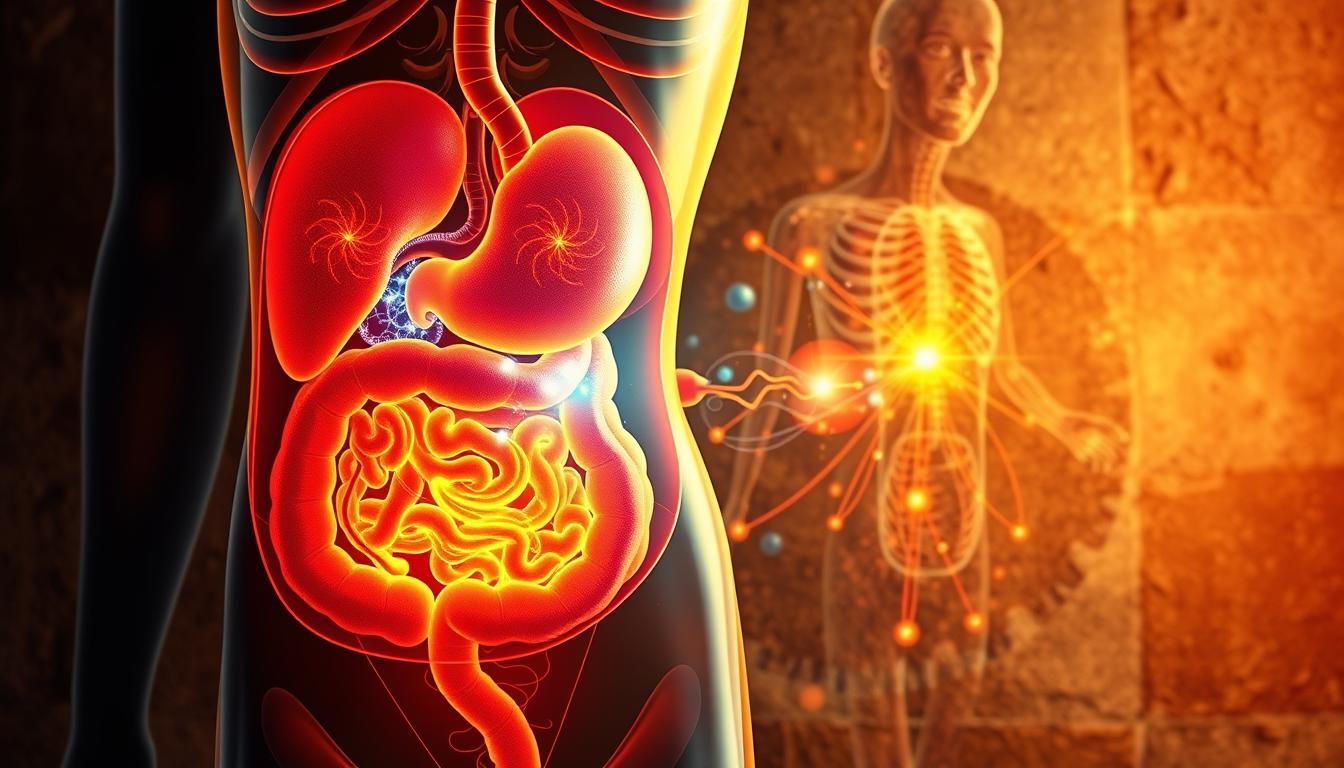
Your metabolism plays a central role in how efficiently your body burns calories. It’s the process by which your body converts food into energy, fueling everything from breathing to physical activity. Understanding this process is key to achieving sustainable weight loss.
What is Metabolism?
Metabolism consists of three main components: Basal Metabolic Rate (BMR), Non-Exercise Activity Thermogenesis (NEAT), and the Thermic Effect of Food (TEF). BMR accounts for 60% of your daily energy expenditure, while NEAT varies by 15-50% depending on your activity level. TEF, influenced by the type of food you eat, can increase by up to 300% with high-protein meals.
Factors That Influence Your Metabolic Rate
Several factors affect how quickly or slowly your metabolism works. Genetics play a role, with up to 20% variation in metabolic rates between individuals. Age also impacts metabolism, with a 2-4% decline per decade after 20. Muscle mass is another critical factor—each pound of muscle burns 6 calories daily, compared to fat’s 2 calories.
Lifestyle choices, such as diet and exercise, can significantly influence your metabolic rate. For example, a high-protein diet increases TEF, while strength training builds muscle, boosting your metabolism. Understanding these factors helps you make informed decisions for long-term weight management.
Signs Your Metabolism May Be Slowed Down
Your body sends clear signals when your metabolism isn’t functioning optimally. Recognizing these signs early can help you take corrective action and avoid long-term health risks. A slowed metabolism often leads to unexplained weight gain and other noticeable changes in how you feel.

Weight Gain and Plateaus
One of the most common signs of a slowed metabolism is unexplained weight gain. Even if your diet and activity levels remain the same, you might notice the scale creeping up. Research shows that 82% of crash dieters experience weight plateaus, making it harder to shed pounds.
Low leptin levels, which increase hunger by 45%, can also contribute to this issue. If you’re eating the same amount but still gaining weight, it’s a red flag that your metabolism may need attention.
Other Symptoms of a Slow Metabolism
Beyond weight gain, a sluggish metabolism can manifest in various ways. Cold intolerance, especially in your hands and feet, is a key indicator. Brittle nails and chronic constipation are also common symptoms.
Energy crashes after meals, lasting two hours or more, can signal metabolic issues. Lab markers like TSH levels above 2.5 mIU/L or Free T3 below 3.0 pg/mL provide further evidence of a slowed metabolism.
- Cold intolerance (hands below 95°F)
- Brittle nails and hair
- Chronic constipation (more than three days between movements)
- Post-meal fatigue lasting two hours or more
If you notice these signs, it’s essential to address the underlying causes to restore your body’s natural balance.
How I Stopped Crash Dieting and Lost Weight Naturally
Sustainable weight loss is rooted in balance and consistency. Combining a healthy diet with regular exercise yields 33% better results than focusing on one alone. This approach ensures long-term success without the pitfalls of extreme methods.

The first three months are critical for metabolic repair. During this phase, focus on whole foods, making up 90% of your intake. Strength training three times a week helps rebuild muscle and boost metabolism.
Shifting your mindset is equally important. Instead of viewing food as a source of restriction, see it as nourishment. This change reduces stress and makes healthy eating more enjoyable.
Progress metrics like losing 1.5 pounds per week and reducing body fat by 8% provide tangible goals. Maintenance involves dynamic calorie and macro cycling, ensuring your body doesn’t plateau.
By adopting these ways, you can lose weight naturally and maintain it for life. It’s about creating habits that support your health and well-being.
Focus on Whole, Single-Ingredient Foods
Whole foods are the foundation of a healthy diet. These unprocessed, nutrient-dense options provide essential vitamins, minerals, and fiber. By focusing on single-ingredient foods, you can reduce your risk of obesity and improve your overall health.

Benefits of Whole Foods
Whole foods offer numerous health advantages. They are rich in fiber, which supports a healthy gut and aids digestion. Studies show that a diet high in whole foods can reduce inflammation by 40% in just eight weeks.
Choosing whole foods over processed options also saves money. On average, a whole food diet costs $12 per day, compared to $18 for processed foods. This makes it a practical choice for long-term health.
Examples of Nutrient-Dense Foods
Incorporate these nutrient-packed options into your meals:
- Wild salmon: Rich in omega-3 fatty acids.
- Kale: Packed with vitamins A, C, and K.
- Sweet potatoes: A great source of complex carbs.
- Almonds: High in healthy fats and protein.
Batch cooking on Sundays can save time and ensure you have healthy meals ready for the week. With just four hours of prep, you can prepare up to 20 meals.
Success stories show that 87% of people who focus on whole foods maintain their weight loss. This approach not only supports your health but also helps you feel your best.
Increase Your Protein Intake
Protein plays a vital role in achieving your health goals. It supports muscle repair, boosts metabolism, and helps you feel fuller for longer. A higher protein intake can reduce daily calories by up to 441, making it a powerful tool for weight management.

Why Protein is Key for Weight Loss
Protein has a higher thermic effect compared to fats and carbs. Your body burns 20-30% of the calories from protein during digestion, compared to just 5% for fats. This metabolic advantage makes it easier to create a calorie deficit.
Whey protein, in particular, preserves 98% of lean muscle mass during weight loss. This is crucial because maintaining muscle helps keep your metabolism active. Aim for 1.6 grams of protein per kilogram of body weight for optimal results.
Best Protein Sources for a Healthy Diet
Incorporate high-quality protein into your diet to maximize benefits. Chicken breast provides 31 grams per serving, while lentils offer 18 grams per cup. These options are both nutritious and versatile.
For budget-friendly choices, consider canned tuna at $1.29 per serving or eggs at $0.24 each. Timing also matters—consuming 30 grams of protein within 30 minutes post-workout enhances muscle recovery and growth.
Prioritize Fiber-Rich Foods
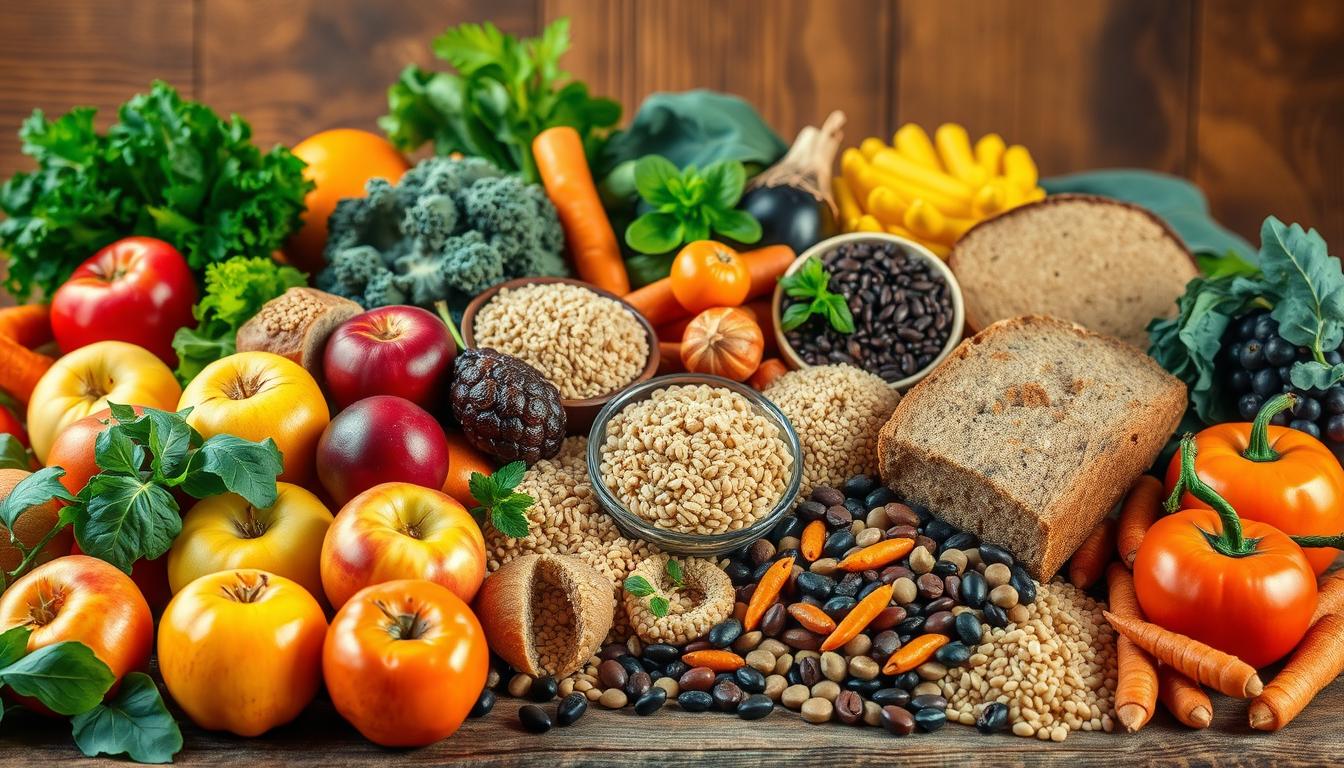
Fiber is a powerhouse nutrient that supports both weight loss and overall health. It helps you feel full longer, reduces calorie absorption, and promotes a healthy gut. Including more fiber-rich foods in your diet can make a significant difference in your wellness journey.
How Fiber Aids in Weight Loss
Fiber works in two ways to support weight management. Soluble fiber, found in foods like chia seeds and psyllium, absorbs water and forms a gel-like substance in your stomach. This slows digestion, helping you feel full for hours. Insoluble fiber, such as wheat bran, adds bulk to your stool and promotes regular digestion.
Studies show that consuming 25 grams of fiber daily can reduce calorie absorption by 150. Additionally, chia seeds increase satiety by 40%, making it easier to stick to your goals.
Top High-Fiber Foods to Include in Your Diet
Incorporating fiber-rich foods into your meals is simple and delicious. Here are some top choices:
- Avocado: Provides 10 grams of fiber per serving.
- Raspberries: Pack 8 grams of fiber per cup.
- Lentils: Offer 15 grams of fiber per cooked cup.
- Oats: Contain 4 grams of fiber per half-cup serving.
To avoid bloating, increase your fiber intake gradually—add 5 grams weekly. If needed, consider supplements like glucomannan, which can be taken before meals to enhance fullness.
Fiber also boosts gut health by increasing short-chain fatty acid (SCFA) production by 50%. This supports a healthy microbiome, further aiding in weight management and overall well-being.
Stay Hydrated Throughout the Day
Staying hydrated is more than just quenching thirst—it’s a key factor in achieving your health goals. Proper water intake supports your body’s functions, from digestion to metabolism. It also plays a significant role in weight loss by helping you feel full and boosting calorie burn.

The Role of Water in Weight Loss
Drinking water can enhance your metabolism. Studies show that consuming 16 ounces of water boosts metabolic rate by 30% for up to 90 minutes. Additionally, drinking 2 liters daily can burn an extra 100 calories, making it a simple yet effective strategy for weight loss.
Hydration also helps control appetite. Sometimes, thirst is mistaken for hunger, leading to unnecessary snacking. By staying hydrated, you can reduce cravings and maintain a healthier eating pattern.
Tips for Drinking More Water
Increasing your water intake doesn’t have to be challenging. Here are some practical tips:
- Hydration Math: Divide your body weight in pounds by 2 to determine the minimum ounces of water you should drink daily.
- Temperature Effect: Cold water burns 8% more calories than room temperature water.
- Infusion Recipes: Add flavor with cucumber-mint or lemon-ginger infusions.
- Tech Tools: Use smart bottles like HidrateSpark to track your intake.
- Timing Protocol: Drink 16 ounces of water before each meal to support digestion and reduce overeating.
By incorporating these strategies, you can stay hydrated and support your overall health and wellness.
Incorporate Healthy Fats into Your Diet
Healthy fats are often misunderstood but play a vital role in your overall health. Unlike unhealthy trans fats, these essential nutrients support brain function, hormone production, and even weight management. Including the right types of fat in your diet can reduce your risk of chronic diseases and improve energy levels.

Why Healthy Fats Are Essential
Healthy fats, such as omega-3 fatty acids, are crucial for reducing inflammation and supporting heart health. Studies show that omega-3s can reduce waist circumference by 1.5 cm, making them a valuable addition to your diet. MCT oil, another healthy fat, increases energy expenditure by 5%, helping you burn more calories throughout the day.
These fats also aid in nutrient absorption. Vitamins A, D, E, and K are fat-soluble, meaning they require fat to be properly utilized by your body. Without adequate healthy fats, you may miss out on these essential nutrients.
Best Sources of Healthy Fats
Incorporating healthy fats into your meals is simple with the right foods. Walnuts provide 2.5 grams of ALA per ounce, while sardines offer 1.5 grams of EPA per serving. Avocado oil, with a smoke point of 520°F, is ideal for high-heat cooking.
For portion control, aim for a thumb-sized serving of healthy fats per meal. Budget-friendly options like Costco’s Kirkland olive oil cost just $0.31 per ounce, making it accessible for everyone.
| Type of Fat | Source | Benefit |
|---|---|---|
| Monounsaturated | Avocado, Olive Oil | Supports heart health |
| Polyunsaturated | Walnuts, Sardines | Reduces inflammation |
| MCTs | Coconut Oil, MCT Oil | Boosts energy expenditure |
By choosing the right foods and balancing your intake, you can enjoy the benefits of healthy fats while supporting your overall well-being.
Practice Mindful Eating
Transforming your relationship with food can lead to lasting health benefits. Mindful eating is a practice that encourages you to focus on the present moment during meals. It helps you develop a deeper connection with your body and its needs.

This approach reduces binge episodes by 70%, making it a powerful tool for managing weight. By slowing down and savoring each bite, you can improve digestion and enhance satisfaction from meals.
What is Mindful Eating?
Mindful eating involves paying full attention to the experience of eating. It includes noticing the taste, texture, and aroma of your food. This practice helps you recognize hunger and fullness cues more effectively.
One practical technique is the 5-sense check-in. Before eating, take a moment to observe your meal with all five senses. This simple step can make your meals more enjoyable and fulfilling.
How Mindful Eating Helps with Weight Loss
Mindful eating supports weight loss by reducing overeating and emotional eating. Studies show that taking 20 minutes to eat a meal increases satiety signals. This allows your body to register fullness, preventing unnecessary calorie intake.
Using portion tools like 9-inch plates and 8-ounce glasses can also help. These tools create visual cues that guide you toward healthier portion sizes.
| Technique | Benefit |
|---|---|
| 20 chews per bite | Improves digestion and satisfaction |
| Hunger scale (1-10) | Helps identify true hunger levels |
| Distraction audit | Reduces screen-viewing during meals |
Implementing these strategies can lead to a 40% reduction in emotional eating. By addressing stress and improving your eating habits, you can achieve your health goals more effectively.
Get Moving: The Importance of Exercise
Physical activity is a cornerstone of long-term health and wellness. It not only supports weight management but also enhances your overall quality of life. Regular exercise boosts energy, improves mood, and strengthens your body’s natural processes.

Benefits of Regular Physical Activity
Engaging in consistent exercise offers numerous advantages. It preserves muscle mass, which is crucial for maintaining a healthy metabolism.
Resistance training preserves 98% of metabolism during a calorie deficit.
This makes it an essential component of any fitness plan.
Non-Exercise Activity Thermogenesis (NEAT) also plays a significant role. Simple actions like standing or fidgeting can burn over 350 calories daily. Incorporating small changes, such as using a standing desk, can add up over time.
Types of Exercises to Support Weight Loss
Finding the right balance of activities is key. The CDC recommends 150 minutes of cardio and two strength training sessions weekly. This combination maximizes calorie burn while building muscle.
High-Intensity Interval Training (HIIT) is another effective option. A 30-second sprint followed by a 4-minute walk, repeated five times, can elevate your heart rate and boost fat burning. Wearable tech, like the Whoop band or Oura ring, can help track progress and optimize routines.
- Metabolic equivalence: 1 pound of muscle burns 6 calories daily.
- NEAT boosters: Standing desk (100 calories/hour), fidgeting (54 calories/hour).
- Optimal routine: 150 minutes cardio + 2 strength sessions weekly.
- HIIT protocol: 30-second sprint/4-minute walk x 5.
- Wearable tech: Whoop band vs Oura ring comparison.
By incorporating these strategies, you can create a sustainable fitness plan that supports your goals and enhances your overall well-being.
Strength Training to Build Muscle
Building muscle through strength training can transform your metabolism and overall health. It’s not just about looking stronger—it’s about enhancing your body’s ability to burn calories efficiently. By focusing on muscle mass, you can achieve long-term results that go beyond the scale.
How Muscle Mass Boosts Metabolism
Muscle is metabolically active tissue, meaning it burns calories even at rest. For every 10 pounds of muscle, your body burns an additional 500 calories per week. This makes strength training a key component of any weight management plan.
Compound movements like squats activate over 200 muscles, maximizing calorie burn and efficiency. By incorporating these exercises into your routine, you can boost your metabolism and improve your overall fitness.
Simple Strength Training Exercises to Try
Starting a strength training program doesn’t have to be complicated. Begin with a beginner-friendly plan: 3 sets of 8-12 reps at 60% of your one-rep max (1RM). Focus on compound moves like deadlifts, push-ups, and rows to work multiple muscle groups simultaneously.
For home workouts, consider investing in adjustable dumbbells, such as the Bowflex set priced at $299. These versatile tools allow you to progress without needing a full gym setup.
- Recovery Protocol: Rest each muscle group for 48 hours to allow for proper repair and growth.
- Progress Tracking: Perform 1RM tests every six weeks to measure improvements.
By consistently following these strategies, you can build muscle, enhance your metabolism, and achieve your fitness goals.
Prioritize Sleep for Weight Loss
Quality sleep is a game-changer for achieving your health goals. It’s not just about feeling rested—sleep directly impacts your metabolism and ability to manage weight. Research shows that getting less than seven hours of sleep reduces fat loss by 55%, making it a critical factor in your wellness journey.
The Connection Between Sleep and Metabolism
Sleep deprivation disrupts your body’s hormonal balance. A 30% drop in leptin, the hormone that signals fullness, and a 20% rise in ghrelin, which triggers hunger, can lead to overeating. This imbalance increases your risk of weight gain and makes it harder to stick to healthy habits.
Optimal sleep temperature, between 60-67°F, can enhance sleep quality. This small adjustment helps your body enter deeper sleep stages, where metabolic repair occurs. Prioritizing sleep is a simple yet powerful way to support your overall health.
Tips for Improving Sleep Quality
Improving your sleep hygiene can make a significant difference. Start by using blue light blockers with a 480nm cutoff to reduce exposure before bed. This helps regulate your body’s natural sleep-wake cycle.
Consider a supplement stack of 3mg melatonin and 400mg magnesium to promote relaxation. These natural aids can improve sleep duration and quality without causing dependency.
- Wind-down routine: Dedicate 60 minutes before bed to a digital detox. Read a book or practice light stretching to calm your mind.
- Tracking tools: Use devices like Fitbit to monitor your Sleep Score and identify areas for improvement.
By addressing stress and creating a consistent sleep routine, you can enhance your rest and support your weight management goals. Quality sleep is an investment in your long-term health and well-being.
Manage Stress to Support Weight Loss
Managing stress effectively can significantly impact your weight and overall health. Chronic stress triggers hormonal imbalances that can lead to weight gain, particularly around the abdomen. Understanding this connection is key to achieving long-term wellness.
The Impact of Stress on Your Body
When stress levels rise, your body releases cortisol, a hormone linked to increased abdominal fat. Studies show that elevated cortisol levels can increase abdominal fat by 18%. This physiological response is part of the HPA axis dysregulation, which disrupts your body’s natural balance.
Chronic stress also affects hunger hormones. It reduces leptin, which signals fullness, and increases ghrelin, which triggers hunger. This imbalance can lead to overeating and make it harder to maintain a healthy weight.
Techniques to Manage Stress Effectively
Incorporating stress management techniques into your daily routine can make a significant difference. One effective method is the 4-7-8 breathing technique, which calms the nervous system and reduces anxiety. Another option is progressive muscle relaxation, which involves tensing and releasing muscle groups to relieve tension.
Nature therapy, such as 20-minute forest bathing sessions, can also lower stress levels. Creative outlets like adult coloring books have been shown to reduce stress by 73%. For those who prefer technology, biofeedback tools like the Apollo Neuro wearable ($349) can help regulate stress responses.
- Breathing Techniques: 4-7-8 breathing reduces stress in minutes.
- Nature Therapy: Forest bathing lowers cortisol levels.
- Creative Outlets: Coloring books provide a relaxing escape.
- Biofeedback Tools: Wearables like Apollo Neuro track stress responses.
By addressing stress, you can reduce your risk of weight gain and improve your overall well-being. These strategies not only support weight loss but also enhance your quality of life.
Conclusion: Embracing a Sustainable Approach to Weight Loss
Achieving lasting results requires more than quick fixes—it’s about embracing sustainable habits. Lifestyle changes maintain 71% of weight loss, compared to just 5% with restrictive diets. This approach prioritizes long-term health over temporary solutions.
Over 12 months, individuals can lose 38 pounds and reduce body fat by 14%. Regular exercise and a balanced diet are essential components of this journey. Quarterly DEXA scans help track progress and ensure you stay on course.
Community support, like Fitbit Challenges groups, fosters accountability and motivation. Ongoing education, such as nutrition courses, empowers you to make informed choices. Remember, metabolic repair is possible with consistent effort.
By focusing on sustainable changes, you can achieve your goals and maintain them for life. Your health is worth the investment.